|
PLEASE UPDATE YOUR BOOKMARKS TO LIVINLAVIDALOWCARB.COM/BLOG
Dealing With Possible Reactive Hypoglycemia--One Month Later
I wanted to give you a quick one-month update on my progress dealing with a possible case of reactive hypoglycemia (although my symptoms don't match the definition of this condition found on Wikipedia). This seems like an incredibly odd subject to be talking about as someone who has been faithfully livin' la vida low-carb for the greater part of the past 4 1/2 years. How can a low-carber be dealing with something like this when a low-carb diet is supposed to be one of the best diets for stabilizing blood sugar levels and, more importantly, reducing insulin levels? As you know, I've been speaking with noted New York City low-carb doctor Dr. Keith Berkowitz who has been the only low-carb expert I've ever heard even talk about this phenomenon. His theory about reactive hypoglycemia for long-term low-carbers who have lost a lot of weight (like me!) seems to be valid on the surface (I'll be conducting a follow-up podcast interview in mid-July with Dr. Berkowitz to answer a TON of questions that you have submitted for him to answer). But something very odd has been happening with my blood sugar levels and that even includes after I've consumed a VERY high-carb meal. You'll recall last month I did an experiment where I splurged out on some pizza to test what would happen to my blood sugar since eating a "normal" low-carb meal produced a significant DROP in my blood sugar. I couldn't believe it was possible for your blood sugar to go DOWN after a meal, so I forced the issue by consuming more carbs in one sitting than I had done since I started livin' la vida low-carb in January 2004. The result? My fasting blood sugar of 91 actually DROPPED to 90 when I checked it one hour after eating (WOW!) all those slices of pizza, it finally rose to 100 by the second hour, and was back down to 98 by the third hour after this extremely high-carb meal. It was quite an illuminating self-experiment that had me scratching my head about what the heck was going on. I have been spending a lot of time over the past month trying to figure this out and I'm still perplexed about it. On the advice of Dr. Berkowitz, I implemented several strategies for dealing with this as well as the coinciding slight weight gain that seemed to happen at the same time I started resistance training beginning in December, including eating lots of small meals about every couple of hours (see my menus blog), getting adequate quality sleep, continuing with my exercise routine including my weight training, and trying to lower the stress in my life by taking more breaks from my work. When I started this I weighed 274 pounds and today I weighed 262. Although it has been moderately successful with bringing my weight down, I can see the numbers starting to stall out again as of late and I can't help but go back to what is happening with my blood sugars again. Could this have something to do with my weight being elevated? Did the creatine I took in the first six weeks of my weight training impact my blood sugar levels and get 'em all messed up? The honest answer is I don't know. 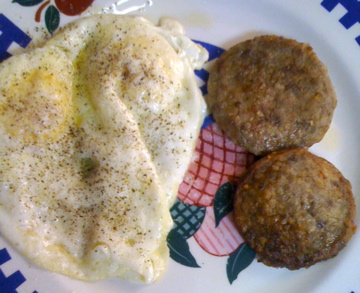 Since I have been doing this new routine for about a month now, I decided this morning to check my fasting blood sugar level and then several more times in the hour following a typical low-carb breakfast meal of eggs and sausage. This was a little larger meal than what I've been eating as part of my new "small" meals strategy, but not that much bigger. When I checked my blood sugar at 8:00am, the reading was 93 which is exactly where it should be after a night of fasting. So far, so good. At 8:15am, I had that delicious egg and sausage meal that took me about five minutes to consume. At 8:20am, just after finishing my meal, I checked my blood sugar again and it had already dropped seven points to 86. Curious about this sudden drop, I then checked my blood sugar level again fifteen minutes later at 8:35am and it had jumped UP to 102. Hmmmm, now this was interesting. That made me want to see what would happen in fifteen more minutes at 8:50am and my blood sugar was back down to 92 again. For kicks, I measured it two more times at 15-minute intervals at 9:05am and 9:20am and my blood sugar was 89 and 92 respectively. I stopped measuring because it was almost time to eat again. So what am I to make of all of this? Had I only checked my blood sugar after one hour as is typical, then I would have seen virtually NO change in my blood sugar. But doing this today in 15-minute increments was quite educational. It seems my blood sugar reaction is happening faster than normal which could be a good thing or a bad thing. Perhaps my body has become super-efficient at processing the foods I consume so there is no major impact on my blood sugar. Granted, my meal was virtually ZERO carbs, so the reaction should have been minimal. Next week I'll be going back to see my low-carb doctor to have a blood glucose tolerance test run. They will be checking not just my blood sugars, but also my insulin levels after drinking a big glass of sugar water. This will be the tell-tale sign of what is happening to me and I'm curious about the insulin. Will it be off the charts which could explain why my blood sugar DROPS after a high-carb meal? If so, then what can be done to control this insulin release since I'm already livin' la vida low-carb. You will be the first to know these results as soon as I get them back and analyzed. We will figure this out together because this could help so many people. I'll also be having a few more tests run just to check on them as possible culprits in this. My thyroid is fine based on the previous tests that were run at my last visit. So it's not that. The human body is a complex machine and sometimes it just takes time working through all the tests to come up with the answer. We are all different and there are any number of reasons that can explain what is happening. I just want to know THE reason. Is that too much to ask? :) The good thing is I'm not in any pain because of what is happening. Other than the added weight, my quality of life is pretty normal. I'm still very active playing volleyball, lifting weights, shooting basketball with the middle school-aged girl across the street, mowing the grass, etc. Life continues on despite all of this. And that's my attitude about it right now--just keep on keepin' on and not worry about it. Worry produces cortisol which is a nasty stress hormone that can cause problems similar to insulin. It too could be an issue, so I'm gonna have it measured as well. THANK YOU to everyone who has been following my story with this blood sugar thing with great interest and concern. I appreciate your comments and e-mails in support for me as I go through this. What I've found is I'm not the only one dealing with this and that's comforting in and of itself. In a way, I'm glad this is happening to me because I get to see what it's like to struggle somewhat. And I'll be danged if I let this thing beat me up and defeat me. I'm stronger than it is and I WILL prevail over it through the strength of the Lord and by the wisdom of the doctors who are overseeing my progress. Let me encourage you to NEVER GIVE UP in your pursuit of health because it is the best thing you could ever do for yourself. When I weighed 410 pounds and was on a one-way ticket to the graveyard just a little over four years ago, I didn't feel like I'd ever find the hope to become that man I was intended to be. But today I stand before you a changed man and proud to say by the grace of God I am better off than I was back then. While I may be having some tough times right now, I KNOW this situation is NOT impossible. There is an answer and I'm gonna keep searching for it until I find it. There's no going back to unhealthy eating ever again no matter how hard it gets. That's what my brother Kevin chose to do with his life and now he has less than a year left to live. It was his personal choice just as we all have that decision to make for ourselves. You can NEVER go wrong choosing to do something positive for your health. MAKE THAT HAPPEN today and you'll reap the benefits of it for many years to come. Keep at it and whatever you do--NEVER GIVE UP!!! YOU are worth it and the best is yet to come. Make us all proud by doing the things you have to do to shed the pounds and improve your health. YOU CAN DO IT!!! 7-2-08 UPDATE: Last night I received a telephone call from a nutritionist who used to work with the Atkins Center back when Dr. Atkins was still around. She wanted to know how she could help me with this hypoglycemia issue I seem to be dealing with. I told her what was happening even after a low-carb meal and she brought up something I hadn't really thought much about before, but it makes sense. She said that perhaps my body is converting most of the protein I am eating (and I do eat a rather moderate amount of protein) into sugar/carbs through gluconeogenesis which is producing an insulin response. So, despite the fact I am eating low-carb meals, the protein makeup of those meals could, in essence, be tantamount to eating carbohydrates. That sounds so messed up on surface value, but apparently my body must be extra sensitive to the protein I am consuming if it is doing this. I don't know for sure if that's what is happening, but it's the best theory I've heard yet. So next week I am getting a glucose tolerance test (GTT) run and several people have said I need to eat upwards of 150g carbs daily in the few days leading up to test. I'd never heard of this, but apparently it was pretty well-known so you don't skew with results that you are looking for. I asked my low-carb doctor about this and here was his response: Maybe...maybe not. It depends upon the question that we want to answer.
If you want to compare your results to what is thought to be the "normal response," then yes, carb eating would be good.
However, if you want to figure out what is happening to you after eating a low-carb meal (to look into this low blood glucose issue when eating low-carb), then no extra carb eating is needed.
We can start the test after you eat a low-carb breakfast. I also want to check the insulin at each time point to assess the pancreas response.Don't I want to know what's happening after a low-carb meal or is it more beneficial to do a standard GTT? I'm open to your input about this. If I'm gonna do the standard, then I need to start eating a few more carbs beginning on Friday leading up to the Monday morning test. Labels: blood sugar, health, Jimmy Moore, Keith Berkowitz, low-carb, reactive hypoglycemia, weight loss
'Livin' La Vida Low-Carb Show' Episode 154: Cassandra Forsythe Talks About Her 'Perfect Body Diet' Book
 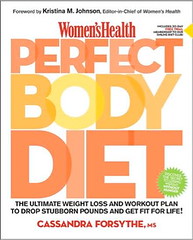 Low-carb researcher Cassandra Forsythe talks about her new book Low-carb researcher Cassandra Forsythe talks about her new bookI have great hope for the future of livin' la vida low-carb because there is a whole generation of young people who are championing this cause right now and will be for at least the next half century! That should get you very excited if you believe in the solid scientific foundation of the healthy low-carb lifestyle and I am privileged to be a part of something like this that is making such a positive difference in the lives of this generation and quite possibly many generations to come. My guest today on my podcast show is another one of these young people who is making waves for low-carb. In Episode 154 of "The Livin' La Vida Low-Carb Show with Jimmy Moore," we get to hear from the enthusiastic and lovely Cassandra Forsythe, a research assistant to world-renowned low-carb researcher Dr. Jeff Volek at the University of Connecticut and the author of two books of her own-- The New Rules Of Lifting For Women and her latest Women's Health Perfect Body Diet. Some have read Cassandra's new book and shared with me their concerns about how it promotes the use of low-fat products and a fiber-based substance called glucomannon for weight loss. So I wanted Cassandra to come on the show today to respond to these criticisms directly. Click on the "LISTEN NOW" link below or download it to your iPod to hear Episode 154:  "The Livin' La Vida Low-Carb Show with Jimmy Moore" Episode 154 [31:18m]: LISTEN NOW | DownloadCassandra gets into a lot of subjects during this half-hour interview, including what it's like to try to appease a book publisher who thinks "low-carb is dead," who needs to be following a low-carb diet more than anyone else, what it's like working with Dr. Volek, her discovery of glucomannon fiber to help you feel fuller after eating, how your body fuels your workouts in the absence of carbohydrate, and an in-depth discussion about her Perfect Diet book. With all that's happening in her life right now with an impending wedding and finishing up her doctorate degree, I was appreciative of Cassandra's generosity of time to do this interview. Connect with all my interviews whenever you'd like by: 1. Listening at the official web site2. Calling (818) 688-2763 to listen via Podlinez3. Subscribing to the RSS feed 4. Going to iTunes-- Click here to subscribe! Did you like what you had to hear from Cassandra Forsythe? Do you think she adequately responded to the criticism about her new book? You can talk about it in the show notes section of Episode 154. Visit Cassandra Forsythe's web site and her fabulous blog to stay on top of all the latest low-carb information she is providing the public. Come back on Thursday as I present my podcast interview with Charles Stuart Platkin, aka the "Diet Detective." He and I haven't always seen eye-to-eye on diet and health, but now I am the official low-carb contributor at his web site. :) Listen in as we talk about nutrition and fitness later this week. THANK YOU for listening to "The Livin' La Vida Low-Carb Show with Jimmy Moore."Labels: book, Cassandra Forsythe, diet, fiber, glucomannon, health, interview, Jimmy Moore, low-carb, Perfect Body Diet, The Livin' La Vida Low-Carb Show, weight loss, Women's Health
25 Invigorating New Low-Carb Diet & Health Books You Should Take A Second Look At
Finding a book about diet and health these days isn't difficult at all. Just go to Barnes & Noble or Amazon and you'll see title after title after title of people trying to tell you what you need to do to lose the pounds and get the body you've always dreamed of! Lemme tell you, no such book exists that can deliver on that, so you better not expect it from any book you ever read. You'll be in for a great disappointment. But one thing books can help you do is look at your own personal weight problem and overall health to see if there are principles that can help you along in your own journey. I honestly believe most authors of these diet and health books truly feel they have some kind of positive message to share with their readers or they wouldn't have bothered spending months or even years of their life writing them. When I wrote my debut book Livin' La Vida Low-Carb: My Journey From Flabby Fat To Sensationally Skinny In One Year in 2005, my intention wasn't to try to come up with some grand new diet that nobody had ever heard of yet to bring earth-shattering revelations to the public. As if! Nope, I simply wanted to share my low-carb success story in a fun, engaging, and entertaining as well as educating way that would give people the hope they needed to have so that they too could change their life forever like I did. For the nearly 10,000 people who have purchased my first book so far, my goal was to leave them with a clear uplifting and encouraging message. It will ALWAYS be my aim when I write a book (and I'm working on one right now with a couple of more ideas for future books germinating in my head!) to motivate, encourage, educate and inspire all those who read it. That's what a GOOD diet and health book SHOULD be all about. I've blogged about new diet and health books that I've read before and now I've got a collection of 25 more invigorating ones to share with you today. I thought you'd like to see what I thought about each of these books that have something to do with food, diet, health, low-carb, or cooking in some form or fashion. I liked most of these books and I think you should take a second look at them for yourself! ENJOY! 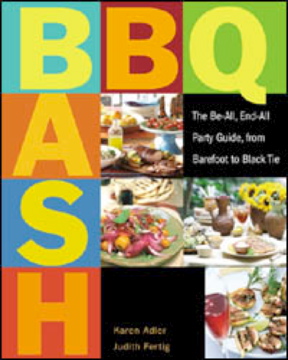 1. BBQ Bash: The Be-All, End-All Party Guide, from Barefoot to Black Tie by Karen Adler and Judith Fertig You gotta love the BBQ Queens Karen Adler and Judith Fertig! I first met Karen at the 2007 HPBA Expo in Reno, NV where I interviewed her for my podcast show and then I saw her again earlier this year at the 2008 HPBA Expo in Atlanta, Georgia. In that YouTube video I shot from this year's conference, she told me about this new book that was coming out and now it's here. If you like BBQ (and what low-carber DOESN'T?!), then you will enjoy this very colorful and loaded cookbook. Yes, there are a bunch of recipes (not all low-carb, but all super delicious!), but there are also tips about adding just a little something extra special to whatever party event you are having around the grill. If you wanna BBQ right, then you gotta trust the BBQ Queens. :D  2. Genocide: How Your Doctor's Dietary Ignorance Will Kill You!!!! by James E. Carlson When you want to get somebody's attention, sometimes that means using language that underscores the severity of a problem. That's precisely what Dr. James E. Carlson has done with his new book. Regardless of your stance about low-carb diets, you owe it to yourself to read this book and learn from a doctor who has seen unbelievable improvements in ALL of his patients who have implemented the low-carb lifestyle into their health routine. The more unhealthy and obese that you are, the better you'll feel when you are livin' la vida low-carb. Whether you have diabetes, metabolic syndrome, obesity, PCOS, or any of hundreds of other health ailments, low-carb could be the answer you've been looking for and Dr. Carlson shares why in this masterful book. If you want to know the truth about why the dietary ignorance of your doctor is leading you on a direct path to the grave, then READ THIS BOOK! You'll be glad you did. 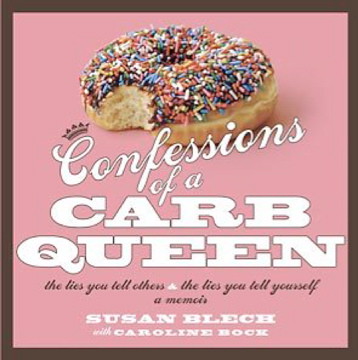 3. Confessions of a Carb Queen: A Memoir by Susan Blech with Caroline Bock Meet Susan Blech, a former 468-pound woman who backed on the pounds despite being healthy and fit as a kid and then a bodybuilding in young adulthood. But, as she says in her book, LIFE happened and the rest was history. Thankfully, at the age of 38, Susan took back her life and lost 250 pounds. But it wasn't before some rather humiliating circumstances in her life woke her up to this grave problem that she had been trying to deal with since the weight came pouring on. Anyone who has ever been obese will relate to these stories because they hit home. Susan moved to Durham, North Carolina to lose the weight...how did that go? This little square book reads like a riveting suspense novel and will entertain, educate, and motivate you to start doing some confessing of your own. 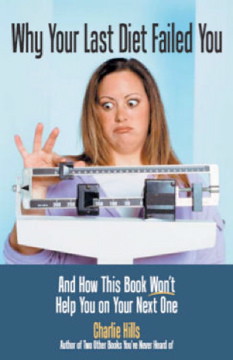 4. Why Your Last Diet Failed You and How This Book Won't Help You on Your Next One by Charlie Hills When you've been on diet after diet after diet in your life, you become somewhat of an expert on the subject. And they always say to write what you know and that's exactly what Charlie Hills did with this humorously-titled book. Struggling to lose weight and then gaining it all back got frustrating and Charlie finally figured out that he needed to find what worked best for him (which turns out to be a healthy low-carb diet, by the way!). He hopes by sharing about his ups and downs over the years that other people can finally find that plan that will give them the final answer to this lifelong problem. And he's kinda funny talking about it, too. :D 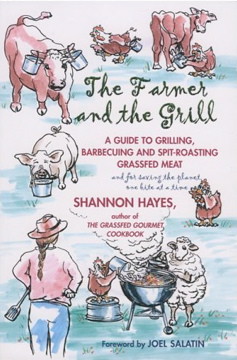 5. The Farmer and the Grill: A Guide to Grilling, Barbecuing and Spit-Roasting Grassfed Meat...and for saving the planet one bite at a time by Shannon Hayes If you are one of the many who are flocking to grass-fed meats and wanna know how to cook them properly (yes, it's different than the grocery store meats you buy!), then you're gonna want to get a copy of this book. Shannon Hayes grew up on a farm and explains in great detail exactly why you should be eating grass-fed beef, lamb, pork and poultry, how to perfectly cook up those delectable cuts of meat so you can maintain all the wonderful nutrients in them, and shares some wonderful carnivorous recipes for your healthy low-carb lifestyle. What a gal! 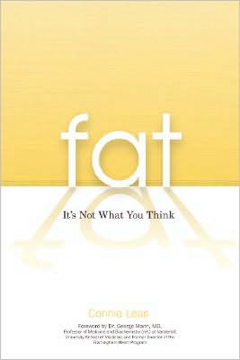 6. Fat: It's Not What You Think by Connie Leas This is one of the most intriguing books you'll ever read in your entire life. In just over 150 pages of text along with another 75 pages of references and charts, the author arms you with powerful evidence that dietary fat is not responsible for fat on the bodies and that healthy individuals need to be consuming higher amounts of fat than they currently are to stay that way. It's counterintuitive to our fat-fearing culture that hasn't got the first clue about what fats are healthy for them and which are not. This book should be your new go-to resource for anyone who still doesn't understand why fat is healthy. Get a copy for yourself and purchase extras to give away to your doctor, friends, family and anyone else who is stuck on fat being bad. Connie Leas clearly explains why it is not. 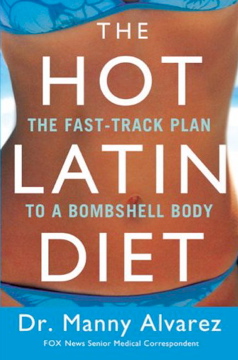 7. The Hot Latin Diet: The Fast Track Plan to a Bombshell Body by Dr. Manny Alvarez With the sudden influx of the Latin culture in the United States over the past couple of decades, this has produced a heavy influence on the kinds of foods that have entered into the category of healthy. Things like avocados, cinnamon, and garlic are now widely considered superfoods because of their positive benefits to our health and these came into prevalence because of Latinos. Noted Fox News health correspondent and OB/GYN Dr. Manny Alvarez introduces many of these foods to the American people with this book and uses it as a springboard for sharing his beliefs about various other diets, including Atkins, South Beach, and The Zone, among other low-carb ones. It shouldn't be too surprising to learn he's not very fond of the low-carb lifestyle on the grounds that the jury is still out about the long-term impact of this way of eating along with the supposed health side effects, high consumption of saturated fats, and the restrictive nature of the diet. Ho-hum--we've heard all this before, Dr. Alvarez. And yet those of us who are livin' la vida low-carb are still here going strong. Even still, mixing in these seven Latin powerfoods into your diet (ironically, most of which are VERY low in carbs, by the way) could be the change you need to get your diet moving in the right direction. 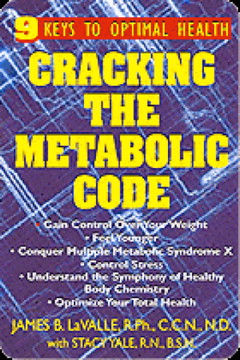 8. Cracking the Metabolic Code by Dr. Jim LaValle When I interviewed the author of this book for my podcast show recently, I was pleased to hear that he understands the critical importance of implementing a low-carb strategy for people who are dealing with obesity, metabolic syndrome, diabetes and the like because it is the only way to "crack the code" to restore your body to maximum health. Far too often the medical community would rather choose to put someone with these conditions on a risky and oftentimes dangerous prescription pill rather than implementing a natural dietary routine to bring the condition under control. Thankfully, Dr. LaValle is NOT the kind of physician who thinks this way and instead uses specific supplements and low-carb foods to produce the necessary changes in health that patients are desperately seeking. There's no more fighting with your body to get it well when you unlock these keys to optimal health that Dr. LaValle shares. 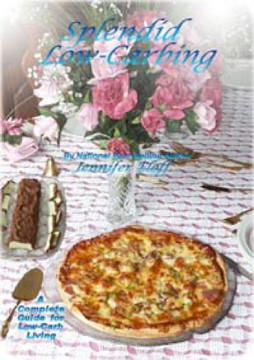 9. Splendid Low-Carbing by Jennifer Eloff This national bestselling book from longtime low-carber Jennifer Eloff contains over 350 deliciously low-carb recipes with 10g of carbs or less per serving. No matter how boring you think livin' la vida low-carb is, this book will prove to you that it only takes a little imagination to get those creative juices flowing to come up with some low-carb magic in the kitchen. 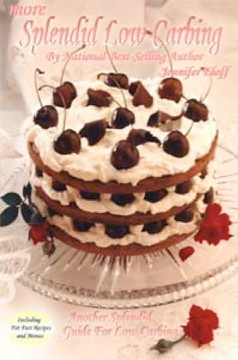 10. More Splendid Low-Carbing by Jennifer Eloff If you loved Splendid Low-Carbing, then this book simply continues on with that theme with even more recipes for your healthy low-carb lifestyle. Included in this book are specific recipes for Dr. Atkins' fat fast for those who are especially resistant to a standard low-carb plan. You get soups, salads, meats, and desserts galore all designed to help you stay on your low-carb lifestyle for good! 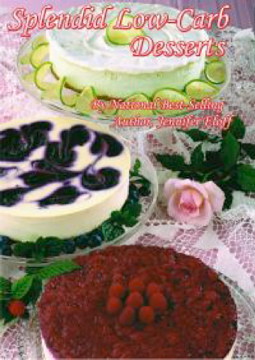 11. Splendid Low-Carb Desserts by Jennifer Eloff If you like making Splenda-sweetened desserts that contain just 10g carbs or less, then this is the book for you! This is the third in the "Splendid Low-Carb" series and Jennifer saved the best for last with these delectable desserts that will surely add a little something sweet to your low-carb lifestyle. Whether you like pies, cakes, cheesecakes, muffins, or cookies, then this cookbook has a little something special for whatever low-carb dessert you get a hankering for! 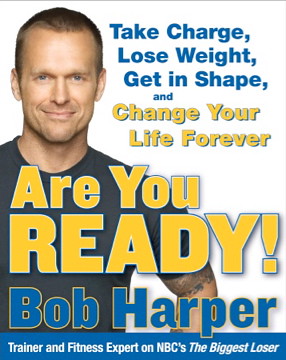 12. Are You Ready!: To Take Charge, Lose Weight, Get in Shape, and Change Your Life Forever by Bob Harper Who doesn't like Bob Harper from the hit NBC-TV weight loss reality show "The Biggest Loser?" That man has shown himself time and time again to have a heart of gold for average, everyday people who just need a little guidance to take off the weight they spent a lifetime putting on. When I interviewed Bob Harper nearly three years ago, he ended it by saying "You want to change, you need to change....let's get started. There is a whole life out there waiting for you.....GRAB IT!!!" With this new book, Bob continues that theme by asking "are you ready" to make those changes happen? If so, then he's ready to get you into shape like he does those contestants on television. First, he examines how and why you got to be overweight or obese in the first place and seeks to correct those issues before any diet or exercise is even introduced. Second, you get a low-calorie and lower-carb nutritional plan to follow designed to help you start shedding the pounds. Finally, Bob himself shows you in pictures the kind of exercises you can and should be doing to get your body into tip-top shape. If you ever wanted to know what "The Blue Team" has been through training under Bob Harper on "The Biggest Loser," then this is probably as close as you'll ever get to it! 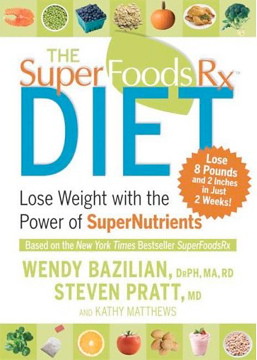 13. The SuperFoods Rx Diet: Lose Weight with the Power of SuperNutrients by Wendy Brazilian, DrPH, MA, RD, Steven Pratt, MD, and Kathy Matthews One of the freshest new words to appear in the vernacular of diet and health over the past few years is the term "superfoods." This describes those foods that are very powerful for your body because of their superior nutritional content. Things like blueberries, walnuts, strawberries, and tomatoes have been elevated to a new level because of the high amounts of nutrients, vitamins, minerals, antioxidants, and phytochemicals. This book seeks to use these superfoods in combination to help with weight loss and improving health. Not all of these superfoods are necessarily low-carb, but you can pick and choose the ones that work best within your chosen nutritional plan. 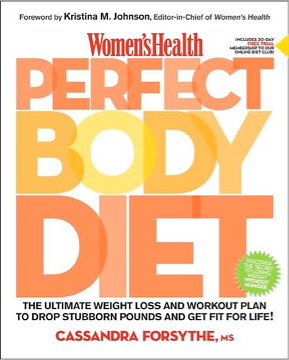 14. Women's Health Perfect Body Diet: The Ultimate Weight Loss and Workout Plan to Drop Stubborn Pounds and Get Fit for Life by Cassandra Forsythe, MS If you have read The TNT Diet by Dr. Jeff Volek and Adam Campbell and wished there was a female version of that book, then this is it! In fact, the author Cassandra Forsythe works with Dr. Volek, a world-renowned low-carb diet researcher from The University of Connecticut, and has her name appearing on many of the latest low-carb research studies over the past few years. She believes in low-carb nutrition and was asked by Women's Health magazine to write a book about weight loss and fitness. Some have been critical of this book because they claim it focuses too much on low-fat and not enough on low-carb. But I think it does a good job of having people avoid the culprit carbs that pack on the pounds which is most important when you are looking for a diet plan that will actually work. The "secret weapon" behind this program is the glucomannan fiber that you sprinkle on your foods to make you fuller faster, take away your hunger, and to slow down the absorption of the food into your body. Again, critics say this is gimmicky, but it could be just what is needed to help someone struggling with their weight to get their body into shape. Forsythe is an avid weight trainer and provides specific exercises for women to get that "perfect body" they desire. 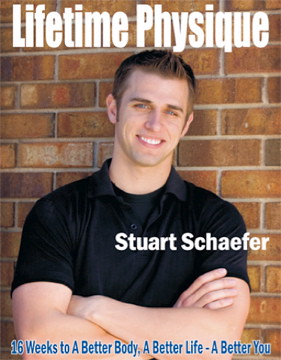 15. Lifetime Physique: 16 Weeks to A Better Body, A Better Life--A Better You by Stuart Schaefer Have you struggled with wanting to change the way your body looks but not really knowing where to start? You are exactly the kind of person Stuart Schaefer was thinking of when he wrote this book. Helping you understand what needs to be done is only part of the process. First you must convince yourself that you CAN do this and that you WILL succeed. Until that happens, all the information about training your body and getting into shape is useless. Stuart helps you with this by offering mental focus that guides you to the point where you need to be so you'll be receptive to the message. When you get to the actual heart of Stuart's diet plan, I was disappointed to see some glorification of carbohydrates (supposedly the good kind) while saturated fat was vilified as the "bad" kind. This does not take into account the latest research that has come out in recent years and I'm surprised Schaefer chose to ignore this. In the section on the actual workout regimen, I was pleased to see he recommends working out LESS to achieve better results. Step-by-step pictorial instructions about what you do and when you do it are included so you're not left wandering on your own without having a clue about what you are doing (this is important for newbies to resistance training). It's not a bad book and the author seems like a nice enough guy. But some of his dietary advice is too caught up in the conventional wisdom that we now are learning isn't exactly right. 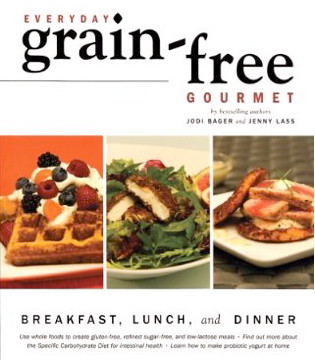 16. Everyday Grain-Free Gourmet: Breakfast, Lunch and Dinner by Jodi Bager and Jenny Lass One of the hallmarks of the healthy low-carb lifestyle is avoiding not just refined carbohydrates like sugars, but also choosing to avoid those so-called healthy whole grains as well. For some people who have celiac disease, they don't have the luxury of choosing whether they eat grains or not--they cannot or they might die. Consuming gluten-free foods is invaluable for the health of people with Crohn's disease, ulcerative colitis, irritable bowel syndrome, and celiac disease. This recipe book is not explicitly low-carb in nature, although there are many recipes included that are entirely appropriate for livin' la vida low-carb. The main thing you'll get is an education about why it is important to eat specific kinds of carbs, an explanation about why eating fat is good for you, and stocking your cabinets with the key ingredients necessary to make these delicious recipes. Bon appetit! 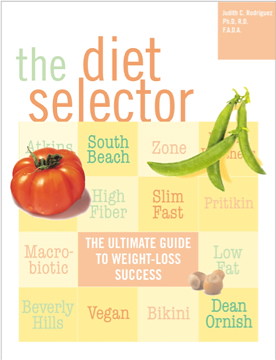 17. The Diet Selector: From Atkins to The Zone, More Than 50 Ways to Help You Find the Best Diet for You by Judith C. Rodriguez, PhD, RD, FADA You know my adage by now if you've been paying any attention to the basic philosophy I espouse for people wanting to lose weight and get healthy--find the proven plan that will work for you (and that you'll enjoy!), follow that plan exactly as prescribed by the author (and don't try to figure it out on your own), and then KEEP doing that plan for the rest of your long and healthy life (with only minor variations to fit your individual needs). That's it! And that is what I was hoping this book did for people who are unsure about which plan they should choose. Unfortunately, I was sorely disappointed. I will give them credit--if the diet exists out there, then it appears in this book in some form or fashion. But to see how reliable the information provided was, I decided to turn to the page about the Atkins diet since that is the plan that I ultimately chose to help me lose 180 pounds in 2004. I couldn't believe this registered dietitian author, an active member of the American Dietetic Association, made such a major blunder right off the bat when she claimed the title of Dr. Atkins' original diet book in 1972 was called The Atkins No Carbohydrate Diet. Ummmm, not exactly, Dr. Rodriguez. Actually, it was called Atkins' Diet Revolution. It makes you look like you didn't really do your research with such an obvious faux pas as this. Add to that under the list of "Resources" for people to get further information about the Atkins diet, she lists a well-known ANTI-Atkins web site run by the radical low-fat vegetarian PETA front group Physicians Committee for Responsible Medicine (PCRM). That's not exactly an unbiased web site sharing information about the Atkins diet. As if those two strikes against the reliability of the information in this book in regards to the Atkins diet weren't enough, strike three came when I looked at the "Sample Menu" of a typical Atkins diet meal plan. Is she joking here?! Apple juice? Grapefruit salad? Pork and peach salad? Carrots? Peaches? Corn tortilla? White beans? Is it just me or do you get the feeling that Dr. Rodriguez hasn't got the slightest idea what the heck she's talking about regarding the Atkins low-carb lifestyle? That leaves me with no other conclusion but that you simply cannot rely on her to provide reliable, unbiased information about the various diet plans. FYI--the low-fat plans like Ornish and Weight Watchers are given GLOWING reviews without the use of any ANTI-low-fat propaganda web sites. Hmmmmm. 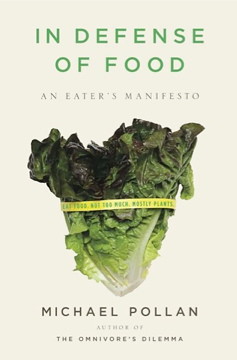 18. In Defense of Food: An Eater's Manifesto by Michael Pollan One of the most brilliant diet and health writers of our day has got to be Michael Pollan. As a worthy follow-up to his instant classic The Omnivore's Dilemma, this book comes strongly to the defense of REAL food as opposed to the heavy reliance on packaged creations that dominates the typical American family dinner table. What if most of the diseases we are dealing with have more to do with the diet we are consuming in the fast-paced lifestyle of the 21st century and less to do with whatever the latest nutritional flavor of the day advice is out there? It's a rather thought-provoking exercise that is worth reading every glorious one of these 230-something pages of text. Pollan is on to something HUGE her and I can't wait to see what else he comes up with if he keeps writing about diet in the future. 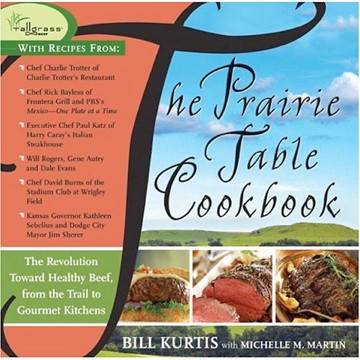 19. The Prairie Table Cookbook by Bill Kurtis and Michelle M. Martin Do you remember the classic television show Little House on the Prairie? What a great show that was and there were huge meals around the table to feed all the kids and adults in the household. Don't you know many of the meals that were served back in those days were much healthier compared to modern-day America? A big reason for that was the meticulous attention to detail that our American western ancestors paid to things like raising cattle properly by feeding them grass instead of grain. Grass-fed beef is a lost art these days despite the fact it is nutritionally superior to the mass-market beef you can buy in supermarkets. This book gives you some of the history behind where grass-fed beef came from, why it is so healthy for your body to consume, and over 100 mouthwatering recipes that are sure to please your low-carb palate. 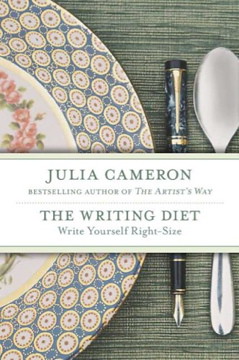 20. The Writing Diet: Write Yourself Right-Size by Julia Cameron If only it was as easy as writing your way to weight loss (typing does burn calories, right?!), then everybody would become a William Shakespeare overnight. But alas parting with that myth is such sweet sorrow. However, there is merit to the idea of getting your mind off of eating when you really don't need to by putting your thoughts down on paper. Gee, imagine that! The concept behind this book is a good one because it forces you to share thoughts with yourself that you may not even realize were there before. Being honest with yourself about how you choose to live your life, including the foods you stuff in your mouth, will open your eyes to a reflection of YOU that may have never manifested itself before. This book reaffirmed for me one of the major reasons I enjoy blogging so much--it's a creative release that allows me the chance to lay it all out there while taking my mind off of idle things that could drive me to eating that high-carb junk again. So maybe writing is a great way to weight loss after all! 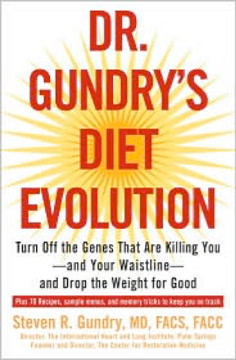 21. Dr. Gundry's Diet Evolution: Turn Off the Genes That Are Killing You--And Your Waistline--And Drop the Weight for Good by Steven R. Gundry, MD, FACS, FACC What is about cardiologists that make them understand the importance of livin' la vida low-carb when hardly anyone else in the medical community has an inkling of a clue. Like Dr. Atkins and Dr. Agatston (from South Beach diet fame), Dr. Steven Gundry is a heart surgeon who realizes why people get fat--it ain't the calories, it ain't because you lack willpower, it ain't because you eat too much dietary fat! You might be pleasantly surprised to hear him say whole grain carbs may not be as good for you as we've been told, why the KIND of fruits and vegetables that you choose are vitally important to your weight and health, and how eating a diet lower in carbs and higher in fat while getting moderate amounts of protein can and will help you get healthy simply through nutritional changes. It's the evolution of the low-carb revolution and Dr. Gundry is leading the charge! WAY TO GO!!! 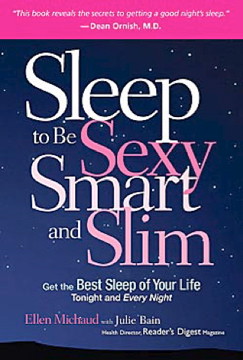 22. Sleep to be Sexy, Smart, and Slim: Get The Best Sleep of Your Life Tonight and Every Night by Ellen Michaud and Julie Bain Zzzzzzzzzzzzz! Er, uh, what? Sorry, I was catching a quick nap there before writing this review because we all know about the importance of getting in a good quality night's worth of sleep to our weight and health, don't we? DON'T WE?! Well, if you haven't heard about it before, then lemme tell you--if you want to lose weight, then you really do have to commit yourself to rest. Otherwise, all sorts of biochemical reactions with hormones and stuff like that will wreak havoc on your system until you can't go any more. The body will get what it needs one way or another and it's up to you to do your part with sleep. You'll reap the benefits of that, as the authors from Reader's Digest magazine state, including looking and feeling better and healthier than you ever thought possible. Included in this book are ways to get to sleep (interestingly, when it comes to recommended foods for sleep virtually ALL of them are high-carb--IMAGINE THAT!). 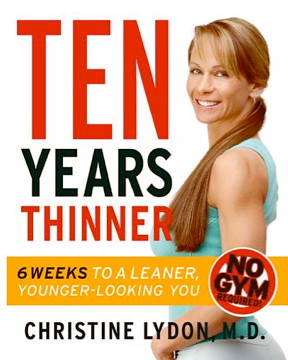 23. Ten Years Thinner: Six Weeks to a Leaner, Younger-Looking You by Christine Lydon, MD When you look as good as the author of this book does, it's difficult to argue with the results. She's a perfect example of how her program can do exactly what the title of her book suggests. And I LOVE Dr. Lydon's emphasis on the fact that this isn't about going on a diet--it really is about changing your life through simple changes in your current habits. This is the only way to achieve a permanent lifelong solution to your weight and health issues. The best part is she understands the importance of eating like our early ancestors making sure we get adequate protein in our diet to aid muscle growth which leads to the burning of stored fat and she articulates beautifully why consuming fat will have a "slimming effect" that most people have no idea about because they are scared witless about eating any. Unfortunately, when it comes to carbs she's not quite on the same page as most low-carbers are and describes a low-carb ketogenic diet as "a recipe for disaster." That's too bad, but you might be interested in reading this book to see her reasons WHY she believes that as an intellectual exercise in challenging what you believe. Although she wasn't very flattering towards low-carb diets, Dr. Lydon does show how you can give your body a good workout without lifting a single weight or going to the gym (using your own body weight instead). It's not a bad book overall, so you might want to check it out.  24. Easy Living Low-Carb Cooking: Over 150 Induction-Friendly Recipes by Theresa Sloan and Tracy Westbrook If you are just starting off on the low-carb lifestyle and following Induction, then you may need some guidance about how you can cook up simple, easy-to-follow recipes that are low enough in carbohydrates for those early days of your brand new lifestyle change. For some of us, we have to stay pretty low with our carb intake ALL THE TIME, so having a cookbook full of recipes that contain no more than 6g carbs each is a real lifesaver. And these aren't boring recipes either--you get to make fried cheese sticks, low-carb fajitas, breaded pork chops, homemade vanilla ice cream, Bavarian cream pudding. The list goes on and on with delicious and nutritious foods that will keep you livin' la vida low-carb without the worry of eating too many carbohydrates. This is DEFINITELY a book that every new and old low-carber should have on hand when you need a creative shot in the arm for your low-carb lifestyle. 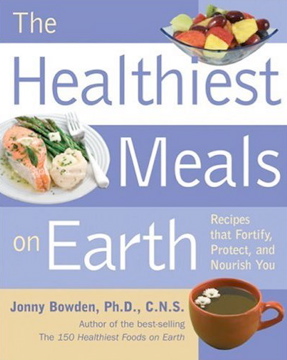 25. Healthiest Meals on Earth: The Surprising, Unbiased Truth About What Meals to Eat and Why by Dr. Jonny Bowden If you haven't been following this series of books from Fair Winds Press by Dr. Jonny Bowden the past couple of years, then you don't know what you've been missing. It all started with The 150 Healthiest Foods On Earth early last year followed by The Most Effective Natural Cures On Earth just a few months back. Now this new book incorporates many of the foods from those two books to provide some yummy to your tummy recipes that both taste good and are good for you. For those of you who are new to Jonny's books, you have to know that he wrote Living The Low-Carb Life--the book I believe is THE must-have book for every low-carber to own because it clearly outlines what this way of eating is all about. In these newer books, Jonny's fervor for healthy low-carb living has not diminished one bit. GET THESE BOOKS and tell everyone you know about them because they are heads and tails above what most nutrition "experts" are sharing nowadays. I can't wait for people to meet Dr. Jonny Bowden in person on the January 2009 low-carb cruise. Got a new diet or health book that you think I should know about? Feel free to bring it to my attention by e-mailing me at livinlowcarbman@charter.net. I will try my best to read it, review it, and then share about it here. Keep your eyes open for later this year when there will be a TON of new books about livin' la vida low-carb coming out. I CAN'T WAIT! :) Labels: Atkins, books, cookbook, cooking, diet, health, low-carb, recipes, weight loss
The Real Deal On Low-Carb Living From Real People In Real Life...REALLY!
It's one thing to tell people about how much livin' la vida low-carb can change their life because it is backed up by solid science that shows it is the preferred way that humans were meant to eat for maintaining their weight and health. It is yet another thing altogether for that simple, yet profound message to sink into the minds of people who have become so disillusioned about what is healthy and what is not by all they've "heard" about it over the years. One of my readers named Alejo posted his theory about why the low-fat diet hypothesis continues to dominate popular health thinking despite the very clear lack of scientific evidence in support of it compared with low-carb living in response to this blog post about Dr. Atkins I wrote this week. He compares low-fat diets to religion by describing it more as a religious BELIEF rather than relying on what the facts from science say to the contrary. This is a notion that Dr. James Carlson promoted in my podcast interview with him earlier this month. So with so many people following low-fat diets based on their heart telling them it's the way to go because they must suffer for the sins of their obesity (depriving themselves of their favorite foods, feeling hungry, not eating as much, exercising for hours on the treadmill everyday), Alejo contends that all the evidence in the world in favor of low-carb from the research world is virtually meaningless. Until you can change the hearts and open up the minds of those who are caught up in the latest low-fat demagogue to spout off such nonsense (need I name names?), it's gonna be an uphill battle. But I think that's where blogs like "Livin' La Vida Low-Carb" and others can play a major role. The fact is that real people who are living real life on the low-carb lifestyle come here on a daily basis and have a story to tell. Their lives have been changed for the better and I highlight these testimonies of transformation for all the world to see what livin' la vida low-carb is REALLY doing for people. This ain't no fad diet that's dangerous as you oftentimes hear in the media and from those self-proclaimed health "experts." Instead, this is the REAL DEAL on low-carb living and I'm gonna keep sharing it. One thing that blogging does allow me to do that I would not otherwise have as many opportunities for is a public dialog about the benefits of low-carb diets. I have been criticized for being too hostile against low-fat diets while propping up low-carb ones. While I don't disagree that I share livin' la vida low-carb in a much more positive light than low-fat diets, I am all in favor of people finding what works for them to lose weight and get healthy. But even if you disagree with my chosen way of eating, I have no problem answering any questions about it to those who contact me. Such is the case today with some recent e-mails I've received from readers wanting to know more about the low-carb lifestyle and how it can help them. I literally receive hundreds of e-mails a day and I really do read and answer all of them as quickly as I possibly can. I don't always have all the answers that people are looking for, but I try my best to get the information needed from people within my circle of influence who DO know the answers. Please don't hesitate to e-mail me anytime. :) Here are the e-mails: I have always had a terrible time losing weight no matter what diet. I do like the Atkins program because it is the only diet that I am not famished on (I needed to go below 1,000 calories to lose weight and it's not pretty). Still, I never had that super weight loss on Induction or any other time on Atkins. I also never can get off Induction without a complete stall or even weight gain.
If I want to lose weight I must go under 20g carbs. I am so bored of this and now even this stalls me out. I am worried about nutrition because my carbs must be so restricted. I am also worried about the future. I lost 26 pounds (took me a year!) but regained 7. First I regained 3 pounds going on a vegan diet. Then when I switched back to low-carb I actually gained 4 more!!!
I am very depressed right now. I am still 60 pounds overweight--not obese, but on the high side of overweight. I walk about 6 miles a week and I’m not diabetic or on any medications. I am a 41-year old woman with three kids. It has been so upsetting to see posts where people lose 8, 10, or 14 pounds on Induction and I only lost 4 rotten, stinkin’ pounds. Many weeks I lost nothing. If I was lucky I'd lose one measly pound.
Any advice to help me keep my sanity would be truly appreciated.THANK YOU so much for writing to me today and I can certainly sense your frustration about not being able to lose weight. This is something you don't hear talked about much in the world of weight loss, but there are other issues going on that can impact your ability to lose weight even when you are doing everything correct. In fact, I recently blogged about this very thing happening to me. It can be discouraging and upsetting to compare yourself to what others are being able to accomplish. But don't do that to yourself. You are you and not those other people. They probably don't have the issues that you do metabolically so it would not be fair to measure your success against theirs. Hey, 4 pounds is 4 pounds, so don't let it get your down. And also remember that livin' la vida low-carb is more about improving your health first and foremost and then weight loss is merely a side effect of eating better. I encourage you to get back to the basics of the Atkins diet by reading the book, following the plan as prescribed, and not worrying so much about your results. Some people it just takes longer, so DON'T GIVE UP! Watch my YouTube videos on Induction for helpful hints. If you need to be on 20g or less for the rest of your life, then join the club. I'm one of those people too as are many I know. There's certainly nothing wrong with eating that few carbs as long as you get lots of fat for fuel and energy and moderate protein at every meal. Go check out my menus blog to see what I eat on a daily basis. I've blogged about stalls and lack of weight loss many times before because this is something people need to realize is serious business. It's not the end of the world as you might think. Here are those posts that I hope will encourage you in this journey: No Weight Loss, No Fair: I Feel Like Giving UpBig Picture Focus Needed During Weight Loss Weight Loss Takes A Little Faith In Yourself Remaining Fat Healthier Than Weight Loss?Weight Loss Stalls Are No Reason To Give Up KEEP AT IT! Get involved at my discussion forum for support as you go through this experience. There are several people there who have been stuck and can't figure out why they're not losing either. It could be any number of things and the people there can help support you through this. My issue was a condition called reactive hypoglycemia which a physician who worked with Dr. Atkins named Dr. Keith Berkowitz identified and helped me with. Here's my podcast interview with him about this and it may be what you are dealing with. I'll be doing a follow-up interview with Dr. Berkowitz soon to talk more about the questions people having regarding this condition. If nothing else, I hope all of this gives you hope as you pursue weight loss and better health. It can be challenging going through this, but it is NOT impossible to beat it. YOU CAN DO THIS! I'm here for you anytime, so don't hesitate to contact me with any questions or comments. NEVER GIVE UP!!! I was looking around the web in an attempt to find new ways to clean up pictures for my photo site (mostly bird pictures) and ran across an article written by you. I noticed a couple of links concerning your weight loss and decided to check it out.
I am 50 years old and do not live a healthy lifestyle. I drink as many as 10 sodas a day and eat unhealthy food constantly. I have purchased good food (broccoli, cauliflower, etc.) at the commissary (I live and work in Germany) and I bought a steamer but they just sit there until the food goes bad and the steamer gets so dusty I need to wash it again. I've tried to stop drinking the sodas in the past but when I do I get excruciating migraine headaches and nothing seems to alleviate the pain. I'm told it's from either the caffeine of the sugar but it makes it very difficult to stop. I also enjoy the taste and when I drink water it just doesn't seem to do the trick.
I know all of this stuff is not healthy and I really do want to change since I've had some health problems and weighing between 230 and 300 pounds at various times doesn't help. I'm also not very active mostly due to a back problem. I had part of my spine removed and there is constant pain which is probably exacerbated by the extra weight I'm carrying around.
I love rice and broccoli as well as cauliflower and other veggies but I also like eating various types of bread and cheese which I've been told is a real no-no. It seems I'm stuck in this cycle and don't know how to get out of it. From what I read on your biog it seems you became motivated and worked hard at changing your life style. I was wondering if you had any words of advice.
I know you probably get this all the time and I apologize for bothering you but at my age I'm wondering if it's even worth it to try and change things but deep down I know it would help.
Thanks for reading this and I'd appreciate any response.THANKS so much for writing to me and I appreciate your fragility about your current circumstance. It's exactly where I was a little more than four years ago when I began my own weight loss journey at 410 pounds. I was drinking Coca-Cola like it was going out of style and didn't think anything of it at the time. In fact, my addiction to sugary soda (and that's exactly what it was!) had me drinking upwards of 16 cans of Coke a day! EEEEK! To even think about doing that now just makes me shudder. One can of soda has so much high fructose corn syrup (SUGAR!) in it that there are more carbs in that one drink than I eat all day now. Whenever you ingest one of these soda pops, think about this--you are putting 45 grams of sugar into your body or about 12 teaspoons! Multiply that number times the cans you drink in a day and it really adds up. I came up with a mantra that helped me overcome my sugar addiction. Here it is: SUGAR IS RAT POISON! In fact, I loved using that so much that I named it as one of the chapters of my book about my low-carb weight loss. And there's even a
study that came out verifying that the strategy I used linking sugar to rat poison has merit. It sounds like you already like many of the foods you can eat on a low-carb diet, including broccoli, cauliflower, and even cheese (yes, you can eat cheese in limited quantities when you are livin' la vida low-carb). You should also check out my recent YouTube videos on Induction so you can see exactly what you eat on a low-carb diet especially in the early going. If you watch those and grasp the concepts my wife Christine and I share about the basics of low-carb, then you will be well on your way to success. YOU CAN DO THIS, Eric!!! You are NOT too old to shed the pounds. Check out these stories of people who are OLDER than you who did it, too: Senior Citizen Delivers 185-Pound Weight Loss Long-Term Atkins Weight Loss Is Staying OffWeight Loss Needed At Any Age If Obese Oldest Biggest Loser Contestant Ever Tells Seniors 'Set Realistic Goals, Take It Slowly' THANKS again for writing and now I urge you to do this with all of your might and GO FOR IT!!! You'll be so glad you did. :) Hi Jimmy,
Life really throws us some surprises, doesn't it? Not all good ones, either.
I'm 60 years old, way overweight (almost 300 pounds), diabetic (with several other fat-induced ailments) and I'm just not having much success with the American Diabetes Association's high carb "high fiber" recommended diet.
So I'm ready to try the high protein way of eating when--BAM!--I get served with divorce papers. Maybe that's not the bad news, because this toxic relationship hasn't been helping me achieve any level of healthier living (even so, it is very painful). But the real bad news is that now I find myself financially devastated. I still have a truckload of canned and dried beans and other stuff from the diabetic diet, and I really can't afford to toss all that stuff and buy all new food.
So why am I writing to you? Well, I'll bet I'm not the first little old lady who has found herself in this position. I'm hoping that you have a reader or two who can offer some hope and encouragement, and maybe a tip or two about how to make the dietary transition since I can't just go totally LC tomorrow. I'll be starting job #2 tomorrow, and that extra income will eventually allow me to get in the full swing of the high protein life, but right now things are a little bit tight.
I've just discovered your site and you have a huge archive of material for me to work through, so I haven't had a chance to read much of the material yet. If you can direct me to any existing blogs or threads that I can read, I sure don't mind doing my own research. I'm not expecting anyone to rescue me or to provide my education in the LC eating plan, but there's an overwhelming body of work to get through and a little direction for where to start would sure be appreciated.
I am so inspired by your personal story, as well as the stories of several others who have lost huge amounts of weight by reducing or giving up carbs, and I'm feeling very hopeful that I can do it too. Thank you from the bottom of my heart for putting out such a wealth of factual information and the experiences of others who have had success. Sometimes the stories are just as important as the dietary guidelines.
You'll probably never know (on earth, anyway) how many lives you have changed or even saved. But as a fellow believer in Christ I can tell you my life experience is that people get new information and direction when they are ready to actually use it. Things don't look that great for me right now, but check back in a few months and see if things are not different. Jesus never fails those who believe in Him.
Jimmy, I look forward to any advice you or your readers can provide to help me jump start my new lifestyle. Thanks again for being there.THANK YOU for writing to me today and I am so sorry to hear about your pending divorce. As the child of divorced parents, I can somewhat relate to what you are going through. I pray that the Lord grants you the grace and mercy to get through this difficult time and rise triumphantly on the other side as the woman He desires you to be. :) Yes, I have written quite a bit about eating low-carb on a budget, so check these out: Are Weight And Wealth Interconnected? Is Poverty Promoting Pudginess?Try The $21 Low-Carb Diet Experiment You can find GREAT support for your low-carb lifestyle by joining my forum to meet real people who are living the low-carb lifestyle, too. Hearing their stories and learning from them will get you started and keep you going the right way. I am confident you will SUCCEED at this! DON'T YOU GIVE UP!!! I'm here for you anytime, so don't hesitate to contact me. Hi Jimmy,
It's so weird that I feel this way. I've followed the low-carb lifestyle before, but didn't actually make it a lifestyle. I'm restarting Induction tomorrow, re-reading my book, and I've joined the gym. No need to take it one step at a time. I want to do it all in one whop.
So what is my fear--that I'll lose the weight and get healthy? If you could find some time to share your thoughts on this and leave me with some valuable tips, then I'd appreciate it.The fear of failure has a VERY strong pull on our psyche when we attempt to lose weight. Sometimes that fear can become so REAL in our lives that it totally encompasses us and we become consumed with guilt and shame over a single bite of anything off plan. This is no way to live. When I started livin' la vida low-carb, I made up my mind at that very moment that this was the lifestyle change I needed, that I needed to be dead serious about it, and no matter what others might say to me I was gonna DO IT! It wasn't some willpower or anything like that, but a steadfast resolve to make better choices for my health. And the results for me were phenomenal. You gotta believe the same can and WILL happen for you, Lynisha! And when you get there, it'll be the most glorious experience of your life--especially if you have been overweight or obese your entire life like I was before my weight loss. Life DOES change for you and it's mostly for the better. I did a recent YouTube video about all the changes that have happened since my weight loss in 2004. Embrace this lifestyle, never let go of it, and become that woman you were always meant to be. Your confidence will skyrocket, your quality of life will greatly improve, and nothing will be able to stand in the way of whatever you put your mind to in the future. The REAL YOU is just BEGGING to come out and show the world what she's made of. Are you ready to unleash her? :) Let me know about your progress and I'm happy to help anytime. Take care! Got a question or comment for me? I LOVE hearing from my readers and you WILL hear back from me if you do. E-mail me at livinlowcarbman@charter.net and give me the distinct privilege of hearing from you about whatever is on your mind. Whatever you do, just keep on livin' la vida low-carb! :) Labels: Atkins, blog, e-mail, feedback, health, Induction, Livin' La Vida Low-Carb, low-carb, reader, weight loss
'Livin' La Vida Low-Carb Show' Episode 153: Atkins Diet Expert Jackie Eberstein (Part 2)
 Jackie Eberstein answers YOUR questions about the Atkins diet Jackie Eberstein answers YOUR questions about the Atkins dietIf you missed Part 1 of my podcast interview with Jackie Eberstein, then you really need to go back and take a listen. She is the foremost authority on the Atkins nutritional approach today having worked alongside the late great Dr. Robert C. Atkins for nearly 30 years and continues extending his legendary low-carb legacy at her fabulous "Controlled Carbohydrate Nutrition" web site long after his death. Jackie is a real asset to the low-carb community and I am thrilled to have had the chance to share just a few short moments of her with you this week. In Episode 153 of "The Livin' La Vida Low-Carb Show with Jimmy Moore," we pick up with Part 2 of my interview with Jackie and she continues answering questions from readers and listeners about the Atkins low-carb lifestyle. When you've been around patients for as long as Jackie has seeing many of them going through all the ups and the downs that come from any weight loss and health experience, you get a sense for how to help people when they run into difficulty during their own low-carb journey. She hopes through this podcast interview that people will be encouraged to know that they are doing something positive for the sake of their long-term health by being on Atkins. Click on the "LISTEN NOW" link below or download it to your iPod to hear Episode 153: "The Livin' La Vida Low-Carb Show with Jimmy Moore" Episode 153 [31:17m]: LISTEN NOW | DownloadJackie Eberstein gets into the nitty gritty of Atkins low-carb living in today's portion of the interview talking about inflammation, the criticisms of low-carb, the perfect way to combat metabolic syndrome, her work with Dr. Jay Wortman and filmmaker Mary Bissell on the low-carb documentary called My Big Fat Diet, and what she is doing on her web site as well as The Veronica Atkins Foundation web site to share the TRUTH about what the Atkins diet is REALLY all about. If you have never been to Jackie's site, then you have to look at her responses to the Atkins myths, her recap of what the Atkins lifestyle is all about, and stay up-to-date on all the latest low-carb research. This is the kind of information that has unfortunately been removed from the Atkins Nutritionals web site in recent years, so Jackie is helping to restore this information for the benefit of those people looking for reliable information about this healthy way of eating. Go back and listen to interviews like Jackie Eberstein anytime by: 1. Listening at the official web site2. Calling (818) 688-2763 to listen via Podlinez3. Subscribing to the RSS feed 4. Going to iTunes-- Click here to subscribe! Jackie Eberstein is one of the most intriguing podcast interview subjects I've ever had on my show and I'm glad you were able to hear from this amazing woman with so much knowledge about the Atkins diet. In fact, she's agreed to come back as a regular guest to answer your questions for her about the Atkins low-carb approach. Go ahead and start sending me your questions via voicemail by calling (206) 202-6516 or by e-mail at livinlowcarbman@charter.net. Then we’ll have Jackie answer them in an future podcast. Here's your opportunity to have ANY question about livin' la vida low-carb answered by a REAL expert. What did you think about my interview with Jackie Eberstein? Did what she say make sense to you and were you helped at all by the things she shared? Tell us what you thought about it in the show notes section of Episode 153. Be sure to check out her "Controlled Carbohydrate Nutrition" web site as well as the book she co-wrote with Dr. Mary C. Vernon entitled Atkins' Diabetes Revolution to learn more about the work Jackie is doing to further the Atkins low-carb message to the masses. And if you'd like to meet her in person, then go sign up for The 2nd Annual Low-Carb Cruise coming up in January 2009. Jackie will be there along with Dr. Jonny Bowden, Dr. Eric Westman, low-carb recipe author Dana Carpender, and many others (yep, I'm going too!). :D Don't you dare miss next week's podcast interviews with Cassandra Forsythe, author of Women's Health Perfect Body Diet on Monday and the "Diet Detective" Charles Stuart Platkin on Thursday. You're gonna enjoy these and I've got plenty more coming in July, including Christin Sherburne talking about life after being the Kimkins cover girl of Woman's World magazine one year later, Dana Carpender, Dr. Jonny Bowden, Colette Heimowitz from Atkins Nutritionals to talk about the changes happening there, and my follow-up interview with Dr. Keith Berkowitz answering your questions about reactive hypoglycemia. THANKS so much for listening to "The Livin' La Vida Low-Carb Show with Jimmy Moore."Labels: Atkins, Atkins diet, Controlled Carohydrate Nutrition, interview, Jackie Eberstein, Jimmy Moore, low-carb, podcast, Robert C. Atkins, The Livin' La Vida Low-Carb Show, Veronica Atkins Foundation
No-Carb Runner Takes Exception To Georgia Nutritionist Pushing Carbs For Athletes
  Chris Rosenbloom, meet zero-carb runner Charles Washington! Chris Rosenbloom, meet zero-carb runner Charles Washington!We are surrounded by people who insist on repeating the same health mantras we've always heard over and over again until they're blue in the face. I'm sure they mean well with their conventional advice and had the right motives when they continued their education into the subject of diet and fitness. But somewhere along the line, many of these people who are placed on a pedestal and declared "experts" have lost their objectivity and ability to think logically about the advice they are sharing. Such is most definitely the case with those healthy journalists at major newspapers. Whether it's Sally Squires from The Washington Post, Heather McPherson from The Orlando Sentinel, Juliette Kellow from the UK Mirror, Bill Laitner from The Detroit Free Press, Bryant Stamford from The Louisville Courier-Journal...the list goes on and on...one thing always remains the same. These people need to be educated about what life is like in the REAL WORLD outside of their monopolistic world view that oftentimes does not match what is happening to real people. As you can tell from those links above, I LOVE challenging these darlings of the health media to do a better job of researching before they go off talking about something they obviously don't have a clue about. But today I wanted to bring in a special guest to respond to a rather ludicrous column that appeared in the Atlanta Journal-Constitution this week by Chris Rosenbloom, Ph.D., R.D. called "For runners: 'A low-carb approach...can spell disaster'." She asserts in not-so-uncertain terms that a runner absolutely NEEDS carbs for fuel during their workout and that a low-carb diet is NOT recommended for running. We already know the "body needs carbs" mantra is nonsense because of a fascinating metabolic process that is essential to livin' la vida low-carb called gluconeogeneis where the body makes its own carbs through the liver from the dietary protein you consume. You never hear any of these "experts" even mention this--EVER! This topic about carbohydrates being needed for running and training is something an Olympic athlete repeated to me in August 2007 reacting to a blog post I wrote about about a study showing more athletes are choosing low-carb diets to help them achieve maximum performance. Then you also have people like world-class marathon sprinter Roy Pirrung pushing a high-carb, low-fat diet for runners while my blogging friend and fellow Atkins diet weight loss success story Kent Altena talks about how you can burn fat for fuel when you are running in marathons. There's a great disparity between these two camps and very clearly this Rosenbloom lady is heavily espousing the high-carb theory. How about we hear from someone from the OTHER side who chooses to burn FAT for fuel during his running experiences? His name is Charles Washington and he is one of my moderators over at my "Livin' La Vida Low-Carb Discussion" forum. For those of you who have not heard about Charles, this man is simply amazing. He runs in half-marathons throughout the spring and summer and does it all eating a ZERO-CARB diet. That's right, he doesn't even eat veggie carbs. He's hardcore on what he describes as the "Zero Carb Path" and I'll be sharing an interview with Charles on my podcast show coming up in July. For now, I wanted to introduce you to Charles by allowing him to respond to Rosenbloom's idiotic column. As you will quickly see in this guest blog post from Charles, he is quite knowledgeable about what he writes about and has the personal experience from his own life to back up everything he says. I appreciate his willingness to share today and I hope you enjoy this very intelligent rebuttal to the claim that you need carbohydrates for athletic performance. ENJOY! Here's what Charles wrote in response to Chris Rosenbloom: Dr. Barry Groves observed that athletics is becoming increasingly competitive. More and more stress is being placed on how well we perform. To reach our highest potential, all of our body systems must be perfectly tuned. Nothing is more important to our well-being and ability to perform than good nutrition. Eating the right foods helps us to maintain desirable body weight, stay physically fit, and establish optimum nerve-muscle reflexes. Without the right foods, even physical conditioning and expert coaching aren't enough to push you to your best. Good nutrition must be a key part of your training program if you are to succeed. The problems arise when deciding the best nutrition for exercise and athletics. Chris Rosenbloom of The Atlanta Journal-Constitution recently posted an article describing the preparations of runners preparing to race in the world-renowned Peachtree Road Race in Atlanta. She quoted Lee Fidler, an area running coach since the early 1980’s: "Nutrition is an important part of preparing for a road race. I try to get a balance of fruits, vegetables, dairy products and some high-quality protein, but I also use sports drinks and energy bars to boost my calorie and fluid intake. I see too many runners try a low-carb approach, but that can spell disaster for a runner."That's very interesting because I am a runner and I have no carbohydrates or sports drinks as a part of my diet. Has it always been this way that carbohydrates were totally necessary for athletics? The late Gordon Pirie, an Olympic medalist from the 1952 games in Helsinki wrote a book called Running Fast and Injury Free. There he wrote: “Never eat white flour or its products, nor any sugars, nor any milk that has been homogenized. Scientists can tell you this, unless they are funded by one of the major food companies. Do not believe scientific 'facts' that have been purchased on the backs of food packages.”Nowadays, athletes regularly use sugar and sugar drinks as training aids. How did we get to this point and is this a healthy way to achieve the performance we all seek? Chris Rosenbloom quoted athletes as all agreeing that carbohydrates with some protein are crucial for training. Pasta and pizza were top choices, with potatoes, brown rice, whole grains, fish and chicken all making an appearance at their training tables. Some rely on energy bars and energy drinks, but most stick to real foods for their training. To this information, Rosenbloom assigns a letter grade of “A” because in her opinion, carbohydrates fuel runners. “Protein, while important, is not a good substitute for carb[ohydrate]s.” She would love for runners to have iron-rich foods as well to help carry oxygen to muscles. Unfortunately, advice like this is peddled about in most major athletics publications and most of us accept these so-called truths without qualification. However, upon closer inspection, we find that there is: No mention of the best fuel for the body: fat. In fact it says earlier that “Carbohydrates are crucial for training.” There was not even a mention of the essential fatty acids necessary to sustain life. Neither does the advice recommend that the fruit and vegetables be cooked. As we know any minerals and vitamins these may contain (and there are actually precious few to begin with) are not released from uncooked fruit and vegetables. It is also important to note her understanding of what constitutes a “low-carbohydrate” diet. The emphasis is on protein, not fat. We need to understand that low-carbohydrate diets are not high-protein diets. Rather, they are high-fat diets and they regularly only contain little more protein than that recommended by so-called balanced diets. Consuming a high-protein diet causes serious problems as the Inuit Eskimos sometimes learned in the springtime when only lean rabbits were available. They suffered a malaise that swept over the entire population. They called it rabbit starvation. In scientific terms, Dr. Groves explains: "Excess intake of nitrogen leads in a short space of time to hyperammonaemia, which is a build up of ammonia in the bloodstream. This is toxic to the brain. Many human cultures survive on a purely animal product diet, but only if it is high in fat. A lean meat diet, on the other hand cannot be tolerated; it leads to nausea in as little as three days, symptoms of starvation and ketosis in a week to ten days, severe debilitation in twelve days and possibly death in just a few weeks. A high-fat diet, however, is completely healthy for a lifetime."Therefore, one would not want to substitute protein for carbohydrates as Rosenbloom assumes. Those like her who recommend carbohydrates as the “best fuel for the body” don’t seem to realize two very important points: First, the body can't store carbohydrates in large quantities and most people already get more than enough carbohydrates to fuel their bodies' daily activities. All carbohydrates, whether they are bread, pasta, sugar or jam when you put them in your mouth, enter the bloodstream as glucose. And the bloodstream can only hold so much. The body, being a well-run power plant, puts the leftovers in storage to use in the future if it's needed. Some is stored as a type of starch called glycogen, but as it can't store much of this, the body turns most of the excess into fat and keeps it on deposit in the body's fat cells. We see it walking around the streets wherever we go, hanging off bodies in a most unattractive way. Put simply, carbo-loading cannot work simply because excess carbohydrates are not stored in a readily usable way. The second problem lies in how the body uses its various options for fuel. Each of our body's cells contains lots of very small power plants called mitochondria. It is they that produce the energy we need from the food that we consume. Glucose is usually called the body's 'preferred fuel' because, if it is available, our bodies have been conditioned from birth to use it first. But it is not the best fuel. That distinction belongs to fats--or fatty acids, to give them their scientific name. Before the mitochondria can use either glucose or fatty acid as a fuel, it has to be transported into the mitochondria. Fatty acids are transported into the mitochondria as completely intact molecules. Glucose, on the other hand, can be transported only after it has been broken down first into pyruvate by the process of glycolysis. This is then used anaerobically to produce energy with lactate as a by-product. The by-products of the energy-production process when fatty acids are used are carbon dioxide and water, both of which are easily excreted. But when glucose is used, the lactic acid produced in the conversion process can build up in muscle cells and make them ache. It is this that is the cause of the aching muscles or pain involved in strenuous exercise--'the wall' as athletes call it. This 'wall' severely limits an athlete's performance. So why would a person want to limit their performance by using carbohydrates for fuel?  Ethiopian Olympic sprinter Mamo Wolde Ethiopian Olympic sprinter Mamo WoldeDon’t take my word for it, how about the 1968 Olympic Marathon Champion, Mamo Wolde? It was 1968 at the Mexico City Olympic Games. The spectators at the marathon went wild as a relatively unknown Ethiopian, Mamo Wolde, won the marathon. Not only was the thirty-five-year-old runner the oldest man ever to win this prestigious event, he did it in record time. He also was a silver medalist in the 10,000 meters at the same Olympics. Wolde grew up in an Ethiopian village. His life consisted of running after and hunting wild game on foot. His diet was high in animal meat and fat, with practically no carbohydrate. Subsequent tests showed that Wolde's body, under conditions of physical load, readily burned fat as its main energy source. Wolde had no concept of 'hitting the wall'. It never happened to him. While there is little or no scientific evidence that carbohydrates are a particularly good energy food, we know that fats are. Dr. Groves explains further why the best performance is only possible with the correct diet and this applies to humans and animals. With the correct diet, constant exercise and practice to maintain muscle suppleness, strength and stamina doesn't seem to be needed either. It is well known that carnivorous animals such as lions and tigers are fed their natural diet of fatty meat, even when confined in cages or small pens in zoos for long periods of time, without the opportunity to exercise, do not lose their vigor, strength and endurance. Such animals in circuses are even more confined but they are still able to make prodigious leaps when called upon to do so. Eskimo sled dogs are normally kept on leashes or in small kennels during the summer months and fed fat meat and fish. When, after some months of such inactivity, the winter arrives and they are required to pull sleds again, they have no need of a period of training or conditioning before they go about their arduous task. And they still manage to pull heavy sleds for up to twelve hours a day. The same applies to English hunting dogs. They do not lose their ability to run hard for long distances when correctly fed. The same is true of Man. The Eskimo spends most of the year in practical inactivity during the winter months. Confined to his snow-covered hut or igloo, eating meat, fish and fat, he rarely ventures outside for months at a time. But when spring arrives, he immediately begins a very strenuous life, traveling many miles to hunting grounds. He, too needs no period of conditioning after his long winter of inactivity. He also requires less sleep and is much more resistant to fatigue. In 1895 two Norwegians, Fridtjof Nansen and Frederik Johansen, landed on an island of the Franz Joseph group. They had 'conventional' provisions to last for several weeks but, as there was abundant game in the form of walrus and polar bear, they decided to live off the land and save their provisions until the following summer. From the end of August 1895 until the spring break up of the arctic ice they got no exercise, did not wash themselves or change their clothes, yet they remained in perfect health and were able to do a full day's sledging on their first day of travel. Rear Admiral Robert Peary also noted the ability of Arctic explorers to subsist for more than a year with no food other than pemmican twice a day. Men doing heavy work required two pounds of pemmican, which was the equivalent of six pounds of meat and a pound of fat per day. This ability to do fantastic feats of strength and endurance was not confined to the Arctic. Native porters in Australia, eating only kangaroo meat, carried heavy loads for up to twelve hours without rest or refreshment; and Aborigines in the desert, would lope for distances of up to twenty miles, with occasional bursts of speed to catch game, on a handful of worms, bugs and insects, and kangaroo meat. What all these people (and animals) have in common is their carbohydrate-free diet. Fat is the best fuel for an athlete, carbohydrates are the worst. It really is as simple as that. THANKS for that well-reasoned retort to the Atlanta Journal-Constitution column touting carbohydrate consumption for runners, Charles. You know from whence you speak and I look forward to sharing our interview with everyone in July. Let's e-mail Chris Rosenbloom at dietitian@ajc.com and let her know about how high-fat, low-carb living (or in Charles' case, NO carbs!) has positively impacted your athletic performance. Labels: athletes, Atlanta Journal-Constitution, carbohydrates, Charles Washington, Chris Rosenbloom, fat, journalist, low-carb, performance, runner, zero carbs
|


