Top 10 Low-Carb Movers & Shakers Of 2007
It has been an ongoing "Livin' La Vida Low-Carb" blog tradition since I started blogging in 2005 for me to share with my readers the ten most influential members of the low-carb community over the past twelve months. This list is totally subjective and is based on my own personal opinion about the people who have made a difference for the sake of the low-carb lifestyle.
You can see the honorees from both 2005 and 2006 to get a small taste of this rather distinguished group of leaders on behalf of livin' la vida low-carb. It's never easy coming up with a list like this because you don't want to leave anyone off who is worthy of being listed. But you'll have your chance at the end of this post to share other noteworthy names for this list if you feel I have omitted any.
We owe a great deal of gratitude and respect for these people who are sincerely making a real difference both behind-the-scenes and working directly with those who need to hear the positive and uplifting message of the amazingly healthy low-carb lifestyle. These are the real heroes in the realm of low-carb in my book and I am ecstatic to share them with you today.
So, without further delay, here are my top ten low-carb movers & shakers of 2007:
1. GARY TAUBES
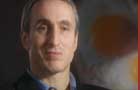
What can you say about a journalist who decided to take the health establishment head-on by challenging their premise that it is fat that makes you fat? When Gary Taubes wrote his now infamous "What if It's All Been a Big Fat Lie?" column back in 2002, I don't even think HE knew the kind of impact it would have on our culture at the time. So, naturally, when he released his long-awaited book Good Calories, Bad Calories in September 2007 continuing this same topic of conversation, it should be no surprise that the public interest in low-carb has once again spiked. And the ripple effects from this book alone will be felt for many years, maybe even decades, to come.
2. DR. JEFF VOLEK

I've met Dr. Jeff Volek in person twice and he wouldn't necessarily stand out in a crowd by his physical stature. But the low-carb researcher from The University of Connecticut more than makes up for it with his high-quality studies on the impact of a high-fat, low-carb diet on fitness and health. He's mentoring the low-carb researchers of tomorrow like the great Cassandra Forsythe while working on some excellent studies on the positive role of saturated fat in the diet. He recently co-wrote the book Men's Health TNT Diet and is actively involved in educating the public about exercise and the health benefits of low-carb living.
3. ADAM CAMPBELL

Speaking of the Men's Health TNT Diet, the other co-writer Adam Campbell is the outstanding Features editor for the #1 men's health magazine in America and what an incredible writer he is. He made national waves last November when he wrote a column taking the American Diabetes Association to task for promoting a diet for diabetics that is making them sicker. His solution? Livin' la vida low-carb! Adam also has an excellent blog called "The Fitness Insider" with regular low-carb friendly news and information that you won't want to miss.
4. DR. LARRY MCCLEARY

Earlier this year, I had never heard of Dr. Larry McCleary until he and I were introduced by our mutual friend Dr. Mike Eades. But from the first time I began corresponding with this man who is one of America's leading neurosurgeons, I knew he was someone very special. He released a book about how low-carb diets can improve brain health called The Brain Trust Program (which he was kind enough to ask me to write a blurb for the back of his book) and has been actively promoting livin' la vida low-carb for treating all sorts of brain ailments, including Alzheimer's, migraine headaches, and even brain cancer. Find out more about what Dr. Larry McCleary is up to at DrMcCleary.com.
5. DRS. MICHAEL & MARY DAN EADES
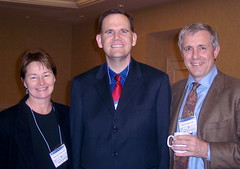
What more can you say about the king and queen of livin' la vida low-carb since the untimely death of the late great Dr. Robert C. Atkins. Even as all the other so-called leaders of low-carb living went into hiding, Drs. Mike & Mary Dan Eades who wrote the Protein Power books kept right on plugging away and have been for the past several years. That's one reason they are the ONLY three-time honoree on my annual movers & shakers list because they just keep the spirit of the low-carb lifestyle alive with all they do. Be sure to keep up with both Dr. Mike's always witty and sometimes eye-opening comments about the state of nutrition in modern times at his blog as well as the scrumptious recipes and food information with a creative flair Dr. Mary Dan give you at her blog. And don't miss checking out ProteinPower.com for even more about the work of this low-carb royalty.
6. DR. JONNY BOWDEN
How can anyone not like Dr. Jonny Bowden? The man exudes enthusiasm, excitement, and energy and he takes all of that, packs healthy nutritional messages it into a nice, neat package for people to understand, and then delivers a wallop of a punch right between the eyeballs for those who need to learn more about diet and health. Every low-carber should own a copy of his classic book Living The Low-Carb Life as well as his latest release 150 Healthiest Foods On Earth. Jonny has taken a more stealth approach to promoting livin' la vida low-carb and I can respect that because I know he still believes in this lifestyle at his very core. You can still hear those principles being taught in his motivating audio series. Get caught up on the latest from Dr. Jonny Bowden at JonnyBowden.com.
7. MICHAEL K.
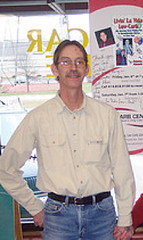
Unless you live the Milwaukee, Wisconsin area, you may not know who Michael K. is. But for the customers at the Low-Carb Central store there in Hales Corner, Michael was a very special man who helped positively impact the lives of the literally thousands of people who walked inside his store. I was even privileged to conduct a speaking appearance and book signing at Michael's store last year when I got to know this incredible man. It is with great sadness that this honor for Michael is happening posthumously because he went home to be with the Lord a couple of weeks ago. On behalf of all those people who were positively touched by the low-carb ministry of Michael K., I'd like to express sincere sympathy for his wife Marilyn during this difficult time. We are praying for you and love you very much. It was a blessing to have known Michael and shared even a few moments with him on this Earth.
8. JUDY BARNES BAKER
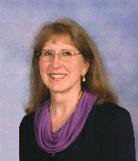
What a delightful woman Judy Barnes Baker is! When she decided to release a low-carb cookbook called CARB WARS earlier this year, I don't think even she realized it would become one of the bestselling low-carb cookbooks of the year. But that's exactly what has happened and I'm so proud of Judy. She too asked me to write a quote for the back of her book and I was happy to oblige. Don't miss her companion web site for her book for more recipes, low-carb information, and background on this super lady. Visit CarbWarsCookbook.com to catch up with all that's happening with this rising superstar in the wonderful world of low-carb.
9. DR. MARY C. VERNON
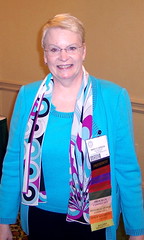
If ever there was the perfect illustration for passionate in the dictionary, then it would have to be Dr. Mary C. Vernon. As the current president of The American Society of Bariatric Physicians and on the front lines for the controlled-carbohydrate cause, Dr. Vernon has been a leader for those suffering from obesity and diabetes by helping them overcome their physical ailments. That's one of the reasons I nominated her for "Diabetes Educator of the Year" earlier this month because she has proven herself quite worthy. Being around Dr. Vernon is infectious and you can't help but get all excited about livin' la vida low-carb when she speaks about this incredible way of eating. Go to her "Ask Dr. Vernon" blog to find out why this back-to-back mover & shaker deserves this distinction.
10. LOW-CARB FRIENDS/ANTI-KIMKINS BLOGGERS

Finally, I couldn't let this list of the year's most influential movers & shakers go by without recognizing and honoring the impact of a collective group of people who helped bring awareness and concern about one of the biggest scams to ever hit the low-carb community. Yes, even I was pulled in by it and later apologized to my readers for not knowing better sooner. But the members of the online forum called Low-Carb Friends did. The "Why the Fascination with Kimmer?" thread is chock full of the day-to-day soap opera that has surrounded what has been known as the Kimkins diet since early in the year. The egregiousness of this starvation/anorexic diet that has since caused some major health problems for the most ardent supporter spawned a whole boatload of anti-Kimkins blogs. The most famous one of them all is Kimkins Exposed by someone or a group of people calling themselves Just Ducky. The duck avatar soon became synonymous with those who didn't want to see the good name of the low-carb lifestyle being drug down with this dangerous diet scheme from a woman named Heidi Kimberly Diaz, a weight loss fraud who never lost a pound and a well-known scam artist. The low-carb community owes Low-Carb Friends and the anti-Kimkins bloggers an appreciative THANKS for all the work they did to expose this before more people got hurt.
So that's my list of the Top 10 Low-Carb Movers & Shakers of 2007. What do you think? Are there any glaring exceptions I left off of my list who should have warranted further consideration for their contribution to the low-carb cause? Feel free to share your comments below and make the case for other honorees.
You can see the honorees from both 2005 and 2006 to get a small taste of this rather distinguished group of leaders on behalf of livin' la vida low-carb. It's never easy coming up with a list like this because you don't want to leave anyone off who is worthy of being listed. But you'll have your chance at the end of this post to share other noteworthy names for this list if you feel I have omitted any.
We owe a great deal of gratitude and respect for these people who are sincerely making a real difference both behind-the-scenes and working directly with those who need to hear the positive and uplifting message of the amazingly healthy low-carb lifestyle. These are the real heroes in the realm of low-carb in my book and I am ecstatic to share them with you today.
So, without further delay, here are my top ten low-carb movers & shakers of 2007:
1. GARY TAUBES
What can you say about a journalist who decided to take the health establishment head-on by challenging their premise that it is fat that makes you fat? When Gary Taubes wrote his now infamous "What if It's All Been a Big Fat Lie?" column back in 2002, I don't even think HE knew the kind of impact it would have on our culture at the time. So, naturally, when he released his long-awaited book Good Calories, Bad Calories in September 2007 continuing this same topic of conversation, it should be no surprise that the public interest in low-carb has once again spiked. And the ripple effects from this book alone will be felt for many years, maybe even decades, to come.
2. DR. JEFF VOLEK
I've met Dr. Jeff Volek in person twice and he wouldn't necessarily stand out in a crowd by his physical stature. But the low-carb researcher from The University of Connecticut more than makes up for it with his high-quality studies on the impact of a high-fat, low-carb diet on fitness and health. He's mentoring the low-carb researchers of tomorrow like the great Cassandra Forsythe while working on some excellent studies on the positive role of saturated fat in the diet. He recently co-wrote the book Men's Health TNT Diet and is actively involved in educating the public about exercise and the health benefits of low-carb living.
3. ADAM CAMPBELL
Speaking of the Men's Health TNT Diet, the other co-writer Adam Campbell is the outstanding Features editor for the #1 men's health magazine in America and what an incredible writer he is. He made national waves last November when he wrote a column taking the American Diabetes Association to task for promoting a diet for diabetics that is making them sicker. His solution? Livin' la vida low-carb! Adam also has an excellent blog called "The Fitness Insider" with regular low-carb friendly news and information that you won't want to miss.
4. DR. LARRY MCCLEARY
Earlier this year, I had never heard of Dr. Larry McCleary until he and I were introduced by our mutual friend Dr. Mike Eades. But from the first time I began corresponding with this man who is one of America's leading neurosurgeons, I knew he was someone very special. He released a book about how low-carb diets can improve brain health called The Brain Trust Program (which he was kind enough to ask me to write a blurb for the back of his book) and has been actively promoting livin' la vida low-carb for treating all sorts of brain ailments, including Alzheimer's, migraine headaches, and even brain cancer. Find out more about what Dr. Larry McCleary is up to at DrMcCleary.com.
5. DRS. MICHAEL & MARY DAN EADES
What more can you say about the king and queen of livin' la vida low-carb since the untimely death of the late great Dr. Robert C. Atkins. Even as all the other so-called leaders of low-carb living went into hiding, Drs. Mike & Mary Dan Eades who wrote the Protein Power books kept right on plugging away and have been for the past several years. That's one reason they are the ONLY three-time honoree on my annual movers & shakers list because they just keep the spirit of the low-carb lifestyle alive with all they do. Be sure to keep up with both Dr. Mike's always witty and sometimes eye-opening comments about the state of nutrition in modern times at his blog as well as the scrumptious recipes and food information with a creative flair Dr. Mary Dan give you at her blog. And don't miss checking out ProteinPower.com for even more about the work of this low-carb royalty.
6. DR. JONNY BOWDEN
How can anyone not like Dr. Jonny Bowden? The man exudes enthusiasm, excitement, and energy and he takes all of that, packs healthy nutritional messages it into a nice, neat package for people to understand, and then delivers a wallop of a punch right between the eyeballs for those who need to learn more about diet and health. Every low-carber should own a copy of his classic book Living The Low-Carb Life as well as his latest release 150 Healthiest Foods On Earth. Jonny has taken a more stealth approach to promoting livin' la vida low-carb and I can respect that because I know he still believes in this lifestyle at his very core. You can still hear those principles being taught in his motivating audio series. Get caught up on the latest from Dr. Jonny Bowden at JonnyBowden.com.
7. MICHAEL K.
Unless you live the Milwaukee, Wisconsin area, you may not know who Michael K. is. But for the customers at the Low-Carb Central store there in Hales Corner, Michael was a very special man who helped positively impact the lives of the literally thousands of people who walked inside his store. I was even privileged to conduct a speaking appearance and book signing at Michael's store last year when I got to know this incredible man. It is with great sadness that this honor for Michael is happening posthumously because he went home to be with the Lord a couple of weeks ago. On behalf of all those people who were positively touched by the low-carb ministry of Michael K., I'd like to express sincere sympathy for his wife Marilyn during this difficult time. We are praying for you and love you very much. It was a blessing to have known Michael and shared even a few moments with him on this Earth.
8. JUDY BARNES BAKER
What a delightful woman Judy Barnes Baker is! When she decided to release a low-carb cookbook called CARB WARS earlier this year, I don't think even she realized it would become one of the bestselling low-carb cookbooks of the year. But that's exactly what has happened and I'm so proud of Judy. She too asked me to write a quote for the back of her book and I was happy to oblige. Don't miss her companion web site for her book for more recipes, low-carb information, and background on this super lady. Visit CarbWarsCookbook.com to catch up with all that's happening with this rising superstar in the wonderful world of low-carb.
9. DR. MARY C. VERNON
If ever there was the perfect illustration for passionate in the dictionary, then it would have to be Dr. Mary C. Vernon. As the current president of The American Society of Bariatric Physicians and on the front lines for the controlled-carbohydrate cause, Dr. Vernon has been a leader for those suffering from obesity and diabetes by helping them overcome their physical ailments. That's one of the reasons I nominated her for "Diabetes Educator of the Year" earlier this month because she has proven herself quite worthy. Being around Dr. Vernon is infectious and you can't help but get all excited about livin' la vida low-carb when she speaks about this incredible way of eating. Go to her "Ask Dr. Vernon" blog to find out why this back-to-back mover & shaker deserves this distinction.
10. LOW-CARB FRIENDS/ANTI-KIMKINS BLOGGERS
Finally, I couldn't let this list of the year's most influential movers & shakers go by without recognizing and honoring the impact of a collective group of people who helped bring awareness and concern about one of the biggest scams to ever hit the low-carb community. Yes, even I was pulled in by it and later apologized to my readers for not knowing better sooner. But the members of the online forum called Low-Carb Friends did. The "Why the Fascination with Kimmer?" thread is chock full of the day-to-day soap opera that has surrounded what has been known as the Kimkins diet since early in the year. The egregiousness of this starvation/anorexic diet that has since caused some major health problems for the most ardent supporter spawned a whole boatload of anti-Kimkins blogs. The most famous one of them all is Kimkins Exposed by someone or a group of people calling themselves Just Ducky. The duck avatar soon became synonymous with those who didn't want to see the good name of the low-carb lifestyle being drug down with this dangerous diet scheme from a woman named Heidi Kimberly Diaz, a weight loss fraud who never lost a pound and a well-known scam artist. The low-carb community owes Low-Carb Friends and the anti-Kimkins bloggers an appreciative THANKS for all the work they did to expose this before more people got hurt.
So that's my list of the Top 10 Low-Carb Movers & Shakers of 2007. What do you think? Are there any glaring exceptions I left off of my list who should have warranted further consideration for their contribution to the low-carb cause? Feel free to share your comments below and make the case for other honorees.
Labels: Adam Campbell, Gary Taubes, Jeff Volek, Jonny Bowden, Judy Barnes Baker, Kimkins, Larry McCleary, low-carb, Low-Carb Friends, Mary Vernon, Mike Eades
posted by Jimmy Moore at
10/30/2007 06:01:00 PM
10 Comments