|
PLEASE UPDATE YOUR BOOKMARKS TO LIVINLAVIDALOWCARB.COM/BLOG
Attention Low-Carbers: USDA Now Taking Nominations For 2010 Dietary Guidelines Advisory Committee
There are some very exciting things happening behind-the-scenes in Washington, DC right now as it relates to the next USDA-recommended Food Pyramid and Dietary Guidelines set to be released in 2010. As I blogged about in December 2007, President George W. Bush named Cornell University psychologist Dr. Brian Wansink (author of the bestselling 2007 book Mindless Eating) to head up the U.S. Department of Agriculture's Center for Nutrition Policy & Promotion. I was greatly encouraged by this appointment of Dr. Wansink because he has been very open to the low-carb message being heard for people like me out there who need to "lose a lot of weight on a serious diet." In that blog post I wrote about his new leadership position over the 2010 nutritional recommendations, I was very hopeful and expectant that Dr. Wansink would continue to have those open lines of communication with the experts in the low-carb community to give their input about what should be included in the next updated Food Pyramid. "It should be thrilling to know that there will now be someone within the USDA who isn't antagonistic against livin' la vida low-carb," I wrote in that December 2007 post. "Hopefully this open line of communication between Dr. Wansink and the low-carb message will remain that way while discussing the 2010 dietary guidelines."So, imagine my delight when I saw this notice from the USDA (Note: this links to a PDF file download) requesting nominations for the new Dietary Guidelines Advisory Committee. Yes, that's right! They're taking nominations for who we think should be on that committee. This is open to any citizen of the United States to submit their choice(s) for who would be best qualified to serve in this capacity. Dr. Wansink's appointment is through January 20, 2009, so there is little time to waste. That's why the nominations will only be considered through May 24, 2008. In other words, time is of the essence here. If you care about seeing the low-carb nutritional approach represented on this dietary recommendations panel (and you undoubtedly do if you read my blog!), then the time for action on this is RIGHT NOW! And we need to spread the word to everyone we know to do the same. These new dietary guidelines are reviewed every five years and are supposed to reflect the latest research studies regarding diet and health to better inform the public about how to eat for managing their weight and health. The previous Food Pyramid in 2005 was an improvement upon the past ones, but was still sorely lacking any concept about the negative role of carbohydrate and the increasingly passive role of dietary fat, including saturated fat, in the American diet. We NEED people who understand this connection to be seated on this committee for the sake of the future health of the American people. The low-fat lie has dominated the official government dietary guidelines since its inception in 1980 and we need to make some crucial changes in this policy if we're gonna get serious about this issue before it is too late. Haven't we suffered with the high-carb, low-fat message long enough? Will we continue to put up with such blatant disregard for the overwhelming evidence and real-life changes that are happening thanks to the healthy low-carb lifestyle? I'M NOT! What is this committee actually gonna be doing? They will first look at the 2005 dietary guidelines and determine if any changes are necessary based on "a thorough evaluation of the most current scientific literature." If sufficient evidence is found to make changes, then new guidelines will begin being discussed by the Dietary Guidelines Advisory Committee in the Fall of 2008 through a series of two- or three-day meetings over a period of time. These meetings are open to the public as required by federal law. The Secretaries of Agriculture ( Ed Shafer) and Health and Human Services ( Mike Leavitt) will oversee the reports from this advisory committee which will be led by Dr. Wansink. So, naturally, he will want to surround himself with the best possible candidates for this vital public health policy position. But who qualifies? They are looking for people who are "knowledgeable of current scientific research in human nutrition and be respected and published experts in their fields." Additionally, according to the notice from the USDA, candidates for the advisory committee also need to be "familiar with the purpose, communication, and application of the Dietary Guidelines and have demonstrated interest in the public's health and well-being through their research and/or educational endeavors." Here are the specific areas of expertise they want to be represented on the panel: - Chronic Diseases such as obesity, Type 2 diabetes, and cancer - Energy Balance issues involving exercise - Epidemiology - Food Safety and Technology - General Medicine - Gerontology - Nutrient Bioavailability - Nutrition Biochemistry and Physiology - Nutrition Education - Pediatrics - Public Health - Evidence Review Methodology I can think of quite a few qualified people who meet and surpass this criteria required by the USDA to appear on the Dietary Guidelines Advisory Committee. I'm officially offering the following five names up for consideration to be nominated for this all-important position at the U.S. Department of Agriculture's Center for Nutrition Policy & Promotion: 1. Eric C. Westman, M.D., M.H.S from Duke University 2. Mary C. Vernon, M.D. from The University of Kansas 3. Richard D. Feinman, Ph.D. from SUNY Downstate 4. Stephen Phinney, M.D. from The University of California-Davis 5. Jeff S. Volek, Ph.D. from The University of Connecticut There are many more who fit the description of what the USDA is wanting for this distinguished panel, but any or all of these five individuals are more than qualified to offer all the evidence the committee wants about the low-carbohydrate nutritional approach and its impact on health. At the very least, we need a minimum of one of these low-carb experts to be placed on the Dietary Guidelines Advisory Committee. Here's what you need to do to nominate someone: - Write a letter of nomination stating the name and affiliation of the nominee, why that person deserves to be nominated for this position, and a statement that the nominee would indeed be willing to serve (I have spoken with each of these five individuals I am nominating and they are all willing to serve if selected) - Provide your name, address, and daytime telephone number along with the name, address, telephone number and e-mail address of the nominee (much of this information can be found at the links provided above--if you provide their name and the school they are located at, then that should be enough information for them to contact the nominee) - Share a copy of the nominee's curriculum vitae or resume (again, this information can be found at the links I provided above for each nominee) When you gather all of this information, simply e-mail it to DG2010Nominations@cnpp.usda.gov no later than Saturday, May 24, 2008. You can also submit nominations via snail mail to Carole Davis, Nutrition Promotion Staff Director, Co-Executive Secretary Guidelines Advisory Committee, Center for Nutrition Policy and Promotion, U.S. Department of Agriculture, 3101 Park Center Drive, Room 1034, Alexandria, VA 22302. Or you can also fax your nomination to (703) 305-3300. If you have any questions about this process, simply call (703) 305-7600. If you need any additional information about these candidates after you nominate them, then please don't hesitate to e-mail me and I'll be happy to get what you need. We all need to do this for the sake of our nation's future health policy. Don't put it off thinking there will be others nominating--MAKE YOUR VOICE HEARD LOUD AND CLEAR! We NEED to get a low-carb expert on this panel, so our unified voice behind these nominees will go a long way! By the way, I am attempting to arrange a podcast interview with Dr. Brian Wansink and he has been in contact with me about this. Hopefully I will be able to conduct this interview soon and put a bug in his ear about having a low-carb researcher/practitioner serve on the Dietary Guidelines Advisory Committee. You just don't know how HUGE it would be to have a Westman, Vernon, Feinman, Phinney, or Volek on this committee--these are the people in the low-carb research world who are making the rest of the scientific community stand up and pay attention to the high-fat, low-carb diet again. Won't you do your part to nominate them TODAY? THANK YOU!!! Labels: Brian Wansink, Center For Nutrition Policy and Promotion, dietary guidelines, Eric Westman, Food Pyramid, Jeff Volek, low-carb, Mary Vernon, research, Richard Feinman, Stephen Phinney, USDA
Is Ketosis Necessary On A Low-Carb Diet? Let's Ask The Experts!
One of the most asked about aspects of livin' la vida low-carb has got to the issue of ketosis. There is so much misinformation about there about this very natural state that the body goes through when you are on a low-carb diet (primarily confusing it with a serious condition that diabetics must be careful of called ketoacidosis--NOT the same as ketosis). As such, there may be confusion that lingers out there among my readers who are just learning about this way of eating. In this recent blog post where I provided some "quickie one-liner" responses to some e-mails, I made the following statement: Being in ketosis is like being pregnant--you either are or you're not; regardless of what the Ketosticks show you, if you are eating less than 30g carbohydrates a day, then you ARE in ketosis.One of my readers named Charles Fred decided to respond to my statement which he disagreed with and it gets to the very heart of this issue about ketosis. Here's what he wrote: Your statement reflects today's informed opinion, but my article in work, Unified Physiology of the Metabolic Syndrome, has given me an unusual perspective which for the sake of brevity I'll state dogmatically.
Ketosis need not and should not be part of low-carb eating. Low-carb diets should never be labeled as ketogenic diets. Ketosis appears to be an Induction phase of low-carb eating, but in fact it is a last ditch response to inadequate glucose. As such it is either temporary or avoidable.
Low-carb eating is the evolution-derived diet of humans (unlike other primates). Humans are carnivores, hunters, because human evolution happened pre-fire and pre-agriculture when very few carbs were edible. For carnivores, gluconeogenesis in the liver supplies all necessary glucose.
But if someone abruptly switches from high carbs to very low carbs, gluconeogenesis will be inadequate to supply enough glucose - causing weakness, dizziness and ketosis.
Well if gluconeogenesis is supposed to be adequate, why does it fail? When you eat carbs they are stored as glucose (glycogen) in your glucose fuel tank - your liver. When you manufacture glucose from protein via gluconeogenesis it is stored in that same fuel tank, intermingled with those dietary carbs.
Enzymes, including gluconeogenic enzymes, are expressed only as needed. If your glucose storage is kept full by dietary carbs, expression of gluconeogenic enzymes is reduced. Eventually your gluconeogenic machinery becomes atrophied, inadequate to supply 100% of your glucose requirements.
So, contrary to usual practice, the proper way of switching from high-carb to low-carb is to gradually reduce dietary carbs over the course of about a month, inciting gradual rebuilding of gluconeogenic machinery. Then all those Induction woes which convince many that low-carb is not for them are avoided - as is ketosis. Did you get all that? You'll recall I've explained gluconeogenesis before and it's a beautiful metabolic process that allows your body to make its own carbs (glucose) for the body's needs from the protein you consume through the liver. So, therefore, there isn't a real need for dietary carbohydrate at all. But Mr. Fred believes eating too few carbohydrates to the point that your body is in a state of ketosis is harmful to your body and that a more gradual progression to lower and lower levels of carbohydrate is needed to keep the body from going through the "shock" of what many describe as the Induction flu. As someone who has gone through this experience and appreciated the benefits of making that "sudden" change, I could not disagree with him more. What do the low-carb experts have to say, though? I decided to pose this theory put forth by Mr. Fred to several of America's most respected low-carb diet authorities and have them respond: JACQUELINE EBERSTEIN, RNNot everyone who suddenly moves from a high-carb intake to Induction will get symptoms. Many make the transition very easily. My educated guess is that at least 50% make the transition easily. Others have only mild symptoms. A few have more severe symptoms that can be managed. I think the transition would be easier for more people if they read the book completely so they know what to expect and how to deal with symptoms.
After years in clinical practice I have only had a few patients that required a slow transition because of such severe symptoms. The Induction phase is important especially to those with a severe carb addiction. It is the fastest way to stabilize the blood sugar, control hunger and cravings and improve many diet related symptoms quickly. It is amazing how many people feel better once they are in ketosis by the 4th or 5th day.
Secondly, the mindset of the dieter is they want progress ASAP to stay motivated especially when having to give up some of their favorite foods. Induction provides that. By slowly lowering carbs many will give up too soon and miss the opportunity to find out how effective low-carb can be.
For people with severe health risks, rebalancing the body with a very low-carb intake can lead to rapid improvements in blood sugar, blood pressure, triglycerides and high insulin levels. Until insulin levels improve some of the other benefits of low-carb can't happen. I have seen many severely disordered insulin and blood sugar results that would take far too long to improve with even 60 or 70 grams of carbs.
Just as one diet does not fit all, one level of carb restriction does not fit all. We are all different. The level of carb intake needs to be the level that works for each person based on what we know about them. Dr. Atkins didn't always start in the Induction phase--some people didn't need it, yet many did and would not have been as successful without it.
Unfortunately, many are still stuck in the mindset that having ketones from fat burning is abnormal and undesirable. We know it is not. Dr. Veech, an NIH researcher, agrees that the negatives about dietary ketosis are misunderstood. REGINA WILSHIREHumans are omnivores--able to survive as carnivore, but thrives as omnivore.
Gluconeogenesis isn't solely a metabolic process induced by carbohydrate restriction; it is a normal homeostatic process to maintain blood glucose, so even those consuming a high carbohydrate diet will utilize it as needed (usually when engaged in high levels of activity or during the period of sleep).
The idea that if you don't use it, you lose it, is an incomplete view--yes the enzymes will be made in lesser amounts if one doesn't rely on gluconeogenesis to fully supply glucose, but to claim "atrophy" sets in is a bit over the top.
Some people do find this approach to be a gentler way to restrict carbohydrate--slowly lowering their intake over a period of time; others do better just going "cold turkey" and reducing carbohydrate below 40g. Both reach the same endpoint--persistent state ketosis and utilization of gluconeogenesis. The idea that one will not induce ketosis (burning fat) doing the former is physiologically not possible--if your carbohydrate is below a particular threshold, you're going to make ketone bodies.
The result of reducing carbohydrate slowly isn't a lack of ketone bodies being produced, but less of them wasted, thus the less likelihood a person will register ketosis on Ketostix. Those who restrict carbohydrate below 40g initially make more ketone bodies than necessary, so they "spill" the excess in urine, saliva and sweat. But someone reducing carbohydrate slowly is also making ketones--just less likely to be spilling excess ketones.
With time the person who reduced carbohydrate below 40g and stays there will also begin to not see any measurable ketones on the Ketostix as they get more efficient at making ketones for energy. There is less wasted ketones, thus less to see on the sticks, as time passes. But, if one is keeping carbohydrate below 40g, they're burning fat for their primary energy source, which means they are making ketones whether they register on the sticks or not.DR. ERIC WESTMANIn most medical terminology, "osis" implies "the abnormal condition of"--like onychomycosis means "abnormal nail fungus," halitosis means "bad breath." Perhaps this is one reason why people unfamiliar with low carb approaches jump to the conclusion that "ketosis" is harmful. If you have no insulin in your body, as in Type 1 diabetes, a potentially life-threatening condition called diabetic "ketoacidosis" can occur. My Duke colleague Will Yancy published a paper looking at the pH in the blood of people on two diets (low-carb vs. low-fat) and did not find low blood pH ("acidosis"), but because the blood bicarbonate was lowered below the normal range we called it a "compensated metabolic acidosis." Another published study by Brehm showed the average level of blood ketones goes down over time.
In our clinic, some people always have ketones in the urine, others never do, other fluctuate back and forth. Dr. Atkins used the phrase "benign dietary ketosis" in his books. I have wondered if it would be better to say: "ketosis without acidosis" or "ketonuria" instead of "ketosis." "Ketonemia", which means "ketones in the blood"
"ketonuria", which means "ketones in the urine."
I don't agree with Charles Fred's point of view. You can see why there might be confusion. If you said "if you are eating less than 20g of carb per day then you are burning fat, or in the fat burning zone, or the 'ketone zone'--apologies to Barry Sears and the Zone Diet--rather than "in ketosis," then this might be technically more correct.DR. JEFF VOLEK This does not make a lot of sense to me. Ketone production and utilization and
ultimately blood and urine levels vary along a continuum. So to suggest it is an
absolute yes or no is not accurate. There is also a diurnal variation and many
other factors that influence their metabolism other than diet (e.g., exercise).
There is also a lot of individual variation in regards to the level of
carbohydrate restriction required to see significant accumulation of ketones. So
I don't see it as black and white.
Gluconeogenesis is more than adequate to supply obligatory glucose needs. How
else would you explain the aboriginal hunting and fishing cultures (e.g., Inuit
of the Arctic and First Nations groups in Canada) who survived for millennia
with little if any identifiable dietary carbohydrate intake? I guess I'm not quite understanding the point of it all.DR. RICHARD FEINMANThere is a continuum of ketosis. In fact, one of the features of ketone bodies is that, unlike other fuels, glucose and fatty acids, they can be present in plasma over a wide range of concentrations. What is true is that Ketostix measure ketonuria which may or may not give you an accurate view of plasma ketone bodies. If ketone bodies are used as fast as they are made, you may never see ketosis. Also, I personally think there may be more aspecs of normal ketone body metabolism than we know about now. There is the idea, for example that glial cells may supply ketones as fuel for neurons:
Guzman M, Blazquez C. Ketone body synthesis in the brain: possible neuroprotective effects. Prostaglandins Leukot Essent Fatty Acids 2004;70(3):287-92.
Ketone bodies make an important contribution to brain energy production and biosynthetic processes when glucose becomes scarce. Although it is generally assumed that the liver supplies the brain with ketone bodies, recent evidence shows that cultured astrocytes are also ketogenic cells. These findings support the notion that ketone bodies produced by astrocytes may be used in situ as substrates for neuronal metabolism, and raise the possibility that astrocyte ketogenesis is a neuroprotective pathway.
This theory from Mr. Fred seems to assume that ketosis is somehow foreign or not part of normal metabolism. It is true that it may take some time to adapt to it but there is no reason to assume that it is inherently undesirable. Human evolution probably had a lot of starvation. The function of ketone bodies is to keep gluconeogenesis from having to supply all necessary glucose because it can be a drain on body protein.
I don't think gluconeogenesis fails. There is just some period of adaptation. If there is evidence for Mr. Fred's theory, then I would be interested. Practically, it may feel better to adapt to low-carb slowly--I think it depends on how much carbs you start out with--but the idea you can be on very low-carb and not be in ketosis has to be tested. I personally doubt it but I don't know.
Ketone body production is under the control of many factors: glucose, insulin, fatty acids, level of oxidative metabolism, etc. I think there is also a time factor. Many people eat one meal a day, are quite happy with it and they may be in ketosis at some point during the day. So, it may be useful for some people to get into low-carb slowly but I don't react well when somebody tells me didactically the proper way to eat. "Proper" usually means the way they do it. CASSANDRA FORSYTHE I don't agree with this man at all. Your body still produces ketones from all the extra dietary fat, and it gets better at doing that and using the ketones as time goes on. In our work at the University of Connecticut, with three months of following a weight loss ketogenic diet all subjects had a decline in urinary ketones over time even though they were eating the same foods and had the same caloric restriction.
What's happening is that the body is getting better at taking up the ketones--maybe ketone receptor unregulation. Also, they all still had ketones in their blood after three months and this was higher than baseline and much higher than those following a low-fat diet. Your body does not have enough metabolic machinery to produce enough of it's own glucose to support all organs (i.e. your heart).
Yes, it's true gluconeogenesis goes up, but most organs don't use it anyway. That's why blood glucose tends to drift up over time.Now that the experts have weighed in on Charles Fred's hypothesis, why not share YOUR thoughts based on your own experience following a low-carb diet. Did you ease into livin' la vida low-carb and have excellent results doing it that way? Or did you do like most of us did, myself included, and go from a high-carb to a low-carb diet overnight? Did you see measurable results doing it that way despite having some temporary unpleasantness? Share your thoughts in the comments section below. Special thanks to all the experts I quoted in this post for sharing their knowledge about this subject of ketosis. On behalf of me and my readers, THANKS SO MUCH! :) Labels: Cassandra Forsythe, Charles Fred, Eric Westman, gluconeogenesis, Induction, Jackie Eberstein, Jeff Volek, ketoacidosis, ketones, ketosis, regina wilshire, Richard Feinman
Study: Low-Carb Lowers, Low-Fat Diet Increases Inflammation, Saturated Fat In The Blood
 Dr. Jeff Volek says controlling insulin is vital to blood lipids A little over two years ago, I shared with you this study on the connection between metabolic syndrome and livin' la vida low-carb. The researchers were Dr. Jeff Volek from the University of Connecticut and Dr. Richard Feinman from SUNY Downstate Medical Center in Brooklyn, NY and they were absolutely fascinated by the rather obvious intertwining of a natural dietary approach like low-carb improving virtually every single area of metabolic syndrome (a precursor to diabetes, heart disease and stroke), including obesity, high triglycerides, low HDL "good" cholesterol, high blood sugar, hypertension and insulin resistance. Now there is brand new research from these same two researchers with something quite startling regarding a comparison between a low-fat and a low-carb diet as it relates to inflammation and saturated fat in the bloodstream. Lead researcher Dr. Jeff S. Volek, PhD, RD from the Department of Kinesiology at the University of Connecticut and his team of outstanding researchers (including Dr. Feinman, Dr. Stephen Phinney, and the soon-to-be Dr. Cassandra Forsythe, among others) tested the various components of metabolic syndrome comparing a carbohydrate-restricted diet with a low-fat diet in overweight men and women over a 12-week period. The study participants were split into one of two groups: VLCKD (very low-carb ketogenic diet)--1504 calories Fat/Protein/Carbohydrate ratio of 59/28/12 OR LFD (low-fat diet)--1478 calories Fat/Protein/Carbohydrate ration of 24/20/56 What did Dr. Volek and his team of researchers find? Total saturated fatty acids in the blood actually DECREASED in the VLCKD group while the anti-inflammatory markers also "significantly decreased." Meanwhile, the LFD group, which consumed two-thirds less saturated fat than the VLCKD group, saw an INCREASE in total saturated fat in the bloodstream despite reducing fat intake. This was totally unexpected as the conventional wisdom regarding saturated fat consumption is that it causes an increase in inflammation which leads to a worsening of the metabolic syndrome conditions and overall health. But that's not what happened. "A very low carbohydrate diet resulted in profound alterations in fatty acid composition and reduced inflammation compared to a low fat diet," the researchers concluded.This study was published in the November 29, 2007 issue of the scientific journal Lipids. So what are we to make of this research in light of all we've ever been told about saturated fat? Doctors and nutritionists have long told their patients with metabolic syndrome symptoms to eat a low-fat diet and now science like this one is showing the shortsightedness of this unproven recommendation. Livin' la vida low-carb is making great strides behind-the-scenes because it is an excellent way to reduce triglycerides and other essential health markers related to inflammation. Dr. Volek says this new study shows how a controlled-carbohydrate nutritional approach is "adding to the evolving picture of improvement in general health beyond simple weight loss in keeping blood glucose and insulin under control." And he believes this hyperinsulinemia is the root cause behind obesity, diabetes, and a whole host of other preventable diseases that all improve with the use of a low-carb diet. Interestingly, the Volek study in Lipids is only a small portion of a much larger study currently under peer review. The full study shows even more improvements in blood lipids (cholesterol) with the stunning conclusion that "lowering total and saturated fat only had a small effect on circulating inflammatory markers whereas reducing carbohydrate led to considerably greater reductions in a number of pro-inflammatory" markers. Dr. Volek says this puts the onus of health risks back on the consumption of carbohydrates. "These data implicate dietary carbohydrate rather than fat as a more significant nutritional factor contributing to inflammatory processes," he stated.Meanwhile, Richard Feinman, PhD from the biochemistry department at SUNY Downstate Medical Center says this new research demonstrably shows why carb-restricted diets work so remarkably well. "The real importance of diets that lower carbohydrate content is that they are grounded in mechanism: carbohydrates stimulate insulin secretion which biases fat metabolism towards storage rather than oxidation," Dr. Feinman explained. "The inflammation results open a new aspect of the problem. From a practical standpoint, continued demonstrations that carbohydrate restriction is more beneficial than low fat could be good news to those wishing to forestall or manage the diseases associated with metabolic syndrome."Most damning against the low-fat diet hypothesis is the fact that although there was a three-fold higher saturated fat consumption by the VLCKD group, it was the LFD group that experienced higher saturated fat in the blood. Counterintuitive? You betcha! "This clearly shows the limitations of the idea that ‘you are what you eat,'" Dr. Volek explained. "Metabolism plays a big role. You are what your body does with what you eat."I like that--YOU ARE WHAT YOUR BODY DOES WITH WHAT YOU EAT! And that's why I'm livin' la vida low-carb because I have all the confidence in the world with what my body will do with the low-carb foods I consume. Controlled blood sugar and insulin levels, reduced triglycerides, lower blood pressure, increased HDL "good" cholesterol, and so much more than I could have ever expected from a high-fat, low-carb diet. It's hard not to appreciate something like this when your life has been so radically changed for the better. Now the research is showing us why. Dr. Feinman succinctly repeated and summarized what I blogged about in this previous post regarding saturated fat consumption on the low-carb lifestyle in the following statement about this new study. "I think even if you allow for tremendous error, it says that if carbs are low, saturated fat doesn't have much effect on the plasma composition," he remarked.And that is why I don't worry about how much saturated fat I consume as long as my carbs are reduced. Now we have the science to back us up! You can share your appreciation to Dr. Jeff Volek for his fantastic research by e-mailing him at jeff.volek@uconn.edu as well as Dr. Richard Feinman at rfeinman@downstate.edu. Labels: Cassandra Forsythe, inflammation, insulin, Jeff Volek, lipids, low-carb, low-fat, metabolic syndrome, research, Richard Feinman, saturated fat, study
7 Red-Hot Reads To Awaken The Low-Carb Fire That Burns Within
 Seven super sizzling columns to light up your low-carb fire again There's so much positive news I've seen about livin' la vida low-carb lately in the blogosphere and even in the mainstream news lately that I can barely get to it all. So rather than hoarding all of it to myself and trying to blog about it when I can, I thought I'd share the following columns and posts with you today. These will absolutely get your fire lit again for low-carb living if you feel it has fizzled a bit. I have no doubt you're gonna LOVE these! ENJOY! 1. "For Guys Who Need To Lose 100 Pounds" SOURCE: Mr. Low Body Fat's BlogI just love Muata, the author of the blog Mr. Low Body Fat. This is the incredible transformational story of a man who took up the challenge of not just losing weight but quite literally changing his life forever. In the process he lost over 100 pounds and went from a chunky man into one with a six-pack. I have nothing but deep respect for what he has accomplished and I HIGHLY recommend you read his blog! He wrote a column designed specifically for men who want or need to shed triple digits. Since that is something I have a little bit of experience with (*smile*), I was intrigued by what Muata had to say. And I was NOT disappointed. In fact, much of it echoed many of the same themes I have blogged about here-- setting many small goals along the way, making the way you eat a long-term permanent and healthy lifestyle change, don't worry about loose skin following weight loss, and so much more! Whether you've got more than 100 pounds to lose or not, you'll learn a lot from Muata's experience. 2. "5 Reasons You're Not Losing Weight"SOURCE: MSN Health & Fitness PageOne of my readers was so excited when she saw this column because she felt it was about time the low-carb message reached such a major media outlet as MSN. Of course, when I clicked on the link and saw the authors were University of Connecticut low-carb researcher Dr. Jeff Volek and Men's Health Features editor Adam Campbell, authors of the fabulous new low-carb fitness book Men's Health TNT Diet, a great big smile came on my face. I knew the column was gonna be outstanding. And it is! Get a load of the five reasons you're not losing weight: You're Following Bad Advice, You Eat Fat-Free Foods, You (Still) Don't Eat Breakfast, You're Eating Too Much Sugar, and You Don't Lift Weights. This is one column you'll probably want to print out, tape up to the wall, and read often. Volek and Campbell are 100% right with what they share in this article and I think you'll agree with much of what they say. 3. "Saturated Fat Is Your New Friend"SOURCE: Male Pattern Fitness BlogDo you read Lou Schuler's Male Pattern Fitness Blog? Well, why the heck not? Lou is one of the minority of voices out there who espouses the basic principles of livin' la vida low-carb in a very entertaining and "daily news" type of format. He's like a talk show host going over the health news of the day and adding in his own one-of-a-kind commentary. This post he wrote about saturated fat is absolutely, positively fabulous! As a former writer for Men's Health magazine, Lou is stunned that they would even dare run a positive story on the role of saturated fat in a healthy diet (which I'll be highlighting next). As a low-carber, he realizes the paradigm shift is happening right before our eyes and is excited about the prospects for the future. 4. "What If Bad Fat Is Actually Good For You?"SOURCE: Men's Health MagazineHere's that Men's Health column that has Lou Schuler all excited. It was written by Nina Teicholz and is quite a detailed look at how saturated fat became so vilified in the United States and around the world. The story is especially damning of Ancel Keys for starting this anti-saturated fat movement without having any real evidence to back up his claims that it is unhealthy. A brand new 12-week study cited in the story conducted by Dr. Volek on the impact of saturated fat on overweight men and women was astonishing (although not to people who understand how low-carb diets work)! The low-carbers ate 36g saturated fat a day--THREE TIMES the amount of the low-fat dieters--but they saw their small, dense LDL cholesterol particles (the VERY dangerous ones for heart health) DECREASE, their triglycerides drop by MORE THAN HALF, and their HDL/LDL ratio improved more than those on the low-fat diet. Print this one out, too, and wave it at those people who tell you that saturated fat you're eating on your low-carb lifestyle will kill you. WRONG! 5. "Low-Fat vs. Low-Carb: Time for a Truce in the Diet Wars?"SOURCE: Male Pattern Fitness BlogOne more post from Lou Schuler's blog was worth mentioning. He looks at the ongoing debate between low-fat and low-carb diet advocates and wonders if there is any room for common ground. In fact, Lou cites this blog post I wrote following my interview with Dr. Dean Ornish last year (and was aired on my podcast show recently) outlining 20 shared beliefs between the two sides. You gotta love the way Lou just tells it like it is: "Cut the crap out of your diet, exercise, and you'll probably hit a good, healthy weight relative to your genetics. If you need more intervention than that, go with more protein and less carbohydrate. The first data set I used, the one about total calories produced in the U.S., showed that about 13 percent of the calories we have access to come from protein. About 51 percent come from carbohydrates. If you double the protein and cut the carbs in half, good things will happen. If that's still not enough, go low-carb."Don't miss a single blog post from Lou Schuler again! Bookmark the Male Pattern Fitness Blog TODAY! 6. "Stop Blaming Saturated Fat"SOURCE: Men's Health MagazineWe go back to Men's Health Magazine again for a joint column from Dr. Volek and Adam Campbell to see further evidence why saturated fat is not the great evil it has been made out to be. If you're looking for the VERY LATEST research on why saturated fat is GOOD FOR YOU, then READ THIS ARTICLE!!! Here are the key findings: Saturated fat is beneficial because it raises your HDL "good" cholesterol, there's no evidence from prior research that saturated fat leads to heart disease, saturated fat intake has gone down in the past three decades while obesity and heart disease have been on the rise, saturated fat is NOT harmful when you simultaneously reduce the carbohydrate in your diet, and an increase in consumption of saturated fat on a low-carb diet actually leads to a DECREASE in the amount of saturated fat in the bloodstream compared with a low-fat diet. Cutting edge research and you heard it here first! 7. "Curbing The Carbs"SOURCE: The Ottawa CitizenFinally, we head north to our friends in Canada for a superb story written by Mike Sornberger from The Ottawa Citizen about the continuing importance of livin' la vida low-carb STILL happening in the year 2007 despite the fact that the "low-carb diet craze" is long gone. The article quotes Stanford University professor Dr. Christopher Garder who authored this JAMA study that found Atkins was best among the diets earlier this year and is in general very favorable coverage for low-carb living that you should find interesting. It describes the unique role of insulin in weight gain and health decline--something New York Times science journalist Gary Taubes who wrote the 2007 blockbuster health book Good Calories, Bad Calories has repeated quite often based on his own look at the research. Those will keep you busy a while, so check 'em out and tell me what you think. The low-carb lifestyle is DEFINITELY seeing a comeback and it's good to know these kind of stories are getting out there in the mainstream. Regardless of what the negative naysayers toward livin' la vida low-carb have to say about our healthy way of eating, this is our chosen method for not just losing weight but also maintaining our weight and health for the rest of our long and prosperous life! And we wouldn't have it any other way. Have you seen some positive news in the media about low-carb that I may have missed? If so, then feel free to e-mail me a link to the story anytime at livinlowcarbman@charter.net. Mark my words, you're gonna see a dramatic change in the coverage towards livin' la vida low-carb real soon as a whole lot more research keeps confirming what we already know--this way of eating optimal for shedding the pounds and improving your health. Labels: Adam Campbell, fat, Gary Taubes, Jeff Volek, Lou Schuler, low-carb, low-fat, magazine, Male Pattern Fitness, Men's Health, Mr. Low Body Fat, Nina Teicholz, positive, saturated fat
Top 10 Low-Carb Movers & Shakers Of 2007
It has been an ongoing "Livin' La Vida Low-Carb" blog tradition since I started blogging in 2005 for me to share with my readers the ten most influential members of the low-carb community over the past twelve months. This list is totally subjective and is based on my own personal opinion about the people who have made a difference for the sake of the low-carb lifestyle. You can see the honorees from both 2005 and 2006 to get a small taste of this rather distinguished group of leaders on behalf of livin' la vida low-carb. It's never easy coming up with a list like this because you don't want to leave anyone off who is worthy of being listed. But you'll have your chance at the end of this post to share other noteworthy names for this list if you feel I have omitted any. We owe a great deal of gratitude and respect for these people who are sincerely making a real difference both behind-the-scenes and working directly with those who need to hear the positive and uplifting message of the amazingly healthy low-carb lifestyle. These are the real heroes in the realm of low-carb in my book and I am ecstatic to share them with you today. So, without further delay, here are my top ten low-carb movers & shakers of 2007: 1. GARY TAUBES What can you say about a journalist who decided to take the health establishment head-on by challenging their premise that it is fat that makes you fat? When Gary Taubes wrote his now infamous "What if It's All Been a Big Fat Lie?" column back in 2002, I don't even think HE knew the kind of impact it would have on our culture at the time. So, naturally, when he released his long-awaited book Good Calories, Bad Calories in September 2007 continuing this same topic of conversation, it should be no surprise that the public interest in low-carb has once again spiked. And the ripple effects from this book alone will be felt for many years, maybe even decades, to come. 2. DR. JEFF VOLEK I've met Dr. Jeff Volek in person twice and he wouldn't necessarily stand out in a crowd by his physical stature. But the low-carb researcher from The University of Connecticut more than makes up for it with his high-quality studies on the impact of a high-fat, low-carb diet on fitness and health. He's mentoring the low-carb researchers of tomorrow like the great Cassandra Forsythe while working on some excellent studies on the positive role of saturated fat in the diet. He recently co-wrote the book Men's Health TNT Diet and is actively involved in educating the public about exercise and the health benefits of low-carb living. 3. ADAM CAMPBELL Speaking of the Men's Health TNT Diet, the other co-writer Adam Campbell is the outstanding Features editor for the #1 men's health magazine in America and what an incredible writer he is. He made national waves last November when he wrote a column taking the American Diabetes Association to task for promoting a diet for diabetics that is making them sicker. His solution? Livin' la vida low-carb! Adam also has an excellent blog called "The Fitness Insider" with regular low-carb friendly news and information that you won't want to miss. 4. DR. LARRY MCCLEARY Earlier this year, I had never heard of Dr. Larry McCleary until he and I were introduced by our mutual friend Dr. Mike Eades. But from the first time I began corresponding with this man who is one of America's leading neurosurgeons, I knew he was someone very special. He released a book about how low-carb diets can improve brain health called The Brain Trust Program (which he was kind enough to ask me to write a blurb for the back of his book) and has been actively promoting livin' la vida low-carb for treating all sorts of brain ailments, including Alzheimer's, migraine headaches, and even brain cancer. Find out more about what Dr. Larry McCleary is up to at DrMcCleary.com. 5. DRS. MICHAEL & MARY DAN EADES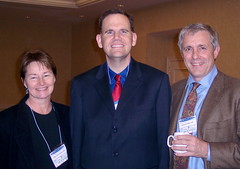 What more can you say about the king and queen of livin' la vida low-carb since the untimely death of the late great Dr. Robert C. Atkins. Even as all the other so-called leaders of low-carb living went into hiding, Drs. Mike & Mary Dan Eades who wrote the Protein Power books kept right on plugging away and have been for the past several years. That's one reason they are the ONLY three-time honoree on my annual movers & shakers list because they just keep the spirit of the low-carb lifestyle alive with all they do. Be sure to keep up with both Dr. Mike's always witty and sometimes eye-opening comments about the state of nutrition in modern times at his blog as well as the scrumptious recipes and food information with a creative flair Dr. Mary Dan give you at her blog. And don't miss checking out ProteinPower.com for even more about the work of this low-carb royalty. 6. DR. JONNY BOWDEN How can anyone not like Dr. Jonny Bowden? The man exudes enthusiasm, excitement, and energy and he takes all of that, packs healthy nutritional messages it into a nice, neat package for people to understand, and then delivers a wallop of a punch right between the eyeballs for those who need to learn more about diet and health. Every low-carber should own a copy of his classic book Living The Low-Carb Life as well as his latest release 150 Healthiest Foods On Earth. Jonny has taken a more stealth approach to promoting livin' la vida low-carb and I can respect that because I know he still believes in this lifestyle at his very core. You can still hear those principles being taught in his motivating audio series. Get caught up on the latest from Dr. Jonny Bowden at JonnyBowden.com. 7. MICHAEL K. Unless you live the Milwaukee, Wisconsin area, you may not know who Michael K. is. But for the customers at the Low-Carb Central store there in Hales Corner, Michael was a very special man who helped positively impact the lives of the literally thousands of people who walked inside his store. I was even privileged to conduct a speaking appearance and book signing at Michael's store last year when I got to know this incredible man. It is with great sadness that this honor for Michael is happening posthumously because he went home to be with the Lord a couple of weeks ago. On behalf of all those people who were positively touched by the low-carb ministry of Michael K., I'd like to express sincere sympathy for his wife Marilyn during this difficult time. We are praying for you and love you very much. It was a blessing to have known Michael and shared even a few moments with him on this Earth. 8. JUDY BARNES BAKER What a delightful woman Judy Barnes Baker is! When she decided to release a low-carb cookbook called CARB WARS earlier this year, I don't think even she realized it would become one of the bestselling low-carb cookbooks of the year. But that's exactly what has happened and I'm so proud of Judy. She too asked me to write a quote for the back of her book and I was happy to oblige. Don't miss her companion web site for her book for more recipes, low-carb information, and background on this super lady. Visit CarbWarsCookbook.com to catch up with all that's happening with this rising superstar in the wonderful world of low-carb. 9. DR. MARY C. VERNON If ever there was the perfect illustration for passionate in the dictionary, then it would have to be Dr. Mary C. Vernon. As the current president of The American Society of Bariatric Physicians and on the front lines for the controlled-carbohydrate cause, Dr. Vernon has been a leader for those suffering from obesity and diabetes by helping them overcome their physical ailments. That's one of the reasons I nominated her for "Diabetes Educator of the Year" earlier this month because she has proven herself quite worthy. Being around Dr. Vernon is infectious and you can't help but get all excited about livin' la vida low-carb when she speaks about this incredible way of eating. Go to her "Ask Dr. Vernon" blog to find out why this back-to-back mover & shaker deserves this distinction. 10. LOW-CARB FRIENDS/ANTI-KIMKINS BLOGGERS  Finally, I couldn't let this list of the year's most influential movers & shakers go by without recognizing and honoring the impact of a collective group of people who helped bring awareness and concern about one of the biggest scams to ever hit the low-carb community. Yes, even I was pulled in by it and later apologized to my readers for not knowing better sooner. But the members of the online forum called Low-Carb Friends did. The "Why the Fascination with Kimmer?" thread is chock full of the day-to-day soap opera that has surrounded what has been known as the Kimkins diet since early in the year. The egregiousness of this starvation/anorexic diet that has since caused some major health problems for the most ardent supporter spawned a whole boatload of anti-Kimkins blogs. The most famous one of them all is Kimkins Exposed by someone or a group of people calling themselves Just Ducky. The duck avatar soon became synonymous with those who didn't want to see the good name of the low-carb lifestyle being drug down with this dangerous diet scheme from a woman named Heidi Kimberly Diaz, a weight loss fraud who never lost a pound and a well-known scam artist. The low-carb community owes Low-Carb Friends and the anti-Kimkins bloggers an appreciative THANKS for all the work they did to expose this before more people got hurt. So that's my list of the Top 10 Low-Carb Movers & Shakers of 2007. What do you think? Are there any glaring exceptions I left off of my list who should have warranted further consideration for their contribution to the low-carb cause? Feel free to share your comments below and make the case for other honorees. Labels: Adam Campbell, Gary Taubes, Jeff Volek, Jonny Bowden, Judy Barnes Baker, Kimkins, Larry McCleary, low-carb, Low-Carb Friends, Mary Vernon, Mike Eades
Campbell: People Aren't Just Eating Too Much, They're Eating 'Too Many Carbohydrates'
 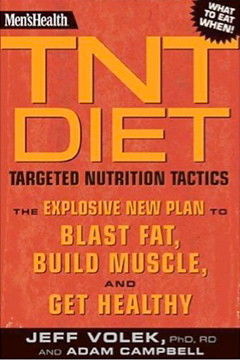  Adam Campbell and Dr. Jeff Volek team up for new low-carb fitness book The number of influential members of the health media today who believe in the efficacy of livin' la vida low-carb is ridiculously small in comparison to those who still subscribe to the same old failed high-carb, low-fat diet. That's one of the reasons I chose to start my blog and other media outlets because there is a noticeable vacuum in this medium that is begging to be filled. It's rather sad that we have supposedly intelligent people purporting to know their stuff as it relates to diet, health, and fitness, but yet they hold on so tightly to an archaic belief. Isn't there ANYONE in the major health media who thinks on his own and has been watching all of the evidence in favor of low-carb diets come out over these past few years? Yes there is! Enter Adam Campbell. Adam individually stands out among his peers because he is unafraid and unashamed of shining the light of truth on the nutritional ruse that has been happening right in front of us for decades and quite frankly he is as sick of it as those of us in the low-carb community are. Writing for Men's Health magazine isn't a bad gig! Today we are thrilled to have Adam here for an interview to talk about the low-carb lifestyle and why it deserves to have more attention paid to it for the sake of weight, health, and fitness. With his third book he co-wrote with respected low-carb researcher Dr. Jeff Volek on the way, you'll get some exclusive sneak preview quotes from this "explosive" (sorry for the pun!) new addition to your low-carb library! Adam Campbell is certainly one to keep an eye on as livin' la vida low-carb becomes more and more accepted by our culture. And it is my estimation that he may very well be one of the reasons why it will happen sooner rather than later. Enjoy hearing from this young, energetic, and knowledgeable man of conviction today as he talks about living healthy--the low-carb way. 1. I am pleased to welcome to the "Livin' La Vida Low-Carb" blog today author, journalist, and the Features editor for Men's Health magazine, Adam Campbell. He has had the opportunity to work in the research lab while earning his master's degree in exercise physiology from the University of Kansas and took part in studies about energy balance and human performance as it relates to athletes and overweight people. Today he is one of the foremost voices in the world of nutrition and fitness with his unique role at Men's Health. After discovering Adam was a supporter of low-carb, I can't help but ask the question, "How'd you manage to get on staff at such a powerhouse health publication like Men's Health?"I got lucky. I was planning to get my Ph.D. in exercise physiology at the University of Kansas, and pursue a career in research. But for some reason, it didn't feel quite right. (Perhaps it was the tens of thousands of dollars in school loans it was going to cost to me.) So I opted out during the semester I was completing my Master’s degree. A week later, I was scanning the National Strength and Conditioning Association’s career site, and noticed that Men's Health had posted a job for a reporter. I applied—I have a bachelor's degree in English—and somehow survived the interview process. Keep in mind, I was 29 at the time—and starting at the bottom rung of a new field. 2. Congratulations on your success so far in your writing career at Men's Health and I'm sure it will continue on for many years to come. Yours is a voice that is sorely needed in the health debate. Speaking of that, what an amazing column you wrote late last year about the failures of the American Diabetes Association (ADA) which garnered your fair share of criticism from them.
But you didn't back down from your thesis that a low-carb diet could very well be the cure diabetics have been looking for because you had the scientific and anecdotal support from people like Dr. Mary C. Vernon to support everything you wrote. Tell us why you felt compelled to address that controversial topic.The main reason is that the current recommendations don't make a lot of sense. Why would you tell someone who can't tolerate carbohydrates—at least not without medication—to make them the foundation of their diet? It seemed that the ADA should at least present the alternatives to doctors and patients. Instead, they push diabetics to consume the same diet that you might recommend to an elite endurance athlete. Bottom line: I was frustrated. I know you and your readers can certainly identify. 3. Absolutely! I understand you are currently putting those stellar writing talents of yours to work on your third book in collaboration with low-carb researcher Dr. Jeff Volek from the University of Connecticut. What's the book called, when will it be available, what's it about, and why do low-carbers and people interested in health and fitness need to pay attention to it when it comes out?The book is called Men's Health TNT Diet: The Explosive New Plan to Blast Fat, Build Muscle, and Get Healthy in 12 Weeks. TNT, or Targeted Nutrition Tactics, is just what it sounds like: specific nutrition (and exercise) strategies that enable you to reach your body composition goals as fast as possible. Essentially, it's what you should eat, and when you should eat it. Not surprisingly, a low-carb diet is the foundation of TNT, since that's one of Jeff's primary research interests. It'll be available October 2nd from Rodale books. In fact, you might call it an evolution of the classic low-carb diet, since it not only includes an exercise program, but also teaches you how to eat around your workout in order to optimize your results. While we provide several different eating plans in the book, our goal was to help readers understand the basic principles of why our strategy works. That way, they can tweak the diet for their lifestyle and goals. For instance, we talk a lot about glycogen in the book. Here's a quick exclusive excerpt for your readers: "Glycogen is the name for carbohydrates that are stored in your muscles. An easy way to understand glycogen is to picture it as a storage tank for sugar, the form of carbohydrate your body uses for fuel. So just as you have fat stores, you also have sugar stores. However, unlike your fat stores, which are able to expand (read: you can get fatter and fatter), your glycogen tank has a limited capacity to store sugar. For instance, think of your car: If you own a midsize, you probably have about a 14-gallon fuel tank. Try to fill it with 20 gallons, though, and the other six would spill out onto the pavement. It's the same way with sugar and your glycogen tank.
And therein lies the problem: A full glycogen tank signals your body to use incoming carbohydrates for energy instead of your stored fat. Otherwise, your glycogen tank will overflow. As a result, your body not only stops burning fat, it starts conserving it—just in case of starvation. This is one of the main reasons for America’s growing obesity problem. Because most people’s diets are excessively high in carbohydrates, their glycogen levels are always at peak capacity. In turn, their bodies won’t allow them to use their stored fat for energy.
What’s more, there are also serious health ramifications to perpetually high glycogen levels. When excess carbohydrates from your diet can’t be stored as sugar in your glycogen tank, the overflow causes sugar to build up in your blood stream. The result: Chronically high blood sugar, which can damage the large blood vessels of your heart and brain, and the small vessels of your kidneys and eyes. As a consequence, your body starts shuttling the overflow of sugar to your liver, where it’s then converted to a blood fat known as triglycerides. If you’ve ever had blood work done, you might recognize triglycerides as one of the measurements that your doctor ordered.
And for good reason: Elevated triglycerides are a risk factor for heart disease, and an early predictor of future diabetes. To make matters even worse, once sugar becomes triglycerides, or fat, it can be stored as fat. Ever been told carbs can’t make you fat? Think again.Remember, this isn't to suggest that you can't eat carbohydrates without getting fat. It's to show what happens when you overeat carbohydrates, which most people are doing. For instance, if you look at dietary intake in the US over the last three decades from the Nutrition Examination Surveys (NHANES), you'll notice an interesting pattern. In men, average daily energy intake during the early 1970s was 2450 calories. But by the year 2000, that number had increased to 2618. An even greater increase in calories was seen in women. Where did these extra calories come from? According to the NHANES data it was almost exclusively derived from carbohydrates. Interestingly, there were minuscule changes in the intake of protein and fat. (In fact, fat intake decreased in men.) So sure, people are eating too much. But they’re eating too many carbohydrates, not too much protein and fat. And that's a glaring problem with the government’s nutrition recommendations—one that's seemingly being ignored. 4. Fitness is obviously one of your passions as you run an outstanding blog for Men's Health called "The Fitness Insider." You are an NSCA Certified Strength and Conditioning Specialist, so you have an extensive book knowledge about how and why humans need exercise. But in the real world, most people can't seem to muster up the energy and commit themselves to a regular exercise routine. What advice can you share from your own experiences to help those who are reluctant to start their own fitness schedule? Also, is there an ideal mix of cardiovascular and resistance training that people should know about?First, let’s talk about the commitment issue. I'm reminded of an interesting study that I wrote about in this story: In June of this year, researchers at Leeds Metropolitan University, in the United Kingdom, released findings of a new study that looked at how exercise affects job performance. It worked like this: They asked 210 workers to provide feedback on their job-related duties and time management, on a day when they participated in an exercise program and again on a day when they did no exercise. They simply reported observations of their own behavior based on a 7-point scale. For example, they were asked to rate their ability to work without stopping for unscheduled breaks, and how effectively they were able to stick to their "to-do" lists. They also provided details about their workloads and exercise sessions. When the results were tallied, even the researchers were surprised.
Workers scored 15 percent higher in their ability to meet both time and output demands on the day they exercised. "What we found staggered us, and we were left wondering what companies might do otherwise to produce these 15 percent improvements," says Jim McKenna, Ph.D., the lead researcher.
Now consider for a moment what these numbers mean to you: On days when you exercise, you can -- theoretically, at least -- accomplish in an 8-hour day what normally would take you 9 hours and 25 minutes. Or you'd still work 9 hours, but get more done, leaving you feeling less stressed and happier with your job, another perk that McKenna says the workers reported. Obviously, the responses that led to these results were subjective. But it's hard to deny that perception is reality when it comes to job satisfaction. And a 15 percent boost in productivity might just give you a case for a similar boost in pay.
Besides showing how Hillman's laboratory findings are expressed in the real world, this study may also explain why busy men who regularly exercise are able to fit cardio into their schedules, while equally busy men who don't exercise claim they don't have the time. Arkansas governor Mike Huckabee can relate to both sides of the story. In June 2003, he was sedentary and weighed 280 pounds; he now runs marathons and weighs 170.
"I've never found time to exercise," he says. "I make time."
Consider him a poster boy for what cardio can do for a man who's already good at his job. Huckabee, ever the conscientious politician, wants to be clear: He didn't have a problem keeping his schedule or accomplishing tasks before he started running. And it's true; this guy became governor in 1996 -- 7 years before he initiated his exercise program -- and was reelected twice along the way. It's just that he's even better now.
"I'm more creative, because I have mental energy. When I finish running several miles, it's like my mind is running on overdrive," he says. And, he adds, "It's made a dramatic difference in my ability to focus."The only way to discover this yourself is to give it a try. But one of the big mistakes people make is to try to do too much in the beginning. Just get started—even if it's only 10 minutes for 3 days a week. The reality is that the less trained you are, the less you have to do to see a benefit. Of course, while you can improve strength or endurance quite quickly, it still takes time to see visible results. This is where people often get frustrated. So it takes some patience. In the TNT Diet, Jeff and I have this passage: "A training program is only effective if you actually have time to follow-through with it. For instance, consider that U.K. researchers recently determined that men who lifted weights three days a week for 5 weeks increased muscle size by about 0.2 percent per day. Sure, this amount of growth is unnoticeable from day to day. But imagine how dramatic the cumulative effect would be were you to work all your major muscle groups three days a week, 52 weeks a year. This is called consistency, and it's the true key to achieving the most success possible on any exercise program.If you work out 3 days a week, 52 weeks a year, you'll like the results. But few people make it beyond a month. Which is interesting because almost everyone will tell you they feel better—even great—after exercising. I guess our memories are pretty short. One way to combat this lack of motivation is to make a deal with yourself: On days you don't want to work out, force yourself to complete all of the sets of your first exercise. If you want to call it a day after that, then feel free to hit the showers. However, much of the time, you'll find your mood has changed and you'll be motivated to complete your entire session. It seems the process of simply getting started—going to the gym, changing clothes, etc.—is our biggest obstacle. As far as an ideal mix of exercise, that depends on your goals. If you're following a smart diet (ahem, TNT, ahem), then resistance training is going to make the best use of your time for fat loss. While everyone thinks that aerobic exercise is the best choice for this goal, we recommend weight training. Here's another bit from our book to help explain why: You've Been Told: “Running is the best way to lose weight.”
The Origin: In 1977, Jim Fixx published The Complete Book of Running. This bestselling book popularized the notion of running to improve health and lose weight, and is widely credited with kicking off the jogging boom of the 1980s. Furthermore, most exercise scientists during this time were recreational or competitive runners themselves. As a result, running and other types of endurance activities were the type of exercise that was most often studied, particularly in terms of health benefits (and there are many).
And because these researchers reported that running burns a lot more calories than weight training—while requiring nothing but a pair of functional legs—the majority of experts began to widely promote it as the best mode of exercise for fat loss. However, they didn’t—and still don’t—have the data to support that assertion.
What Science Shows: First, it’s important to point out that engaging in a regular running program—or any kind of exercise for that matter—without also adopting a prudent diet is a very inefficient way to lose weight. After all, a typical fast food double-decker cheeseburger and large fries contain more than 1100 calories—a meal most red-blooded American men can wolf down in less than 5 minutes. However, to burn that many calories, the average guy would have to run for 53 minutes at an 8:30 per mile pace. Which is why your diet has a greater impact on total weight loss than exercise.
As we’ve already discussed, though, it's not simply weight loss that’s important—it’s the quality of your weight loss that matters most. That is, the amount of your weight loss that’s pure fat—since that’s what really counts. Perhaps surprisingly, endurance exercise—such as running, cycling, or walking—does little to further augment fat loss when combined with a good diet. Weight training, however, has a dramatic impact. Consider a study we conducted back in 1999. We put overweight men on a diet that was approximately 1500 calories a day, and then divided them into either a diet only group, a diet group that also performed endurance exercise, or a diet group that performed both endurance exercise and weight training.
After three months, each of the groups had lost almost the same amount of weight—about 21 pounds. But the quality of their weight loss was much different. The men in the weight-training group lost five pounds more fat than the other two groups. You might wonder how that’s possible when they all dropped the same amount of weight. The answer is that the men who dieted or dieted and performed only endurance exercise lost about 15 pounds of fat, but also lost several pounds of muscle. Those who lifted weights lost almost pure fat.
You see, weight training is a powerful tool when it comes to fat loss. Because it stimulates your muscles to grow, your body is less apt to part with your hard-earned muscle. This is crucial because the more muscle you have, the bigger your body’s fat-burning furnace. What’s more, if you lose muscle, you not only reduce your ability to burn fat, your glycogen tank becomes smaller. (Remember, most of your glycogen is located in your muscles.) So you have less room to store carbohydrates, increasing the likelihood that they’ll be converted to fat in your liver. Endurance exercise provides none of these benefits.
But what about the fact that running burns more calories than weight training? Turns out, when scientists at the University of Southern Maine used an advanced method to estimate energy expenditure during exercise, they found that weight training burns as many as 71 percent more calories than originally thought. In fact, the researchers calculated that performing just one circuit of eight exercises—which takes about 8 minutes—can expend 159 to 231 calories. That’s about the same as running at a 6-minute mile pace for the same duration. And just as important, research shows that weight training—unlike endurance exercise—can elevate your metabolism for up to 39 hours after your workout session.As for overall health, adding a short interval training session after your weight workout or on the days in between is the most efficient way to boost your aerobic fitness, while burning even more fat than a slow to medium jog. A lot of people become intimidated at the idea of intervals, which are short, high-intensity “sprints” interspersed with periods where you either rest completely or simply slow down. They shouldn’t be. For those who are “out of shape,” these sprints could be fast walk. It’s all relative to what’s intense for you. The best part of intervals is that they’re time-saving: You can do more physical work in less time than classic forms of cardio. That said, if you really like running, by all means keep at it, as any activity that you enjoy is a great one to do. And there are certainly main health benefits to be achieved with regular aerobic exercise. 5. I recently interviewed a good friend of yours, the soon-to-be Dr. Cassandra Forsythe. Her work alongside Dr. Volek has been crucial in understanding the metabolic mechanisms that make the low-carb diet work extremely well for weight loss, normalized blood sugars, and many other health benefits. The impetus for her involvement in low-carb was a personal one--she's carb sensitive! How about you? What made Adam Campbell interested in livin' la vida low-carb?In my 20s, before I went to grad school, I was working as a commodities trader at the Mercantile Exchange in Chicago. (I was really putting that English degree to good use!) Because the market I worked was only open from 8:30 to 3:15 (in those days, markets didn’t trade around the clock like they do now), I had a lot of time on my hands. So I spent it working out and going out—as in eating and drinking. While I could tell I was putting on muscle from my gym work, I couldn’t figure out why I still had a gut. A smart friend suggested it was a nutrition problem (surprise!). So I hit the local B&N and picked up a copy of The Zone Diet by Dr. Barry Sears, which had just hit the bestseller list. At the time, I didn’t know the difference between a carbohydrate and a fat. So this was really the start of my nutrition education. I dedicated myself to Dr. Sears’ eating plan, and was quickly amazed at the changes in my physique—and the way I felt. I continued to follow a Zone-friendly diet until I went to grad school about three years later. There, I enrolled in my first nutrition class, and soon found out that much of what Dr. Sears said was wrong! I’m being facetious here, of course. But the point is that my formal nutrition education contradicted what I learned from The Zone. So I was constantly pondering this question: Was Dr. Sears “wrong,” or was it my college instructors and textbooks? Remember, this was when The Zone was still somewhat controversial, and the Atkins Diet wasn’t even being studied. In fact, Atkins was considered a health hazard, even more so than it is now (and typically by people who’ve never read the book). In 2000, I started my career at Men’s Health. I hadn’t fully bought into everything I had been taught in college, but there was definitely some “brainwashing.” That’s when I started corresponding with Jeff Volek, and immersed myself in nutrition studies and books, which included re-reading the textbooks from grad school with a more discerning eye. The rest is just the logical progression of 7 years of continuing education. 6. As you have noted in your own education, we live in a society that worships the low-fat diet as the gospel truth. They have so demonized fat, especially saturated fat, that people are quite literally scared to death of it despite all the research showing the health benefits of fat consumption. What can be done to reverse the fat phobia that exists and how can we convince those same people that sugar and refined carbohydrates are very likely the culprit in their weight and health problems?I’m not sure it will change anytime soon. Researchers like Jeff Volek, Richard Feinman, Eric Westman, Steve Phinney, Jay Wortman, and Ron Krauss are certainly providing the ammunition to blow away the saturated fat dogma, but it’s so heavily ingrained that it’s only people who have an open mind who will get it. People like you, Mike and Mary Dan Eades, Regina Wilshire, Gary Taubes, and Nina Teicholz (look for an article about saturated fat from her in the November issue of Men's Health) are obviously raising awareness, though. I really think the key is that people have to figure it out for themselves. It’s very hard to convince someone of the merits of a low-carb lifestyle if he or she has already decided that it’s unhealthy or impractical. All you can really do is present the science. Of course, when faced with research that shows low-carb diets are better at lowering heart disease risk factors than low-fat diets, health “experts” always counter with the same argument: They simply point out that there isn’t any long-term data from experimental studies to support a low-carb recommendation. The reality, though, is that this type of research doesn’t exist for low-fat diets either. 7. Low-carb supporters can sometimes feel like lonely wanderers in a harsh and cruel world treating us as outcasts for our nutritional choice. Do you see anything monumental happening in the next few months and years that will serve to rekindle the fire in the low-carb community?I think (and hope) that Gary Taubes’ (Good Calories, Bad Calories) book will help. But ultimately, these transitions are slow. One well-known scientist told me that he thinks it will be another 20 years before we see a paradigm shift. That might sound pessimistic, but you could think of it this way: We live in a society where people are going to eat poorly no matter what the recommendations. And while those who choose not to eat poorly might not adopt a low-carb approach, they’ll ultimately find a diet that emphasizes whole foods, and discourages those that are highly processed or contain lots of added sugars. That’s a strategy that just about everyone promotes. As an example, a nutrition expert I really respect, Alan Aragon, has said—and I’m paraphrasing here—you should eat as many carbs as you can tolerate. So if carbs aren’t a problem for you—you’re lean, you don’t overeat, you have plenty of energy, you sleep well, your blood work is good—who are we to tell you that you should cut back on them? Maybe you don’t need to. But if you’re experiencing some of the negatives that can be associated with a higher carb diet—like high blood pressure, high triglycerides, or one of the other symptoms mentioned above—you may want to reconsider. Some people can tolerate lots of carbs, others can tolerate very few. For instance, a 245-pound bodybuilder who has 8 percent body fat can often handle a lot—they have bigger glycogen tanks due to their muscle mass, and also perform high amounts of physical activity. However, a 45-year old guy who’s packing 25 pounds of excess belly-fat and sits at a desk all day probably can’t. So your lifestyle and body type can make a major difference. 8. THANK YOU so much for sharing your thoughts and wisdom with us today, Adam. It's nice to know there are people like Adam Campbell out there working on our behalf in the public forum sharing about livin' la vida low-carb in a non-threatening, yet assertive manner. I know it can't be easy being labeled a contrarian for not buying into the low-fat lie, but you are doing it! Is there anything else you would like to share with my readers to encourage and edify them to continue on with their low-carb way of life?Don’t let anyone tell you what the right diet for you is. No one knows. In the TNT Diet, we encourage people to get blood work done before you start the diet, so that you have a baseline measurement. This way, you can see for yourself what’s happening to markers for heart disease risk, in addition to what happens in the mirror. Just as important, you need to start monitoring how you feel when experimenting with a diet. We go into this in some detail in our book, but I discuss it in this blog post. These are important factors to look at, but almost no one does this. They’re typically only interested in what happens on the scale. Interestingly, we’ve seen such great results from some people on our plan that the scale actually becomes deceiving. Here’s an example from the book: 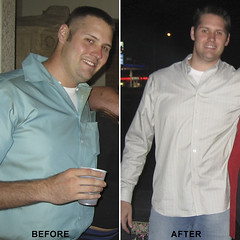 He only lost 7 pounds, but look at the amazing difference!“I had to keep tightening my belt.”
Name: Lucas Hutchinson
Age: 25
Height: 6’4”
Weight before: 250
Weight after: 243
If you were to judge Lucas Hutchinson’s results by the numbers on the scale, you wouldn’t be too impressed. After all, in 12 weeks on the TNT Diet and Exercise Plan, he lost only 7 pounds of body weight.
But remember, it’s body composition that matters. And by that standard, Lucas made one of the most dramatic transformations we’ve seen in any of our studies. That’s because he lost 19 pounds of fat, while packing on 12 pounds of muscle.
In fact, his results were so amazing that we double and triple-checked the readings to be sure they were correct. Not that we should have been that surprised: The change in his body was obvious. And not just to us: “In the first month, I noticed that my pants were fitting a little looser. As the study progressed, I had to keep tightening my belt, and it felt great every time I did it.”
Lucas added more muscle—a pound a week—than anyone in our studies to date. And although we can’t tell you exactly why—hey, everyone responds a little differently—we do know that he made a point to enjoy the meal plan. “The best part of the diet by far is the fat. I was able to use as much as I wanted, and it always made my meals taste better,” says Lucas. There’s an important lesson here: By not fearing fat, and eating all the calories that he desired, he allowed the TNT Diet and Exercise Plan to work its magic—diverting nutrients away from the fat depots that surround his belly, and toward the muscles of his chest, back, and legs.
What about his health? Judge for yourself. Lucas’ total cholesterol fell 17 percent and his triglycerides dropped an astounding 58 percent. On top of it all, there was another benefit: “I slept better and had more energy when I woke up,” he says.People, well, guys mostly, always say they want to lose fat and build muscle, but when it actually happens, they can become frustrated because the scale doesn’t move faster. Sometimes that’s actually a good thing! (Thankfully, Lucas had the advantage of being in one of Jeff’s studies—so his body composition changes were measured using DEXA, the most sensitive technology available for tracking changes in body fat and muscle mass.) Find more of Adam Campbell's thoughts about fitness and nutrition at his "The Fitness Insider" blog which will feature brand new posts starting Monday, September 10, 2007. And go ahead and PRE-ORDER YOUR COPY OF The TNT Diet today! Labels: Adam Campbell, blog, carbohydrates, diet, fitness, health, interview, Jeff Volek, Jimmy Moore, low-carb, magazine, Men's Health, nutrition, The Fitness Insider, The TNT Diet
Wanted: Failed Female Low-Fat Dieters
 Author Cassandra Forsythe wants YOUR failed low-fat diet stories Do you remember my interview with Cassandra Forsythe, a PhD Fellow at the University of Connecticut working with low-carb diet researcher Dr. Jeff Volek, earlier this year? Well, she is busy working on writing a book that will contain stories of women who have failed on a low-fat diet. With a book deadline looming at the end of this month, Forsythe has put out the call for females to answer this question-- "Has A Low-Fat Diet Failed You?". "I'm looking for a few testimonials from women that have tried a very-low fat diet and found that it failed them," Forsythe inquired at her blog. "If this is you, I'd love to include your story."Cassandra is passionate about women's nutrition and fitness, so this book is gonna be top-notch! She is a rising star working behind the scenes in the low-carb research community and I encourage you to share your low-fat failures with her. "Just let me know what happened to you when you followed the diet," Forsythe stated. "Did you gain weight? Did you become depressed? Did you crave peanut butter?"If you can testify about how awful the low-fat diet was for you, then e-mail Cassandra Forsythe ASAP at cassforsythe@gmail.com. Be sure to tell Cassandra hey for me, okay? THANKS for supporting Cassandra's new book! Labels: Cassandra Forsythe, diet, Jeff Volek, low-carb, low-fat
Study: High-Carb, Low-Fat Diet Ineffective For People With High Insulin Levels
When I was in Nashville, Tennessee earlier this month for the American Society of Bariatric Physicians obesity conference, there was a presentation made by researcher Dr. Jeff Volek from the University of Connecticut who said we've had it all wrong for years about dealing with obesity. He said we have long been focused on obesity itself as a problem rather than a symptom which is why the high-carb, low-fat diet has failed to put a dent in the rising rates of people who are overweight and obese. Instead, Dr. Volek said the primary focus should be on dealing with hyperinsulinemia (excessive production of insulin) to treat obesity and the resulting illnesses that come from that. Dr. Volek made a brilliant point and now this MSN Health column points to a brand new study that basically confirms that thesis exactly. Lead researcher Dr. Cara B. Ebbeling (who I previously blogged about her study on teenagers and sugary drink consumption), assistant professor of Pediatrics at Harvard Medical School and the co-director of obesity research at the Boston, MA-based Children's Hospital, and her research team observed 73 obese adults between the ages of 18-35 for a six-month intervention period followed by one year of follow-up. The purpose of the study was to look at insulin production in the study participants and how dietary changes would impact it. The researchers basically wanted to know why a low-fat diet works for some, but doesn't necessarily work for everyone. Dr. Ebbeling said conventional wisdom always had an answer for this. "The usual explanation is that some people are more motivated than others," she noted.However, the results of her research found that it goes much deeper than mere willpower and is actually tied to controlling insulin secretion levels with a specific kind of diet (hmmm, I wonder what it could be?). The study participants were split in half and put on one of two protein-neutral diets with varying fat/protein/carbohydrate ratios: HIGH-CARB/LOW-FAT DIET--20/25/55 LOWER-CARB/MODERATE-FAT DIET-35/25/40 (I only wish Dr. Ebbeling would have also thrown in a genuinely LOW-CARB/HIGH-FAT DIET along the lines of the Atkins nutritional approach in there for her study to see how a third group eating a 60/25/15 diet would have performed as well as a VERY LOW-CARB/VERY HIGH-FAT DIET with a ratio of 70/25/5 just to see the difference. Why don't these researchers want to see these diets matched up with the higher-carb ones? But I digress!) The study began by measuring each study participant's insulin levels 30 minutes after being administered 75 grams of glucose and tracked their progress at 6, 12, and 18 months. So, what were the results? Interestingly, the difference in weight loss between the two groups was identical, which matches what most studies have found in recent years comparing low-fat to low-carb diets. But...(here's the kicker!) Study participants with "above-average insulin levels" actually LOST FIVE TIMES MORE WEIGHT on the LOWER-CARB/MODERATE-FAT DIET after 18 months (12.8 pounds) compared with the HIGH-CARB/LOW-FAT DIET (2.6). In fact, the body fat percentage comparison was equally impressive--down 2.6 percent vs down .9 percent, respectively. WOW, now that was quite a difference! It wasn't just good for their weight loss, though. The LOWER-CARB/MODERATE-FAT DIET group also improved their HDL "good" cholesterol as well as lowering triglycerides better than the HIGH-CARB/LOW-FAT DIET group. However, LDL cholesterol improvements were better on the HIGH-CARB/LOW-FAT DIET (something previous research has confirmed time and time again). The conclusion of the researchers is that people who struggle to lose weight on a traditional low-fat diet may want to start livin' la vida low-carb to better manage their weight and health. Well, HALLELUJAH! I've been touting that message from day one here at my blog because it has always been my contention that a low-fat diet has monopolized dietary recommendations by our government and the so-called health "experts" for far too long. Dr. Ebelling's study now adds even more fuel to the fire of my argument that both low-fat and low-carb should be recommended alongside each other as equally healthy ways to deal with obesity and health problems. Why are we still BEGGING for this to happen when the science is clearly showing what has been obvious all along? The results of Dr. Ebelling's study appear in the May 16, 2007 issue of the Journal of the American Medical Association. I wonder how many people even realize they may have hyperinsulinemia these days. Most people probably wouldn't have a clue what that means which is why diabetes has become such an epidemic along with obesity. If we can help people control their insulin production, something livin' la vida low-carb has shown to do time and time again, then perhaps we can reduce obesity and diabetes. But it is going to take a serious movement to move the mountains of complacency that have built up for decades. I challenge groups like the American Heart Association (AHA) and the American Diabetes Association (ADA) to look at studies like this one and defend their current positions on a healthy diet. The same goes for the United States Department of Agriculture (USDA) and the Food & Drug Administration (FDA). I suppose you'd like to see people like Jimmy Moore just go away, but you're not getting off that easy. Why don't you have me come up on Capitol Hill before Congress and share what livin' la vida low-carb has done to change my life for the better, hmmm? I'd be there lickety-split! That is, if you think you can handle the truth! Labels: Atkins, Cara Ebbeling, diet, hyperinsulinemia, insulin, Jeff Volek, low-carb, low-fat, weight loss
|


