|
PLEASE UPDATE YOUR BOOKMARKS TO LIVINLAVIDALOWCARB.COM/BLOG
'Livin' La Vida Low-Carb Show' Episode 153: Atkins Diet Expert Jackie Eberstein (Part 2)
 Jackie Eberstein answers YOUR questions about the Atkins diet If you missed Part 1 of my podcast interview with Jackie Eberstein, then you really need to go back and take a listen. She is the foremost authority on the Atkins nutritional approach today having worked alongside the late great Dr. Robert C. Atkins for nearly 30 years and continues extending his legendary low-carb legacy at her fabulous "Controlled Carbohydrate Nutrition" web site long after his death. Jackie is a real asset to the low-carb community and I am thrilled to have had the chance to share just a few short moments of her with you this week. In Episode 153 of "The Livin' La Vida Low-Carb Show with Jimmy Moore," we pick up with Part 2 of my interview with Jackie and she continues answering questions from readers and listeners about the Atkins low-carb lifestyle. When you've been around patients for as long as Jackie has seeing many of them going through all the ups and the downs that come from any weight loss and health experience, you get a sense for how to help people when they run into difficulty during their own low-carb journey. She hopes through this podcast interview that people will be encouraged to know that they are doing something positive for the sake of their long-term health by being on Atkins. Click on the "LISTEN NOW" link below or download it to your iPod to hear Episode 153:  "The Livin' La Vida Low-Carb Show with Jimmy Moore" Episode 153 [31:17m]: LISTEN NOW | DownloadJackie Eberstein gets into the nitty gritty of Atkins low-carb living in today's portion of the interview talking about inflammation, the criticisms of low-carb, the perfect way to combat metabolic syndrome, her work with Dr. Jay Wortman and filmmaker Mary Bissell on the low-carb documentary called My Big Fat Diet, and what she is doing on her web site as well as The Veronica Atkins Foundation web site to share the TRUTH about what the Atkins diet is REALLY all about. If you have never been to Jackie's site, then you have to look at her responses to the Atkins myths, her recap of what the Atkins lifestyle is all about, and stay up-to-date on all the latest low-carb research. This is the kind of information that has unfortunately been removed from the Atkins Nutritionals web site in recent years, so Jackie is helping to restore this information for the benefit of those people looking for reliable information about this healthy way of eating. Go back and listen to interviews like Jackie Eberstein anytime by: 1. Listening at the official web site2. Calling (818) 688-2763 to listen via Podlinez3. Subscribing to the RSS feed 4. Going to iTunes-- Click here to subscribe! Jackie Eberstein is one of the most intriguing podcast interview subjects I've ever had on my show and I'm glad you were able to hear from this amazing woman with so much knowledge about the Atkins diet. In fact, she's agreed to come back as a regular guest to answer your questions for her about the Atkins low-carb approach. Go ahead and start sending me your questions via voicemail by calling (206) 202-6516 or by e-mail at livinlowcarbman@charter.net. Then we’ll have Jackie answer them in an future podcast. Here's your opportunity to have ANY question about livin' la vida low-carb answered by a REAL expert. What did you think about my interview with Jackie Eberstein? Did what she say make sense to you and were you helped at all by the things she shared? Tell us what you thought about it in the show notes section of Episode 153. Be sure to check out her "Controlled Carbohydrate Nutrition" web site as well as the book she co-wrote with Dr. Mary C. Vernon entitled Atkins' Diabetes Revolution to learn more about the work Jackie is doing to further the Atkins low-carb message to the masses. And if you'd like to meet her in person, then go sign up for The 2nd Annual Low-Carb Cruise coming up in January 2009. Jackie will be there along with Dr. Jonny Bowden, Dr. Eric Westman, low-carb recipe author Dana Carpender, and many others (yep, I'm going too!). :D Don't you dare miss next week's podcast interviews with Cassandra Forsythe, author of Women's Health Perfect Body Diet on Monday and the "Diet Detective" Charles Stuart Platkin on Thursday. You're gonna enjoy these and I've got plenty more coming in July, including Christin Sherburne talking about life after being the Kimkins cover girl of Woman's World magazine one year later, Dana Carpender, Dr. Jonny Bowden, Colette Heimowitz from Atkins Nutritionals to talk about the changes happening there, and my follow-up interview with Dr. Keith Berkowitz answering your questions about reactive hypoglycemia. THANKS so much for listening to "The Livin' La Vida Low-Carb Show with Jimmy Moore."Labels: Atkins, Atkins diet, Controlled Carohydrate Nutrition, interview, Jackie Eberstein, Jimmy Moore, low-carb, podcast, Robert C. Atkins, The Livin' La Vida Low-Carb Show, Veronica Atkins Foundation
'Livin' La Vida Low-Carb Show' Episode 152: Atkins Diet Expert Jackie Eberstein (Part 1)
 Jackie Eberstein shares about the Atkins lifestyle this week Since the sudden and tragic passing of the late great Dr. Robert C. Atkins in 2003 after a slip and fall accident on ice took him away from us, there has been an obvious personality void of a strong voice in support of the healthy Atkins controlled-carb nutritional approach. He was such a unique man who positively influenced all of those people he had within his inner circle. One of those people is with us this week for a special two-part interview at my podcast. In Episode 152 of "The Livin' La Vida Low-Carb Show with Jimmy Moore," I am very honored to bring to you Part 1 of my interview with Jackie Eberstein, author of Atkins Diabetes Revolution and arguably the foremost authority in the world on the Atkins diet. If you have ever wanted to know ANYTHING about the Atkins nutritional approach, then Jackie is the woman who has the most knowledge and experience with this way of eating. We are so privileged to have her with us this week. Click on the "LISTEN NOW" link below or download it to your iPod to hear Episode 152: "The Livin' La Vida Low-Carb Show with Jimmy Moore" Episode 152 [33:12m]: LISTEN NOW | DownloadJackie Eberstein answers quite a few listener-submitted questions, provides some pretty funny memories about when she first met Dr. Robert C. Atkins (she didn't like him or his "quack" diet), and shares from her years of working with patients using the controlled-carbohydrate approach. Some subjects she tackles in Part 1 include, fatty liver disease, supplements, and diabetes, among many others. This could be two of the most informative podcasts I've ever done about livin' la vida low-carb, so I hope you have a chance to listen. And don't forget, Jackie is coming on the January 2009 cruise, so you can MEET HER IN PERSON and ask questions about Atkins low-carb at that time. Connect with people like Jackie Eberstein anytime by: 1. Listening at the official web site2. Calling (818) 688-2763 to listen via Podlinez3. Subscribing to the RSS feed 4. Going to iTunes-- Click here to subscribe! What do you think about the things Jackie Eberstein shared in Part 1 of my interview today? Talk about your reaction in the show notes section of Episode 152. Call us with your feedback on our podcast hotline at (206) 202-6516 or e-mail me your response at livinlowcarbman@charter.net. Come back again on Thursday as we continue with Part 2 of my interview with Jacqueline Eberstein, R.N. THANK YOU for listening to "The Livin' La Vida Low-Carb Show with Jimmy Moore."Labels: Atkins, Atkins Diabetes Revolution, diabetes, diet, interview, Jackie Eberstein, Jimmy Moore, low-carb, nurse, Robert C. Atkins, The Livin' La Vida Low-Carb Show, weight loss
I've Heard Of Muscle Memory, But What About Metabolism Memory?
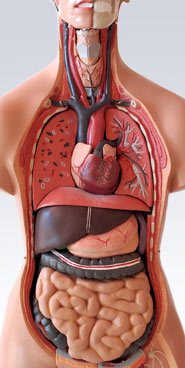 Does the body get used to eating the same foods? The inner workings of the human body are some of the most complex mechanisms you will ever see. The astonishing resiliency and ability to withstand the daily punishment we deliver to our bodies is something to behold. I know all those years of torture I placed on my body weighing over 400 pounds are living proof that the body can overcome just about anything for a period of time before it starts breaking down. Thankfully I made the necessary changes to lose weight in time before anything major ever happened to me. But I've been pondering something in my mind lately that I'd love to throw out there to see what you think about it. I recently interviewed Jackie Eberstein (I'll be sharing that two-part interview on my podcast show the week of June 23, 2008) who worked with the late great Dr. Robert C. Atkins for three decades and we were talking about my 30-pound weight gain this year and the reasons why it may have happened. She brought up an interesting point I had never really thought about before and it was about my daily eating habits. Looking at my daily menus blog, Jackie noticed that I tend to eat a lot of the same foods. This is true! I'm such a creature of habit that getting into a groove of eating similarly each day is just easier for me. I know some people like to have variety in the day-to-day, but I'm happy enough eating virtually the same meals all the time for weeks on end before switching it up. Jackie said that it is possible that despite the fact that those foods I have been eating are low-carb, perhaps my metabolism has gotten used to them. Say WHAT?! You have GOT to be kidding me! She went on to encourage me to change it up a little--have a steak one night, try some pork tenderloins the next night, maybe some lamb chops with broccoli or grilled chicken breasts with cauliflower on the next and so forth. The point is that perhaps your body can get used to the same foods if you never mix it up. Now, I've heard of muscle memory, but what about metabolism memory? Is it possible your body can "remember" what you've eaten before and therefore respond differently over time as it gets used to the foods? Let's explore this issue a bit. It makes total sense in the fitness world when you talk about muscle memory. That's why ever since I started lifting weights in December 2007, I am happy to report that my personal trainer has NEVER repeated the same routine with me. EVER! That's a smart trainer because he knows if your muscles become too used to the same workouts, they'll stop responding to the stimulus you provide them. The point of resistance training is to keep the muscles guessing and growing as you become a hunka hunka burning muscle! :D So why wouldn't this same thing apply to metabolism? Several years back, I blogged about a study that found your body's cells "remember" being fat even after weight loss and respond accordingly. I dismissed that idea as ludicrous at the time, but maybe there is a little something to it. Maybe, just maybe, at the cellular level we can become so accustomed to the same foods--even low-carb ones--over and over again that they don't have quite the same impact as they did before. In this case, I'm talking about weight loss specifically, but maybe it can have some health implications as well. I'm not suggesting everyone stop their low-carb lifestyle or anything silly like that. But there's no denying the POSSIBILITY that sticking to the same routine day after day could possibly tell your body to stop shedding the pounds despite doing all the right things. It's a working theory and I'm all ears to hear what you think about this. With the price of food these days getting more and more expensive, keeping your low-carb meals simple and similar is more affordable when you can stock up on key items. That's my biggest reason for eating the same way often--I see a good deal on a food and I buy a bunch of it. I've always been that kind of shopper and it would be such a shame to learn that my efforts to save some money were preventing me from experiencing the weight loss I desire. So, what say YOU?! Do you think there's such a thing as metabolism memory? Leave your comments and tell us what you think. :) Labels: diet, eating, Jackie Eberstein, low-carb, menu, metabolism memory, muscle memory
Bowden, Westman, And Eberstein To Join Us On The 2009 Low-Carb Cruise To Mexico


Meet Bowden, Westman, and Eberstein on 2009 low-carb cruiseA couple of weeks ago I was excited to tell you about The 2nd Annual Low-Carb Cruise coming up January 19-24, 2009 leaving out of Galveston, Texas on the luxurious Carnival Ecstasy ship. A group of 35 of us had a fabulous time in February this year on this exact same cruise down to Cozumel and Progreso, Mexico and it was simply amazing. We met so many people and built lasting friendships with people who are passionate about the healthy low-carb lifestyle. That's why we wanna go back again in 2009. Just in case you are wondering, yes, you CAN eat low-carb on a cruise with a little guidance and we'll have three amazing low-carb experts on board to help provide that direction for you while you enjoy some fun in the sun on your low-carb vacation getaway. That's right, there will not one, not two, but THREE BIG LOW-CARB EXPERTS on board the ship providing seminars and one-on-one sessions with the people who attend. WOO HOO! Dr. Jonny Bowden, Dr. Eric Westman, and Jackie Eberstein have all agreed to come on board this excursion with us to share their immense wealth of knowledge and experience about the healthy low-carb lifestyle. I've blogged so much about all three of these people that I feel like they don't need any introduction. But for those of you who haven't heard of them, allow me to introduce you to them now: DR. JONNY BOWDEN, PhD, C.N.S.He is the author of the must-have book for anyone going on a low-carb diet entitled Living The Low-Carb Life where each of the major low-carb plans are evaluated and compared so that you can choose the one that's right for YOU! Jonny's most recent books on Fair Winds Press have been very popular as well, including 150 Healthiest Foods On Earth, The Most Effective Natural Cures On Earth, and his upcoming release in June 2008 The Healthiest Meals On Earth, a cookbook featuring the healthy foods he wrote about in his first two books. This man is an incredible speaker and motivator on the subject of diet, health and weight loss as you will find out very quickly and will be a welcomed voice on this low-carb cruise. DR. ERIC WESTMAN, MD, M.H.S.As one of the world's leading researchers on carbohydrate-restricted diets, Dr. Westman has taken the knowledge he has observed in his study participants and is now applying what he has learned to his own patients who come to see him at his Durham, NC-based Duke Lifestyle Medicine Clinic with such serious health issues as obesity, diabetes, and worse. He is in my estimation one of the kindest men I have ever met in my life and is so very accessible with his time treating his patients like human beings rather than a statistic hurrying them through his office like some number. You'll immediately notice exactly what I'm talking about from the time you meet Dr. Westman and I'm thrilled to have him joining us on this cruise down to Mexico. JACQUELINE EBERSTEIN, RNThe late great Dr. Robert C. Atkins was fortunate to have a nurse like Jackie Eberstein by his side for three decades as he treated patients with his world-famous low-carb nutritional approach. She really knows all the ins and outs of this way of eating so well that I consider her the foremost authority on the Atkins diet today. She was the co-author of the book Atkins Diabetes Revolution (with Dr. Mary C. Vernon) and has frequently defended the healthy low-carb lifestyle in columns and articles in the medical media. Anytime I have a question from a reader that leaves me stumped, Jackie is always there to provide her unique perspective and it is such an honor to have her join us on this special get-together on the Carnival Ecstasy. Isn't this AWESOME?! And who knows, there may be even more low-carb experts who will be hopping on board this cruise coming up in January 2009, so what are you waiting for (you never know)? GO SIGN UP right now so you won't miss out on all the fun and excitement we're gonna have. Christine and I will be there as will Amy from "Eating Low," Christin from "The Journey On," Amy Dungan (Sparky's Girl) from "Healthy Low-Carb Living," and so many more. I think the best part about this year's cruise was all the NEW people I'd never met before. And most of them will be coming back again in 2009. The original deadline for having the first $50 deposit per person was May 6th, but we have been granted a slight extension for those who have not yet signed up. If you sign up by next Wednesday, May 21, 2008, then you will still only be required to put down a $50 deposit per person or $100 a room (after May 21st, the first and second deposit will be due of $200 per person or $400 a room). If you get your first deposit in on time, then your second deposit of $150 isn't due until September 8, 2008 and then the remaining balance is due on November 6th. The total cost of this cruise is a very affordable $400 each which includes all your port charges and taxes. And the man who organized our cruise for us this year gave us a room credit of $75 that we could spend on anything we wanted on the ship. That was COOL and very unexpected! I've been getting many e-mails from people telling me they REALLY want to go on the cruise, but they didn't know how to sign up. Here's how: it should be booked through Vacations To Go through our cruise agent Amelie Richards and you can contact her directly with any questions about the 2nd Annual Low-Carb Cruise by calling her toll-free 800-514-9986 ext. 7583 anytime Monday through Friday from 8am-5pm CST. Or you can e-mail her Amelie at arichards@vacationstogo.com. If you have any questions for our cruise leader, her name is Becky Regandy and she can be reached at xregandyx@yahoo.com. I appreciate all the hard work she put into this year's cruise and she's doing a superb job again for the one in 2009. This will be THE low-carb event of 2009, so book your reservations NOW! Labels: Carnival, Cozumel, cruise, Ecstasy, Eric Westman, Galveston, Jackie Eberstein, Jimmy Moore, Jonny Bowden, low-carb, Mexico, Progreso
Does Ketosis Cause An Internal Rise In Body Temperature?
 Low-carb burns fat, but can it lead to extra body heat?Ooh, ooh, ooh,
I feel my temperature rising
Help me, I'm flaming
I must be a hundred and nine
Burning, burning, burning
And nothing can cool me
I just might turn into smoke
But I feel fine--Elvis Presley singing "Burning Love"Somebody's turned up the heat up in here and it's gotta be that low-carb diet I'm on, right? That's what everybody does with livin' la vida low-carb when something new happens to them after starting this way of eating--they blame it on low-carb! I mocked this notion in this blog post about an earache a couple of years ago, but what if there is merit to some rather strange side effects of following a controlled-carbohydrate nutritional approach? Hmmmmmm. There are several things we KNOW will happen to most people when they begin the low-carb lifestyle: their HDL "good" cholesterol goes up, there is a marked improvement in mental health, for women it helps with reproductive health, blood sugar levels are stabilized, they end up having less acne, triglycerides plummet (a VERY good thing!), and so much more I could spend hours sharing with you about. But there are some things that can vary from person to person as one of my readers shared with me in a recent e-mail. This 43-year old man starting cutting his carbohydrate intake beginning in January 2008 and has lost over 25 pounds so far. WOO HOO! He has really enjoyed this new low-carb lifestyle change, but was curious about an unexpected side effect that has been plaguing him with no apparent cause. Here's what he wrote: Hey Jimmy,
After lots of searches, I'm having trouble finding out if anyone experiences a sensation of a rise in body temperature while in ketosis. There are some days I feel like I am literally burning up (but I don't have a fever or anything). Coincidentally, usually the next day after this happens, I am down another pound. It's like the hotter I feel, the faster I lose weight.
Is this a side effect of my body burning stored fat and an increase in my metabolism? I'm having a hard time finding an answer in any literature I've read. Thanks for your time!What an awesome question! Before I started livin' la vida low-carb weighing in at over 400 pounds, I was ALWAYS hot. HOT HOT HOT with sweaty palms and underarms all the time. I felt like I was on fire all the time. But when I went on the Atkins diet on January 1, 2004, I noticed very quickly a cooling effect happening within the first few months. At first, it was kinda weird when I wouldn't sweat anymore. I REALLY liked that because it was so incessant for most of my life. But then when I'd shake someone's hand, I could tell my hands were much colder than everyone else. It was as if someone turned the thermostat inside my body down to extreme cold when I started livin' la vida low-carb and it still happens to me to this day especially when I drink a lot of water. And the funny thing is the water doesn't even have to be cold for this to happen. Strange, I know, but that's my experience. So when I read this e-mail asking about getting HOTTER because of the fat-burning effects of ketosis on a low-carb diet, I didn't know what he was talking about since that wasn't anything close to what I dealt with. I had my suspicions about what may be causing it and shared those with my reader: GREAT QUESTION! I suspect the ketosis is causing the rise in your body temperature because of the fat-burning that ensues in this state.But rather than guessing and assuming at what the reason for this is, I decided to throw this question to a handful of my low-carb expert friends to see if they had any insights or practical experiences to share with us about this phenomenon. We'll hear from Jackie Eberstein, Dr. Jonny Bowden, and Dr. Richard Feinman with their responses. JACKIE EBERSTEINJimmy,
I'm at a loss. I've never heard of nor have I experienced this one. As far as I know, there is no mention in research either that I recall. Sorry I can't be more helpful.That's okay, Jackie! Although having worked with Dr. Robert C. Atkins for three decades treating all kinds of patients with a low-carb dietary regimen, I'm surprised something like this hasn't come up at least a few times. Interesting. Let's see what Jonny Bowden has to say. DR. JONNY BOWDENHi Jimmy,
I have never actually heard of that happening, but it absolutely passes the "smell test" to me. In fact, when you stop and think about it, this makes total sense on both an intuitive and a biological level.
I suspect what's happening is that thermogenesis is raised in the body, meaning the furnace temperature is up, fat-burning is accelerated, and that is why your reader is experiencing a temporary rise in body temperature. My guess is you are absolutely right about why this is happening.It certainly makes sense despite my own personal experience. If you are burning fat, then that could cause an increase in heat which leads to an elevated temperature. Finally, let's talk to a biochemist who really knows his stuff--Dr. Richard Feinman from SUNY Downstate Medical Center in Brooklyn, NY and the co-editor of the Nutrition & Metabolism journal. DR. RICHARD FEINMANThere are reports in the literature of this kind of observation by subjects in trials of high-fat diets. Little is known, however, of what controls perception of heat and the relation to food consumption.
The phenomenon of diet-induced thermogenesis or thermic effect of feeding (the old name for this was "specific dynamic action"), however, is well known and it is generally agreed that, at least under experimental conditions, consumption of 20% of protein calories, 5% of carbohydrate calories, and 3% of fat calories is "wasted" in increased heat production.
See, for example this 1984 study:
Karst H, Steiniger J, Noack R, Steglich HD: Diet-induced thermogenesis in man: thermic effects of single proteins, carbohydrates and fats depending on their energy amount. Ann Nutr Metab 1984, 28(4):245-252.
Abstract: The diet-induced thermogenesis of 12 healthy males of normal body weight was measured by means of indirect calorimetry over 6 h after test meals of 1, 2 or 4 MJ protein (white egg, gelatin, casein), carbohydrate (starch, hydrolyzed starch) or fat (sunflower oil, butter). The effect of 1 MJ protein was at least three times as large as that of an isocaloric carbohydrate supply.
In mixed meals there is little agreement because of the small number of studies and the fact that it is so complicated with other factors. For example, drinking cold water will increase heat expenditure. We certainly have the idea, supported by both experimental studies and anecdotal observations, that low-carb diets are less efficient at fat storage and that the missing energy may appear as heat. There is also the idea that the underlying mechanism can be related to ketone bodies but it would be impossible to say whether or not this is the cause in the case described by your reader.So, the jury is still out on the question of whether ketosis brought on by a low-carb diet leads to an increase in body temperature. Has anyone else experienced this on your low-carb lifestyle? Or were you like me and started freezing when you decided to go low-carb? Share your comments about what you've experienced. Are you hot or are you not? :) Labels: body temperature, diet, heat, hot, Jackie Eberstein, Jonny Bowden, ketosis, low-carb, Richard Feinman
What Is The Effect Of Hormone Therapy On Low-Carb Weight Loss?
I received an excellent e-mail recently from a reader who was interested in knowing what impact her hormone therapy would have on your low-carb weight loss. She was getting quite frustrated by the lack of success at losing the pounds and keeping them off despite being in ketosis from a very low-carb ketogenic (VLCK) diet. Here's what she wrote: Mr. Moore,
I read your book, which I really enjoyed, and I have a question:
I am eating fewer that 20 grams of carbs a day, turning the Ketostix dark purple, but am not losing at all. In fact, I keep regaining and losing the same two pounds. I am on Aygestin. Why do the hormones affect low-carb dieting so much?
I have looked online, and I can't find a specific answer. I know that you are very busy. If you have time to answer, it would be most appreciated. If not, I'll keep Googling. ;-)As I noted in this recent blog post, the ketones that show up on the Ketostix may or may not give you the entire picture as it relates to what is happening in your body. Since she is obviously eating a low enough amount of carbohydrate in her diet (trusting that this information is accurate), I decided to contact my friend and expert in the Atkins diet having worked with Dr. Robert C. Atkins for three decades-- Jackie Eberstein, R.N. She has dealt with virtually every circumstance over the years and offered this advice: Hormones have numerous effects on the body that make weight loss more difficult. You also need to consider the reason why hormones were prescribed--many hormone imbalances by themselves make losing problematic. This can happen on any weight loss plan--not just low carb.
But remember that at least you're not gaining. You need to have more patience than in the past when losing because of the drug effect. Hormones can cause edema, insulin resistance and weight gain and even have negative effects on blood sugar. There can also be subtle thyroid effects.
It's a plus that you have ketones. Many women can't get into ketosis when their hormones are changing. One example is just before the menses; ketones can disappear and return in a few days without any change in diet.
Take measurements every 2 weeks rather than watch the scale. The up and down fluctuation is simply water balance changing each day. It is possible to lose fat (inch loss) while the scale is stuck. Do be sure to follow the plan carefully. When on hormones even slight deviations need to be avoided. Don't eat beyond satiety or skip meals.
Exercise is important because it decreases insulin resistance and over the long run is helpful. My personal experience is that I don't lose unless I exercise.
This is what comes to mind with the info given. Hope it helps.
Jacqueline Eberstein, R.N.
Controlled Carbohydrate Nutrition, LLCSo, if you are taking hormones and find yourself in a similar frustrating position with your weight loss routine, don't lose hope. Just keep doing what you're doing and measure your success in ways other than the scale. YOU CAN DO IT!!! I'll be seeing Jackie Eberstein at an obesity conference taking place in Phoenix, Arizona in April. I hope to have the chance to sit down and interview her for my podcast show to talk about some of these kinds of issues. If there is anything you'd like for me to ask her for that interview, then please feel free to send your questions to me at livinlowcarbman@charter.net and I'll add them to my list. She's arguably the most knowledgeable Atkins diet expert in the world today. Labels: Atkins, Aygestin, Controlled Carohydrate Nutrition, diet, hormones, Jackie Eberstein, ketogenic, ketones, Ketostix, VLCK, weight loss
Is Ketosis Necessary On A Low-Carb Diet? Let's Ask The Experts!
One of the most asked about aspects of livin' la vida low-carb has got to the issue of ketosis. There is so much misinformation about there about this very natural state that the body goes through when you are on a low-carb diet (primarily confusing it with a serious condition that diabetics must be careful of called ketoacidosis--NOT the same as ketosis). As such, there may be confusion that lingers out there among my readers who are just learning about this way of eating. In this recent blog post where I provided some "quickie one-liner" responses to some e-mails, I made the following statement: Being in ketosis is like being pregnant--you either are or you're not; regardless of what the Ketosticks show you, if you are eating less than 30g carbohydrates a day, then you ARE in ketosis.One of my readers named Charles Fred decided to respond to my statement which he disagreed with and it gets to the very heart of this issue about ketosis. Here's what he wrote: Your statement reflects today's informed opinion, but my article in work, Unified Physiology of the Metabolic Syndrome, has given me an unusual perspective which for the sake of brevity I'll state dogmatically.
Ketosis need not and should not be part of low-carb eating. Low-carb diets should never be labeled as ketogenic diets. Ketosis appears to be an Induction phase of low-carb eating, but in fact it is a last ditch response to inadequate glucose. As such it is either temporary or avoidable.
Low-carb eating is the evolution-derived diet of humans (unlike other primates). Humans are carnivores, hunters, because human evolution happened pre-fire and pre-agriculture when very few carbs were edible. For carnivores, gluconeogenesis in the liver supplies all necessary glucose.
But if someone abruptly switches from high carbs to very low carbs, gluconeogenesis will be inadequate to supply enough glucose - causing weakness, dizziness and ketosis.
Well if gluconeogenesis is supposed to be adequate, why does it fail? When you eat carbs they are stored as glucose (glycogen) in your glucose fuel tank - your liver. When you manufacture glucose from protein via gluconeogenesis it is stored in that same fuel tank, intermingled with those dietary carbs.
Enzymes, including gluconeogenic enzymes, are expressed only as needed. If your glucose storage is kept full by dietary carbs, expression of gluconeogenic enzymes is reduced. Eventually your gluconeogenic machinery becomes atrophied, inadequate to supply 100% of your glucose requirements.
So, contrary to usual practice, the proper way of switching from high-carb to low-carb is to gradually reduce dietary carbs over the course of about a month, inciting gradual rebuilding of gluconeogenic machinery. Then all those Induction woes which convince many that low-carb is not for them are avoided - as is ketosis. Did you get all that? You'll recall I've explained gluconeogenesis before and it's a beautiful metabolic process that allows your body to make its own carbs (glucose) for the body's needs from the protein you consume through the liver. So, therefore, there isn't a real need for dietary carbohydrate at all. But Mr. Fred believes eating too few carbohydrates to the point that your body is in a state of ketosis is harmful to your body and that a more gradual progression to lower and lower levels of carbohydrate is needed to keep the body from going through the "shock" of what many describe as the Induction flu. As someone who has gone through this experience and appreciated the benefits of making that "sudden" change, I could not disagree with him more. What do the low-carb experts have to say, though? I decided to pose this theory put forth by Mr. Fred to several of America's most respected low-carb diet authorities and have them respond: JACQUELINE EBERSTEIN, RNNot everyone who suddenly moves from a high-carb intake to Induction will get symptoms. Many make the transition very easily. My educated guess is that at least 50% make the transition easily. Others have only mild symptoms. A few have more severe symptoms that can be managed. I think the transition would be easier for more people if they read the book completely so they know what to expect and how to deal with symptoms.
After years in clinical practice I have only had a few patients that required a slow transition because of such severe symptoms. The Induction phase is important especially to those with a severe carb addiction. It is the fastest way to stabilize the blood sugar, control hunger and cravings and improve many diet related symptoms quickly. It is amazing how many people feel better once they are in ketosis by the 4th or 5th day.
Secondly, the mindset of the dieter is they want progress ASAP to stay motivated especially when having to give up some of their favorite foods. Induction provides that. By slowly lowering carbs many will give up too soon and miss the opportunity to find out how effective low-carb can be.
For people with severe health risks, rebalancing the body with a very low-carb intake can lead to rapid improvements in blood sugar, blood pressure, triglycerides and high insulin levels. Until insulin levels improve some of the other benefits of low-carb can't happen. I have seen many severely disordered insulin and blood sugar results that would take far too long to improve with even 60 or 70 grams of carbs.
Just as one diet does not fit all, one level of carb restriction does not fit all. We are all different. The level of carb intake needs to be the level that works for each person based on what we know about them. Dr. Atkins didn't always start in the Induction phase--some people didn't need it, yet many did and would not have been as successful without it.
Unfortunately, many are still stuck in the mindset that having ketones from fat burning is abnormal and undesirable. We know it is not. Dr. Veech, an NIH researcher, agrees that the negatives about dietary ketosis are misunderstood. REGINA WILSHIREHumans are omnivores--able to survive as carnivore, but thrives as omnivore.
Gluconeogenesis isn't solely a metabolic process induced by carbohydrate restriction; it is a normal homeostatic process to maintain blood glucose, so even those consuming a high carbohydrate diet will utilize it as needed (usually when engaged in high levels of activity or during the period of sleep).
The idea that if you don't use it, you lose it, is an incomplete view--yes the enzymes will be made in lesser amounts if one doesn't rely on gluconeogenesis to fully supply glucose, but to claim "atrophy" sets in is a bit over the top.
Some people do find this approach to be a gentler way to restrict carbohydrate--slowly lowering their intake over a period of time; others do better just going "cold turkey" and reducing carbohydrate below 40g. Both reach the same endpoint--persistent state ketosis and utilization of gluconeogenesis. The idea that one will not induce ketosis (burning fat) doing the former is physiologically not possible--if your carbohydrate is below a particular threshold, you're going to make ketone bodies.
The result of reducing carbohydrate slowly isn't a lack of ketone bodies being produced, but less of them wasted, thus the less likelihood a person will register ketosis on Ketostix. Those who restrict carbohydrate below 40g initially make more ketone bodies than necessary, so they "spill" the excess in urine, saliva and sweat. But someone reducing carbohydrate slowly is also making ketones--just less likely to be spilling excess ketones.
With time the person who reduced carbohydrate below 40g and stays there will also begin to not see any measurable ketones on the Ketostix as they get more efficient at making ketones for energy. There is less wasted ketones, thus less to see on the sticks, as time passes. But, if one is keeping carbohydrate below 40g, they're burning fat for their primary energy source, which means they are making ketones whether they register on the sticks or not.DR. ERIC WESTMANIn most medical terminology, "osis" implies "the abnormal condition of"--like onychomycosis means "abnormal nail fungus," halitosis means "bad breath." Perhaps this is one reason why people unfamiliar with low carb approaches jump to the conclusion that "ketosis" is harmful. If you have no insulin in your body, as in Type 1 diabetes, a potentially life-threatening condition called diabetic "ketoacidosis" can occur. My Duke colleague Will Yancy published a paper looking at the pH in the blood of people on two diets (low-carb vs. low-fat) and did not find low blood pH ("acidosis"), but because the blood bicarbonate was lowered below the normal range we called it a "compensated metabolic acidosis." Another published study by Brehm showed the average level of blood ketones goes down over time.
In our clinic, some people always have ketones in the urine, others never do, other fluctuate back and forth. Dr. Atkins used the phrase "benign dietary ketosis" in his books. I have wondered if it would be better to say: "ketosis without acidosis" or "ketonuria" instead of "ketosis." "Ketonemia", which means "ketones in the blood"
"ketonuria", which means "ketones in the urine."
I don't agree with Charles Fred's point of view. You can see why there might be confusion. If you said "if you are eating less than 20g of carb per day then you are burning fat, or in the fat burning zone, or the 'ketone zone'--apologies to Barry Sears and the Zone Diet--rather than "in ketosis," then this might be technically more correct.DR. JEFF VOLEK This does not make a lot of sense to me. Ketone production and utilization and
ultimately blood and urine levels vary along a continuum. So to suggest it is an
absolute yes or no is not accurate. There is also a diurnal variation and many
other factors that influence their metabolism other than diet (e.g., exercise).
There is also a lot of individual variation in regards to the level of
carbohydrate restriction required to see significant accumulation of ketones. So
I don't see it as black and white.
Gluconeogenesis is more than adequate to supply obligatory glucose needs. How
else would you explain the aboriginal hunting and fishing cultures (e.g., Inuit
of the Arctic and First Nations groups in Canada) who survived for millennia
with little if any identifiable dietary carbohydrate intake? I guess I'm not quite understanding the point of it all.DR. RICHARD FEINMANThere is a continuum of ketosis. In fact, one of the features of ketone bodies is that, unlike other fuels, glucose and fatty acids, they can be present in plasma over a wide range of concentrations. What is true is that Ketostix measure ketonuria which may or may not give you an accurate view of plasma ketone bodies. If ketone bodies are used as fast as they are made, you may never see ketosis. Also, I personally think there may be more aspecs of normal ketone body metabolism than we know about now. There is the idea, for example that glial cells may supply ketones as fuel for neurons:
Guzman M, Blazquez C. Ketone body synthesis in the brain: possible neuroprotective effects. Prostaglandins Leukot Essent Fatty Acids 2004;70(3):287-92.
Ketone bodies make an important contribution to brain energy production and biosynthetic processes when glucose becomes scarce. Although it is generally assumed that the liver supplies the brain with ketone bodies, recent evidence shows that cultured astrocytes are also ketogenic cells. These findings support the notion that ketone bodies produced by astrocytes may be used in situ as substrates for neuronal metabolism, and raise the possibility that astrocyte ketogenesis is a neuroprotective pathway.
This theory from Mr. Fred seems to assume that ketosis is somehow foreign or not part of normal metabolism. It is true that it may take some time to adapt to it but there is no reason to assume that it is inherently undesirable. Human evolution probably had a lot of starvation. The function of ketone bodies is to keep gluconeogenesis from having to supply all necessary glucose because it can be a drain on body protein.
I don't think gluconeogenesis fails. There is just some period of adaptation. If there is evidence for Mr. Fred's theory, then I would be interested. Practically, it may feel better to adapt to low-carb slowly--I think it depends on how much carbs you start out with--but the idea you can be on very low-carb and not be in ketosis has to be tested. I personally doubt it but I don't know.
Ketone body production is under the control of many factors: glucose, insulin, fatty acids, level of oxidative metabolism, etc. I think there is also a time factor. Many people eat one meal a day, are quite happy with it and they may be in ketosis at some point during the day. So, it may be useful for some people to get into low-carb slowly but I don't react well when somebody tells me didactically the proper way to eat. "Proper" usually means the way they do it. CASSANDRA FORSYTHE I don't agree with this man at all. Your body still produces ketones from all the extra dietary fat, and it gets better at doing that and using the ketones as time goes on. In our work at the University of Connecticut, with three months of following a weight loss ketogenic diet all subjects had a decline in urinary ketones over time even though they were eating the same foods and had the same caloric restriction.
What's happening is that the body is getting better at taking up the ketones--maybe ketone receptor unregulation. Also, they all still had ketones in their blood after three months and this was higher than baseline and much higher than those following a low-fat diet. Your body does not have enough metabolic machinery to produce enough of it's own glucose to support all organs (i.e. your heart).
Yes, it's true gluconeogenesis goes up, but most organs don't use it anyway. That's why blood glucose tends to drift up over time.Now that the experts have weighed in on Charles Fred's hypothesis, why not share YOUR thoughts based on your own experience following a low-carb diet. Did you ease into livin' la vida low-carb and have excellent results doing it that way? Or did you do like most of us did, myself included, and go from a high-carb to a low-carb diet overnight? Did you see measurable results doing it that way despite having some temporary unpleasantness? Share your thoughts in the comments section below. Special thanks to all the experts I quoted in this post for sharing their knowledge about this subject of ketosis. On behalf of me and my readers, THANKS SO MUCH! :) Labels: Cassandra Forsythe, Charles Fred, Eric Westman, gluconeogenesis, Induction, Jackie Eberstein, Jeff Volek, ketoacidosis, ketones, ketosis, regina wilshire, Richard Feinman
Diabetes Health Leaders Finally Realizing Low-Carb Diet Has Merit
When I asked Dr. Richard D. Feinman, professor of biochemistry at SUNY Downstate Medical Center in Brooklyn, New York and renowned low-carb researcher, about when he thought diabetes health leaders--including the American Diabetes Association (ADA)--would start realizing livin' la vida low-carb has merit during my interview with him in June 2006, his answer was hopeful. "With diabetes, carbohydrate restriction has been a traditional treatment and because the underlying physiology is obvious and accepted. Since low carbohydrates stabilize glucose and insulin excursions, we can expect progress pretty soon. Even the ADA is probably trying to back into carbohydrate restriction with a minimum of losing face."Well, it's about to happen and none too soon. According to my friend and fellow low-carb blogger Laura Dolson from the About Low-Carb Diets web site, there are "potential changes in ADA recommendations" to be announced in January 2008. It seems they are FINALLY listened to those of us who advocate carbohydrate restriction and are are going to abandon their high-carb recommendations. So much for people like Hope Warshaw dictating what diabetes policy looks like in the United States and it's about time. Coming in January 2008, the ADA is expected to publish new dietary guidelines for people suffering with diabetes where livin' la vida low-carb will be acknowledged and promoted as one way to improve the symptoms of this awful disease. A talking head from the ADA states "there is growing recognition that a variety of diets including low carbohydrate diets, can achieve weight loss [and] improve postprandial blood glucose." We'll definitely be looking forward to the new ADA dietary guidelines coming in the January 2008 issue of Diabetes Care and report to you any positive changes they are expected to make. Stay tuned! In the meantime, the paradigm shift is also happening in the grassroots among those who are passionate about helping people with diabetes. Take Jackie Eberstein, co-author of Atkins Diabetes Revolution and who worked directly with the late great Dr. Robert C. Atkins for three decades, for example. In celebration of National Diabetes Month in November, she wrote an outstanding positive message on carb control for diabetics. Her overall message is one of prevention--knowing the warning signs BEFORE you are diagnosed with diabetes, changing your lifestyle to put yourself in a better position to avoid it, and take the subject of diabetes health as serious as your heart health. Essentially, diabetes has become a rampant disease of modern society because of our poor dietary habits and over 1 in 5 have no idea they have it (a dangerous place to be in considering carbohydrates--poison for diabetics--are the primary macronutrient in most American households). Untreated diabetes leaves a haunting trail of obvious symptoms: "Once the disease has progressed common symptoms such as extreme thirst, extreme hunger, frequent urination, unexplained weight loss, unusual fatigue, blurred vision and the slow healing of cuts and bruises makes the diagnosis easier," Eberstein explained. "But by the time these symptoms are apparent, blood sugar levels have been elevated for a long time causing silent damage to every cell in the body."These are merely precursors to the even worse damage that can happen to your body, including cancer and Alzheimer's disease--something neurologist Dr. Larry McCleary describes in his book The Brain Trust Program as "Type 3 diabetes." Eberstein expresses her concern that the ADA has traditionally recommended a low-fat, low-calorie diet that includes too many carbohydrates for a diabetic causing them to rely on upwards of 3-6 medications to keep their disease moderately controlled. She is deeply disturbed by the potential and known side effects of these drugs while the ADA has turned a blind eye to the negative impact extra sugars and refined flour have had on this. I know she will be anxious to see the new changes in the ADA recommendations come January. Be sure to check out all the diabetes risk factors that Eberstein notes for people with Type 2 diabetes in her column. It very well could save your life or the life of your loved one. Another exciting development regarding the embracing of the low-carb message for diabetics comes from the top diabetes blogger online today--Amy Tenderich from Diabetes Mine. Although I was less than impressed by her lack of even a single acknowledgment of livin' la vida low-carb for people with diabetes in her 2007 book release Know Your Numbers, Outlive Your Diabetes, I was blown away to see Tenderich was willing to at least hear what actual low-carbers have to say about what they eat to control their diabetes with the low-carb lifestyle when she requested recipes from the members of my new "Livin' La Vida Low-Carb Discussion" forum. She was so moved by my readers that she reprinted the column "Low-Carb Favorites, from the Devotees" at MyDiabetesCentral.com. THANKS Amy and I'm happy to see your openness to new ideas that go against everything you've ever known to be true in the past. That takes courage and strength beyond the scope of modern journalism to do and I applaud you for it. But Tenderich didn't stop there. Check out her recent guest post at Diet-Blog where she lists "10 Ways to Treat Diabetes With Diet." She particularly points out that diabetics need to watch their carbs to control their A1c levels, be aware of the carb content in the foods they eat, avoid "carb-heavy choices," watch out for corn syrup on nutritional labels, not equate sugar-free with carb-free, and the best one of them all--CURB THE CARBS (go straight to #7 for this one!). Sure, she still sticks with the low-fat mantra that has been what she's known for years, but at least Tenderich is moving in the right direction. Her conclusion regarding past ADA recommendations is spot on: "There’s a lot of controversy over the ADA's food pyramid for people with diabetes, because they recommend more breads, grains, and starches (carb-heavy foods) than anything else," Tenderich stated. "We have to side with the patients-in-the-know: keep the carbs low for better control of blood sugar."And that, my low-carb friends, is what I call progress in this effort to bring legitimacy and practicality to the world of diabetes health. This is merely the beginning of a major change in health policy that could very well cascade into the general dietary recommendations at some point in the future. First things first, though. Let's get diabetics eating this way and vastly improving their health and then the turnaround will speak for itself. Labels: ADA, Amy Tenderich, blood sugar, diabetes, Diabetes Mine, dietary guidelines, health, Jackie Eberstein, Laura Dolson, recommendations, Richard Feinman
Commemorate Dr. Robert C. Atkins On Cruise To Carribean Coming March 2008
 It's back and better than ever before--the official Atkins Diet Cruise!!! Believe it or not, there are tons of brand new people who are JUST finding out about livin' la vida low-carb for the very first time because of the explosive new Gary Taubes book called Good Calories, Bad Calories. I've seen a noticeable increase in traffic over the past months or so and the e-mail inquiries from people wanting to know more about how to do the Atkins diet have nearly doubled since so many people are ready to give this healthy nutritional approach a try.  Rest and relax on the beaches of the Eastern Caribbean That's why I'm pleased to announce the thrilling return of the very popular Atkins Diet Cruise coming in March 2008. After a few years away, this fun and exciting more than week-long trip down to the Eastern Caribbean has returned and is just as educational, enjoyable, and entertaining as ever! This is arguably the most unique cruise you will ever take in your life!  You won't eat this good on your low-carb lifestyle on just any cruise While most cruises have so much food, mostly high-carb offerings that tempt you to go off plan during your vacation, the Atkins Diet Cruise is different. On the previous 11 cruises they have done over the past 15 years, they have had expert Atkins chefs right there on board to provide delectable Atkins-approved dishes for those who are following the low-carb lifestyle.  Master Atkins chefs stand ready to serve you low-carb meals The chef who will be on board this upcoming Atkins Diet Cruise is a veteran low-carb diet cook who is quite experienced with the needs of low-carbers and has been on many past cruises. The ship's menu will be completely compatible with your Atkins diet, so there's no need to worry about gaining weight. In fact, the average weight loss for the people who go on this 8-day cruise is an astounding 4-8 pounds!!! WOW! Obviously, NOBODY is gonna get you results like that, so this is quite a lucrative deal for anyone who is new to the Atkins diet or would like a refresher course.  Dr. Atkins enjoyed finding low-carb treasures on the island stops The cruise line is the Costa Mediterranea, which leaves the port in Fort Lauderdale, Florida on Saturday, March 29, 2008, and will travel down to luxurious destinations in the Caribbean including San Juan, Puerto Rico, St. Thomas, the U.S. Virgin Islands, La Romana, Dominican Republic, Grand Turk, Turks & Caicos Islands. The cruise will return to port on Saturday, April 5, 2008.  Eberstein, seated next to Dr. Atkins, knows all about low-carb living Leading the Atkins seminars on board the ship will be Jacqueline Eberstein, R.N. who worked directly with Dr. Atkins for three decades and orchestrated all of the past successful Atkins Diet Cruises. She will be joined by Karen Paris, P.A., who has an additional 20 years of Atkins diet experience to impart on the people who will be attending this outstanding cruise. Some of the topics that will be covered on the cruise include: - How to get started on a Low Carb Plan - The Prevention of Type 2 Diabetes - Low Carb and Family Nutrition. Both of the hostesses will also be available for one-on-one personal nutritional counseling sessions for those interested in customized help with their low-carb lifestyle. Additionally, there will be yummy cooking demonstration, a regimented exercise routine program, and an open question and answer session about anything and everything related to the Atkins diet.  All the Atkins dishes will be clearly marked for you to enjoy Best of all, all the meals will ENCOURAGE you to eat healthy while indulging in the delicious offerings of the master Atkins chef who will prepare everything for you to keep you on the straight and narrow all week long. You most certainly won't have to worry about what you put in your mouth on this cruise because it's ALL gonna be low-carb and oh-so-yummy!  Dr. Atkins and Veronica always looked forward to these cruises Plus, there will be a very special commemoration and celebration of the life of the late great Dr. Robert C. Atkins on the 5th anniversary of his passing while on this cruise. So many of us owe a great deal of gratitude to this man who committed his career to helping people overcome their weight and health problems with the use of a non-traditional diet plan that just plain works! It helped me lose over 180 pounds and keep it off for the past four years. And I'll never be the same again!  Oooh la la, I can smell the tropical air now! AHHHHHH! Christine and I are so excited to be going on this cruise and I can't wait to meet those of you who will be going on this trip. It looks to be a great way to start your 2008 off on the right foot and it's only a matter of months from being a reality. I hope you can join us on the Atkins Diet Cruise!  The Atkins Diet Cruise is both affordable and practical With rates starting as low as $799 per person (which is all-inclusive for the cruise, Atkins-approved food, and all the low-carb lifestyle classes on the ship), this could be just what you need to kickstart YOUR Atkins diet into high gear. Please call 1-800-947-6051 to speak to your cruise captain Bob Lincoln with any questions you may have about this cruise or go to the Atkins Diet Cruise web site for more information.  These gorgeous sunsets await you on the Atkins Diet Cruise If you decide to go, then let me know! I'll be looking for you and would love to talk to you on the ship about how the Atkins diet completely changed my life for the better. :D Labels: Atkins, Bob Lincoln, Caribbean, chef, Costa Mediterranea, cruise, diet, education, Fort Lauderdale, Jackie Eberstein, Karen Paris, low-carb, Robert C. Atkins, vacation, Veronica Atkins, weight loss
Does Caffeine Impact Ketosis On A Low-Carb Diet?
In an ideal world, there would be clear-cut criteria laid out in black and white about how to do a low-carb diet. While there are certain basics that apply to virtually every low-carb plan, there are also what I would describe as "gray areas" where it will really depend on the individual to figure out for themselves. One such issue is caffeine. If you have read Dr. Atkins' New Diet Revolution, then you know the late great Dr. Robert C. Atkins addresses this subject a couple of times--but only in passing. Here are the two brief references I found in my mass paperback version of the book: Page 189-- "Excessive caffeine has been shown to cause a hypoglycemic reaction, which will provoke cravings and cause you to overeat. Omitting caffeine may be a big sacrifice for you, but, in my experience, weight loss often starts up again as soon as people remove caffeine from their regimen."Page 222-- "Consume caffeine only in moderation."Other than those two points, Dr. Atkins didn't say much else about caffeine consumption. Obviously he felt there was enough of a negative metabolic response to caffeine intake for him to dissuade Atkins dieters to try to steer clear of it as much as possible. But what about the impact of caffeine on ketosis? Is there any and what guidelines can people following a low-carb diet use to gauge what amount of caffeine intake they can tolerate while still losing weight? These are some of the questions that were explored by one of my intelligent readers in the following e-mail: Hi Jimmy,
I would like to clear something up with your help. I feel there needs to be a summary, possibly a FAQ, on caffeine. Here's my question: What are the effects of caffeine, ESPECIALLY when one is in ketosis?
When talking about caffeine, there are several hurdles most web articles don't get over.
1. The reasons why caffeine use is discouraged on low-carb.
A. I don't use caffeine because I don't want my weight loss/maintenance to be based on a drug.
B. I don't use caffeine because it negatively affects my mind, sleep, heart rate, or other.
2. I use caffeine because it speeds up my metabolism.
Okay, most agree it speeds up metabolism. How about difference in metabolic effect between ketosis and non-ketosis?
3. Caffeine causes release of adrenaline, which causes the liver to break down glycogen, causing a temporary increase of blood sugar, which causes insulin to be released. Thus the dreaded blood sugar/insulin roller coaster.
This I cannot find an answer for. Does this same process happen under ketosis?
As you know, Jimmy, everything changes when in ketosis. Most studies do not differentiate, which usually means NONE of the subjects studied were ever in ketosis, and thus they don't know. This seems to be true in every area of science, which is why so many nutritionists are so ill-informed and against low-carb.
Since I don't have problems under #1, and #2 seems to be a benefit, my whole use of caffeine hinges on #3, and I don't know the first thing about testing blood sugar levels on myself.
If caffeine causes the rollercoaster in ketosis, then I will stop using it. But how do I find out this fact? Is a caffeine FAQ a good idea?
As always, thanks for being such a great resource for everything low-carb!Now THERE is somebody who's putting on their thinking cap about how he needs to be livin' la vida low-carb. I can appreciate anyone who cares enough to contemplate what's best for them that they would go through the trouble of analyzing something like caffeine consumption so closely. KUDOS to my reader! My personal experience with caffeine consumption, primarily through diet sodas, has been negligible if non-existent regarding my weight loss and maintenance. I'm a fairly heavy diet soda drinker and switch back and forth between the ones with caffeine and the ones without (depending on what's on sale). The only adverse effect I have noticed are the headaches when I switch to the non-caffeinated diet sodas. It lasts a couple of days and then I'm better. My weight does not change enough one way or the other, so caffeine doesn't bother me. But not everyone is this way. For some, caffeine can cause their blood sugar levels to go haywire and bring on intense sugar cravings that lead to binge eating. This is NOT a healthy reaction when you are trying to overcome carbohydrate addiction and shed the pounds. So, are there any studies on caffeine and ketosis that might shed some light on this reader's questions? I went directly to the most knowledgeable Atkins diet expert I know-- Jackie Eberstein--who worked directly with Dr. Atkins for three decades treating obese and diabetic patients with a low-carb dietary approach. Here's what she had to say about this issue: Jimmy,
I am not aware of any studies that have looked at caffeine and ketosis. I can only comment upon my experience with myself and any number of my patients over the years.
Caffeine for someone with an unstable blood sugar can cause the blood sugar rollercoaster regardless of ketosis.
Some people are more sensitive than others and of course the amount of exposure matters. Other factors matter such as having caffeine when the blood sugar is more stable after eating a low-carb meal may have no or only limited negative effects. For some of us caffeine when we are stressed for other reasons can really provoke symptoms.
One needs to determine their tolerance. I recommend that people with an unstable blood sugar avoid caffeine intake and others limit to at most about 3 servings daily.
Hope this helps,
Jacqueline Eberstein, R.N.
Controlled Carbohydrate Nutrition, LLCTHANK YOU, Jackie! So the jury is still out about caffeine on a low-carb diet. I know I try to avoid it as much as possible just as I steer clear of aspartame and maltitol. There are plenty of alternatives to these that I enjoy, so there's no use in forcing myself to consume products with these ingredients in them. When I forwarded Jackie Eberstein's e-mail to my reader to let him know her perspective about his thought-provoking questions, here's what he had to say: Hi Jimmy,
Thank you so much for replying to my email. It seems very true when they say we are 50 years away from fully understanding the affect of food on our physiology. The essence of Ms. Eberstein's message is "see how it affects you and act accordingly."
Until we have the scientific facts, we all have to make little experiments in our diets. That makes your blog and forum one of the most valuable things because people's experiences become most important where the science is lacking.
Again, Thanks!This reader actually was the inspiration for a brand new section of my "Livin' La Vida Low-Carb Discussion" blog called the "Livin' La Vida Low-Carb Lab" where people who are low-carbing can express their own "Empirical Data" about "What's Working For You" and even make suggestions about "What Research You Would Like To See" about the low-carb lifestyle. I encourage you to get active in this section of the forum because we can learn a lot from each other's experiences. Excellent discussion topic regarding caffeine and ketosis and I welcome your feedback on this subject matter in the comments section below. How has caffeine affected you? Does it kick you out of ketosis or lead to weight gain? Or do you avoid it like the plague so you don't have to mess with it? Let's hear from you! Labels: Atkins, caffeine, diet, Dr. Atkins New Diet Revolution, Jackie Eberstein, ketosis, low-carb, metabolism, research, Robert C. Atkins, weight gain, weight loss
A Low-Carb Lecture, The Latest Obesity Stats, And A New Online Research Library
I have for you today three very practical links with excellent information to access, absorb, and fully acquaint yourself with as you continue to educate yourself about livin' la vida low-carb and the impact it can have on obesity and healthy. 1. LOW-CARB PRESENTATION BY DR. WILLIAM YANCYThe Endocrinology Conference in the Duke Clinical Medicine Series has just posted this fascinating new Continuing Medical Education (CME) lecture given by Dr. William Yancy, Assistant Professor of Medicine at the Veterans Affairs Medical Center in Durham, North Carolina on June 15, 2007. Register for FREE and then check out what this leading low-carb researcher had to say about his research of livin' la vida low-carb! His presentation outline includes the following: - The Use of Low-Carbohydrate Diets for Weight Loss - History of Low-Carbohydrate Diets - Trends in Macronutrient Intake & Obesity - Low Carbohydrate Ketogenic Diet (LCKD) - Example of 20g Carbohydrate Menu - Diets, Carbohydrates, and Calories - Low-Carb Ketogenic Diet (LCKD) Rationale - The Role of Ketones - LCKD vs Low Fat Diet: 6 Months - Outpatient Low-Carbohydrate Diet RCTs: Weight Loss - Joslin Diabetic Diet, 1923 - Effect of LCKD on Type 2 Diabetes - Clinical Recommendations for LCKD - MUCH MUCH MORE! I've attended low-carb conferences in Brooklyn, NY and Nashville, TN over the past couple of years and I know this invaluable research is unknown to most non-medical people. Dr. Yancy was thorough and offer quite an eye-opening presentation that should get you excited about low-carb living all over again. 2. REVOLUTION HEALTH'S OBESITY MAP (1990-2006)Wanna see something quite disturbing? Check out this unique and depressing obesity map of America to see just how much times have changed over the past 17 years. It's quite ASTONISHING to say the least! It makes me shudder to think what the year 2025 will look like with the amount of red (indicating average BMI of over 30 percent) very likely plastering the entire nation unless something is done to turn the tide of this epidemic. Access a state-by-state breakdown of the obesity numbers and see how much YOUR state has changed since 1990. If this doesn't prove that we need to make better choices about how to treat the overweight and obese, then I don't know what does. Send the link to this map to everyone you know who is concerned about weight and health in the United States. 3. JACKIE EBERSTEIN'S LOW-CARB RESEARCH LIBRARYYou'll recall I told you about a new low-carb web site from Jacqueline Eberstein a few months ago and that she wanted to bring back a lot of the old low-carb research that used to appear on the old version of the official Atkins web site (which has now removed those links). Well, that project is DONE and you can now access most of the lost low-carb research studies anytime. THANK YOU for doing that, Jackie! Read this introduction to the research and then get into the good stuff by finding the links from the Journal of Nutrition & Metabolism, Metabolic Syndrome & Related Disorders, and a whole boatload of low-carb research that has been published in a variety of other scientific and medical journals. If you need to find a low-carb study, then THIS is the place to do it! These three useful resources should keep you quite busy for a while as you expand your mind and broaden your horizons about low-carb living in these modern times. We're all in this together as we attempt to share the truth with those who need to know it! As my friend Regina Wilshire from the "Weight Of The Evidence" blog says, "LEARN IT, LIVE IT, LOVE IT!" That's livin' la vida low-carb, baby! Labels: Atkins, diet, Duke University, health, Jackie Eberstein, low-carb, obesity, research, web site, weight loss, William Yancy
What A Day For Tons Of Low-Carb Research
After a long weekend full of activities in Nashville, Tennessee for the 2007 Eastern Regional Obesity Course and Nutrition & Metabolism Society Seminar presented by the American Society Of Bariatric Physicians (ASBP), I am finally back at home sweet home in Spartanburg, South Carolina. Ahhhhhh, it feels good to be back although I was privileged to speak with and learn from so many bariatric physicians and low-carb research experts. Although I conducted eight interviews with various people on Friday, I was only able to do one more today because the schedule was so jam-packed with presentations on the latest low-carb research from people like Dr. Eric Westman, Dr. Mary Vernon, Dr. Jeff Volek, Dr. Stephen Phinney, and Dr. Richard Feinman. We had to cut out a little early to make it home at a reasonable hour. I was thrilled to see several other people of interest these past few days: Jackie Eberstein who worked with Dr. Robert C. Atkins for three decades, Laura Dolson from About.com's Low-Carb Diets page, and Collette Heimowitz from Atkins Nutritionals, Inc.As I was listening to the various presentations about the veracity of livin' la vida low-carb today, the future blog post ideas were popping into my head so fast that I could barely write them all down. But I will attempt to take these and project to you what I have learned based on the knowledge shared in these fantastic seminars from today. If you are a proponent of the low-carb nutritional approach, then take heart...the science is there for all the world to see. Special thanks to Dr. Mary C. Vernon and Sharon Cooper for coordinating many of the interviews for my podcast show. I look forward to sharing these with you over the next few months likely as a regular feature on Thursdays. There were a wide variety of voices that I'm sure you'll enjoy hearing from, so be sure to check 'em out! Since I was in Nashville, I decided to look up my high school friend Laura Creekmore who has that fantastic blog called Fixin' Supper. We went out to a nice BBQ place off of Hermitage Road in Nashville and enjoyed catching up on lost time. My wife Christine and I were enamored by Laura's two adorable kids and were glad to be able to see her while we were in town. Also, I recently blogged about one of my weight loss inspirations being a radio talk show host who held a weight loss contest three years ago named Ralph Bristol. Well, Ralph recently moved from South Carolina to Nashville, Tennessee to become the featured morning host of "Nashville's Morning News" on SuperTalk 99.7FM WWTN. His show is a lot different from the one he did here, but it was neat to hear him on the radio again. I even called up and gave my opinion about something he was talking about on Friday morning. It's time to hit the sack now (that's going to bed for those of you who don't read Southern!) because I'm just plain TARD! No, not ritard, although Christine has been known to call me that from time to time. The body is slowly getting delirious, so I had better stop typing before I go off saying something REALLY weird. Goodnight John boy! We'll be low-carb blogging again in no time. SEE YA! Labels: ASBP, Collette Heimowitz, conference, Jackie Eberstein, Laura Creekmore, Laura Dolson, low-carb, Mary Vernon, Nashville, Ralph Bristol, Robert C. Atkins
New Web Sites Keep Atkins Diet Legacy Alive
  Mrs. Veronica Atkins and Jackie Eberstein have new web sites Although members of the media and those low-fat loving health "experts" would desperately like to convince people that the Atkins diet is just some passing overnight fad that is dangerous and unhealthy, the truth is just the opposite. There's not a more healthy way to eat on this planet than the low-carb lifestyle and now we have two strong voices with brand new web sites in an effort to keep the incredible legacy of the late great Dr. Robert C. Atkins alive in 2007 and beyond. First up is the Veronica Atkins Foundation from the lovely and gracious widow of Dr. Atkins (I'm working on an interview with her as we speak...stay tuned!). If anyone knows what the Atkins diet is all about, then it has to be the woman who lived with Mr. Low-Carb Diet for all those years he was using this way of eating to improve the weight and health of the patients he was using it on. This new venture from Mrs. Atkins should not be confused with the Dr. Robert C. And Veronica Atkins Foundation which was set up to provide endowments for the advancement of low-carb research. Instead, the Veronica Atkins Foundation will be used to educate the public about the benefits of following the Atkins low-carb lifestyle by imploring simple and useful information to help them make this more than just a diet. Mrs. Atkins knows that if people would simply begin to watch the kind and amount of carbs they are consuming that they could ward off such needless health issues such as obesity, type 2 diabetes, heart disease, and more. Arming people with the facts is what will help them more than anything. In the absence of her amazing husband, Veronica is picking up the baton and carrying the torch high for everyone to see that this is STILL an awesome way to eat and live to be as happy and healthy as you can possibly be. There are some excellent resources for people at every level of the Atkins diet, including "The Basics Of The Atkins Lifestyle," "When To Move Beyond Induction," and some "Helpful Hints" to incorporate this into your life. There's even some delicious low-carb recipes, helpful Atkins presentations, and so much more! Bookmark this site and recommend it to your friends and family members who want to learn more about the Atkins diet. While the Veronica Atkins Foundation web site is all about Atkins advocacy, the Controlled Carbohydrate Nutrition web site is focused primarily on "providing accurate and concise information regarding the benefits and uses of a controlled carbohydrate lifestyle based on the Atkins Nutritional Approach." Created by Atkins diet expert Jackie Eberstein, R.N., this site will be extremely helpful for assimilating just about every bit of information about livin' la vida low-carb that you can think of. She is targeting not just people who desire weight loss, but also healthcare providers to educate them about how the Atkins diet can be an effective means for bringing about weight and disease management. Similar in design to the Veronica Atkins Foundation web site, the Controlled Carbohydrate Nutrition site adds a lot more material that will constantly be updated. So be sure to keep coming back as Eberstein updates the information often with solid factually-based articles you can use to feel confident about this healthy way of life. For example, check out the Atkins Myths page to counter many of the common misconceptions people have about the Atkins diet. It's still under construction as of right now, but Eberstein is excited about the Research page to highlight all the latest in the gobs and gobs of studies coming out in favor of livin' la vida low-carb. Additionally, you can see the new low-carb Projects that Eberstein is working on (including an Atkins cruise coming in March 2008--WOO HOO!), interesting and educational Presentations about low-carb living, and positive News about the Atkins diet. Finally, don't miss the soon-to-be-updated FAQ section for answers to your common questions.  The man whose legacy will never be forgotten These new web sites all come down to one thing: honoring the work of Dr. Robert C. Atkins. My only regret is that I never had the chance to walk up to this man and shake his hand (heck, I might have even hugged his neck if he would have let me!) for changing my life forever. Had it not been for the Atkins diet, then I could quite possibly be a dead man today. I've never taken for granted the lessons I have learned from my Atkins experience which is why you hear me talk about making sure you read books like Dr. Atkins New Diet Revolution and Atkins For Life because this lifestyle change is too important to just wing it. Do it by the book and never stop learning. When you think you know it all, then you've reached the place where you need to start the education process all over again. That's why I'll be visiting the Veronica Atkins Foundation and Controlled Carbohydrate Nutrition web sites often to build on what I already know so I can better share with others the miracle that has happened to me because of the Atkins low-carb life. If you've never taken this journey for yourself, then there's no time like the present to get started! Let these web sites help you do just that! Labels: Atkins, Controlled Carohydrate Nutrition, diet, Jackie Eberstein, low-carb, Robert C. Atkins, Veronica Atkins, Veronica Atkins Foundation, weight loss
Weight Loss Lets You Do It Better, More Often
Weight loss is indeed a powerful thing that can transform your life forever for the better in more ways than most people even realize. Besides the obvious things like being able to move around better, feeling more confident about yourself, and just plain looking good, there are some other fringe benefits to losing weight that most people don't really think about too much. A friend to this blog and Director of Nutrition Information at Atkins Health & Medical Information Services Jackie Eberstein wrote in this Glee Magazine article today about how weight loss can actually lead to better sex. You heard me right! Wanna spice up your love life? Then start shedding them pounds! And it stands to reason, too. After highlighting this Duke research study last year that found skinnier sex is better than fat sex, I shared a few comments about how my 180+ pound weight loss on the Atkins diet has improved that area of my life so much more than I could have ever imagined. It's amazing how being overweight can harm you like that, but it really does. Eberstein cites two studies in her column: - 32 women in a weight loss program reported significant increases in their quality and quantity of sex after losing weight. - 110 obese men with ED set out to lose 10 percent of their body weight over two years; one-third of the men no longer had ED at the end of the study. While the positive results of weight loss such as a better self-image may not explain the disappearance of problems like ED and a vastly improved sex drive, Eberstein said the physical act of shedding pounds and increasing exercise improves the odds of wanting to have better sex more often. Sweet! "A closer look at the causes and effects associated with being overweight and having sexual dysfunction reveals a lot of intertwining and intersecting variables," Eberstein wrote. "The picture is complex, but the outcome is clear: Being heavy can interfere with sexual desire, performance and pleasure in dozens of direct and indirect ways."Oh, man, she is so right about this. Being morbidly obese as I once was weighing over 400 pounds is no fun at all. You feel unattractive, but even worse is the fact that you have a limited physical ability to perform as well as you would like to. Besides that big belly being in the worst possible place for having sex, you have to deal with back pain, heavy asthmatic-like breathing and wheezing, profuse sweating, and that annoying inability to get up for the moment. UGH! But losing weight changes all of that--well, at least it did for me! Suddenly, you're like an invincible stallion ready to take on the world beaming with all the confidence and energy that you always dreamed of having. You can go stronger, longer, and satisfy your partner in ways you never thought were possible. I was totally amazed! No more pain, heavy breathing, sweating or any of those "other" problems I used to have--livin' la vida low-carb changed all of that, baby! Even worse for people who are overweight or obese, Eberstein said they have psychological and medical issues that can and will hinder their sex life. There's just no bones about it either. "Clearly, the deck is stacked against optimal sexual desire and performance if you’re overweight or obese," she wrote. "The psychological disorders and medical conditions above are all barriers to a healthy sex life."So what do you do about it? The easy answer is LOSE WEIGHT, but most people have tried and failed on so many diets they don't know where to turn. Might I suggest what has helped me and millions more overcome a lifetime of weight problems? The Atkins/low-carb nutritional approach changed my life forever in 2004 and I'm still livin' la vida low-carb today. The weight loss and improvements in my health have been incredibly awesome, but the benefits like improved sex have been icing on the proverbial cake. Who would have thought something so seemingly unrelated as losing weight would actually help me experience sex like I had never been able to before? It's yet another one of the miracles of low-carb living! Special THANKS to Jackie Eberstein for sharing this information! Now, use this information to go lose some weight so you can reap the benefits in bed that she talked about. Your spouse will LOVE you for it and so will YOU! Labels: Atkins, diet, healthy, Jackie Eberstein, low-carb, obesity, overweight, research, sex, weight loss
Eberstein Slams Low-Carb Water Weight Myth
I am so glad to know there are people like my friend Jackie Eberstein (one of my 2005 low-carb "movers & shakers") out there trumpeting the cause of livin' la vida low-carb. She has admirably defended the lower-carb approach as the safe and effective weight loss plan that it is while continually setting the record straight about what the low-carb lifestyle is REALLY all about to a world who just doesn't understand. She is truly perplexed how so many people have become completely jaded by what they hear in the mainstream press about livin' la vida low-carb and believe it to be the gospel truth regarding what low-carb is all about. It most definitely is NOT. "The amount of inaccurate or even misleading information that is passed off as fact among many people regarding lower-carb lifestyles still surprises me," Eberstein wrote in her most recent column.This Diabetes Health column from Eberstein deals with another oft-repeated myth about low-carb: it's only water weight that you lose. Eberstein responded, "I’m sure many people who have lost 30, 40, 50 or even 150 pounds would have a good laugh at that statement."Yeah, we sure do, Jackie. As someone who has lost nearly 200 pounds on low-carb in 2004, I suppose I could go swimming in those 200 pounds of H2O that must have just evaporated into thin air from my former 410-pound body. HA! I addressed my thoughts about this issue of water weight loss in great detail in this blog post. To me, that's just a huge crock of you know what and I am shocked that anyone would actually believe it to be true. But they do. Just as a quick aside, but do you ever hear any other weight loss plan that produces incredible weight loss results being accused of only being "water weight?" Take, for example, this week's episode of NBC's reality weight loss show, "The Biggest Loser." Some of those contestants lost upwards of 20 pounds in one week. WHOA, that's a lot of weight to lose all at once, isn't it? Did you hear anything about water? Hello, anyone? The answer is NO you didn't because everyone was just so happy for that person that they lost weight. The same should be true for low-carb dieters as well! Eberstein explains why livin' la vida low-carb actually burns stored fat after the first few days of Induction and continues to do so better than any other nutritional approach according to all the latest research. The studies she reports in her column show: - Fat begins to burn after 72 hours on 50g carb daily diet - Muscle mass INCREASES without exercise on low-carb - Diabetic women burn mostly fat on low-carb diet - Low-carb causes greater weight and body fat loss than low-fat - Water loss only accounts for a small percentage of weight loss This correlates with this study that showed low-carb dieters burned TWICE as much fat as low-fat dieters without any measurable difference in activity level and this study showing muscle mass is preserved when you are following a low-carb plan. Another study has shown that you lose fat, not muscle when you reduce your carbohydrate intake and yet another study reveals the startling fact that eating a low-fat diet can actually make you FATTER! EEEK! Eberstein said there is a very good lesson to be learned for all of this misinformation that still floats around out there regarding the low-carb life that millions of people enjoy with great success in 2006. "Often people are frightened away from a lower-carb eating plan that could be the key to successful weight loss simply because of myths or wrong information. If you want the facts, do some of your own research, read the books and don’t believe everything you hear or read in the newspapers or on the Internet."Amen, Jackie! That's what I try to do right here at the "Livin' La Vida Low-Carb" blog day in and day out. Sometimes it seems so overwhelming when you feel like a lonely voice in this battle, but hearing people like Jackie talk about low-carb in such a positive light restores my hope and energy that we can get through to those people who are so misinformed. I thank God for people like Jackie Eberstein, who worked with the late great Dr. Robert C. Atkins for many years by the way. She has seen it all over the years and knows the constant uphill battle that defending this lifestyle really is. But her love and respect for what Dr. Atkins promoted for three decades still lives strong today and she remains just as vigilant in her support for livin' la vida low-carb as ever. I am honored to have her as a regular reader here and hope to share more from her in the future. THANK YOU for all that you do, Jackie! You inspire me to keep doing what I am doing because it is all worth it to combat these constant lies and distortions about the low-carb lifestyle. We have a fight on our hands, but I for one will NEVER give up! And I know for a fact that neither will you. :) 9-25-06 UPDATE: Several of you asked about the study showing muscle mass increases without exercise. Jackie was nice enough to provide this information: Jimmy,
The reference for this study is Volek, J.S., Sharman, M.J., Love, D.M., et al, "Body Composition and Hormonal Responses to a Carbohydrate Restricted Diet," Metabolism, 51 (7), 2002, pages 864-870.
To quote the study the authors hypothesize that "elevated beta-hydroxybutyrate concentrations (AKA ketones) may have played a minor role in preventing catabolism of lean tissue on the carbohydrate-restricted diet but other anabolic hormones were likely involved (eg.growth hormone)."
I think this is an excellent example that there is more to weight loss and low carb than just calories in-calories out. Different foods have hormonal effects that are currently being studied.
That does not take away from the importance of regular exercise as a part of a healthy lifestyle.
Hope this info is helpful.
Best regards,
Jackie Labels: Atkins, diet, fat, Induction, Jackie Eberstein, low-carb, low-fat, water weight
|


