|
PLEASE UPDATE YOUR BOOKMARKS TO LIVINLAVIDALOWCARB.COM/BLOG
Study: Drinking Fruit Juice Worse Than Sugary Soda For Type 2 Diabetes Risk
  Dr. Julie Palmer says don't get fooled into drinking OJ Dr. Julie Palmer says don't get fooled into drinking OJWhat could be healthier for you than a icy cold glass of orange juice, right? What could be more Americana and good for you than that?! I mean it comes from freshly-squeezed oranges which are grown on trees, so it HAS to be better for you than sugary soda, doesn't it? Wellllllll, not exactly as a new study published in a major medical journal from researchers out of Boston University revealed this week. Lead researcher Dr. Julie Palmer, a senior epidemiologist from the Slone Epidemiology Center at Boston University, looked at the connection between both fruit juice and sugary soda to Type 2 diabetes as part of the enlightening and still-ongoing prospective Black Women's Health Study featuring a whopping 59,000 African-American women from across the United States. Because Type 2 diabetes has hit the black female population especially hard increasing exponentially in the past few years (double that of white women), Dr. Palmer wanted to find out specifically why and what she discovered is gonna shock a whole lotta people. Initial questionnaires went sent out to the study participants in 1995 to obtain baseline information on height, weight, demographic characteristics, medical history, usual diet and other factors. Then follow-up questionnaires soliciting information with updates on various health conditions, lifestyle changes, and diet among other things have been sent out every two years ever since to see if there are any marked changes in the occurrence of Type 2 diabetes or other such diseases. In all, 2,713 of the study participants (about 4.5 percent) developed Type 2 diabetes in the first ten years since the study began that paralleled with those women who increased their consumption of both sugary sodas and fruit drinks. According to the study, women who drank 2+ sodas per day experienced a 24 percent increase in getting Type 2 diabetes than those who drank less than one soft drink in a month. Interestingly, Dr. Palmer also found a curious connection between fruit juice and Type 2 diabetes as well. Those women in the study who drank 2+ servings of this "healthy" drink alternative to sugary soda, primarily at breakfast time, saw a 31 percent increase in diabetes risk compared to those who had less than one glass of fruit juice each month. Hmmmm... I can remember growing up how much I LOVED drinking Sunny Delight orange juice. And my mom faithfully bought it for me, my brother Kevin, and sister Beverly thinking it was a "healthy" option since it was derived from fruit. Surely this had to be better than all that soda we would be drinking instead, right? Boy, we couldn't have been more wrong if we tried--and we have to blame it partially on the aggressive marketing of the juice lobby led by groups like the Juice Products Association who are in full spin-mode right now promoting juice as playing "an important role in a healthy diet." NOT! Some will argue that it's fruit and that alone should make it healthy. While I sincerely believe both whole fruits and vegetables are an important part of a healthy diet (including a low-carb one, by the way!), it's a blatant copout to say they're all good for you when clearly they are not. Blueberries, strawberries, raspberries, cantaloupe, and honeydew are excellent choices for fruit in the latter stages of your low-carb life management plan. But juicing even any of these fruits simply concentrates the sugar that much more and you just don't need it. Can you imagine all the sugar you'd be adding to your body with apple, pineapple, or orange juice? EEEEEEK! No thanks! I don't need to get Type 2 diabetes. The take-home message from this study is that fruit juice is equal if not MORE harmful to your risk for Type 2 diabetes as sugary soda is and should be avoided for the same reasons. Most of the people reading this at my blog are saying to themselves, "well duh?!" But ask just about anyone you know which of the two is healthier between fruit juice and sugary soda and you're gonna have a virtually unanimous choice for the fruit juice. My answer would be NEITHER and I haven't drank either one since I started livin' la vida low-carb in January 2004. And I have NO intentions of EVER doing so again. Dr. Palmer said fruit drinks were favored over sugary soda by the participants in the study and that fruit drink consumption in the United States has doubled since the late 1970s. This along with the strong marketing of fruit juice as "healthy" beginning in the 1980s and still to this day has led us to higher and higher rates of Type 2 diabetes, Dr. Palmer noted. "The public should be made aware that these drinks are not a healthy alternative to soft drinks with regard to risk of type 2 diabetes," she exclaimed.This study was funded by the National Cancer Institute and the National Institute of Diabetes and Digestive and Kidney Diseases and was published in the July 28, 2008 issue of the Archives of Internal Medicine. You can e-mail Dr. Julie Palmer about her study at jpalmer@slone.bu.edu. See what some of my fellow low-carbers had to say about this study on fruit juice: - Dr. Jonny Bowden- Connie Bennett- Discussion at my forum- Carol Bardelli- Low-Carb Friends- Sean KelleyLabels: Black Women's Health Study, Boston University, fruit, fruit juice, health, juice, Julie Palmer, research, Slone Epidemiology Center, study, sugary soda
Why I Was Somewhat Disappointed With The July 2008 New England Journal Weight Loss Study
 The New England Journal Of Medicine is highly prestigious The New England Journal Of Medicine is highly prestigiousWhile I was away on vacation in Florida seeing my brother recently, a well-publicized weight loss study comparing a low-carbohydrate, Mediterranean, and low-fat diet was released and published in the July 17, 2008 issue of The New England Journal Of Medicine. All the headlines were screaming how the Atkins diet is best and livin' la vida low-carb is champion of them all. It was in virtually every newspaper (including this Wall Street Journal story I was quoted in), local and national television news outlet, and all the health and weight loss blogs--A BIG STORY! And because it put low-carb living in such a positive light as compared with the low-fat diet or the much-beloved Mediterranean diet, you would think I'd be a happy camper touting this study as the best thing to happen for low-carb in a long while. But as I stated after this other highly-publicized study out of Stanford published in Journal of the American Medical Association last March, I can't get too thrilled about yet another study that shows such insignificant weight loss on a low-carb diet after two years and doesn't really require the participants to adhere closely to anything resembling the Atkins weight loss diet. This puts me in the minority I'm sure, but I have to say this is one big reason why I was disappointed with the New England Journal study. For those of you who missed this study, lead researcher Iris Shai, R.D., Ph.D. from the S. Daniel Abraham International Center for Health and Nutrition in Israel, put 322 "moderately obese subjects" on one of three specific diets for a two-year observation: - LOW-CARB--Two months of 20g daily and slowly increase to 120g maximum for the duration of the study. Calorie-restriction was not required for this group. - MEDITERRANEAN--Calorie restriction of 1500 daily for females, 1800 daily for males consuming a diet with 35 percent fat from olive oil and nuts while consuming fish and poultry in place of higher-fat cuts of meat like pork and beef. - LOW-FAT--Calorie restriction of 1500 daily for females, 1800 daily for males consuming a diet with 30 percent of calories from fat as recommended by the American Heart Association (AHA) Before I share the results, I have some comments. While 20g carbs is indeed the Induction phase of the Atkins diet, 120g is nowhere close to ANY phase of the Atkins diet. EVER! Why do they put people on a low-carb diet and then let 'em go to town eating carbs later? What's so freakin' hard about requiring them to stay at or under 50g a day? I just don't get that with these studies. I do like the fact there were no constraints on calories with the low-carb group and they just naturally kept their calories in check eating this way. The Mediterranean diet group looked fine, but I was surprised to see the low-fat diet group to include so much fat. While the AHA may consider a 30 percent fat diet to be low (and it is relatively speaking), it doesn't come anywhere near the kind of low-fat diet that the infamous Dr. Dean Ornish said in my first interview with him suggesting obese and unhealthy people go on to lower their weight and improve their health. His plan is a 10 percent fat diet with upwards of 70-80 percent carbohydrates. That's not what they did with this study which is too bad since it supposedly shows the difference between low-fat and low-carb. We'll have more from Ornish is a moment. First, let's take a look at the results of this less-than-spectacular study: The LOW-CARB group lost the most amount of weight with 12.1 pounds followed by the MEDITERRANEAN group who lost 10.1 pounds and bringing up the tail was the LOW-FAT group who only shed 7.3 pounds (confirming the results of this long-term large study that found weight loss was insignificant on a reduced-fat diet). The researchers also observed what happened to HDL and triglycerides on these various nutritional approaches and the results were not at all shocking to those of us paying attention to our health-- LOW-CARB saw a greater INCREASE in their HDL "good" cholesterol and a more significant DECREASE in their dangerous triglyceride levels making their ratio of HDL/total cholesterol much better than the other groups. Additionally, the A1C levels, an important marker in blood sugar health, as well as their C-reactive protein levels, a marker look at dangerous inflammation, both improved more with the LOW-CARB group. Pretty good news, right? Well, it depends on who you ask. Let's see what Dr. Ornish thought about this study in this op-ed piece published in Newsweek magazine. It appears he had an issue with several things that may or may not have validity: 1. The study was funded by The Atkins Foundation, a non-profit organization led by Veronica Atkins that has donated millions of dollars to various researchers looking into low-carb diets and their effect on weight and health carrying on the legacy of the late great Dr. Robert C. Atkins.This shouldn't disqualify the study altogether, but Ornish seems to think it does. So, are we to negate all the research conducted by you and your group on low-fat diets using the same logic, Dr. Ornish? You're better than this. 2. The LOW-FAT participants didn't eat a "low-fat" diet.I agree, Dr. Ornish. But neither did the LOW-CARB group eat a genuinely "low-carb" diet beyond the first couple of months of the study. If we are ever gonna see a real comparison of low-fat and low-carb diets going head-to-head, then mandatory compliance is gonna have to be implemented. That's the only way to keep advocates on both sides from whining about the diet not being the actual diet every time one of these comparison studies is released. 3. The study is questionable because of calories difference.Dr. Ornish claims the study lacks "quality" because the LOW-FAT group ate less calories but lost less weight. He says this calls into question the veracity of the data because it is "physiologically impossible" to eat less calories and lose less weight than the other groups. Ornish believes in the mistaken notion of calories in, calories out, so this is not surprising. How about that metabolic advantage at work? :D 4. The Atkins diet group ate "vegetarian sources of fat and protein" which isn't the Atkins diet with all the bacon and beef you can eat.I'll agree that vegetarian fats and proteins are not preferred over animal fats on the Atkins diet, it's ludicrous to continue stating that the Atkins diet by the book doesn't include veggies. Anyone who has read the book and doesn't have an agenda like Dr. Ornish knows that you get two cups of green leafy veggies as well as one cup of non-starchy vegetables per day on the most restrictive Induction phase of the Atkins diet. Hello?! You make yourself look idiotic when you keep repeating the same lie over and over again, Dr. Ornish. As for the actual sources of fat and protein in the LOW-CARB group, low-carb researcher Dr. Eric Westman from Duke University asked Dr. Shai to clarify what kind of foods were eaten by members of the low carb group. The notion that the researchers pushed a "vegetarian low-carb diet" on the participants is NOT what was done. Here was Dr. Shai's response to Dr. Westman's inquiry: This is kind of funny that some could think of a "vegetarian low-carb" diet. Is it a new suggested strategy? Could be interesting idea but this wasn't the case here. Our low-carb diet was based on Atkins, the participants read the book and the recipes were more or less comparable to what you know in the states.
Beef is the main red meat. What could be different? People here (in Israel) would not mix in the same meal meat and butter, a salad is considered a very rich one and not a lettuce based, and the main dressing is olive oil. As for beverages, same industry that makes money everywhere.
For example, a plate could include: fish or fried/not bread coated chicken/or red meet, broccoli and mushrooms coated with eggs, roasted eggplants, vegetable salad (peppers, cucumber, green leaves, not lettuce) with olive oil dressing. I understand that some of the low-fat people find it hard to believe that such a low-carb diet was tremendously favorable within 2 years in a well designed study, but these are the facts and the science of tomorrow, with the next long-term studies in the pipeline, may confirm or not these findings.So, as you can see, the LOW-CARB did indeed follow more of an Atkins diet approach in terms of the specific foods they ate, not the mocking of a "vegetarian low-carb diet" as Dr. Ornish made fun of in his op-ed column. 5. HDL is only a risk factor among many to be looked at.Oh, how convenient for you, Dr. Ornish. Yes, we know all about your "garbage trucks" analogy for HDL stating that you need more of them when you have more "junk" (LDL) to be removed. But the fact is eating a high-carb diet as Ornish suggests leads to LOWER HDL and HIGHER triglycerides, neither of which is healthy by any stretch of the imagination. And the very latest researcher is showing us that LDL and total cholesterol are not nearly as important as the HDL/triglycerides ratio that is becoming the new standard bearer for heart health. Dr. Ornish may dismiss these improvements with HDL and triglycerides by the LOW-CARB group as insignificant, but we know better. At the end of his op-ed trying to dismiss this study as irrelevant in the grand scheme of things, Dr. Ornish states that it's time to "call a truce in the diet wars." That's something I've tried to do before noting all the areas of agreement between low-fat and low-carb, but the fact does remain we don't all agree on what is healthy, Dr. Ornish. To state so bluntly that "an optimal diet is one that is low in fat" shows just how entrenched you remain in your ideology without looking at the latest data (and I'm sure you STILL haven't read Gary Taubes' Good Calories, Bad Calories because you're afraid to have your lifelong beliefs about health challenged with evidential facts!). Okay, enough about what Ornish thinks of this study. Let's see what some other prominent and REAL health experts think about the New England Journal study: DR. JONNY BOWDEN"Call me crazy, but I can't help wondering if the low-carb group would had lost even more weight if they had eaten less than the 120 grams of carbs these folks ate, all the while keeping calories at a moderate, reduced amount and incorporating other lifestyle changes like exercise and stress reduction. Can you imagine? A more reasonable level of under 100 grams a day (or even less) might have made a lot of difference--that's a level that seems to work the best for people who have problems with sugar, insulin and carbohydrates in general."DR. JOHN BRIFFA"This study adds to the body of evidence that suggests that lower carb and carb-controlled eating has distinct merit and generally has the capacity to out-perform low-fat diets in the weight-loss stakes (and without any conscious restriction of food intake, either). The results of this study suggest that such a diet may be superior in terms of cardiovascular disease risk too."DR. RICHARD FEINMAN"The major significance of the NEJM paper is that it is confirmatory of much work that has gone before. It is really not, as portrayed in the media, revolutionary. Much prior work from the laboratories of Jeff Volek, Eric Westman, Steve Phinney, Jay Wortman, Mary Gannon and Frank Nuttal and others has shown that carbohydrates, beyond simple calories, have a role in controlling how fats are used or stored. Directly or indirectly through insulin, carbohydrates encourage the storage rather than burning of fat and lead to the organization of fat into the cholesterol-containing particles that have been associated with cardiovascular disease. At the same time, the NEJM paper also confirms the evolving picture of fat as playing a passive role and emphasizes that what was once thought to be an intuitive benefit for lowering fat has consistently not panned out. The new article is a key block in a scientific structure that has been put together by many previous investigators. If the NEJM paper finally catalyzes some recognition of the scientific principles of carbohydrate restriction it will be a very important contribution."DR. MARY C. VERNON"For years, carbohydrate restriction and the low-carb folks, those of us who really spent our lives telling patients they could regain metabolic control and kind of being ostracized for it, we’re finally validated."DR. JEFF VOLEK"The findings from the recent NEJM study that showed a diet lower in carbohydrate outperformed a low fat diet confirms our previous work and that of many others. It is unique in that the intervention was 2 years and yet there was a very low subject attrition rate over such a long period of time. The low carbohydrate diet was only moderately restricted in carbohydrates (about 40% of calories). Based on our research, had the level of carbohydrate restriction been in the 10-15% range, the results would have been even more impressive. The results add to a growing body of work supporting the value of restricting carbohydrate as opposed to fat for superior weight management and metabolic health."GARY TAUBES"These latest trials just happen to be the best data we have on the long-term effects of saturated fat in the diet, and the best data we have says that more saturated fat is better than less. It may be true that if we lowered saturated fat further — say to 7 % of all calories as the American Heart Association is now recommending — or total fat down to 10 percent, as Dean Ornish argues, or raised saturated fat to 20 percent of calories, as Keys did, that we’d see a different result, but that’s just another hypothesis. The trials haven’t been done to test it. It’s also hard to imagine why a small decrease in saturated fat would be deleterious, but a larger decrease would be beneficial.
It’s also true that I don’t think that LDL is a particularly meaningful predictor of heart disease risk, and I think total cholesterol is meaningless (based on the evidence that I recount in the book). But the point is that the AHA and the National Cholesterol Education Program and the authorities at the National Heart, Lung and Blood Institute do think LDL is meaningful, and that’s the basis by which they have always recommended low-saturated-fat diets. They also think that total cholesterol/HDL is the single best predictor of heart disease risk, so by their assessment, more saturated fat is better than less. I think the best predictors of risk regarding cholesterol profiles are HDL and the size and density of the LDL particles themselves, and maybe measurements of a protein known as ApoB (the protein component of the LDL particle itself) — and the existing diet trials in those cases also suggest that saturated fats are at worst harmless and perhaps even beneficial.
Last point, the funding. It’s true that the study was financed by the Atkins Foundation, but to assume that the researchers went out and falsified their findings or twisted their observations to satisfy the source of funding is naive. Regrettably, the only institutions that will finance clinical trials, for the most part, are those that stand to gain from the results. That’s why the pharmaceutical industry finances drug trials. It would be nice if the government financed all these trials, but they don’t. So it’s up to the Atkins Foundation and any other organizations that might hold similar beliefs. In this case, the Atkins-funded diet trial observed the exact same results as similar NIH-funded diet trials."Incidentally, Taubes says the National Institutes of Health (NIH) has spent $5 million for a large (300+ subjects, two-year-long) Atkins vs. AHA low-fat diet trial--the REAL THING! This is a larger and longer version of a pilot trial that observed results similar to the Israeli trial. This is the largest diet/weight loss trial the NIH has ever funded. The principal investigator is Gary Foster of Temple University, currently the president of the Obesity Society. In February 2007, Dr. Foster told Taubes the researchers had "completed the final 2 year assessments on most but not all" of their subjects. Currently the paper is "in the peer review process" and that's all we know at this point. Cross your fingers that this is the great elusive study that actually looks at low-carb vs. low-fat once and for all. Coming as a shock to nobody, the AHA weighed in on this study expressing their concerns over the long-term weight and health impact of low-carb diets and saturated fat consumption and the lack of application to women since the majority of the study participants were men. Yadda yadda yadda...what do you expect from a group pushing two cartoon characters known as "The Bad Fat Brothers" named "Sat" and "Trans?" These people lost all dignity a long time ago. I have long held the position that if low-carb is at least as effective as low-fat for weight loss and health, then both should be recommended alongside one another as healthy options for people to choose from. The American Diabetes Association recognized low-carb diets to diabetics for the first time beginning in January 2008 and the AHA, AMA, and other health groups should follow suit. The evidence is there if you'll simply open your eyes to it. We don't need another study, flawed or otherwise, to tell us that one way of eating that is working for so many people is livin' la vida low-carb. GIVE PEOPLE THE TRUTH and then let them choose. It's that easy. Although I'm not particularly overjoyed by this latest study out of Israel, that doesn't mean I don't appreciate the way it helped carry on the conversation about low-carb living across mainstream America. My stepdad Frank, who only recently started on the Atkins diet to lose about 50 pounds along with my mother, was all excited when he saw the television news coverage about this study a couple of weeks back. If this excites people and gets them interested in learning more about the healthy low-carb lifestyle, then that's awesome! I can't wait to see that new NIH study Taubes was talking about, though. That one looks like the REAL DEAL. You can e-mail Dr. Iris Shai about this study at irish@bgu.ac.il. Labels: Atkins, Dean Ornish, diet, Gary Taubes, HDL, health, Iris Shai, Israel, low-carb, low-fat, Mediterranean, research, study, triglycerides
A High-Carb, Protein-Packed Breakfast For Weight Loss? Not In This Lifetime!
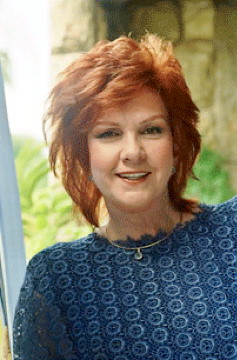 Dr. Daniela Jakubowicz encourages a high-carb breakfast Dr. Daniela Jakubowicz encourages a high-carb breakfastHave you heard about this silly study presented at The Endocrine Society's 90th Annual Meeting in San Francisco, California on Tuesday? I hear some real doozies every now and then when it comes to nutritional science as it relates to weight loss, but this one takes the proverbial cake for being one of the most bizarre, outrageous, and idiotic to come along in a while (but now let me tell you how I REALLY feel!). This story was all over the news yesterday and it just about made me nauseous with all the fawning the media was giving it. Here are some researchers who claim to have found a way to overcome the problem with cravings on a diet which eventually leads to dieters regaining their weight. It's a big top-secret bit of nutritional advice that they've unleashed on the world. Wanna know what it is? EAT A HUGE HIGH-CARB, HIGH-PROTEIN BREAKFAST and then EAT LOW-CALORIE AND LOW-CARB MEALS for the rest of the day. That's it! If you eat this "big breakfast," then you are guaranteed not just to lose weight, but keep the weight off long-term, according to the author of the study Dr. Daniela Jakubowicz from the Hospital de Clinicas, Caracas, Venzezuela. I'm sorry, Dr. Jakubowicz, but with all due respect to your research my body does not need to be inundated with carbohydrates early in the day in order for me to feel satisfied and free from cravings the rest of the day. It can be argued that eating those carbs in the morning even with a high-protein intake will result in a spike in blood sugar leading to a quick mid-morning crash and hunger like you wouldn't believe. That's why I started livin' la vida low-carb so I wouldn't have to deal with that anymore. Of course, if you are gonna consume a large amount of carbs, then it is better for it to be earlier in the day so you have time to burn them off as part of your daily activities. But this does not abdicate the body's natural response to them over the course of the day which can have health implications if this high-carb breakfast strategy is implemented long-term. This kinda sounds like a reverse Carbohydrate Addict's Diet if you ask me. The study itself was conducted in conjunction with researchers from Virginia Commonwealth University in Richmond, Virginia and Dr. Jakubowicz wanted to see what the long-term impact of satiety (the feeling of being "full") and cravings using a strict low-fat, low-calorie, low-carb diet and one that included the "big breakfast" on 94 obese inactive women. Well, there's your first problem. A truly effective low-carb diet cannot be calorie-restricted or fat-limited. Fat is the fuel for your body when you remove the carbohydrates, so limiting your calories from this macronutrient while cutting your portions down to minimize your caloric intake is setting your diet up for disaster from the beginning. I've said it many times before, but I'll say it again: DON'T MIX LOW-FAT AND LOW-CARB TOGETHER! It will only lead to a miserable weight loss experience. There were a total of 46 women place on the very low-carb diet with the following macronutrient and caloric breakdown: FAT--78g PROTEIN--51g CARBOHYDRATE--17g TOTAL CALORIES--1,085 Am I the only one to look at that minuscule amount of food and say EEEEK?! While the ratio of fat/protein/carbs is excellent coming it at around 79/14/7, the calories are way too low. I even added up the numbers and I only came up with 974 calories--over 100 calories less than the researchers claimed. If you multiply 78 X 9 calories for each gram of fat, that gives you 702 fat calories. Add that to the 51 X 4 calories each for the protein to give you a total of 204 protein calories and 17 X 4 calories each for the carbohydrate to give you a total of 68 carb calories. Adding up these three numbers, you only get 974. Do I need to tell you how deficient this is for a healthy low-carb diet? The percentages are fine, but the portions are inadequate. Their breakfast was the smallest meal of the day at just 290 calories and they could use up to 7g of carbs in the form of bread, fruit, cereal and milk and only 12 grams of protein coming from meat and eggs, for example. The researchers were trying hard to keep this control group from having a "big breakfast" with too much protein. But let's call their bluff again on this one. Who follows a low-carb lifestyle and has bread, fruit, cereal and milk for breakfast? Anyone? I've never heard of someone who is livin' la vida low-carb eating such foods because they are NOT permitted during Induction as this group was supposed to represent. I just did a YouTube video on what you can eat on Induction and it doesn't include any of those things. Instead, it's all about consuming healthy amounts of fat and protein to keep your hunger at bay to help you get through the day. That's what Dr. Atkins advocated, NOT this made-up version of low-carb these researchers put these people on. Conversely, there were 48 women place on the "big-breakfast diet" with the following macronutrient breakdown: FAT--46g PROTEIN--93g CARBOHYDRATE--97g TOTAL CALORIES--1,240 The ratio of fat/protein/carbs is about evenly balanced coming it at around 36/31/33, which isn't exactly low-carb by any real stretch of the imagination. And once again the calories don't seem to add up only totaling 1174--66 calories less than what the researchers stated. If you multiply 46 X 9 calories for each gram of fat, that gives you 414 fat calories. Add that to the 93 X 4 calories each for the protein to give you a total of 372 protein calories and 97 X 4 calories each for the carbohydrate to give you a total of 388 carb calories. What's up with this screwy math? Regardless, it's quite easy to see that the huge high-carb "big breakfast" meal at the beginning of the day for the dieters in this group greatly skews their macronutrient totals for the day making this an odd "low-carb" diet. They consumed a 610-calorie breakfast with 58 grams of carbohydrate, 47 grams of protein, and 22 grams of fat. Their lunch was 395 calories of another high-carb, low-fat meal (13/28/34) followed by supper being a 235-calorie meal that's very low-carb, high-fat (26/18/5). I can only imagine what the bodies of these poor women were thinking on this diet. WHAT IN THE WORLD ARE YOU DOING TO ME?!?! So, what were the "results" of this suspicious eight-month study? Four months focused on weight loss followed by another four months of weight maintenance. The strict low-carb, low-calorie group lost an average of 28 pounds compared with the "big breakfask" group who only lost 23 pounds. Statistically, this is not a big difference, according to the researchers. But the "ah hah" part of this study Dr. Jakubowicz wants people to remember about it is what happened at the end of the eight months--after four months of maintenance. The low-carb, low-calorie dieters regained an average of 18 pounds for a cumulative weight loss of 10 pounds--just 4.5 percent of their body weight. Meanwhile, the "big breakfast" group lost an additional 16.5 pounds for a total weight loss of 39.5 pounds--an amazing 21 percent of their body weight. Dr. Jakubowicz reminds people that the women who had the "big breakfast" said they weren't as hungry before lunch and lacked the cravings for carbohydrates that the low-carb, low-calorie dieters did. "Most weight loss studies have determined that a very low carbohydrate diet is not a good method to reduce weight," Dr. Jakubowicz concluded. "It exacerbates the craving for carbohydrates and slows metabolism. As a result, after a short period of weight loss, there is a quick return to obesity."Oh really, Dr. Jakubowicz. Is that a fact? Livin' la vida low-carb makes carb cravings WORSE and slows down your metabolism?! WRONG!!! My experience has been that eating a truly low-carb diet (not one that starts off your day with cereal or bread!) keeps the cravings away and consuming plenty of fat and moderate protein as every good low-carb diet does will rev up your metabolism into a fat-burning machine while you enjoy delicious foods that will keep your energy level up all day. The major flaw in this study was the restriction on calories it placed on the low-carb dieters in the control group. Have them get rid of the fruit, milk and bread for breakfast and let them eat all the eggs and sausage they need to satisfy their hunger. Then at lunch, have them eat a hamburger patty or two with some cheese on top and a little mayo with a side salad and Ranch dressing. For supper, let them cook up a nice fatty steak and serve a little steamed broccoli or cauliflower with butter on the side. Snacks in between those meals can include almonds, macadamia nuts, sugar-free chocolates, cheese sticks, pepperoni slices, and other snackable low-carb foods. If your control group was allowed to truly eat a healthy low-carb lifestyle as outlined above, then they would have lost more than 28 pounds in four months and they most certainly would not have gained anything back. Speaking of that, how did they gain the weight back? Did they add back more calories in the form of carbs to go with the fat they were eating? Anyone with a brain knows that a high-fat, high-carb diet is unhealthy, so why should it be surprising they'd gain the weight back, hmmmmm? This just seems so suspicious to me and they're pointing the finger of blame at the diet itself. Look, livin' la vida low-carb works when you work it. If you stop doing it, then you are no longer following a low-carb diet. Trying to pin the blame of weight gain on low-carb is like blaming President George Washington for getting us in the war in Iraq. The only person you can fault when you decide to stop low-carbing is YOU. Dr. Jakubowicz says only 5 percent of low-carb dieters are still at it two years later, but whose responsibility is that? The diet or the dieter? I don't think you can lay that one at the feet of livin' la vida low-carb. I know many people who have been eating this way for years and they've done just fine. Dr. Jakubowicz also says that low-carb living does not address addictive eating impulses, but I could not disagree more. When you eat this way, you bring so much balance back into your health by getting off of those blood sugar swings that are causing insulin to spike inside of your body and setting off a whole string of health consequences. Yes, you can certainly lose weight eating carbs, but what is happening to your health? There are no guarantees you are putting yourself in a better position with weight loss on a low-fat diet. So this "big breakfast" approach is supposed to be the "be-all, end-all" diet for people now, huh Dr. Jakubowicz. It's supposed to control my appetite and make me not crave sugary and starchy carbs, eh? And it's HEALTHIER than anything else out there because you get to eat more fruit on it. Wanna know what I think (you probably don't, but you're gonna get it anyway!)? I think you're just another low-fat diet lover trying your darndest to discredit and taint the healthy low-carb lifestyle under the guise of science. People like you doing this kind of research are what's WRONG with medical studies today. Your bias could not be more evident if you tried. Why not actually read Dr. Atkins' New Diet Revolution or Protein Power and see what they doctors have written about low-carb living. It's MUCH different than what you stupid study would have people believe and yet somehow I don't think you really care. And that's the most regrettable part of this entire scenario. 6-19-08 UPDATE: The always entertaining and opinionated Dana Carpender weighed in on this "study" today with a column entitled "Oh, Fercryinoutloud! The "Big Breakfast" Study" where she echoes many of the same points I made. GET 'EM DANA!!! :) 6-22-08 UPDATE: My blog post about this study appeared in business journalist Dana Blankenhorn's latest column entitled "Have You Tried The IHOP Diet?"6-22-08 UPDATE: I heard from the researcher's son Dr. Salomon Jakubowicz today who said the media distorted what her research was all about. Here's what he wrote: Regarding my mother Daniela Jakubowicz's study she tried to make a low-carb diet including breakfast for both subjects and controls but the journalists increased the importance of the carbs during breakfast incorrectly calling it a "High-Carb And High-Protein Breakfast." She does know that protein's satiety power is bigger than carbs or fats. Your review is challenging although not very respectful for a health researcher.Well, #1 I'm not a health researcher. I'm a guy who lost weight and got healthy on a truly low-carb diet. That notwithstanding, I think it is incumbent upon your mother to set the record straight since the headlines completely skew what her study intended. I have invited Dr. Salomon to ask his mother if she would like to appear on my podcast show to clear the air about how her study was misinterpreted. We'll see what she says. :) Labels: big breakfast, Daniela Jakubowicz, health, high-carb, low-calorie, low-carb, low-fat, research, study, The Endocrine Society, weight loss
Canadian Documentary On Low-Carb, High-Fat Diet Now Available On DVD

"My Big Fat Diet" documentary about low-carb now on DVD! It's FINALLY here! In March 2008, I blogged about a new Canadian documentary about a revolutionary documentary featuring a whole community of Canadian Namgis First Nation people who went on a traditional high-fat, low-carb diet to see if that would help curb the trend towards obesity and disease that has afflicted them in recent years. It was an innovative and ingenious experiment to determine if the modern Western influence on their diet was responsible for their decline in health. Did it work? Uh, DUH! The results of this remarkable study were unbelievable in light of all the continued negativity about low-carb living that STILL occurs in the media and from so-called health "experts" in 2008. Led by Dr. Jay Wortman, along with assistance from some of the most prominent low-carb researchers and genuine low-carb experts in the world (Dr. Eric Westman, Dr. Mary C. Vernon, Dr. Stephen Phinney, Jackie Eberstein, etc.), the lives of these people experienced quite a turnaround thanks mostly to the healthy low-carb lifestyle they now enjoy which was the original diet of their early ancestors. To help get the message out about this study featuring a high-fat, low-carb diet, Dr. Wortman had a film crew from Mystique Films come out to document what was happening to the people as they went on this "big, fat diet." As we heard in my podcast interview with the producer Mary Bissell and Dr. Wortman last month, the documentary was a big hit on CBC Newsworld when My Big, Fat Diet aired earlier this year and it has gone on to become one of the most-watched documentaries of the year in Canada. Not too shabby for a film about a dying "fad" diet, huh? :) During my trip to Phoenix, Arizona for the ASBP/Nutrition & Metabolism conference in April, Mary and Dr. Wortman showed their documentary to a group of bariatic physicians on Sunday morning and these obesity doctors just ate it up! When an announcement was made that there were copies of the DVD available for purchase at the conference store, there were droves of bariatric physicians lining up to get their own personal copy like they were purchasing concert tickets for Hannah Montana for their kids! It was mayhem--and a beautiful thing!!! :D Up until now, people in the United States have been unable to see this surprisingly funny documentary because it has neither been shown on television here nor has it been made available for purchase on DVD. But after Mystique Films received tons of public demand since it aired in Canada, the filmmakers have finally decided the time was right to release this groundbreaking documentary about the Canadian high-fat, low-carb diet study to the masses. And you're hearing about it first here today at my blog! Be one of the first people in your area to own a copy of My Big, Fat Diet by clicking here. You can purchase an Individual View version of the DVD (which means for your personal use inside your home) or the Public View version of the DVD (for larger audiences in a group setting) by using PayPal. You can purchase this DVD by using your Visa, Mastercard, Discover, American Express, or PayPal account and the price includes your shipping and handling charges. I cannot think of a better gift for someone you love and care about who needs to hear about how low-carb has changed the lives of real people. I've been inundated with e-mails from so many readers who have been waiting for this DVD to arrive. Well now it's here, so let's show Mystique Films how much we appreciate all their hard work in bringing this pro-low-carb documentary to us. ORDER TODAY and get extra copies for your doctor, your friends and family with weight and health issues, and anyone else who could stand to benefit from livin' la vida low-carb. Special THANKS to Dr. Jay Wortman for conducting this study and to My Big, Fat Diet producer Mary Bissell who was at first skeptical about a high-fat, low-carb diet but became thoroughly convinced after she saw the changes happening to them right before her very own eyes. That's the power of this message of a healthy low-carb diet and I can't wait to hear what you think about this DVD! Labels: CBC, documentary, DVD, film, First Nation, high-fat, Jay Wortman, low-carb, Mary Bissell, My Big Fat Diet, Namgis, research, study
'Livin' La Vida Low-Carb Show' Episode 143: Low-Carb Lifestyle Living Large In Sweden
  Low-carb activist Per Wikholm gives an update from Sweden Low-carb activist Per Wikholm gives an update from SwedenThere seems to be so much pessimism about the low-carb lifestyle in the United States that it can sometimes make you wonder if anyone in the world actually understands the science behind this way of eating for weight and health management. Unfortunately, the "low-fat diet religion" continues to rule the church of nutrition with a vice-grip that absolutely refuses to let go. But there is hope happening right now within the country of Sweden on behalf of the high-fat, low-fat dietary approach. In Episode 143 of "The Livin' La Vida Low-Carb Show with Jimmy Moore," we catch up with one of the leading voices on behalf of livin' la vida low-carb in Sweden named Per Wikholm. He is a molecular biologist who stays abreast of the latest happenings in the world of low-carb living in his home country and is a strong proponent of educating the people there about the benefits of the healthy low-carb lifestyle. There's so much positive happening over there right now with low-carb diets that it should encourage you that GREAT things are to come here in America soon, too! Click on the "LISTEN NOW" link below or download it to your iPod to hear Episode 143:  "The Livin' La Vida Low-Carb Show with Jimmy Moore" Episode 143 [21:18m]: LISTEN NOW | DownloadYou'll recall I interviewed Dr. Annika Dahlqvist from Sweden on my podcast show back in January 2008 when she was vindicated by the government there following a charge by two duh-duh-dietitians there who claimed she was harming her diabetic and obese patients by putting them on a low-carb diet. The ruling was that low-carb is "in accordance with science" and "well tried." In other words, livin' la vida low-carb is based on FACTS from the latest research studies and it WORKS in the patients who have tried it. AWESOME! Per Wikholm gets us all up-to-date on the things that have happened in Sweden regarding the high-fat, low-carb diet, or what they call LCHF, including this 44-month study by Jörgen Vesti Nielsen comparing low-carb with low-fat diets for diabetics published in Nutrition & Metabolism, the reaction to this study from Dr. Dahlqvist, the revelation that the government leaders in charge of the new dietary guidelines are linked to the food industry (GASP--what a surprise! NOT!), and the real changes that are happening in the food purchasing habits of the Swedish people that reveal the LCHF message is sticking. You will be beaming with pride that this way of eating is not just surviving in Sweden, but thriving and on its way to producing BIG CHANGES in that country. If this can happen there, then I have all the confidence in the world we can make it happen in America as well! Stay on the cutting edge of low-carb living news anytime by: 1. Listening at the official web site2. Calling (818) 688-2763 to listen via Podlinez3. Subscribing to the RSS feed 4. Going to iTunes-- Click here to subscribe! Do you have any reaction to the things that are happening in Sweden right now as reported by Per Wikholm in today's podcast? I'd love to know what you think in the show notes section of Episode 143. You can also call our convenient new comment line at (206) 202-6516 and share your response. If you live in the country of Sweden and wish to respond or share your added insights, then please do. We'd LOVE to hear from you! And a VERY special thanks to Per Wikholm for his willingness to come on the podcast show to share about the exciting news from Sweden. He did a fabulous job and I appreciate him for sharing. Read this op-ed column he wrote in response to the government leaders in charge of Swedish dietary recommendations who are deeply entrenched in the food industry. We need people just like Per in the United States who can call a spade a spade and challenge these hypocritical leaders dictating public health mandates. Coming up on Thursday's podcast, I will be bringing you that interview I promised last week with Atkins protégé Dr. Keith Berkowitz from the Center For Balanced Health about the hypoglycemia phenomena that is happening with me right now as he discusses his theory about why long-term low-carb success stories deal with reactive hypoglycemia. Dr. Berkowitz shares why this happens in people who have lost large amounts of weight on low-carb and what you can do to overcome it. His insights have been invaluable in my own battle against this over the past week and I think you'll enjoy it too on the next "Livin' La Vida Low-Carb Show with Jimmy Moore." DON'T MISS IT!!! Labels: Annika Dahlqvist, Atkins, high-fat, hypoglycemia, interview, Keith Berkowitz, low-carb, Per Wikholm, podcast, research, Sweden, The Livin' La Vida Low-Carb Show
Attention Low-Carbers: USDA Now Taking Nominations For 2010 Dietary Guidelines Advisory Committee
There are some very exciting things happening behind-the-scenes in Washington, DC right now as it relates to the next USDA-recommended Food Pyramid and Dietary Guidelines set to be released in 2010. As I blogged about in December 2007, President George W. Bush named Cornell University psychologist Dr. Brian Wansink (author of the bestselling 2007 book Mindless Eating) to head up the U.S. Department of Agriculture's Center for Nutrition Policy & Promotion. I was greatly encouraged by this appointment of Dr. Wansink because he has been very open to the low-carb message being heard for people like me out there who need to "lose a lot of weight on a serious diet." In that blog post I wrote about his new leadership position over the 2010 nutritional recommendations, I was very hopeful and expectant that Dr. Wansink would continue to have those open lines of communication with the experts in the low-carb community to give their input about what should be included in the next updated Food Pyramid. "It should be thrilling to know that there will now be someone within the USDA who isn't antagonistic against livin' la vida low-carb," I wrote in that December 2007 post. "Hopefully this open line of communication between Dr. Wansink and the low-carb message will remain that way while discussing the 2010 dietary guidelines."So, imagine my delight when I saw this notice from the USDA (Note: this links to a PDF file download) requesting nominations for the new Dietary Guidelines Advisory Committee. Yes, that's right! They're taking nominations for who we think should be on that committee. This is open to any citizen of the United States to submit their choice(s) for who would be best qualified to serve in this capacity. Dr. Wansink's appointment is through January 20, 2009, so there is little time to waste. That's why the nominations will only be considered through May 24, 2008. In other words, time is of the essence here. If you care about seeing the low-carb nutritional approach represented on this dietary recommendations panel (and you undoubtedly do if you read my blog!), then the time for action on this is RIGHT NOW! And we need to spread the word to everyone we know to do the same. These new dietary guidelines are reviewed every five years and are supposed to reflect the latest research studies regarding diet and health to better inform the public about how to eat for managing their weight and health. The previous Food Pyramid in 2005 was an improvement upon the past ones, but was still sorely lacking any concept about the negative role of carbohydrate and the increasingly passive role of dietary fat, including saturated fat, in the American diet. We NEED people who understand this connection to be seated on this committee for the sake of the future health of the American people. The low-fat lie has dominated the official government dietary guidelines since its inception in 1980 and we need to make some crucial changes in this policy if we're gonna get serious about this issue before it is too late. Haven't we suffered with the high-carb, low-fat message long enough? Will we continue to put up with such blatant disregard for the overwhelming evidence and real-life changes that are happening thanks to the healthy low-carb lifestyle? I'M NOT! What is this committee actually gonna be doing? They will first look at the 2005 dietary guidelines and determine if any changes are necessary based on "a thorough evaluation of the most current scientific literature." If sufficient evidence is found to make changes, then new guidelines will begin being discussed by the Dietary Guidelines Advisory Committee in the Fall of 2008 through a series of two- or three-day meetings over a period of time. These meetings are open to the public as required by federal law. The Secretaries of Agriculture ( Ed Shafer) and Health and Human Services ( Mike Leavitt) will oversee the reports from this advisory committee which will be led by Dr. Wansink. So, naturally, he will want to surround himself with the best possible candidates for this vital public health policy position. But who qualifies? They are looking for people who are "knowledgeable of current scientific research in human nutrition and be respected and published experts in their fields." Additionally, according to the notice from the USDA, candidates for the advisory committee also need to be "familiar with the purpose, communication, and application of the Dietary Guidelines and have demonstrated interest in the public's health and well-being through their research and/or educational endeavors." Here are the specific areas of expertise they want to be represented on the panel: - Chronic Diseases such as obesity, Type 2 diabetes, and cancer - Energy Balance issues involving exercise - Epidemiology - Food Safety and Technology - General Medicine - Gerontology - Nutrient Bioavailability - Nutrition Biochemistry and Physiology - Nutrition Education - Pediatrics - Public Health - Evidence Review Methodology I can think of quite a few qualified people who meet and surpass this criteria required by the USDA to appear on the Dietary Guidelines Advisory Committee. I'm officially offering the following five names up for consideration to be nominated for this all-important position at the U.S. Department of Agriculture's Center for Nutrition Policy & Promotion: 1. Eric C. Westman, M.D., M.H.S from Duke University 2. Mary C. Vernon, M.D. from The University of Kansas 3. Richard D. Feinman, Ph.D. from SUNY Downstate 4. Stephen Phinney, M.D. from The University of California-Davis 5. Jeff S. Volek, Ph.D. from The University of Connecticut There are many more who fit the description of what the USDA is wanting for this distinguished panel, but any or all of these five individuals are more than qualified to offer all the evidence the committee wants about the low-carbohydrate nutritional approach and its impact on health. At the very least, we need a minimum of one of these low-carb experts to be placed on the Dietary Guidelines Advisory Committee. Here's what you need to do to nominate someone: - Write a letter of nomination stating the name and affiliation of the nominee, why that person deserves to be nominated for this position, and a statement that the nominee would indeed be willing to serve (I have spoken with each of these five individuals I am nominating and they are all willing to serve if selected) - Provide your name, address, and daytime telephone number along with the name, address, telephone number and e-mail address of the nominee (much of this information can be found at the links provided above--if you provide their name and the school they are located at, then that should be enough information for them to contact the nominee) - Share a copy of the nominee's curriculum vitae or resume (again, this information can be found at the links I provided above for each nominee) When you gather all of this information, simply e-mail it to DG2010Nominations@cnpp.usda.gov no later than Saturday, May 24, 2008. You can also submit nominations via snail mail to Carole Davis, Nutrition Promotion Staff Director, Co-Executive Secretary Guidelines Advisory Committee, Center for Nutrition Policy and Promotion, U.S. Department of Agriculture, 3101 Park Center Drive, Room 1034, Alexandria, VA 22302. Or you can also fax your nomination to (703) 305-3300. If you have any questions about this process, simply call (703) 305-7600. If you need any additional information about these candidates after you nominate them, then please don't hesitate to e-mail me and I'll be happy to get what you need. We all need to do this for the sake of our nation's future health policy. Don't put it off thinking there will be others nominating--MAKE YOUR VOICE HEARD LOUD AND CLEAR! We NEED to get a low-carb expert on this panel, so our unified voice behind these nominees will go a long way! By the way, I am attempting to arrange a podcast interview with Dr. Brian Wansink and he has been in contact with me about this. Hopefully I will be able to conduct this interview soon and put a bug in his ear about having a low-carb researcher/practitioner serve on the Dietary Guidelines Advisory Committee. You just don't know how HUGE it would be to have a Westman, Vernon, Feinman, Phinney, or Volek on this committee--these are the people in the low-carb research world who are making the rest of the scientific community stand up and pay attention to the high-fat, low-carb diet again. Won't you do your part to nominate them TODAY? THANK YOU!!! Labels: Brian Wansink, Center For Nutrition Policy and Promotion, dietary guidelines, Eric Westman, Food Pyramid, Jeff Volek, low-carb, Mary Vernon, research, Richard Feinman, Stephen Phinney, USDA
'Livin' La Vida Low-Carb Show' Episode 134: Face-To-Face With Protein Power's Drs. Mike And Mary Dan Eades (Part 2)
 The Eades at the 2008 Nutrition & Metabolism meeting in Phoenix The Eades at the 2008 Nutrition & Metabolism meeting in PhoenixAfter being surrounded by a virtual who's who of low-carb royalty at the recent American Society of Bariatric Physicians and Nutrition & Metabolism Society conference in Phoenix, Arizona in early April 2008, it's now time to share a few of the interviews I conducted while I was there. I shared Part 1 of my chat with Protein Power authors Drs. Mike and Mary Dan Eades on Monday and can't wait for you to hear Part 2 today. In Episode 134 of "The Livin' La Vida Low-Carb Show with Jimmy Moore," the Eades talk about some of the more absurd dietary delusions of one Dr. Dean Ornish, the bias that exists from people when looking at the latest scientific studies, Dr. Mike's response to the brouhaha that arose between him and Anthony Colpo a few months back, and the tortuous yet effective intermittent fasting concept. This podcast is chock full of a goldmine of content that I hope you will absorb and enjoy! Click on the "LISTEN NOW" link below or download it to your iPod to hear Episode 134: "The Livin' La Vida Low-Carb Show with Jimmy Moore" Episode 134 [25:14m]: LISTEN NOW | DownloadI probably could have gone on for hours upon hours talking to this remarkable couple about livin' la vida low-carb. They are living legends in the world of low-carb living and I appreciated their gift of time to me so I could share their wisdom with you in these podcasts this week. THANK YOU Dr. Mike and Dr. Mary Dan for this opportunity and I hope to see you again at future Nutrition & Metabolism Society meetings. Get amazing interviews like this one anytime by: 1. Listening at the official web site2. Calling (818) 688-2763 to listen via Podlinez3. Subscribing to the RSS feed 4. Going to iTunes-- Click here to subscribe! Do you have any response to what you heard from the incredible Mike and Mary Dan Eades this week? Share whatever is on your mind in the show notes section of Episode 134. Be sure to stop by the blogs of both Dr. Mary Dan Eades and Dr. Mike Eades for even more inspiration and scientific analysis of the latest research. They are low-carb national treasures. Coming up next week on "The Livin' La Vida Low-Carb Show with Jimmy Moore" is another interview from Phoenix with biochemistry professor and co-editor of the Nutrition And Metabolism journal Dr. Richard Feinman. I did a blog interview with Dr. Feinman in 2006, but this was the first time I got to sit down with him for an audio interview. He's a fascinating intellectual and I think you'll enjoy what he has to say in next week's two-part podcast on Monday and Thursday. See you then! Labels: ASBP, interview, Jimmy Moore, Mary Dan Eades, Michael Eades, Nutrition And Metabolism, Phoenix, podcast, protein power, research, The Livin' La Vida Low-Carb Show
Still On Cloud Nine After ASBP/Nutrition & Metabolism Low-Carb Conference
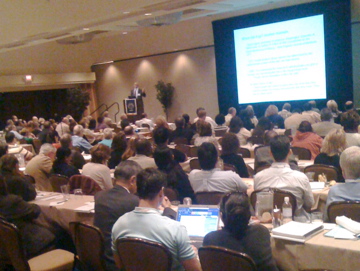 The 2008 ASBP scientific meeting in Phoenix, AZ was amazing! The 2008 ASBP scientific meeting in Phoenix, AZ was amazing!Sitting in a room full of bariatric physicians with lecturers who sometimes sound like they're speaking a foreign language with all the science and medical jargon they spout off isn't exactly the most ideal way to spend a few days away from home. But when all of the top low-carb researchers and practitioners from North America gather in one place to share their latest findings in the world of livin' la vida low-carb, you can't help but get super-excited about what is to come in the future of diet and health as the evidence in favor of low-carb diets continues to mount. What a weekend it was!   Sponsored by the American Society of Bariatric Physicians, the 2008 Nutrition & Metabolism Society Seminar held in Phoenix, Arizona presented the science supporting the low-carb lifestyle from the biggest names in the world of low-carb research--Phinney, Westman, Vernon, Volek, Feinman, Wortman, Tarino, and German. This year's conference included two half-day sessions on Saturday afternoon and Sunday morning that was in my opinion even better than the one in Nashville, TN last year. 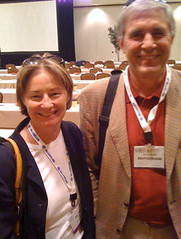 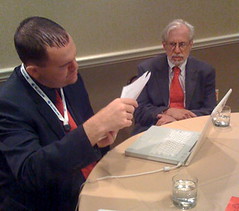 My only regret is that I didn't have a chance to interview more people at the conference than I did. However, I did get in a few outstanding ones in my limited time--Dr. Richard Feinman, director of The Nutrition & Metabolism Society and co-Editor-In-Chief of the Open Access online journal Nutrition & Metabolism, Drs. Mike and Mary Dan Eades from Protein Power (see Dr. Mike's blog post about the conference by clicking here), the producer of the hit CBC-Newsworld documentary film My Big Fat Diet (which we were able to watch on Sunday morning) about a group of First Nations people who returned to their native high-fat, low-carb diet named Mary Bissell, and a 45-minute chat with the author of Good Calories, Bad Calories Gary Taubes. These and MANY more interviews for my podcast show will be coming in the next few months from various people who attended the conference, so get ready. 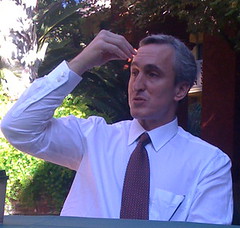 Speaking of Gary Taubes, it was such a pleasure meeting him in person. He's taller than I thought (he said the same thing about me) and could literally talk for hours about this unique role of carbohydrate in the obesity epidemic. You could really sense all the years he has invested in this subject has shaped his thinking about this so acutely that he is now a man on a mission. And he said it on several occasions throughout the weekend that he plans on pursuing this for as long as he has the energy and desire to do it. We need people like Gary Taubes who are unwilling to back down just because the message goes against conventional wisdom. He is certainly on the forefront of a revolution that could very well see a breaking point very soon. I was happy to see many of my fellow low-carb friends and champions of this cause at the 2008 ASBP/Nutrition & Metabolism conference in Phoenix: 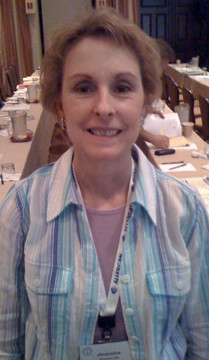 JACKIE EBERSTEIN JACKIE EBERSTEIN, who worked with Dr. Atkins for three decades and is one of the most knowledgeable Atkins diet experts in the world today. 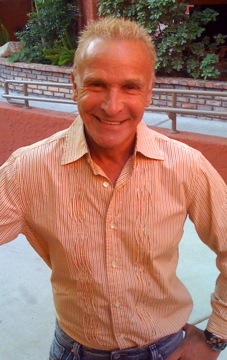 DR. JONNY BOWDEN DR. JONNY BOWDEN, author of Living The Low-Carb Life and various other books on nutritional health. It was a genuine surprise to see him there and he didn't even recognize me at first when I was speaking with Dr. Jeff Volek. Jonny greeted Jeff and started to walk away when I said, "Hey Jonny, it's Jimmy Moore!" The look back on his face was priceless! :) THANKS Jonny!  CASSANDRA FORSYTHE CASSANDRA FORSYTHE, who described herself as "Jeff Volek's slave" (she works with him at the University of Connecticut) was there as well and we got a few minutes to chat about the future of low-carb (read her blog post about the weekend by clicking here). She is certainly one of the rising stars in low-carb research and a name you will be hearing a lot more from in the coming years long after the old-timers have since passed on. She was a lot shorter than I expected, but I'm sure she could still kick my butt! :P 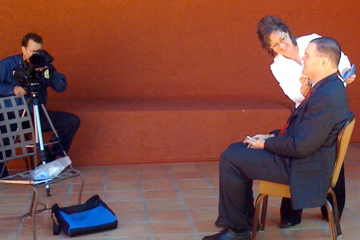 It was a real pleasure meeting Melanie Vogan from Atlanta Teleproductions, Inc. who was filming various interviews with people behind the scenes in the world of low-carb and I was honored to be a part of that. Melanie and her husband snagged a whole bunch of footage from everyone to piece together a documentary about the healthy low-carb lifestyle. I'm excited about this chance to share low-carb living in such a positive manner and Melanie is just the person to do it. She's fully committed to using her talents in the video broadcasting realm to make it happen. We'll be hearing more from her in the future and I'll let you know when the documentary will be available.  The days went kinda like this: wake up, go to breakfast (they weren't the best in the world considering this was an OBESITY conference), listen to a few lectures, take a break, listen to a few lectures, a time for questions and answers, go to lunch (which weren't any better than the breakfast!), listen to a few lectures, take a break, listen to a few more lectures, ask more questions from the speakers, and then go on your own for supper where most of us hung out at the Lantana restaurant each night just to chit-chat about whatever (the supper menus were the best--check out what I ate during this trip at my menus blog). Sounds riveting, doesn't it? Actually, YES IT WAS!!! When you get to come face-to-face with all these people you blog about, this is a VERY big deal. I liken it to being at the Super Bowl (which ironically was in Phoenix this year!) for fans of livin' la vida low-carb.  It was kinda cool sitting across from Dr. Eric Westman and Dr. Mary Vernon while sitting next to Drs. Mike and Mary Dan Eades for supper (in fact, Dr. Mary Dan couldn't finish her steak, so I happily obliged!). Rubbing elbows and listening in to the conversations that went on was absolutely priceless. I can't wait to share some of the findings that were presented at this conference as well as my interviews because it was a fabulous time for Christine and I to get away despite the hacker who brought down my forum just before I left.  Although I didn't get to hang out with her as much, I was happy to see my friend and fellow blogger Laura Dolson from the About.com Low-Carb Diets site (you can read her comments about the Phoenix event by clicking here). We had a chance to talk briefly on Saturday night, but I would have loved to been able to talk some more. There just wasn't enough time in the weekend to fit it all in! The weather was certainly a shock to my system going from a cool, humid climate here in South Carolina to the hot, dry climate in Arizona. On day two when I was planning on several interviews with people, I totally lost my voice. My nasal passages were like the Sahara desert and my groggy voice was only soothed after several hot lemon tea sips and constant water helped lubricate the voice box again. Whew, I hated that feeling and would never make it living in Phoenix, Arizona. But it was a fun place to visit and meet several of my readers who live there. 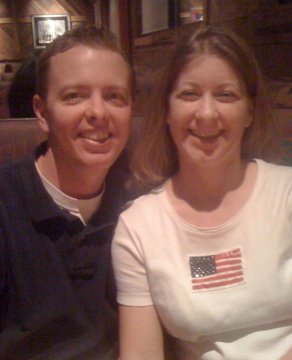 Dave and Kelly Damron (author of the book Tiny Toes and the blog Twin Peas) were very kind to pick us up from the airport and take us back on Sunday. I've had my nightmare experiences with cabs in New York City, so Kelly helped prevent that from happening in Phoenix. We enjoyed meeting up with them for dinner on Saturday night and talking about our failed IVF cycle experience in December. This is what Kelly dedicates herself to like I do low-carb, so it was kinda cool having someone who has been through it and survived despite great odds. Dave and Kelly both commented how well Christine and I have handled our situation and I told them it has only made us stronger as a couple. THANK YOU Kelly for all you are doing and I wish you and Dave all the best raising those little twin female munchkins. :) Hope to see you again someday. 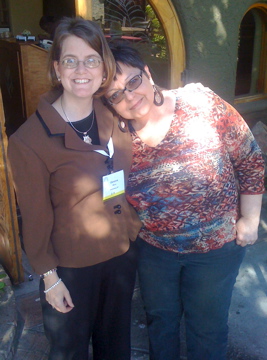 One of my longtime blog readers Jeri Sessler met with us on Friday and we had a blast just chatting it up over lunch. Jeri is such a sweetheart and I'm glad we got to meet her and spend a few minutes enjoying each other's company. What a delightful lady! We also met a relatively new fan of the livin' la vida low-carb concept who makes her own YouTube video series called the Monkaboo Project. Monyka is a real trip! I appreciate her engaging personality and it really shines through in person just like it does in her videos. We agreed to do a little segment for her latest video that I think you'll enjoy. That was a lot of fun! ;) All in all, it was a superb few days in Phoenix and I'd like to personally thank The American Society of Bariatric Physicians for extending an invitation to me and Christine to attend. We appreciate the privilege of coming to events like this despite having no background in medicine or nutrition. Anyone who is interested in the subject of weight loss, diet, and health needs to know about the fabulous work of ASBP as well as the Nutrition & Metabolism Society. Dr. Vernon was commenting about how the Nutrition & Metabolism portion of the week tripled from what it was in Nashville last year. This is real progress and I expect the numbers will continue to rise each year as the evidence keeps building and building in favor of low-carb dieting for weight and health management (and diabetes was a HUGE focus of many of the researchers as they see this as the primary front for legitimizing low-carb once again to the general public). Here's my take-home message from this conference--get involved, take the passion you have for what you believe in, and make a real difference in the world. I'll be blogging more about some specific things you can do to put some grassroots feet to spread the word. Let's just say it's time to turn up the heat on Congressmen in Washington, the American Diabetes Association, the American Heart Association, and anyone else who needs to listen to the low-carb message in a clear, unbiased manner. I have been inspired to begin working on a major project to help facilitate this. Stay tuned for many amazing things to come on this front! Now it's time to get caught up on e-mails, bringing my forum back online again, and, oh yeah, SLEEP! :) Labels: Cassandra Forsythe, conference, Eric Westman, health, Jonny Bowden, Kelly Damron, low-carb, Mary Vernon, Nutrition And Metabolism, Phoenix, research, Richard Feinman, science
Sound Science Supporting Saturated Fat Featured In Phoenix This Week
The city of Phoenix, Arizona is about to heat up this week and it's not just because summer is on the way. The American Society of Bariatric Physicians is conducting their 2008 Western Regional Obesity Course and Nutrition & Metabolism Society Symposium beginning on Tuesday, April 8 through Sunday April 13, 2008. Christine and I attended the 2007 ASBP meeting in Nashville, Tennessee last year as well as the 2006 Nutrition & Metabolism scientific sessions that took place in Brooklyn, New York. These are truly amazing conferences to attend and I am honored to be a part of them despite being just a layperson with no medical or nutritional training or background. This particular conference in Phoenix beginning on Tuesday is where all of the nation's top bariatrics physicians come together to talk about and exchange ideas about how to deal with the ever-increasing problem of obesity and to find out what is working and what is not. Yes, many bariatric physicians seem to get a bad rap for their seeming quick embracing of weight loss surgery, but a lot of the ones I interviewed for my podcast show last year looked at natural dietary ways of dealing with it first before even contemplating going under the knife with their patients. Most of these doctors are fully dedicated to helping their patients find the proven and effective plan that works best for them and they come to conferences like these to hear seminars from other experts in the field to learn how to be even better at what they do. As an added bonus set of sessions presented by the Nutrition & Metabolism Society, the weekend part of the conference is almost entirely dedicated to the truth from the research community about saturated fat, carbohydrate restrictions, and heart disease. The very latest cutting edge evidence will be presented, including examining whether there is a real connection between saturated fat and heart disease, seeking to understand what role carbohydrates play in cardiovascular risks, and comparing whether carbohydrate restriction or saturated fat restriction is preferred when attempting to prevent and treat heart disease. What a fascinating set of topics that correlates perfectly with what I do here on a daily basis and one I will be taking copious notes, I can assure you. The highlight of the conference taking place at the Pointe Hilton Squaw Peak Resort in Phoenix is hearing from bestselling author of Good Calories, Bad Calories Gary Taubes as he presents two lectures--"The Real Cause Of Obesity" on Saturday and "History of Dietary Saturated Fat-Restriction Recommendations" on Sunday. I'll be right there listening in to what he has to say as well as conducting my own interview with Taubes who has generously agreed to appear on my podcast show, too. WOO HOO! Other notables presenting information at this event who I am hoping to meet and interview while I am there include Dr. Eric Westman from Duke University, Dr. Richard Feinman from SUNY Downstate, Dr. Jeff Volek from the University of Connecticut, Dr. J. Bruce German and Dr. Steven Phinney (who I've been trying to interview for the past three years) from the University of California-Davis, Dr. Mary C. Vernon from the University of Kansas, Dr. Donald Layman from from The University of Illinois at Urbana-Champaign, and Dr. Jay Wortman who constructed the diet used by the First Nations people on the hit CBC-TV documentary "My Big Fat Diet." It will be a true honor being in the midst of these true greats who are working tirelessly behind the scenes researching the validity of the low-carbohydrate dietary approach. I consider these men and women the REAL heroes of this way of eating because they have sometimes put their own personal careers and reputations on the line in an effort to share the truth that the data shows them about livin' la vida low-carb. We all owe them a great debt of gratitude for the work they are doing to educate the public about the healthy low-carb lifestyle. I'm also excited about meeting some other wonderful people in the world of low-carb living who will be in attendance at this conference, including Protein Power authors Drs. Mike and Mary Dan Eades, Jackie Eberstein from Controlled Carbohydrate Nutrition (and who worked with Dr. Robert C. Atkins for three decades), University of Connecticut researcher Cassandra Forsythe, About.com Low-Carb Diets blogger Laura Dolson, Colette Heimowitz from Atkins Nutritionals, and many more! Christine and I can't wait to get on that plane on Thursday and spend a few days in the "valley of the sun" to get educated, encouraged and inspired anew about the healthy low-carb lifestyle. When I get back, hopefully I'll have TONS of podcasts, blog post ideas and even a YouTube video or two to share with you about this incredible conference. If you have any questions you would like for me to ask any of the people I mentioned in this blog post during my interviews, then please e-mail those to me no later than Tuesday, April 8, 2008. I will do my best to ask the experts about what's on your mind and get the answer directly from the horse's mouth. :) THANKS for supporting the work I am doing here at the "Livin' La Vida Low-Carb" blog. I appreciate you guys! By the way, if you live in the Phoenix, AZ area, then we'd love to meet you while we are there. E-mail me and maybe we can meet at the hotel to chat or have dinner with you. It would be such a privilege to come face-to-face with the people who enthusiastically support me in the work I am doing. THANK YOU! Labels: ASBP, bariatrics, conference, diet, evidence, Gary Taubes, health, low-carb, Nutrition And Metabolism Society, Phoenix, research, saturated fat, study
Stop Hatin' On Healthy Eggs, Sally Squires
If you are even a casual reader of health journalism these days, then I'm sure you've run across the regular columns from The Washington Post health and nutrition columnist named Sally Squires. Her regular "Lean Plate Club" feature includes lots of news and commentary on the latest developments in the world of diet and living healthy. Unfortunately, Squires comes at it from the conventional low-fat, low-calorie, low-cholesterol, everything-in-moderation yadda yadda yadda approach that has dominated our culture for decades now. And I've had my run-ins with her too: she dismissed weight loss bloggers like me as mere "amateurs", I chided her and other so-called "experts" for giving weight loss advice when they themselves are overweight, and I even praised her for her column about having a wide-open weight loss effort. You take the good with the bad, I suppose, but Sally Squires is back again with some decidedly BAD dietary advice regarding eggs. Whether you're livin' la vida low-carb or not, egg consumption is a VERY healthy way to start your day with a power-packed meal or anytime as a snack idea. I love my eggs and probably eat 2-3 dozen by myself every single week. Yep, yolk and all, Ms. Squires! Why? Because they are indeed (say it with me now!) H-E-A-L-T-H-Y!!! Studies have clearly shown eggs fill you up much better than their high-carb counterparts, they provide ample satiety so you are not apt to snack between meals, and most recently we learned that regular egg consumption acts as an anti-inflammatory food despite all the negative stereotypes against this nutritional powerhouse food. I even dedicated a YouTube video to the subject of eggs because it is too important for people to get bogged down by the ignorance being spouted off by people like Sally Squires. First, let's address the "artery-clogging cholesterol" comment. Ummm, where's your proof that dietary cholesterol has any impact on your lipid profile or in your arterial walls? Noted researcher on low-carbohydrate diets Dr. Stephen Phinney (who I hope to interview for my podcast show when I meet him at a symposium on saturated fat in Phoenix, Arizona next month) once conducted a test on himself eating a total of 17 eggs in one day to see what impact it would have on his cholesterol levels. Guess what? His cholesterol went up by only one point. So, this myth that eating cholesterol will raise your cholesterol is as archaic and WRONG as eating fat will make you fat. Again, I ask, where is the proof? Then Squires quotes a professor of epidemiology at the Johns Hopkins Bloomberg School of Public Health named Dr. Lawrence Appel who claims the "unhealthy saturated fat" that accompanies egg consumption from all the bacon and sausage they eat with them is what concerns him the most because it will in his opinion significantly raise LDL cholesterol levels. And he made one of the most asinine statements I've ever heard about why you shouldn't eat these delicious low-carb breakfast foods. "And many of these foods are cooked in trans fat, which also hikes LDL levels," Appel exclaimed.HUH?! What trans fat is used to cook eggs, bacon and sausage, Dr. Appel? If you're referring to margarine--a low-fat concoction that I wouldn't touch with a ten-foot pole--then obviously you know nothing about people who are livin' la vida low-carb. We cook our eggs in butter, macadamia nut oil, avocado oil, and other wonderfully healthy saturated fats. There's no trans fat in my cooking oils. And you don't need a lick of oil when you cook bacon and sausage because they've got plenty of amazing fats in them already to get brown and crispy for a wonderful complement to eggs. Ironically, Dr. Appel already understands this dynamic about eating less carbs and more fat for better heart health because of this study he published in the December 2005 issue of the Journal of the American Medical Association. Is he now disagreeing with what the science showed him quite clearly just a little more than two years ago? Come on, Dr. Appel, you know better than to allow your own personal zealotry to get in the way of being an objective observer. This quote from Dr. Appel certainly took the cake. "But what I am concerned about is that some people will think that the exception is the rule," he stated. "So they will eat an omelet on the weekend and then grab a breakfast sandwich on the run on Tuesday, Thursday and Friday. We don't want people to reverse the strides that have been made."Let me tell you, sir, it's not the eggs that will "reverse the strides" these people are making in their health. It's the SANDWICH part of that breakfast sandwich with all those carbohydrates in them that makes it worse for your body--NOT the eggs or the cholesterol and fat that's in them. If you cut out the bread and eat the eggs and meat for breakfast, then you've got just about the perfect meal. Check out my daily menus and you'll see that eggs are a major part what I eat and proudly so. They are AMAZINGLY good for you! The final paragraph in Squires' column was a bit appalling, too. "To make sense of all this, here's the bottom line: If you're healthy and you like eggs, eat them in moderation," she recommended. "If you've got high cholesterol or Type 2 diabetes, skip the yolks or limit your intake to no more than one per day."In a word, Ms. Squires, NO THANKS (okay, that's two words!). I am VERY healthy precisely because I do eat eggs--yolk and all!--regularly as part of my reduced-carbohydrate nutritional approach. As long as you are limiting your carb intake, eggs can be a yummy way to get lots of hunger-satisfying protein and fat into your body to help burn body fat and build muscle. I wouldn't think of ever giving up my eggs as long as they are providing me an inexpensive way to stay healthy. And that's exactly what they are doing! There was a chat about this Sally Squires column that was quite revealing about why she believes what she does about eggs being harmful to health, especially for Type 2 diabetics. Check out this question and answer exchange: Eggs and Type 2 Diabetes: I can understand the cholesterol issue with eggs and heart disease, but why is there an issue with eggs and Type 2 Diabetes?
Sally Squires: Because diabetes significantly raises the risk of heart disease. In fact, some experts have told me that we should consider diabetes "early heart disease." It has just that much effect on blood vessels and the heart. So the National Cholesterol Education Program--part of the National Heart, Lung and Blood Institute, advises that people with type 2 diabetes need to take many of the same steps in prevention as those who already have high blood cholesterol or other signs of heart disease.
The good news: We know from the Diabetes Prevention Program that weight loss, exercise and eating right can significantly reduce risk of developing diabetes. And we know from other research that people who already have type 2 diabetes can takes steps to control it and sometimes even reverse it.Okay, Ms. Squires, if diabetes raises heart disease risk, then why not treat the diabetes first with the best proven method for controlling it--LOW-CARB! If you want to help diabetes ward off heart disease from happening to them, then logic tells you to cut down on their carbs along with a regular exercise routine to bring about those reductions in blood sugar, insulin levels, and weight. Why do we have to make this so difficult for people to understand? Just tell 'em the truth about livin' la vida low-carb and watch the results happen right before our very eyes. Maybe that's what the Sally Squires of this world are afraid of! Labels: diabetes, eggs, health, Lawrence Appel, Lean Plate Club, research, Sally Squires, Washington Post, weight loss
'Livin' La Vida Low-Carb Show' Episode 119: Mighty McDonald's Leaves An Indelible Impression
 Don't doubt the massive power that McDonald's holds over kids Don't doubt the massive power that McDonald's holds over kidsWhen you think about the most famous brands in the entire world that are almost universally recognized by virtually everyone who sees them, one particular brand rises to the very top--MCDONALD'S! There's no denying the saturation of the Golden Arches in the marketplace today, but there's scientific evidence now that shows this influence goes much deeper than mere recognition especially among children. In Episode 119 of "The Livin' La Vida Low-Carb Show with Jimmy Moore", I highlight a study published in August 2007 that found children preferred food that was wrapped in paper with the McDonald's logo on it compared to the exact same food appearing in plain paper wrapping. It's an absolutely astonishing discovery and further solidifies the argument that many are making that McDonald's has a responsibility to encourage healthier food options for its young customer base. Click on the "LISTEN NOW" link below or download it to your iPod to hear Episode 119: "The Livin' La Vida Low-Carb Show with Jimmy Moore" Episode 119 [13:29m]: LISTEN NOW | DownloadMcDonald's is a modern-day cultural phenomenon. No other business can claim such a strong foothold on the children of this world (except for maybe Disney, but that's debatable!). And with that great power there should be a responsibility to do something effective with it while still maintaining a profitable business model. The two are not mutually exclusive and offering healthy alternatives at the most famous fast food restaurant in the world is not an unreasonable request. And don't tell me they already do offer "healthy" choices because sugary salads and HFCS-infested caramel apple dippers don't count! Creating the R Gym concept was a good start on the fitness end of things and so was donating $2 million to childhood obesity research. But those are merely window dressing on a problem that runs deeper than even McDonald's is willing to admit. Fast food makes you fatter--DUH! And yet representatives with the company want to claim eating the food at Mickey D's is part of a "balanced" diet. As John Stossel would say, give me a break! Never miss out on the latest health research and studies by: 1. Listening at the official web site2. Calling (818) 688-2763 to listen via Podlinez3. Subscribing to the RSS feed 4. Going to iTunes-- Click here to subscribe! What do you make of this study revealing the marketing prowess of a company like McDonald's? Do you think they should use their popularity among the kids to begin educating and offering better food choices? Or it is perfectly fine for them to continue peddling burgers, French fries and milkshakes to serve the needs of their "growing" customer base? Talk about it in the show notes section of Episode 119 and let us know what YOU think! Is there someone within the realm of diet, health and nutrition that you'd like to see me interview for "The Livin' La Vida Low-Carb Show with Jimmy Moore?" I'm always open to suggestions for future interviewees, so don't hesitate to let me know if I've overlooked someone important you'd like to hear more about. Please e-mail me with your recommendation at livinlowcarbman@charter.net and I'll do my best to set it up. THANKS for listening to the Internet's #1 low-carb podcast show! Labels: children, Jimmy Moore, kids, marketing, mcdonald's, podcast, research, study, The Livin' La Vida Low-Carb Show
|


