Attention Low-Carbers: USDA Now Taking Nominations For 2010 Dietary Guidelines Advisory Committee
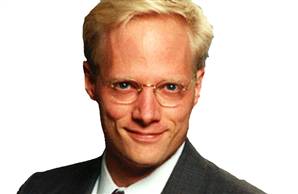
There are some very exciting things happening behind-the-scenes in Washington, DC right now as it relates to the next USDA-recommended Food Pyramid and Dietary Guidelines set to be released in 2010. As I blogged about in December 2007, President George W. Bush named Cornell University psychologist Dr. Brian Wansink (author of the bestselling 2007 book Mindless Eating) to head up the U.S. Department of Agriculture's Center for Nutrition Policy & Promotion. I was greatly encouraged by this appointment of Dr. Wansink because he has been very open to the low-carb message being heard for people like me out there who need to "lose a lot of weight on a serious diet."
In that blog post I wrote about his new leadership position over the 2010 nutritional recommendations, I was very hopeful and expectant that Dr. Wansink would continue to have those open lines of communication with the experts in the low-carb community to give their input about what should be included in the next updated Food Pyramid.
"It should be thrilling to know that there will now be someone within the USDA who isn't antagonistic against livin' la vida low-carb," I wrote in that December 2007 post. "Hopefully this open line of communication between Dr. Wansink and the low-carb message will remain that way while discussing the 2010 dietary guidelines."
So, imagine my delight when I saw this notice from the USDA (Note: this links to a PDF file download) requesting nominations for the new Dietary Guidelines Advisory Committee. Yes, that's right! They're taking nominations for who we think should be on that committee. This is open to any citizen of the United States to submit their choice(s) for who would be best qualified to serve in this capacity.
Dr. Wansink's appointment is through January 20, 2009, so there is little time to waste. That's why the nominations will only be considered through May 24, 2008. In other words, time is of the essence here. If you care about seeing the low-carb nutritional approach represented on this dietary recommendations panel (and you undoubtedly do if you read my blog!), then the time for action on this is RIGHT NOW! And we need to spread the word to everyone we know to do the same.
These new dietary guidelines are reviewed every five years and are supposed to reflect the latest research studies regarding diet and health to better inform the public about how to eat for managing their weight and health. The previous Food Pyramid in 2005 was an improvement upon the past ones, but was still sorely lacking any concept about the negative role of carbohydrate and the increasingly passive role of dietary fat, including saturated fat, in the American diet.
We NEED people who understand this connection to be seated on this committee for the sake of the future health of the American people. The low-fat lie has dominated the official government dietary guidelines since its inception in 1980 and we need to make some crucial changes in this policy if we're gonna get serious about this issue before it is too late. Haven't we suffered with the high-carb, low-fat message long enough? Will we continue to put up with such blatant disregard for the overwhelming evidence and real-life changes that are happening thanks to the healthy low-carb lifestyle? I'M NOT!
What is this committee actually gonna be doing? They will first look at the 2005 dietary guidelines and determine if any changes are necessary based on "a thorough evaluation of the most current scientific literature." If sufficient evidence is found to make changes, then new guidelines will begin being discussed by the Dietary Guidelines Advisory Committee in the Fall of 2008 through a series of two- or three-day meetings over a period of time. These meetings are open to the public as required by federal law.
The Secretaries of Agriculture (Ed Shafer) and Health and Human Services (Mike Leavitt) will oversee the reports from this advisory committee which will be led by Dr. Wansink. So, naturally, he will want to surround himself with the best possible candidates for this vital public health policy position. But who qualifies?
They are looking for people who are "knowledgeable of current scientific research in human nutrition and be respected and published experts in their fields." Additionally, according to the notice from the USDA, candidates for the advisory committee also need to be "familiar with the purpose, communication, and application of the Dietary Guidelines and have demonstrated interest in the public's health and well-being through their research and/or educational endeavors."
Here are the specific areas of expertise they want to be represented on the panel:
- Chronic Diseases such as obesity, Type 2 diabetes, and cancer
- Energy Balance issues involving exercise
- Epidemiology
- Food Safety and Technology
- General Medicine
- Gerontology
- Nutrient Bioavailability
- Nutrition Biochemistry and Physiology
- Nutrition Education
- Pediatrics
- Public Health
- Evidence Review Methodology
I can think of quite a few qualified people who meet and surpass this criteria required by the USDA to appear on the Dietary Guidelines Advisory Committee. I'm officially offering the following five names up for consideration to be nominated for this all-important position at the U.S. Department of Agriculture's Center for Nutrition Policy & Promotion:
1. Eric C. Westman, M.D., M.H.S from Duke University
2. Mary C. Vernon, M.D. from The University of Kansas
3. Richard D. Feinman, Ph.D. from SUNY Downstate
4. Stephen Phinney, M.D. from The University of California-Davis
5. Jeff S. Volek, Ph.D. from The University of Connecticut
There are many more who fit the description of what the USDA is wanting for this distinguished panel, but any or all of these five individuals are more than qualified to offer all the evidence the committee wants about the low-carbohydrate nutritional approach and its impact on health. At the very least, we need a minimum of one of these low-carb experts to be placed on the Dietary Guidelines Advisory Committee.
Here's what you need to do to nominate someone:
- Write a letter of nomination stating the name and affiliation of the nominee, why that person deserves to be nominated for this position, and a statement that the nominee would indeed be willing to serve (I have spoken with each of these five individuals I am nominating and they are all willing to serve if selected)
- Provide your name, address, and daytime telephone number along with the name, address, telephone number and e-mail address of the nominee (much of this information can be found at the links provided above--if you provide their name and the school they are located at, then that should be enough information for them to contact the nominee)
- Share a copy of the nominee's curriculum vitae or resume (again, this information can be found at the links I provided above for each nominee)
When you gather all of this information, simply e-mail it to DG2010Nominations@cnpp.usda.gov no later than Saturday, May 24, 2008. You can also submit nominations via snail mail to Carole Davis, Nutrition Promotion Staff Director, Co-Executive Secretary Guidelines Advisory Committee, Center for Nutrition Policy and Promotion, U.S. Department of Agriculture, 3101 Park Center Drive, Room 1034, Alexandria, VA 22302. Or you can also fax your nomination to (703) 305-3300.
If you have any questions about this process, simply call (703) 305-7600. If you need any additional information about these candidates after you nominate them, then please don't hesitate to e-mail me and I'll be happy to get what you need. We all need to do this for the sake of our nation's future health policy. Don't put it off thinking there will be others nominating--MAKE YOUR VOICE HEARD LOUD AND CLEAR! We NEED to get a low-carb expert on this panel, so our unified voice behind these nominees will go a long way!
By the way, I am attempting to arrange a podcast interview with Dr. Brian Wansink and he has been in contact with me about this. Hopefully I will be able to conduct this interview soon and put a bug in his ear about having a low-carb researcher/practitioner serve on the Dietary Guidelines Advisory Committee. You just don't know how HUGE it would be to have a Westman, Vernon, Feinman, Phinney, or Volek on this committee--these are the people in the low-carb research world who are making the rest of the scientific community stand up and pay attention to the high-fat, low-carb diet again. Won't you do your part to nominate them TODAY? THANK YOU!!!
In that blog post I wrote about his new leadership position over the 2010 nutritional recommendations, I was very hopeful and expectant that Dr. Wansink would continue to have those open lines of communication with the experts in the low-carb community to give their input about what should be included in the next updated Food Pyramid.
"It should be thrilling to know that there will now be someone within the USDA who isn't antagonistic against livin' la vida low-carb," I wrote in that December 2007 post. "Hopefully this open line of communication between Dr. Wansink and the low-carb message will remain that way while discussing the 2010 dietary guidelines."
So, imagine my delight when I saw this notice from the USDA (Note: this links to a PDF file download) requesting nominations for the new Dietary Guidelines Advisory Committee. Yes, that's right! They're taking nominations for who we think should be on that committee. This is open to any citizen of the United States to submit their choice(s) for who would be best qualified to serve in this capacity.
Dr. Wansink's appointment is through January 20, 2009, so there is little time to waste. That's why the nominations will only be considered through May 24, 2008. In other words, time is of the essence here. If you care about seeing the low-carb nutritional approach represented on this dietary recommendations panel (and you undoubtedly do if you read my blog!), then the time for action on this is RIGHT NOW! And we need to spread the word to everyone we know to do the same.
These new dietary guidelines are reviewed every five years and are supposed to reflect the latest research studies regarding diet and health to better inform the public about how to eat for managing their weight and health. The previous Food Pyramid in 2005 was an improvement upon the past ones, but was still sorely lacking any concept about the negative role of carbohydrate and the increasingly passive role of dietary fat, including saturated fat, in the American diet.
We NEED people who understand this connection to be seated on this committee for the sake of the future health of the American people. The low-fat lie has dominated the official government dietary guidelines since its inception in 1980 and we need to make some crucial changes in this policy if we're gonna get serious about this issue before it is too late. Haven't we suffered with the high-carb, low-fat message long enough? Will we continue to put up with such blatant disregard for the overwhelming evidence and real-life changes that are happening thanks to the healthy low-carb lifestyle? I'M NOT!
What is this committee actually gonna be doing? They will first look at the 2005 dietary guidelines and determine if any changes are necessary based on "a thorough evaluation of the most current scientific literature." If sufficient evidence is found to make changes, then new guidelines will begin being discussed by the Dietary Guidelines Advisory Committee in the Fall of 2008 through a series of two- or three-day meetings over a period of time. These meetings are open to the public as required by federal law.
The Secretaries of Agriculture (Ed Shafer) and Health and Human Services (Mike Leavitt) will oversee the reports from this advisory committee which will be led by Dr. Wansink. So, naturally, he will want to surround himself with the best possible candidates for this vital public health policy position. But who qualifies?
They are looking for people who are "knowledgeable of current scientific research in human nutrition and be respected and published experts in their fields." Additionally, according to the notice from the USDA, candidates for the advisory committee also need to be "familiar with the purpose, communication, and application of the Dietary Guidelines and have demonstrated interest in the public's health and well-being through their research and/or educational endeavors."
Here are the specific areas of expertise they want to be represented on the panel:
- Chronic Diseases such as obesity, Type 2 diabetes, and cancer
- Energy Balance issues involving exercise
- Epidemiology
- Food Safety and Technology
- General Medicine
- Gerontology
- Nutrient Bioavailability
- Nutrition Biochemistry and Physiology
- Nutrition Education
- Pediatrics
- Public Health
- Evidence Review Methodology
I can think of quite a few qualified people who meet and surpass this criteria required by the USDA to appear on the Dietary Guidelines Advisory Committee. I'm officially offering the following five names up for consideration to be nominated for this all-important position at the U.S. Department of Agriculture's Center for Nutrition Policy & Promotion:
1. Eric C. Westman, M.D., M.H.S from Duke University
2. Mary C. Vernon, M.D. from The University of Kansas
3. Richard D. Feinman, Ph.D. from SUNY Downstate
4. Stephen Phinney, M.D. from The University of California-Davis
5. Jeff S. Volek, Ph.D. from The University of Connecticut
There are many more who fit the description of what the USDA is wanting for this distinguished panel, but any or all of these five individuals are more than qualified to offer all the evidence the committee wants about the low-carbohydrate nutritional approach and its impact on health. At the very least, we need a minimum of one of these low-carb experts to be placed on the Dietary Guidelines Advisory Committee.
Here's what you need to do to nominate someone:
- Write a letter of nomination stating the name and affiliation of the nominee, why that person deserves to be nominated for this position, and a statement that the nominee would indeed be willing to serve (I have spoken with each of these five individuals I am nominating and they are all willing to serve if selected)
- Provide your name, address, and daytime telephone number along with the name, address, telephone number and e-mail address of the nominee (much of this information can be found at the links provided above--if you provide their name and the school they are located at, then that should be enough information for them to contact the nominee)
- Share a copy of the nominee's curriculum vitae or resume (again, this information can be found at the links I provided above for each nominee)
When you gather all of this information, simply e-mail it to DG2010Nominations@cnpp.usda.gov no later than Saturday, May 24, 2008. You can also submit nominations via snail mail to Carole Davis, Nutrition Promotion Staff Director, Co-Executive Secretary Guidelines Advisory Committee, Center for Nutrition Policy and Promotion, U.S. Department of Agriculture, 3101 Park Center Drive, Room 1034, Alexandria, VA 22302. Or you can also fax your nomination to (703) 305-3300.
If you have any questions about this process, simply call (703) 305-7600. If you need any additional information about these candidates after you nominate them, then please don't hesitate to e-mail me and I'll be happy to get what you need. We all need to do this for the sake of our nation's future health policy. Don't put it off thinking there will be others nominating--MAKE YOUR VOICE HEARD LOUD AND CLEAR! We NEED to get a low-carb expert on this panel, so our unified voice behind these nominees will go a long way!
By the way, I am attempting to arrange a podcast interview with Dr. Brian Wansink and he has been in contact with me about this. Hopefully I will be able to conduct this interview soon and put a bug in his ear about having a low-carb researcher/practitioner serve on the Dietary Guidelines Advisory Committee. You just don't know how HUGE it would be to have a Westman, Vernon, Feinman, Phinney, or Volek on this committee--these are the people in the low-carb research world who are making the rest of the scientific community stand up and pay attention to the high-fat, low-carb diet again. Won't you do your part to nominate them TODAY? THANK YOU!!!
Labels: Brian Wansink, Center For Nutrition Policy and Promotion, dietary guidelines, Eric Westman, Food Pyramid, Jeff Volek, low-carb, Mary Vernon, research, Richard Feinman, Stephen Phinney, USDA
posted by Jimmy Moore at
5/08/2008 05:28:00 PM
2 Comments