|
PLEASE UPDATE YOUR BOOKMARKS TO LIVINLAVIDALOWCARB.COM/BLOG
A High-Carb, Protein-Packed Breakfast For Weight Loss? Not In This Lifetime!
 Dr. Daniela Jakubowicz encourages a high-carb breakfast Have you heard about this silly study presented at The Endocrine Society's 90th Annual Meeting in San Francisco, California on Tuesday? I hear some real doozies every now and then when it comes to nutritional science as it relates to weight loss, but this one takes the proverbial cake for being one of the most bizarre, outrageous, and idiotic to come along in a while (but now let me tell you how I REALLY feel!). This story was all over the news yesterday and it just about made me nauseous with all the fawning the media was giving it. Here are some researchers who claim to have found a way to overcome the problem with cravings on a diet which eventually leads to dieters regaining their weight. It's a big top-secret bit of nutritional advice that they've unleashed on the world. Wanna know what it is? EAT A HUGE HIGH-CARB, HIGH-PROTEIN BREAKFAST and then EAT LOW-CALORIE AND LOW-CARB MEALS for the rest of the day. That's it! If you eat this "big breakfast," then you are guaranteed not just to lose weight, but keep the weight off long-term, according to the author of the study Dr. Daniela Jakubowicz from the Hospital de Clinicas, Caracas, Venzezuela. I'm sorry, Dr. Jakubowicz, but with all due respect to your research my body does not need to be inundated with carbohydrates early in the day in order for me to feel satisfied and free from cravings the rest of the day. It can be argued that eating those carbs in the morning even with a high-protein intake will result in a spike in blood sugar leading to a quick mid-morning crash and hunger like you wouldn't believe. That's why I started livin' la vida low-carb so I wouldn't have to deal with that anymore. Of course, if you are gonna consume a large amount of carbs, then it is better for it to be earlier in the day so you have time to burn them off as part of your daily activities. But this does not abdicate the body's natural response to them over the course of the day which can have health implications if this high-carb breakfast strategy is implemented long-term. This kinda sounds like a reverse Carbohydrate Addict's Diet if you ask me. The study itself was conducted in conjunction with researchers from Virginia Commonwealth University in Richmond, Virginia and Dr. Jakubowicz wanted to see what the long-term impact of satiety (the feeling of being "full") and cravings using a strict low-fat, low-calorie, low-carb diet and one that included the "big breakfast" on 94 obese inactive women. Well, there's your first problem. A truly effective low-carb diet cannot be calorie-restricted or fat-limited. Fat is the fuel for your body when you remove the carbohydrates, so limiting your calories from this macronutrient while cutting your portions down to minimize your caloric intake is setting your diet up for disaster from the beginning. I've said it many times before, but I'll say it again: DON'T MIX LOW-FAT AND LOW-CARB TOGETHER! It will only lead to a miserable weight loss experience. There were a total of 46 women place on the very low-carb diet with the following macronutrient and caloric breakdown: FAT--78g PROTEIN--51g CARBOHYDRATE--17g TOTAL CALORIES--1,085 Am I the only one to look at that minuscule amount of food and say EEEEK?! While the ratio of fat/protein/carbs is excellent coming it at around 79/14/7, the calories are way too low. I even added up the numbers and I only came up with 974 calories--over 100 calories less than the researchers claimed. If you multiply 78 X 9 calories for each gram of fat, that gives you 702 fat calories. Add that to the 51 X 4 calories each for the protein to give you a total of 204 protein calories and 17 X 4 calories each for the carbohydrate to give you a total of 68 carb calories. Adding up these three numbers, you only get 974. Do I need to tell you how deficient this is for a healthy low-carb diet? The percentages are fine, but the portions are inadequate. Their breakfast was the smallest meal of the day at just 290 calories and they could use up to 7g of carbs in the form of bread, fruit, cereal and milk and only 12 grams of protein coming from meat and eggs, for example. The researchers were trying hard to keep this control group from having a "big breakfast" with too much protein. But let's call their bluff again on this one. Who follows a low-carb lifestyle and has bread, fruit, cereal and milk for breakfast? Anyone? I've never heard of someone who is livin' la vida low-carb eating such foods because they are NOT permitted during Induction as this group was supposed to represent. I just did a YouTube video on what you can eat on Induction and it doesn't include any of those things. Instead, it's all about consuming healthy amounts of fat and protein to keep your hunger at bay to help you get through the day. That's what Dr. Atkins advocated, NOT this made-up version of low-carb these researchers put these people on. Conversely, there were 48 women place on the "big-breakfast diet" with the following macronutrient breakdown: FAT--46g PROTEIN--93g CARBOHYDRATE--97g TOTAL CALORIES--1,240 The ratio of fat/protein/carbs is about evenly balanced coming it at around 36/31/33, which isn't exactly low-carb by any real stretch of the imagination. And once again the calories don't seem to add up only totaling 1174--66 calories less than what the researchers stated. If you multiply 46 X 9 calories for each gram of fat, that gives you 414 fat calories. Add that to the 93 X 4 calories each for the protein to give you a total of 372 protein calories and 97 X 4 calories each for the carbohydrate to give you a total of 388 carb calories. What's up with this screwy math? Regardless, it's quite easy to see that the huge high-carb "big breakfast" meal at the beginning of the day for the dieters in this group greatly skews their macronutrient totals for the day making this an odd "low-carb" diet. They consumed a 610-calorie breakfast with 58 grams of carbohydrate, 47 grams of protein, and 22 grams of fat. Their lunch was 395 calories of another high-carb, low-fat meal (13/28/34) followed by supper being a 235-calorie meal that's very low-carb, high-fat (26/18/5). I can only imagine what the bodies of these poor women were thinking on this diet. WHAT IN THE WORLD ARE YOU DOING TO ME?!?! So, what were the "results" of this suspicious eight-month study? Four months focused on weight loss followed by another four months of weight maintenance. The strict low-carb, low-calorie group lost an average of 28 pounds compared with the "big breakfask" group who only lost 23 pounds. Statistically, this is not a big difference, according to the researchers. But the "ah hah" part of this study Dr. Jakubowicz wants people to remember about it is what happened at the end of the eight months--after four months of maintenance. The low-carb, low-calorie dieters regained an average of 18 pounds for a cumulative weight loss of 10 pounds--just 4.5 percent of their body weight. Meanwhile, the "big breakfast" group lost an additional 16.5 pounds for a total weight loss of 39.5 pounds--an amazing 21 percent of their body weight. Dr. Jakubowicz reminds people that the women who had the "big breakfast" said they weren't as hungry before lunch and lacked the cravings for carbohydrates that the low-carb, low-calorie dieters did. "Most weight loss studies have determined that a very low carbohydrate diet is not a good method to reduce weight," Dr. Jakubowicz concluded. "It exacerbates the craving for carbohydrates and slows metabolism. As a result, after a short period of weight loss, there is a quick return to obesity."Oh really, Dr. Jakubowicz. Is that a fact? Livin' la vida low-carb makes carb cravings WORSE and slows down your metabolism?! WRONG!!! My experience has been that eating a truly low-carb diet (not one that starts off your day with cereal or bread!) keeps the cravings away and consuming plenty of fat and moderate protein as every good low-carb diet does will rev up your metabolism into a fat-burning machine while you enjoy delicious foods that will keep your energy level up all day. The major flaw in this study was the restriction on calories it placed on the low-carb dieters in the control group. Have them get rid of the fruit, milk and bread for breakfast and let them eat all the eggs and sausage they need to satisfy their hunger. Then at lunch, have them eat a hamburger patty or two with some cheese on top and a little mayo with a side salad and Ranch dressing. For supper, let them cook up a nice fatty steak and serve a little steamed broccoli or cauliflower with butter on the side. Snacks in between those meals can include almonds, macadamia nuts, sugar-free chocolates, cheese sticks, pepperoni slices, and other snackable low-carb foods. If your control group was allowed to truly eat a healthy low-carb lifestyle as outlined above, then they would have lost more than 28 pounds in four months and they most certainly would not have gained anything back. Speaking of that, how did they gain the weight back? Did they add back more calories in the form of carbs to go with the fat they were eating? Anyone with a brain knows that a high-fat, high-carb diet is unhealthy, so why should it be surprising they'd gain the weight back, hmmmmm? This just seems so suspicious to me and they're pointing the finger of blame at the diet itself. Look, livin' la vida low-carb works when you work it. If you stop doing it, then you are no longer following a low-carb diet. Trying to pin the blame of weight gain on low-carb is like blaming President George Washington for getting us in the war in Iraq. The only person you can fault when you decide to stop low-carbing is YOU. Dr. Jakubowicz says only 5 percent of low-carb dieters are still at it two years later, but whose responsibility is that? The diet or the dieter? I don't think you can lay that one at the feet of livin' la vida low-carb. I know many people who have been eating this way for years and they've done just fine. Dr. Jakubowicz also says that low-carb living does not address addictive eating impulses, but I could not disagree more. When you eat this way, you bring so much balance back into your health by getting off of those blood sugar swings that are causing insulin to spike inside of your body and setting off a whole string of health consequences. Yes, you can certainly lose weight eating carbs, but what is happening to your health? There are no guarantees you are putting yourself in a better position with weight loss on a low-fat diet. So this "big breakfast" approach is supposed to be the "be-all, end-all" diet for people now, huh Dr. Jakubowicz. It's supposed to control my appetite and make me not crave sugary and starchy carbs, eh? And it's HEALTHIER than anything else out there because you get to eat more fruit on it. Wanna know what I think (you probably don't, but you're gonna get it anyway!)? I think you're just another low-fat diet lover trying your darndest to discredit and taint the healthy low-carb lifestyle under the guise of science. People like you doing this kind of research are what's WRONG with medical studies today. Your bias could not be more evident if you tried. Why not actually read Dr. Atkins' New Diet Revolution or Protein Power and see what they doctors have written about low-carb living. It's MUCH different than what you stupid study would have people believe and yet somehow I don't think you really care. And that's the most regrettable part of this entire scenario. 6-19-08 UPDATE: The always entertaining and opinionated Dana Carpender weighed in on this "study" today with a column entitled "Oh, Fercryinoutloud! The "Big Breakfast" Study" where she echoes many of the same points I made. GET 'EM DANA!!! :) 6-22-08 UPDATE: My blog post about this study appeared in business journalist Dana Blankenhorn's latest column entitled "Have You Tried The IHOP Diet?"6-22-08 UPDATE: I heard from the researcher's son Dr. Salomon Jakubowicz today who said the media distorted what her research was all about. Here's what he wrote: Regarding my mother Daniela Jakubowicz's study she tried to make a low-carb diet including breakfast for both subjects and controls but the journalists increased the importance of the carbs during breakfast incorrectly calling it a "High-Carb And High-Protein Breakfast." She does know that protein's satiety power is bigger than carbs or fats. Your review is challenging although not very respectful for a health researcher.Well, #1 I'm not a health researcher. I'm a guy who lost weight and got healthy on a truly low-carb diet. That notwithstanding, I think it is incumbent upon your mother to set the record straight since the headlines completely skew what her study intended. I have invited Dr. Salomon to ask his mother if she would like to appear on my podcast show to clear the air about how her study was misinterpreted. We'll see what she says. :) Labels: big breakfast, Daniela Jakubowicz, health, high-carb, low-calorie, low-carb, low-fat, research, study, The Endocrine Society, weight loss
Note To Dr. Dean Ornish: We DON'T All Agree About What Is Considered Healthy
 Agreement and civility are mutually exclusive of one another It's been a few weeks since I was given the unique opportunity to speak with low-fat diet guru Dr. Dean Ornish to discuss his new book entitled The Spectrum. Now that all four parts of the interview has been aired on my podcast show, I'd like to offer a postscript expressing my thoughts about what was said during the interview by Dr. Ornish. Anyone who has not listened to the 100-minute interview, here are the direct links to each segment for your convenience. It's pretty fascinating stuff and quite confrontational at times, so give it a listen if you haven't already done so: - My Second Interview with Dr. Dean Ornish- Dean Ornish, Jimmy Moore Debate 'The Spectrum'- Does Dean Ornish Now Support A Low-Carb Diet?- Whatever You Do, Don't Call Dean Ornish A Low-Fat VegetarianBefore I share my opinions about the interview itself, let me give you some background about how this came about. In early 2006, I decided on a whim that I wanted to try to get an interview with Dr. Dean Ornish to talk with him about his dietary philosophy. My modus operandi was nothing more than to hear what the man had to say about what he believes regarding diet, health, and nutrition. I initiated contact with him through every means I knew to reach Dr. Ornish and was pleasantly surprised to hear back from him within a couple of months about setting up the interview. This was only about a year after I started my blog and many months before I had my own podcast show. In fact, I wasn't even sure how I was gonna record the interview since I didn't have ANY equipment to make it happen. As it turns out, in the summer of that year Dr. Ornish got married to his wife Anne and our interview was delayed until October. It was a long time coming, but we finally made it happen and you can read all about it with the transcripts of that interview here, here, here, and here and even listen to the raw audio footage I taped using a digital recorder and a speaker phone by clicking here and here. I even wrote this post-interview challenge to Dr. Ornish and low-fat advocates to pursue those areas of common beliefs to help those who struggle with weight and health issues understand some of the basics of what is generally accepted by everyone as healthy. Fast forward to early 2008 and this time around Dr. Ornish contacted me to see if I'd like to interview him again to talk about his new book. He explained that he wrote The Spectrum because he was inspired by our previous interview and those areas where we agreed. I was excited to hear that this man who had based his entire career on advocating a high-carb, low-fat, vegetarian diet was open to the possibility of finding merit in other nutritional approaches that run counter to what he has always believed. I honestly held out hope that The Spectrum would show progress in the way Dr. Ornish now thought about livin' la vida low-carb. Unfortunately, that was not to be. I will give him credit that the ideals espoused in his book are definitely a step forward in attempting to forge some common ground among those who advocate a low-fat or a low-carb diet, but it didn't take long to see that what Dr. Ornish believed was on the healthy end of the "spectrum" of food choices was the same old high-carb, low-fat vegetarian choices and the foods on the least healthy end were the more fatty, meat-based choices. In other words, not much has changed at all! While our interview was indeed a cordial one because I am not the kind of person who seeks to rip the throat out of someone I am speaking with, I wasn't going to let Dr. Ornish dominate the conversation tee-totally as I did by design with my first interview. This time around I challenged him where I thought we disagreed as he requested upfront before our interview even began. Boy did I ever! Let me tell you, though, it was quite nauseating for Dr. Ornish to implore a strategy designed to make it seem like we all agreed when in fact we didn't. You'll notice quite often during our interview, he made references like "we all agree" or "we're not in disagreement about" prior to making a point. The first couple of times he did that, I was only casually listening to what he had to say next. But when it became a habitual part of his communication strategy, my ears perked up every single time he did that. You don't know how tempted I was to say back to him, "Oh, so since we all agree on what a healthy diet looks like, then that must mean you think a high-saturated fat, low-carbohydrate nutritional plan is needed to bring about improvements in weight and health. After all, we're not in disagreement about this at all, are we?" Dr. Ornish would have crapped in his pants if I actually said that and it would have been snarky for me to do so. That said, he KEPT on doing it and I finally had to call his bluff on it. When I did, he seemed to get perturbed with me and contend that I'm making this a "low-carb versus low-fat" thing. And that's another issue I had with Dr. Ornish during our interview. Every single time I brought up a question about carbohydrate or fat intake, he'd use this excuse that he's not interested in the "diet wars" which he declared as over and done with now. How convenient for you, Dr. Ornish! While you say you no longer want to engage in the macronutrient debate (which is obviously not true as evidenced by this attack by you against the Atkins diet in March 2007), the fact is you have built your entire reputation on the high-carb, low-fat, vegetarian diet. It's what you will always be remembered for--good, bad or ugly. While it's nice that you finally agree with low-carb advocates that refined carbohydrates are not as healthy as you once believed they were, even that's not entirely true based on your placement of this category of foods in the moderately healthy part of your "spectrum." What's up with that? Sure, you say that if they are eaten by themselves they should be considered among the least healthy, but that caveat is NOT explained in your book. And, I'm sorry, but eating more fiber with those carbohydrates will NOT significantly slow the blood sugar rise and insulin response in the body as you claim. It would send me into a sugar rush tailspin that would take days to recover from! And that's another issue of contention I had with Dr. Ornish. While I can appreciate his insistence on looking at the data and the science behind what he recommends, it seems he quite conveniently neglects all the preponderance of the evidence that has come out in recent years regarding a high-fat, controlled-carbohydrate dietary approach. Every researcher he cited you'll notice was his "friend." People like Dr. David Ludwig, a low-carb researcher interested in issues involving childhood health (I recently reviewed his fabulous book Ending the Food Fight), are considered by Dr. Ornish to be on his side of the health debate. But something tells me this "friend" he cites would have something to say about being associated with the high-carb, low-fat, vegetarian diet that runs directly counter to what his research is showing him about a healthy diet. Then, when I mentioned the name of Gary Taubes and his brilliant book Good Calories, Bad Calories, you would have thought I had just cursed his grandmother! Oh the vitriol that came out of Dr. Ornish's mouth about Gary Taubes was enough to see exactly who he is and what he's about. It very clearly showed me he was uninterested in the evidence and simply stuck on his own monopolistic viewpoints. When I asked if he had read the Taubes book, you'll notice Dr. Ornish never really answered that question. He said it was on his desk, but that doesn't mean he read it. The disrespect he showed Gary Taubes by claiming he was "just a journalist" put his snobby, elitist attitude on full display for everyone to see. So, does it disqualify Gary Taubes from conducting over six years of research with 150 pages of references in his book because he's not a researcher with an MD or PhD behind his name, Dr. Ornish? I think not. I don't have those credentials either, Dr. Ornish, so why would you waste your time on a nothing blogger like me since obviously you look at me in a similar light as you do Gary Taubes? This is why low-carb supporters continue to be skeptical of any changes in you, Dr. Ornish--we don't see any evidence that you're different in either your message or the manner in which you communicate it. It's just more and more of the same old stuff that's been repackaged to seem different. But it's not. Then there's the issue of people like me who have been highly successful at losing weight on a diet that runs absolutely opposite of what Dr. Ornish has been promoting his whole life. When I asked him about that, he skirted the question rather quickly and moved into talking about all his research about low-fat diets again. Ummm, that wasn't the question, sir. HOW DO YOU EXPLAIN JIMMY MOORE and others who have been successful at not just losing weight on low-carb, but keeping it off over the long-term? It's not a difficult question to answer and I'd STILL love to hear what he has to say about it. Dr. Dean Ornish is very good at creating diversions from the difficult questions. If he wasn't involved in the health industry, then I'm sure one of the major political parties would LOVE to have him run for office since he can wiggle and maneuver his way out of all the tight circumstances. It's no doubt something he has to do nowadays in light of all the evidence that keeps pouring in from the research community shooting down every single theory he has ever held about a healthy diet. That's fine that he declares his diet is the only one to be proven to "reverse heart disease" but I'm not buying it. To state as you have your entire career that the healthiest way to eat is a high-carb, low-fat, vegetarian diet is not only false, but completely misleading to a nation full of people who deserve better than that, Dr. Ornish. There should be just as much emphasis on the negative role of carbohydrate in your "spectrum" and not just the refined carbs. Even some whole grains are detrimental to the health of those who are especially insulin resistant--and it's a lot more people than you're willing to admit are out there, my friend. I'm sure this blog post will be reason enough for Dean Ornish to never want to do another interview with me again, but that's no concern for me right now. I had to speak the truth and the truth is I couldn't remain silent about the continued lies he is sharing with people about his failed dietary philosophy. Get with the times already, Dr. Ornish. Whether you like it or not, livin' la vida low-carb IS mainstream now and here to stay. It's not low-carb versus low-fat--it's what works for the individual. Your refusal to even acknowledge that a low-carb program will work for some gets to the very heart of the matter. Even I am the first to admit that low-carb will not work for everyone, but it's an option that should at least be promoted by health groups and tried by people who have struggled on a high-carb, low-fat diet as I did for most of my life before going on the Atkins diet in 2004. My mantra is for people to find the proven and effective plan that works for them, follow that plan exactly as prescribed by the author, and then keep doing that plan for the rest of their life. If that's an Ornish-styled low-fat diet, then I say GO FOR IT. But if it's an Atkins-styled low-carb diet, then that should be something you should openly encourage people to follow, too. Now that's something we ALL agree about anyway, right Dr. Ornish? Labels: Atkins, Dean Ornish, health, high-carb, interview, low-carb, low-fat, podcast, vegetarian
No, Connie Bennett, One High-Fat Meal Will NOT Damage Your Body
  Why does Connie Bennett agree with Dr. James O'Keefe about high-fat? It's not that often when I disagree with a fellow low-carb blogging friend who agrees with me that consuming sugar and excessive carbohydrates is bad for your weight and health. But when "SUGAR SHOCK!" blog author Connie Bennett wrote a post this week entitled "Just One High-Sugar, High-Fat Meal Can Damage Your Body, Study Stays," I felt compelled to respond. The report was actually written by Connie's correspondent Jennifer Moore (no relation), but there was a brief "Note from Connie" at the beginning of the post that made me raise my eyebrows. Here's what she wrote: "If you think one fatty, culprit-carb-laden meal won't do harm to you, think again."Say it ain't so, Connie! I'll agree that a "culprit-carb-laden meal" may cause harm, but what's with the "fatty" part? Why even go there when you have seen all the studies in research for your SUGAR SHOCK! book showing a high-fat, low-carb diet is not only healthy, but beneficial in so many ways to the body. In fact, you should take a closer look at the book by Gary Taubes (who you interviewed recently) called Good Calories, Bad Calories to find out more of the science behind this. The study cited on Connie's blog was published in the January 2008 issue of the Journal of the American College of Cardiology and led by a well-known pro-vegetarian, low-fat diet loving internist from the Mid America Heart Institute and University of Missouri–Kansas City named Dr. James H. O'Keefe. The primary point from his study is to eat more whole, high-fiber foods that come from plant sources as well as lots of whole grains, legumes, and nuts to prevent your blood sugar from rising too fast which then increases your triglycerides to in turn lead to inflammation in the body. Sounds good, right? But... But we already know what causes those health issues to happen. It's carbohydrates! Even those so-called "good" carbs that come from some fruits and vegetables as well as the much-heralded whole grains craze and legumes can and will spike your blood sugar and release insulin inside the body almost as fast as sugary junk foods do in those of us who are especially carb-sensitive (which is why we started livin' la vida low-carb to begin with!). Ignoring this fact is not giving people the entire picture and Dr. O'Keefe knows that. Although you have people like Dr. Judith Wurtman espousing the absolutely absurd theory that saturated fat consumption can lead to Type 2 diabetes, the truth of the matter is a high-fat diet in the absence of carbohydrate is not at all harmful. Nobody has yet to offer any credible published research to counter this fact, so why do we continue to have imbecilic researchers like Dr. O'Keefe trying to shove their personal beliefs into the science when the evidence is just not there? And why is such research embraced by people like Connie Bennett who should know better? This whole sage with the O'Keefe study reminds me of a study which was also published in the Journal of the American College of Cardiology in August 2006 by Dr. Stephen Nicholls that concluded eating one saturated fat-laden meal will reverse any good cardiovascular health markers that may have been present inside the body. Another study released in the April 2007 issue of The Journal of Nutrition by Dr. Tavis Campbell made similar ridiculous statements about the one fatty meal claim. But, again, the "fatty" meals used in these studies are also very high-carb meals as well. How about doing a study comparing a high-carb, high-fat meal with a low-carb, high-fat meal and let's see what happens to the health markers then, hmmmm? How about it Dr. O'Keefe? And, with all due respect to my fellow low-carb blogging colleague Connie Bennett, she should know better. Sure, consuming the "culprit carbs" (as she calls sugary, simple carbs) is indeed unhealthy and most of us agree with that wholeheartedly. But why lump in dietary fat with the whole kit and kaboodle? No, Connie, one high-fat meal will NOT cause damage to your body when carbohydrates are severely reduced or eliminated. A high fat diet is only unhealthy in tandem with a high-carb one. And perhaps that's what Connie's correspondent Jennifer Moore was TRYING to say in her post. But the way it was written with that finger-pointing headline, it certainly made it appear to be damning to fat. Perhaps some clarification is in order, Connie, and I welcome your feedback. We'd love to know why you believe a high-fat diet is so unhealthy (if you do). Feel free to share your comments so we can better understand where you are coming from. As for Dr. O'Keefe, you can contact him to share your comments about his study at jhokeefe@cc-pc.com. Tell him it's not the dietary fat, but the carbs that cause damage to health. Encourage him to take up my suggestion to do a study on a high-carb, high-fat vs. low-carb, high-fat diet comparison. Who knows, if he's a real scientist, then he should be up for the challenge, right? :) 1-29-08 UPDATE: Well, Connie Bennett responded today and attempted to clarify what she meant by what she wrote in the column that was posted at her blog. I appreciate that, but I do think she took this way too personally. It was all about the message and not YOU, Connie. Perhaps this will make you pay closer attention to what you allow on your blog from now on, hmmm? Labels: blog, Connie Bennett, diet, high-carb, high-fat, James O'Keefe, Jennifer Moore, study, SUGAR SHOCK
Excess Carbohydrates Triggers New Body Fat To Accumulate, Researchers Learn
 Dr. James Ntambi says some obesity attributed to high-carb diet Although his September 2007 release Good Calories, Bad Calories has been met with much skepticism and criticism by those deeply entrenched in the conventional wisdom about diet and health who have interviewed him over the past couple of months since its release, New York Times science journalist Gary Taubes is adamant that the more than five years of research he conducted is merely the BEGINNING regarding the hypothesis that it is carbohydrates that is the root cause of obesity and other health-related diseases in people with a certain genetic disorder making them highly susceptible to rapid weight gain when they consume carbs of any kind. And he's definitely not alone now in this assertion within the medical community. Dr. Andrew Weil understood it right away after reading Taubes' bestselling book as does Dr. David Ludwig who shared his own study recently on the ill effects of carbohydrates on the condition known as "fatty liver" disease. Now brand new research on the negative impact of carbs on weight and health sanctioned by the National Institutes of Health (NIH) is adding yet another layer of scientific truth and confirmation to what most of us who are livin' la vida low-carb already knew. Lead researcher James M. Ntambi, PhD, Katherine Berns Von Donk Steenbock Professor of Biochemistry and Nutritional Sciences at the University of Wisconsin-Madison, and his team of researchers have discovered a specific gene in the liver known as SCD-1, short for stearoyl-Coenzyme A desaturase 1. I like SCD-1 better, don't you? :) It turns out this SCD-1 gene may be the culprit in why some people who eat a high-carb diet keep gaining and gaining weight while others who consume the same diet don't. Apparently, this gene actually causes dietary carbs to be turned into stored body fat rather than being broken down for energy. Conversely, mice that did not have SCD-1 in their liver were able to use the carbohydrates instead of having it turn to fat. Hmmmmmm... Dr. Ntambi even fed a starchy, sugary diet to mice without SCD-1 in their liver and the excessive carbohydrates were used up and not stored. In other words, the carbs were not a contributing factor to any weight gain in the mice without SCD-1. But normal functioning livers in the control mice with the presence of SCD-1 saw just the opposite happen--the high-carb diet they consumed quickly poured on body fat by eating the exact same food. In the battle against the bulge, Dr. Ntambi said his study shows that genetic liver function seems to play a more critical role than thought that may react differently in people with varying levels of the SCD-1 gene. "It looks like the SCD gene in the liver is responsible for causing weight gain in response to a high-carbohydrate diet, because when we take away the gene's activity the animals no longer gain the weight," he said. "These findings are telling us that the liver is a key tissue in mediating weight gain induced by excess carbohydrates."The results of this study were published in the December 5, 2007 issue of Cell Metabolism. Well, look what we have here. As much as the so-called health "experts" like Glenn Gaesser go around ignorantly spouting off their mouth about how consuming a high-carb, sugary diet is perfectly fine for people to manage their weight, along comes a monkey wrench in that theory that is invariably tied to genetics. It makes you wonder just how many people are walking around and have this SCD-1 factor going on in their liver. While I don't know for sure, I'd be willing to bet with high probability that this explains how I got to 410 pounds back in 2004 and why carbohydrate restriction worked so well for me to shed over 180 pounds. And the eye-opening results of this study are not lost on Dr. Ntambi who believes this study should open the door for even more research into the damning role of carbohydrates in weight gain and producing excessive stored fat. He sees this as a solid first step in bringing about major changes in how obesity is treated in the future. If it can be determined that SCD-1 exists in a more concentrated form among the overweight and obese, then the golden opportunity to offer a natural, dietary solution like livin' la vida low-carb to them exists and should be actively promoted to them. "We think that obese individuals, in general, may have higher SCD activity in both the liver and in adipose tissue," Dr. Ntambi explained. "So, they may have a higher capability of converting carbohydrate into fat."This is some of the most amazing research in favor of low-carb as a viable option for people struggling with weight issues to come out over the past few years because it lends credibility to the idea that lowering your carbohydrates is a very good thing for a whole lot of people. We already know from this Harvard study that people with high insulin levels don't do well on a high-carb, low-fat diet. Perhaps they have this SCD-1 gene, too. It's an exciting development for people like me who found merit in this way of eating independent from what my doctor and common societal knowledge told me was right. I believe this study could be a godsend for others who struggle being overweight, too, because it could convince them to take charge of their own weight and health like I did. Sadly, the Standard American Diet (SAD) is chock full of carbohydrates galore no thanks in part to ridiculous food ingredients such as high fructose corn syrup (HFCS) that shows up in just about everything nowadays, especially soft drinks and candy. It's disgusting how little outrage there is over the presence of HFCS in so much of what we eat while people go around getting their panties in a wad over seeing a little bit of saturated fat on a food label (scaremongering by the American Heart Association and their "Bad Fat Brothers" campaign hasn't helped matters either). UGH! Are we bassackwards regarding nutrition nowadays or what? Perhaps this is the kind of research that will FINALLY get the traditionalists to think outside the box and realize there is something more to the idea that consuming sugar is unhealthy and not conducive to weight management because of a genetic predisposition. Whether that has ever been clearly articulated before, it certainly has now with this study. "This is a very good example of a diet-gene interaction," Dr. Ntambi noted.In fact, this latest research is part of an ongoing look at other parts of the body where SCD-1 may exist, such as the liver, muscles, brain, pancreas and adipose tissue to see what would happen. When SCD-1 was nonexistent, it didn't matter how many carbohydrates the researchers fed the mice--THEY DIDN'T GAIN A POUND! It makes me wonder if my wife Christine is fortunate enough to have a low amount of SCD-1 in her body since she can get away with eating A LOT MORE CARBS than I can and maintain her weight (ya know, it makes me sick!). :D Interestingly, Dr. Ntambi found a rather peculiar and distinctive dichotomy among those mice that lacked the SCD-1 gene--they GAINED weight on a diet higher in fat versus a diet high in sugary carbs and low in fat which protected their health as well. In other words, a low-carb diet provided no weight management benefit to them which lends credence to my philosophy that people need to find the nutritional plan that works for THEM and follow that individualized program to properly take care of their own weight and health. So what does all this mean? The first thing that pops in my mind is how utterly meaningless and ridiculous it is to have universal health recommendations for the general population. While a low-fat diet has long been trumpeted as "healthy" for everyone, that's obviously just not true. Now more than ever we need to see the low-carb diet promoted alongside the low-fat diet as another option for those people with this SCD-1 condition. Otherwise, you're destined to keep those people fat for the rest of their lives because they'll constantly get frustrated when their weight fails to stabilize on a fat-restricted diet. I'm thinking out loud here, but there ought to be a test where people can determine what the level of SCD-1 in their liver is. I'm not a doctor, but it doesn't seem like this would be very hard if you did a biopsy or blood test of the liver to see. Those who have a strong presence of the gene should be placed on a strict low-carb diet regimen and those with little to no SCD-1 (ostensibly thinner by default) would be placed on a strict high-carb, low-fat diet. In the mice that did not have any SCD-1, glucose production was basically shut down which prevented excessive insulin to be created in the body but subsequently led to an increased risk of hypoglycemia, or low blood sugar (which is why a high-carb diet is necessary for blood sugar management for them). Additionally, glycogen stores are not able to be created because the oleic acid, which helps with the breakdown of carbs, is rendered useless since the body converts them into energy. "It looks to us that if you don't have enough oleic acid - which the SCD enzyme makes - then the carbohydrate does not proceed through normal glucose metabolism," Dr. Ntambi concluded.To confirm this, the researchers added oleic acid supplements to the diet of these SCD-1 lacking mice and their metabolism returned to normal function. But it looks like the more carbs consumed, the higher amount of SCD-1 is present which can produce an overflow of oleic acid which then leads to stored fat and thus obesity. So it's never a good idea to go too overboard on the carbohydrates, simple or otherwise, as has been previously suggested and encouraged many times before by supposedly educated health "experts." Dr. Ntambi agrees. "Too much carbohydrate is not good," he remarked. "That's basically what we are saying."Well, it's about time SOMEBODY in the medical research world said it and I hope this is merely the start of an exciting new trend. My desire is that this research will continue forward by Dr. Ntambi and other courageous researchers willing to let the data speak for itself without being dictated b any preconceived notions or low-fat dogma. And it looks like Dr. Mary C. Vernon's dream that the NIH would begin funding more low-carb studies is coming to fruition. The ball is now moving forward on the research, so I'm ready to see even more of it in the coming years! BRING IT ON!!! You can e-mail Dr. James Ntambi about his remarkable research on the role of the SCD-1 gene in the liver and the negative role it plays when combined with a high-carb diet at ntambi@biochem.wisc.edu. We need to encourage MORE of these kind of studies to be conducted, so share your positive comments with him about this one. 12-7-07 UPDATE: Here is Regina Wilshire's take on Ntambi's study. Labels: carbohydrates, diet, Gary Taubes, gene, high-carb, James Ntambi, liver, low-carb, mice, research, SCD-1, study, University of Wisconsin-Madison, weight loss
UVA Professor Gaesser Claims Sugar Consumption Is 'Linked To Lower Body Weights'
 Dr. Glenn Gaesser is peddling in place with his nutritional blather The damning evidence against a high-carb, low-fat diet keeps getting worse and worse all the time as studies continually show that particular nutritional approach is a uniquely unhealthy way to eat to live. British health expert Dr. John Briffa told me in a recent interview I conducted with him that a high-carb diet leads to a variety of negative health conditions. "A high-carb diet can upset blood sugar and insulin balance that can lead to symptoms such as sweet cravings, fuzzy thinking, fatigue and waking in the night in the short term, and problems such as weight gain, type 2 diabetes and heart disease in the long term. Plus, high-carb diets often fail to really satisfy the appetite, making them quite unsustainable. It is just this sort of diet than can make ‘career dieters’ out of people. And these diets can be lacking in key nutrients, so that individuals can end up overweight and malnourished, all at the same time. Hardly ideal!"Yikes! Add to everything Dr. Briffa just mentioned that fact that studies have show a high-carb diet also leads to lower HDL "good" cholesterol and much higher triglycerides, the development of esophageal cancer, a greater risk for developing Type 2 diabetes, neglible weight loss in most people, the development of Alzheimer's disease, is ineffective for weight loss among those who are insulin resistant, and is powerless against breast cancer, among many other health ailments. Noted low-carb researcher Dr. Jeff Volek from the University of Connecticut (who recently released a book entitled the Men's Health TNT Diet co-written with Men's Health Features editor Adam Campbell) explained in my interview with him last September why it is simply futile to be eating a high-carb, low-fat diet as part of a healthy life. "The potential problem with low fat/high carbohydrate diets is that they can exacerbate the features associated with metabolic syndrome, unless you also exercise or lose weight as part of the low fat diet. High carbohydrate diets increase triglycerides, lower HDL-cholesterol, and lead to greater fluctuations in glucose and insulin. There is also an emerging concept that carbohydrates tend to be more pro-inflammatory. To some extent the over-emphasis on carbohydrates explains why we have seen such an increase in diabetes."With all this preponderance of the evidence AGAINST consuming a high-carb, low-carb diet for the sake of your weight and health, then obviously there can't be anyone in their right mind who would dare to RECOMMEND such a diet for people seeking to lose weight and improve their health, right? Well, I did say "in their right mind" so that leaves the door open for people like Dr. Glenn Gaesser from the University of Virginia. He is an associate professor of exercise physiology and director of the kinesiology program in the Curry School of Education who doesn't mind telling people exactly what he thinks about livin' la vida low-carb as evidenced by this recent press release. "That's just nonsense," Dr. Gaesser contended regarding the claim by people who eat a low-carb diet that it is the carbohydrates that made them fat.He was responding to those of us who criticized this ridiculous study and his comments about it that released last week in the Journal Of The American Dietetic Association concluding that the high-carb, low-fat diet promoted by Dr. Dean Ornish was best among the most popular diets for heart health. Predictably, the Atkins low-carb diet was dead last (since they based the comparison on criteria that call for higher carbohydrate intake and lower fat intake, the result was not surprising!). This Dr. Gaesser is a real piece of work, though. He claims there is nothing at all wrong with consuming sugar, white flour, processed and whole grains, and other high-glycemic (aka HIGH-CARB) foods as part of a healthy and fit lifestyle. "There is no reason to be eating fewer carbs – they're not the enemy,” he exclaimed. "People who consume high-carb diets tend to be slimmer, and often healthier, than people who consume low-carb diets."Oh now why did you have to go and throw in "than those who consume low-carb diets," Dr. Gaesser? Are you TRYING to pick an idealogical fight you know you can't win? Apparently so, because he contends there is NO COMPELLING EVIDENCE that points to carbohydrate restriction as a means for improving health. Um, would you care to click on any of the links I provided at the top of this blog post for all the evidence you'll need, sir? It is quite obvious this professor has not done his homework and is simply adhering to the same old line of dietary convention that has led us to become the obese population that we are with declining health that just keeps getting worse. Because of high-carb, low-fat apologists like Dr. Gaesser, we have not moved the conversation about a healthy diet forward in this country because they refuse to give even a little credence to this way of eating that has helped so many of us manage our weight and health for the first time in our lives. Of course, Dr. Gaesser has a vested interest in his hypothesis because he wrote a book in 2004 entitled It's The Calories, Not The Carbs as well as another book called Big Fat Lies: The Truth About Your Weight and Your Health that simply repeats his hypothesis regarding a high-carb, low-fat diet to control weight. As if these written statements from Dr. Gaesser were not inflammatory enough, I have some audio from him to share with you so you can hear right from the horse's mouth exactly what he thinks about livin' la vida low-carb. CLICK HERE to listen to a few minutes of his argument in favor of high-carb, low-fat diets over the low-carb lifestyle. I wrote an e-mail to Dr. Gaesser requesting an interview with him to further clarify his negative statements about low-carb, but he never responded. I was ready to give him an opportunity to state his case about why he believes what he does, but unfortunately he did not avail himself of that opportunity to speak to the low-carb community through my generous invitation. However, leave it to one my incredibly faithful readers who took my advice at the end of this previous blog post to write an impassioned e-mail directly to Dr. Gaesser about her low-carb experience and she confronted him about his rather narrow-minded views about this healthy nutritional approach. Here's what she wrote to him in an e-mail (this is AWESOME!): Dear Dr. Gaesser:
I am now nearing 71 years old. For 45 years I faithfully followed the low-fat mantra of the AHA and ADA while my weight skyrocketed to 236 pounds, diabetes ran rampant, hypertension soared, my lipid profile ballooned, and I finally suffered a heart attack. Hunger and guilt plagued my efforts as I destroyed my joints from exercise abuse.
Four years ago I discovered the Atkins diet. I have lost 40 pounds effortlessly for the first time ever, my only diabetic medication is metformin, my lipid profile is now normal with no medicine, and my cardiologist says my heart keeps getting stronger. I consume far more calories than I ever did. Nearly 80% of my diet is saturated fat. At last life is good. If only I had known years ago what I know now!
Thousands of other people are finding the same fantastic results, yet you insist that a low-fat diet that failed them in the past is the answer. How do you explain my results?
Our fat-phobic society is sickly, obese, diabetic and heart-diseased because fat consumption has steadily decreased over the last 30 years. (See pages 232-233 in Gary Taubes' new book GOOD CALORIES, BAD CALORIES for verification.) Sure, a cookie or a piece of pie occasionally will do little harm, but the poison of carb addiction must be handled carefully, just like smoking and illegal drugs. I know from my own actual experience.
The statement "Most studies indicate that people who consume a lot of carbohydrates generally are thinner than those who do not" is ridiculous. Why are all those who eat mostly carbs every day and never touch fat and little protein, which is the majority, obese? Kids are perfect examples, and you know what is happening to them.
As long as the low carb success continues to spread, the more it will wipe out low fat misery. It is time to accept the inevitable and do all you can to get this nation onto the road toward health and vigor, even if it means giving up cherished, outdated beliefs.BRAVO to this very brave and admirable reader!!! I could not have said it any better myself and I REALLY like the way she worded this. It was not just her belief about livin' la vida low-carb, but actually what SHE LIVES and that is very powerful. And that phrase "it will wipe out low fat misery" gave me chills down my spine! WOW! But you wanna know what? It didn't end there. This Dr. Gaesser character actually had the gall to RESPOND to this impassioned e-mail from my reader with this rather terse and heartless e-mail designed to discourage her and single her out as the exception. What a real piece of work this professor is! Here's what he had to say about my reader's e-mail to him: I can understand your point of view if you have had success with low-carb eating. However, my comments on the news pertained to a thorough examination of literature that I had published in the October 2007 issue of the Journal of the American Dietetic Association, on the subject of carbohydrate intake and body weight. The article went thorugh a rigorous peer-review process, and the results are unequivocal: high-carb, low-fat diets are consistently associated with lower body weights in men and women, young and old. The studies included in my analysis represent data on hundreds of thousands of study participants.
Even eating a lot of so-called "bad carbs" was not linked to higher body weights. Some large studies even showed that eating lots of so-called "bad" carbs was linked to better weight control. I should also mention that consumption of sugar (perhaps the ultimate "bad" carb) is consistently linked to lower body weights in adults. The reasons for these findings remain unclear, but may have to do with the fact that high-carb diets tend to be associated with higher consumption of dietary fiber, especially cereal fiber, and cereal fiber has been linked to better weight control and good health.
One point of clarification: Taubes' assertion that fat intake has been steadily decreasing for the past 30 years is not true. Dietary fat intake--measured in actual grams of fat consumed per day--has not changed appreciably during the past 30 years. In fact, data from the National Health and Nutrition Examination Surveys suggest that since about 1980 dietary fat intake of U.S. women has actually increased a bit. The PERCENTAGE of fat intake has decreased, but only because total calorie intake (mainly from carbs) has increased during this period. Thus the so-called "low-fat" period of the American diet is more aptly described as "high calorie"--and calories, regardless of type, do count. Taubes is clearly off base on this point.
Sincerely,
Glenn A. Gaesser, Ph.D.
Professor and Director
Kinesiology Program
University of VirginiaWhat a freakin' clown this guy is! I'm sorry, but he doesn't deserve to be respected with a moronic response like that one to a very reasoned and well-written comment. Can you believe someone who is supposed to be at least halfway intelligent as the professor of a major college in the United States of America would make the claim that eating SUGAR leads to LOWER body weights in adults? Say what? Has this professor completely lost his mind?! (It's just like the head of the Corn Refiner's Association attempting to tell me that high fructose corn syrup is healthy! Yeah, riiiiiiiiiggght!) Regarding his rant against Taubes, he never claimed that fat consumption has steadily decreased. In fact, if you will watch that video I linked in this recent blog post with Gary Taubes, Dean Ornish, and Barbara Howard, then you will hear Ornish attempt to say the same thing about fat intake remaining static while Taubes defends his statement by saying it was the PERCENTAGE of fat intake that fell with carbohydrates taking up more and more of the macronutrient ratio. When Dr. Gaesser made the statement that "Taubes is clearly off base," then it proved to me beyond a shadow of a doubt that he absolutely has no idea what he's talking about. Why do people like this feel like they have to get up on their high horse and act all sanctimonious about what they believe? Share your ideas about what you believe and do it in such a manner that people will be attracted to what you have to say based on the results. There's no need to drag down alternative choices that some of us have chosen to make for our lives. The fact remains, Dr. Gaesser, whether you will ever acknowledge it or not, there are countless examples of people like my reader who courageously wrote to you with her story, this man typing this blog post whose life was forever changed for the better after losing nearly 200 pounds and living healthier than he ever thought possible, and many more who are quietly living their lives, watching their carbs, and never regretting their decision to eat a deliciously healthy high-fat, low-carb diet. You may try to act like we don't exist, but the reality is clear--WE DO EXIST! And the good news is we ain't going anywhere anytime soon either, so expect us to continue to challenge people like you, Dr. Ornish, and anyone else who would dare disrespect us as human beings like you have because we have chosen a nutritional path that runs counter to what you believe. As participants in the conversation about weight and health, wouldn't you want people to find their own customized pathway to success? That's my philosophy, Dr. Gaesser, and I challenge you to do the same for the sake of helping people beat their obesity and get healthy. It's for the greater good! Would you like to send your own personal story to Dr. Gaesser about how livin' la vida low-carb has greatly improved your weight and health? Send him an e-mail at gag2q@virginia.edu. I'm sure he'd LOVE to hear from about a hundred enthusiastic fans of livin' la vida low-carb, don't you agree? :D 10-11-07 UPDATE: Although he refuses to respond to my request for an interview, Dr. Gaesser has been quite responsive to many of you who have written to him. Here's what one of my long-time readers wrote to him yesterday: Dr. Gaesser,
I was amazed to read today that you are stating that junk carbs are not the cause of weight gain. These unrefined carbs are the major cause of so many health issues in not only the USA but the world and the problem for young and old alike.
There are just too many REAL medical studies showing the damage sugar is doing to our bodies to dispute. Personally, when I stopped eating the junk carbs I lost 75 pounds, kept it off for 3 years so far and my blood work looks excellent now where I was moving into serious danger in all areas.
My husband decided to drop the junk carbs and lost 60 pounds and also moved from pre-diabetic to excellent blood work also. At age 59 I've tried your so called low fat high carb way of eating and trust me, it stinks big time. I feel sorry for those people that you are influencing to continue their destructive path.Here was Dr. Gaesser's smug response to my very successful reader: My guess is that you and your husband must have been eating a lot of what you call junk carbs if you lost so much weight after eliminating them. And that is not inconsistent with my message. My evaluation of the science, that was published in the Journal of the American Dietetic Association, indicated that refined grain intake was not consistently linked to higher body weights.
In fact, carbohydrate intake was universally associated with lower body weights. In one study, published by Harvard researchers, men who who consumed the most refined grain weighed no more than men who barely consumed any refined grain. Also, sugar intake is consistently linked to lower body weights.
I am not advocating loading up on sugar and refined grain, but rather only wanted to make a point that blaming Americans' obesity problem on their consumption is not justifed. You may disagree, but these are the facts.
As a point of clarification, I do not advocate a low-fat, high-carb diet without qualifying that I also emphasize consumption of fiber-rich foods, mainly cereal fiber.
Glenn A. Gaesser, Ph.D.
Professor and Director
Kinesiology Program
University of VirginiaI agree with my reader that this message from Dr. Gaesser is still VERY unstable dietary advice for people wanting to lose weight and get healthy. What say you? Labels: carbohydrates, diet, fat, Glenn Gaesser, high-carb, low-fat, sugar, University of Virginia, weight
The 'Dangerous Epidemic' Of A 'Fatty Liver' Next Big Health Crisis, Researcher Warns
 Dr. David Ludwig warns of health dangers from consuming starchy carbs I just love it when the research finally catches up to what we already know regarding the negative impact of carbohydrates on our health. Whether we are talking about brain diseases, diabetes, age-related macular degeneration, and even cancer, the body of evidence is growing and growing and growing. If it isn't already obvious by now, then someday soon it will be impossible to ignore the "weight of the evidence" as my fellow low-carb blogger Regina Wilshire would say. Case in point is this blog post I wrote in April 2007 about a condition known as a "fatty liver" getting worse on a high-carb, low-fat diet. I cited several research studies in response to one of my readers who was worried her low-carb diet was going to cause this condition to get worse. I assured her it was the carbs, not the fat that makes this happen from the elevated insulin levels. And, sure enough, the latest research proves that exact thing! This BBC News story highlights a new study that concludes foods like potatoes, white flour and rice are the culprit behind a "fatty liver" because of their high-glycemic index. Lead researcher Dr. David Ludwig, from the Boston, MA-based Children's Hospital and author of the book Ending The Food Fight (an OUTSTANDING book, by the way, about the importance of implementing a low-carb diet to help combat childhood obesity!), and his fellow researchers fed mice a varying diet consisting of either "rapidly absorbed carbohydrates" (RAC), a high-carb diet, or "slowly absorbed carbohydrates" (SAC), a low-carb diet, over a period of 25 weeks to see how it would impact the development of non-alcoholic fatty liver disease (NAFLD). The results were not surprising--although total body weight remained statistically the same between both the RAC and the SAC groups, the amount of fat accumulated on the body, blood, and liver of the RAC group was TWICE as much as the SAC group. In other words, NAFLD developed on the high-carb diet consumed by the mice. WOW! This study was published in the September 2007 issue of the scientific journal Obesity. Dr. Ludwig said that as many as half of all overweight American children have already developed a "fatty liver" because of what he calls this "fast food/fake food world" we live in. "This is a silent but dangerous epidemic," he contended. "Just as type 2 diabetes exploded into our consciousness in the 1990s, so we think fatty liver will in the coming decade."If I've learned anything since I started livin' la vida low-carb four years ago, then it would have to be that carbohydrates lead to the production of insulin which then leads to the deterioration and destruction of so many bodily functions. It's such a shame that people have so marginalized low-carb diets that they don't even realize it's EXACTLY how we should be eating to live long and healthy lives. Too often low-carb living is simply about weight loss for people. But there's so much more to livin' la vida low-carb than simple weight loss. It's about eating healthy and warding off diseases before they can even have a chance to impact your body. I'm not worried about "all that fat" because I'm not combining it with "all those carbs." I don't know about you, but the idea of having a "fatty liver" just doesn't sound like something I want to have to deal with. And thanks to my healthy low-carb lifestyle, I won't EVER have to worry about it! :D Now, if we can just get those darn health "experts" to agree...SOMEDAY! You can e-mail Dr. David Ludwig to thank him for his research at david.ludwig@childrens.harvard.edu. And be sure to pick up a copy of his fantastic book Ending The Food Fight about feeding your children a delicious low-carb diet so they'll grow up to be fit and healthy adults. Labels: book, carbs, Children's Hospital, David Ludwig, diet, Ending The Food Fight, fatty liver, glycemic index, health, high-carb, insulin, low-carb, low-glycemic, obesity, study, weight loss
German Wurzburg Cancer Trial Showing Real Promise With Ketogenic Diet
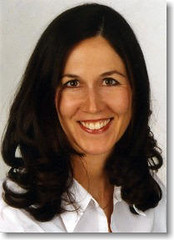 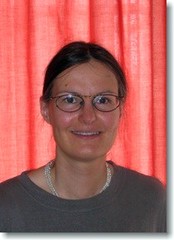 Schmidt and Kammerer using a high-fat, low-carb diet plan to treat cancer How appropriate was it that I wrote a blog post a few months back entitled "A Dietary Defense For Defeating Cancer". With brain cancer, pancreatic cancer, esophageal cancer, kidney cancer, breast cancer, and prostate cancer all intricately linked to a high-carb diet, why hasn't the idea of livin' la vida low-carb as a treatment option for cancer patients even been considered within mainstream medical circles? Well, now it has and with truly stunning results! This Time Magazine article (which was e-mailed to me by about a hundred people--AFTER I had already seen it! THANKS everyone!) details the use of a high-fat, ketogenic (very low-carb) diet on cancer victims to see what impact it would have on their condition. The findings of the researchers has the entire world buzzing about the health BENEFITS of the low-carb lifestyle yet again--and it's about time! In the article entitled "Can A High-Fat Diet Beat Cancer?" (although I'm not sure what that big double cheeseburger at the top of this story has ANYTHING at all to do with a high-fat, low-carb diet--that bad boy is MUCH higher in carbs from that big ole bun!), researchers Dr. Melanie Schmidt and Ulrike Kammerer, both from the University of Wurzburg in Germany, have been implementing the use of a high-fat, low-carb ketogenic diet on the most dire of cancer patients who have run out of treatment options since the beginning of the year. Without the use of any medications, they simply require the participants to slash their carbs and eat more fat. By getting rid of virtually all the carbs in their diet, especially sugar which feeds cancer cells, the researchers replace that energy with healthy fat sources including hempseed and linseed oils, soy-based proteins, and animal fats and proteins. It's a supercharged version of the Atkins diet and more closely resembles the original low-carb diet plan from the late great Dr. Robert C. Atkins released back in 1972. But, according to the story, this high-fat, low-carb treatment goes back much further than Dr. Atkins to 1924 when a German Nobel Prize winning scientist named Otto Warburg put forth what would be known as the "Warburg hypothesis" which concluded in the words of Warburg that "the prime cause of cancer is the replacement of the respiration of oxygen in normal body cells by a fermentation of sugar." Did you catch that? Warburg said EIGHTY YEARS AGO that cancer THRIVES where sugar resides. So, the thinking goes like this: remove the sugar (and the carbohydrates that turn to sugar in the body) and replace it with fat, then the cancer cells will die. It was a BRILLIANT hypothesis that was lauded among the scientists and health advocates of his day, but somehow it has been forgotten by many in our modern culture who would rather sweep such forward-thinking methods for cancer treatment like this under the rug. Not for Dr. Schmidt and Kammerer, though. They've taken Warburg's lifetime of work and run with it in 2007. By removing sugar from the diet of cancer patients, can they stop the spread of cancer before it is too late? The whole world is watching with hopeful anticipation that this could be exactly what is needed to bring cancer under control. Modern-day advocates of a high-fat, low-carb diet such as Dr. Larry McCleary, Gary Taubes, Dr. Barry Groves, Dr. Jay Wortman, Dr. Jonny Bowden, and Anthony Colpo, among many others have all laid the basic groundwork for furthering the theory that this method of eating is not just some "fad" diet for mere weight loss, but rather the optimal nutritional approach for living as healthy as you possibly can. And the concerns that people have about a high-fat diet are unfounded as long as you combine that high-fat diet with a low-carb one as these German researchers are doing with the ketogenic diet being used on the cancer patients. This experiment has been dubbed "The Wurzburg trial" and is underwritten by a German food company named Tavartis which seems to stock a line-up of high-protein, low-carb products. So begins this journey to cancer-free living for some who have lost all hope when chemotherapy and other treatments failed them. It's not a certainty, but it is another option that many are not even told about. Painful and arduous cancer treatments such as surgery, radiation, hyperthermia and autohemotherapy are so aggressive and potentially life-threatening that a more natural and quite possibly MUCH MORE EFFECTIVE treatment like a ketogenic diet could be a welcoming prospect for those who are dealing with this most dreaded of diseases to afflict the human body. Sadly, Schmidt said a few of the cancer patients who attempted to eat a sugar-free diet couldn't handle not being able to drink sodas and eat chocolate. Um, hello? Have you never heard of DIET soda and sugar-free, low-carb chocolates like ChocoPerfection bars? You don't have to give these things up, you simply replace the sugary ones with a healthier version instead. And for a chance to live much longer than you expected, isn't it worth making a small sacrifice like giving up sugar to make that happen? This goes beyond my ability to comprehend. By the end of the three-month study, the researchers were able to see five patients survive the high-fat, low-carb cancer treatment with INCREDIBLE RESULTS! Here's what happened to them: - They all remained alive and the cancer did not overtake them - Their illness remained stable or even improved - The tumors in their body grew slower, stopped, or even shrunk AMAZING! And these improvements didn't go without fanfare within the lab where this was happening either. Kammerer said it was nothing but "positive reactions and an increased interest" in how this high-fat, low-carb diet was doing what it was doing. She is cautiously optimistic, though, since it was not a resounding success with all the patients. But it is an excellent first step in figuring out what methodology for treating cancer should be considered in the future. Be sure to read about the other studies that have been conducted on cancer patients placed on a ketogenic diet in the Time Magazine story, including comments from Dr. Thomas Seyfried who is a champion of the high-fat, low-carb approach to treating cancer. He states in the story that the reason more clinical studies like this haven't been conducted is because of the close ties that the medical establishment has to the pharmaceutical industry which would lose BILLIONS annually if an all-natural cancer treatment were promoted. Shhhhhhhh! They don't want anyone to know that! OOOPS! The Wurzburg trial is only the first of many studies that are coming down the pipeline. There's one happening in The Netherlands right now and another one in Germany slated to begin next month. While expectations are high, they are all being careful about proclaiming this ketogenic treatment option as the be-all, end-all for treating cancer. Just like with weight loss, a high-fat, low-carb diet isn't for everyone. It's all a matter of how the individual will respond to such a diet and at the stage of cancer that they have. If a ketogenic strategy can be implemented early enough, then perhaps there is greater hope for those individuals. Rather than waiting to start livin' la vida low-carb until a LAST resort when nothing else has worked, why not try making it your FIRST option for getting the cancer under control before it can spread? That certainly seems to make sense to me. And let's not forget all the health complications of eating a high-carb diet, including high blood pressure, insulin resistance, lower HDL cholesterol and high triglycerides, the onset of Alzheimer's disease, diabetes, and negligible weight loss. Why would you want to go through all of THAT whether you have cancer or not? How about avoiding these by going ahead and implementing a delicious and healthy low-carb lifestyle TODAY so you'll arm yourself for whatever ailments may come your way? Makes a whole lotta sense to me! You can e-mail Ulrike Kammerer about her remarkable study at u.kaemmerer@mail.uni-wuerzburg.de. Be sure to THANK her for sharing this research with the world and encourage her to continue looking at ketogenic diets in the treatment of cancer. Labels: cancer, carbs, diet, fat, Germany, high-carb, high-fat, ketogenic, Melanie Schmidt, research, study, Ulrike Kammerer, University of Wurzburg, Warburg hypothesis, Wurzburg trial
Study: High-Carb, Low-Fat Or Low-Carb, High Fat Diet Equally Lower Weight, Improve Mood And Memory
 Think a low-carb diet will destroy your brain? Think again! It was a head-to-head match-up that ended in a tie. Just wait until you see the stunning results of a new study comparing the traditional high-carb, low-fat diet with the increasingly popular low-carb, high-fat diet as it relates not just to weight loss, but also brain function. Now this oughta be interesting! I recently interviewed one of the premier neurologists in the world named Dr. Larry McCleary who promotes carbohydrate-restriction as a means for improving brain health in his recently released book entitled The Brain Trust Program. He said something in that interview that should make anyone who advocates a high-carb diet for brain health to stop and think. "If you want to age your brain just eat the typical [high-carb] diet most Americans consume. That will lead to memory, attention and mood difficulties and will hasten the path to Alzheimer's."Yikes! That's pretty scary if you ask me and it goes against everything we've always been led to believe about diet and the way our brain reacts. Of course, the popular stereotype of someone who is livin' la vida low-carb is that you just walk around in a perpetual sense of depression and rage all the time like you're some kind of zombie or something! In fact, there's even a YouTube video that attempts to illustrate and perpetuate this myth about low-carb diets claiming people who eat this way are "damaging their brains." Yeah, whatever! But according to the study conducted by lead researcher Angela K. Halyburton, from the Commonwealth Scientific and Industrial Research Organization (CSIRO) in the Department of Human Nutrition in Adelaide, Australia, that myth is just that--an unproven and unreasonable conclusion that is not based on the evidence. That's because what she and her colleagues found was a surprising answer to the questions about diet and mood. Halyburton and her fellow researchers observed 93 overweight or obese study participants who were placed on one of two specific diets with an appropriate fat/protein/carbohydrate ratio: LCHF--an Atkins-like low-carb, high-fat diet-- 61/35/4 (NOTE: 20 percent of the fat intake was saturated) or HCLF--a traditional high-carb, low-fat diet-- 30/24/46Both groups were given the same number of calories and consumed their respective diets for a total of eight weeks on this randomized, clinical trial. Study participants were weighed every two weeks and given a psychological well-being test based on the Profile of Mood States, Beck Depression Inventory, and Spielberger State Anxiety Inventory instruments. The researchers measured cognitive function, memory, and speed of brain processing at the beginning and end of the study. Not surprisingly, the LCHF group participants were already in ketosis by the end of the first two weeks of carbohydrate-restriction and remained there for the duration of the study. As a result, they lost "significantly" more weight than their HCLF diet counterparts. Gee, imagine that! But the real surprise was the fact that improvements in the mood of the participants in BOTH groups improved. That's right! Despite all the stereotypes about low-carb, the psychological improvements in attitude and memory function were IDENTICAL with both the high-carb, low-fat diet group and the low-carb, high-fat diet group. It didn't matter. WOW!!! This is HUGE! The only area where there was a difference regarding brain function was with the speed of processing information. According to the study, the LCHF group responded slower than the HCLF diet group. But the overall conclusion of the researchers was that these two diets which have often been compared for weight loss alone also show no difference as it relates to cognitive and psychological function. You can find the results of this study published in the September 2007 issue of the American Journal of Clinical Nutrition. I have a few comments about this study to make. Isn't it interesting the researchers forced the low-carb dieters to keep their calories at the same level as their high-carb counterparts? You know what that means, don't you? They probably had to artificially lower their fat intake to keep the calories reduced to similar levels. Can you imagine how much BETTER brain function would have been if the LCHF group was able to eat even MORE fat using their natural metabolic response rather than being forced to cut their calories? I would predict an even GREATER weight loss and a MUCH better impact on mood and cognitive ability. Wanna study that one researchers? Now it sounds counterproductive to eat more fat when you are attempting to measure brain function, cognitive ability, and mood. But this study shows eating fat improves your mental health and I can personally attest to this in my own life. The more fat I eat, the better and happier I feel because I know I am consuming a healthy diet that will not only keep me slim but also very healthy for many years to come. And it just feels amazing to ENJOY your diet rather than dreading it. When I was eating a high-carb, low-fat diet in 1999, I was ALWAYS grouchy! Just ask Christine and she'll tell you I was one miserable chap to be around. Sure, I lost 170 pounds in about 10 months, but I was in agony. Why? Besides being hungry ALL THE TIME, I just didn't feel good eating this way. I later realized it was all the sugar that had me bouncing off the walls. I subsequently gained back ALL the weight I lost in about four months! Never again! Starting on the Atkins diet in 2004 was the best thing I could have ever done to improve my attitude and mood. Sure, those first few days and weeks were rough as I went through a typical case of the "Induction flu," but it has been smooth sailing ever since in my low-carb lifestyle. So many people like this college student get caught up into thinking those first few days are typical of a low-carb diet ALL THE TIME, but it's just not true. Get past that temporary discomfort and you'll gladly be livin' la vida low-carb forever. I was pleased that this research from CSIRO, where researcher Dr. Manny Noakes is doing some fabulous work into ketogenic diets and she was a part of this study, put forth the conclusions that it did because it very well could be the beginning of the end for yet another false stereotype of livin' la vida low-carb. "Short-term consumption of a moderately energy-reduced LCHF diet has an effect on the psychological well-being of overweight and obese persons similar to that of consumption of an isocaloric conventional HCLF diet," the researchers proclaimed.And that my friends is a beautiful thing! Spread the word! Labels: Angela Halyburton, brain, CSIRO, diet, health, high-carb, high-fat, low-carb, low-fat, mood, research, study, weight loss
Briffa: High-Carb Diet Making 'Career Dieters' Out Of People
 Dr. John Briffa says we should return to the "primal" diet of our ancestors Sometimes it feels like we're all alone in this battle to share with others about healthy living. Sure, there are LOTS of voices out there purporting to be about good nutrition and health principles, but many of these fall well short of the mark by simply regurgitating the same old tired low-fat, low-calorie, portion-controlled diets which have by now been proven to be absolutely, positively useless for both health and weight management. That's why I enjoy highlighting those diamonds in the rough who actually "get it" when it comes to this subject and today I have a gentleman from UK who fits the bill. His name is Dr. John Briffa and I think you're gonna like what he has to say regarding diet, health, and nutrition in the modern era. He doesn't toe the line of the so-called "experts" and you gotta love that! Dr. Briffa first caught my eye early on when I first began this blog when he highlighted a study showing a high-protein, low-carb diet is good for bone health. WHOA! Who is this guy? At that time, I just KNEW I wanted to find out more about this Dr. John Briffa and I'm pleased he agreed to be interviewed by me for my blog today. Read and soak it all in. This is someone you'll want to hear more from. 1. Today we have with us a man who is a highly-respected, award-winning diet and health writer and nutritional expert named Dr. John Briffa and he hails from London, England. For more than 15 years, Dr. Briffa has shared his recipe for healthy living with his patients as well as the entire British population through his thought-provoking articles and columns for more than 70 publications including the Daily Mail and the Observer.
Welcome, Dr. Briffa, and thank you for spending a few moments with me and my readers today. Tell us a little about yourself and how you got involved in this sometimes wild and crazy world of diet and nutrition.As far as nutrition is concerned, I was a bit of a late developer. As a medical student, for instance, I subsisted on a diet comprised mainly of pizzas, kebabs, canteen food and Kentucky Fried Chicken. Despite a dire diet, my brain function was not so impaired that I could not see that a career in conventional medicine was not for me. I plotted my escape during my time at college, and despite being what my tutors generally regarded as a ‘poor student’, I graduated (with honors). While contemplating my future I met an elderly male patient who unwittingly turned me on to nutrition. He was very robust for his age, something he put largely down to his diet. I was struggling with a few health issues of my own (I was overweight, suffered from persistent eczema and often felt like I was drained of energy). Inspired by this elderly gent, I started reading about nutrition and ended up applying some healthy eating principles in my own life. In quick time I found this ‘cured’ my ills, and I wondered why they didn’t teach this stuff at medical school. Anyway, buoyed by my personal success I became a rapid convert to the area! 2. I love the approach you have taken to help educate others about health at your excellent web site--DrBriffa.com--as well as through your books, newsletter, blog, and podcast. You use the phrase "A Good Look At Good Health" to describe what you do. What does that motto mean to you and what do you hope people come away with when they encounter your work?While I think there’s a lot of good information on health around, there’s no denying that there’s a lot of suspect stuff too. A lot of health advice, particularly regarding diet, does seem to be born out of a concern not for public health, but profit. My aim with DrBriffa.com is to give readers the truth, and expose health myths and misinformation where that seems appropriate. Sometimes this means delving into food and health politics. And sometimes, it means digging a bit deeper and not taking any ‘facts’ for granted. Hence, ‘A good look at good health’. My aim is for individuals to come away from the site feeling they have read something balanced and truthful, and perhaps a little wiser about how to attain or maintain good health. 3. We are living in some rather strange times nowadays with the never ending barrage of good news/bad news about what we should and shouldn't be doing to get healthy. How do you respond to those people who are justifiably frustrated by the seemingly endless array of contradictory dietary research that comes out? Is there any way to discern what the truth really is or does it even matter?I feel the plight of those confused by often-contradictory messages out there, as I felt just the same when I first became interested in health (as opposed to disease). With such a lot of contradictory information and advice around, it’s sometimes difficult to know who or what to believe. I do think, however, that for those who are genuinely interested in optimizing their health and wellbeing that it’s important to discern fact from fiction. As a starting point, I tend to encourage individuals to think about diet a fundamental way: the best diet for us is going to be based on the foods that we’ve eaten the longest in terms of our evolution. After all, these are the foods that we’re best adapted to on a genetic, biochemical, physiological and metabolic perspective. Having this basic principle in mind is one simple way individuals can make healthy food choices and keep themselves out of a lot of trouble! 4. Your life's work is about getting people to turn to natural health remedies to fight their obesity and diseases. Share with us a few of the most basic changes that people can and should be making in order to live a much healthier life.Firstly, eat a ‘primal’ diet that is mainly made up of natural, unprocessed foods such as meat, fish, seafood, eggs, fruits, vegetables, nuts, seeds and water. Secondly, keep active. Generally, I recommend a mix of aerobic and resistance exercise here, though none of it needs to be particularly time-consuming or arduous. Thirdly, I recommend getting enough sleep, not just in terms of length but also depth. Getting to bed earlier and getting up earlier is one strategy that seems to work well for most people in this respect. I also advise that individuals get plenty of sun exposure whenever possible. Sunburn is to be avoided, of course, but that said, there’s mounting evidence linking sunlight exposure with a reduced risk of many conditions including depression, multiple sclerosis and many different forms of cancer including those of the breast, colon and prostate. Oh, and don’t forget to have fun whenever possible! Being healthy, in my opinion, need not be an austere and joyless experience. 5. Earlier this year you released a brand new book in the UK with many of your dietary concepts called "The True You Diet" which attempt to "make diets history." As someone who was able to lose nearly 200 pounds naturally through simple changes in my diet, I'm all for promoting the concept of lifestyle change to the masses. Is that also your philosophy or is there more to attaining the "true you" than that?I do think that there are certain nutritional principles that apply to ‘the masses’, so to speak. Eating a low-glycemic index/load diet is one such principle. In addition, though, studies show that the ideal ‘fuel’ for the body varies from individual to individual. For instance, some people are quite efficient metabolizers of fat, while others are better metabolizers of carbohydrate. In The True You Diet, I explore this concept in depth, and link the presence of different ‘types’ of individuals to our evolutionary past. The book is fully scientifically-referenced, with some 350 studies are specifically cited in the text. For ease of understanding, in the book I have classified individuals into ‘hunters’ (efficient metabolizers of fat), ‘gatherers’ (efficient metabolizers of carb) and ‘hunter-gatherers’ (somewhere in between). The book contains a comprehensive questionnaire which allows individuals to find out which ‘type’ they are, and also offers advice on foods, meals and recipes that are specific to each type. 6. You are on the cutting edge of nutritional science and have built up quite a reputation with your weekly newsletters and other alternative means of communications like your blog and podcasts. What can people expect to receive from these various new media resources and have you seen a greater response to your message since launching them?My DrBriffa.com blog is updated on Mondays, Wednesdays and Fridays, and almost always features a topical, recent health or research-related story. I often write about nutrition, but will cover just about anything that I think may be of value or interest to readers including food or health politics, activity and exercise, sleep, yoga and meditation, and sunlight. On Fridays, I send out a newsletter that summarizes that week’s blogs with live links back to the original posts for those who want to read more. I am planning to start regular podcasting and perhaps videocasting later this year. I am constantly spurred on by the positive feedback I get from my readers. I honestly do really appreciate this! I love blogging partly because it’s so much more immediate than print media, and it allows a more intimate relationship with readers too. And there’s no editorial control! Needless to say, I’m committed to continuing my online work. 7. The food and drug industries have obviously had a field day promoting the obesity epidemic and some would say they deliberately overemphasize the severity of it simply to turn a huge profit. What are your thoughts about this and do you believe money is at the root of the dietary recommendations and reliance on prescription medications for every health ailment we face today?There is quite a lot of evidence which suggests that the standard measure of body weight (the body mass index – BMI) is pretty useless as a marker of health. Plus, plenty of evidence links being ‘overweight’ with health outcomes as good if not better than those in the ‘healthy’ category. In short, I do agree that the severity and consequences of ‘excess’ weight have been somewhat overstated. Sorry if this seems like I’m laboring the point, but my belief is that a lot of health messages and recommendations are driven by commercial concern. This not only creates potential markets for, say, pharmaceutical and food companies, but also allows these companies to sell us solutions in the form of medications, and frankly quite unhealthy (though profitable) foodstuffs such as margarine and artificial sweeteners. 8. Is there anything inherently wrong with a low-fat, low-calorie, high-carb diet for the general population? Also, is there a specific way of eating that can assist those people who are diabetic?Is this a trick question?! Where do I start?! First of all, a high-carb diet can upset blood sugar and insulin balance that can lead to symptoms such as sweet cravings, fuzzy thinking, fatigue and waking in the night in the short term, and problems such as weight gain, type 2 diabetes and heart disease in the long term. Plus, high-carb diets often fail to really satisfy the appetite, making them quite unsustainable. It is just this sort of diet than can make ‘career dieters’ out of people. And these diets can be lacking in key nutrients, so that individuals can end up overweight and malnourished, all at the same time. Hardly ideal! As far as diabetes is concerned, I think a lot of conventional nutritional advice is woefully lacking. Often, diabetics are encouraged to include starchy carbs at each meal. We know that these foods tend to disrupt blood sugar levels, and we know that diabetes is a fundamentally a problem with blood sugar control. So why are diabetics given the advice to eat the very food they have a problem dealing with?! I don’t think it will come as a surprise to most of your readers that I advise carb-control for diabetics. Actually, this was the very diet used to treat diabetics before the advent of insulin. And it still works to this day! It’s not just common sense that supports this approach, but science too: several studies show that diets lower in carbohydrate can improve measures of glycemic control including blood sugar levels, insulin levels and levels of HbA1C (which is a measure of glycemic control over the preceding 2-3 months). 9. You have spoken out against using medications like statin drugs to artificially lower cholesterol levels by a mere 10 percent because there are no actual benefits experienced by such modest reductions. What would you say to someone who is worried about their "high" cholesterol and being told to take a drug to lower it for heart health? What are some all-natural ways people can ward off heart disease?My issue with statin drugs is mainly two-fold: their benefits have been overstated, and their hazards have been understated. The great majority of people who take these drugs have no history of ‘cardiovascular’ disease (e.g. heart disease, heart attack or stroke). In such individuals, meta-analyses (where the results of several similar studies are grouped together) have found the statins do not save lives. Statins do seem to save lives, however, when used to treat individuals with a history of cardiovascular disease. However, it is not assured that is because of cholesterol reduction, because statins also have other effects that could explain this benefit including an anti-inflammatory effect and some ability to ‘thin’ the blood. All-in-all, I think far too much is made of the supposed ‘perils’ of cholesterol. And it is well-recognized that statins can deplete the body of the nutrient coenzyme Q10, which can lead to symptoms such as fatigue and muscle pain. What I would say to someone with high cholesterol or keen to ward off heart disease is not to focus on the cholesterol, but on health. If they want to make any changes at all, then I suggest on incorporating lifestyle changes that support vibrant health and wellbeing. A good starting point would be those things I outlined in my answer to question 4 of this interview. 10. THANK YOU again for sharing a few moments with us here at the "Livin' La Vida Low-Carb" blog today, Dr. Briffa. Your zeal for naturally healthy living is contagious and I can only hope to follow your outstanding example in my own work. Are there any final words of encouragement and hope you would like to share with my readers before you go?Firstly, and I do mean this very genuinely, I think your site is doing an outstanding job of assisting individuals in educating themselves about important (possibly life-saving) principles. It’s an example of how the Internet has provided a portal for motivated individuals to share information and knowledge. And knowledge is power, after all. The ability for individuals to self-educate in this way means that industry is less and less able to control what people believe. It’s like the genie is out of the bottle – and now that it is, it’s going to be hard to get it back in! I believe we live in a time where there is unprecedented opportunity for individuals to discover the truth, and to use that to their advantage. There is a real feeling that growing numbers of individuals are seizing that opportunity with both hands, and I see this as a hugely positive thing for us all. Thank you Jimmy for the opportunity to ‘spread the word’ about healthy living! THANK YOU, Dr. Briffa! It was a pleasure getting to know you better and I'm glad my readers were able to discover who YOU are today. Sign up for Dr. John Briffa's weekly health newsletter and be sure to drop him an e-mail anytime at john@drbriffa.com. Labels: diabetes, diet, glycemic index, glycemic load, health, high-carb, interview, John Briffa, low-carb, low-glycemic, UK, weight loss
|


