Don't you know that your body needs carbs in order to function properly?! Come on, you idiot low-carb supporters, how can you tell people to cut down or even eliminate most of their dietary carbohydrate intake from things like healthy whole grain foods like brown rice and pasta and even fruits and vegetables? What kind of reasonable diet would suggest you remove whole categories of foods like this in order to lose weight and live a healthy lifestyle, hmmmm? Well? WELL?!?! How about it Mr. Livin' La Vida Low-Carb Man?!
Siiiiiiiiiiggggghhhhh. That, my friends, is just a typical day in the life of what I put up with in my e-mail box most of the time. People have become so incredibly misinformed about diet and health that they are content with merely repeating back the same old diatribes from those so-called health "experts." It really is a pity that more people can't learn to think for themselves by getting all the facts, analyzing them carefully with the intent on learning the truth, and then applying that knowledge to their own personal experience while sharing it with others. That's what I try to do here at my blog and all my other projects.
It certainly gives you more credibility if you constantly remain a student of health whether you are a doctor, dietitian, nurse, or even a low-carb blogger. I may not have a bunch of letters after my name (although I do have an M.A. in Public Policy...does that count?), I have worked hard to NEVER stop soaking in every bit of information that I can about health so I can share what I discover with you. Then, hopefully you can take that knowledge, apply what is relevant to your own life, share it with someone else, and continue to education further. We live in an age of information and ignorance is no longer a viable excuse--especially on the subject of diet and health.
In Episode 45 of "Livin' La Vida Low-Carb On YouTube," Christine and I wanted to share with the YouTube viewers about a word that is inextricably linked to low-carb dieting, but you really don't hear about it much outside the realm of low-carb research. The word is gluconeogenesis and I contend every single person who is on a carbohydrate-restricted or even a zero carb diet needs to know about this word. I've blogged about it and even did a podcast show on it, but this is much too important a concept for people to miss. Although gluconeogenesis (GNG) is rather complex from a metabolic standpoint looking at all the biochemistry that's involved. Check out this T-shirt from The Nutrition & Metabolism Society that illustrates all the pathways involved with GNG:
Order one of these "geeky" shirts TODAY by clicking here
Learn more about gluconeogenesis in today's video:
Since I uploaded this video to YouTube, there has been some confusion about what I shared in it about how the protein is converted into glucose. My friend Charles Washington, the zero-carb half-marathon runner who recently wrote a guest blog post said it seemed like I was saying that ALL protein gets converted to glucose. I certainly don't want to mislead anyone in that direction because it's not a one for one ratio of conversion. Dr. Eric Westman from Duke University says the studies he has seen say for every 2g of dietary protein consumed, one gram of it is converted to glucose/sugar/carbs. So it's about a 2-1 ratio of conversion which could cause SOME people problems who are especially carbohydrate sensitive (like me!).
This is what I was referring to when I said eating too much protein could POSSIBLY stall your weight loss if you are especially sensitive to carbohydrate whether through eating them or through gluconeogenesis. In looking at some of the reasons for my own struggle this year to get my weight back down despite doing all the right things, gluconeogenesis has come up as a possible culprit for my difficulty. Perhaps for me I need to be eating LESS protein than I currently am while increasing my fat and keeping my carbs to a minimum. This isn't a universal thing for everyone and could be genetic in nature. I'll be blogging more with an update about my weight and health situation very soon.
You guys are awesome for watching our "Livin' La Vida Low-Carb On YouTube" videos and we appreciate hearing your comments about them and suggestions for future topics at livinlowcarbman@charter.net. Don't miss our previous YouTube videos and be sure to subscribe to our YouTube videos if you like what you see. THANK YOU for all of your support and, as always, let us know how we can help you along in this journey to better health. Keep on livin' la vida low-carb! :D
Seven Cutting Edge Low-Carb Diet And Health Science News Stories
You keep hearing me say this, but I sincerely believe the tide is turning in favor of the healthy low-carb lifestyle. It has been rumbling in the research realm for several years and is now FINALLY spilling over into the mainstream through various media outlets. It's not an overwhelming embracing of carbohydrate restriction for weight and health management, but is certainly one step closer to acceptance.
Today I have seven cutting edge low-carb diet and health science news stories to illustrate this point. If you support livin' la vida low-carb and strongly believe that this way of eating deserves recognition for the improvements it is making in the lives of real people, then be encouraged by these and spread the word! We ARE making a difference as more and more people begin understanding how low-carb living can improve their life forever.
The editors of Prevention magazine actually extols the virtues of watching the kind of carbohydrates that diabetics should be consuming by looking at the glycemic index. A strong case is made for paying better attention to the GI in foods, although the glycemic LOAD is much more relevant in my opinion. Nevertheless, we see that there is a clear delineation about carbohydrates being made in an MSNBC story and that's a very good thing!
This New York Times story should be shocking news to anyone using traditional measures for taking on their diabetes (that would be the high-carb, low-fat dietary recommendations along with lots of insulin shots that the American Diabetes Association promoted prior to their change of heart to also encourage low-carb diets that happened this year). It turns out that a diabetes study yielded HIGHER DEATH RATES among those participants who injected themselves with multiple shots of insulin (visa vi from eating too many carbohydrates and requiring the additional injections). Many of these were from heart attacks and the researchers conducting this study were floored. This sad incident merely adds to the argument that low-carb supporters have been stating for years that higher insulin levels in the body are the REAL culprit in heart disease and NOT dietary fat. The truth is there for anyone willing to see it.
This is a continuation of a study published in the November 9, 2006 issue of the New England Journal of Medicine that I actually first blogged about previously from Harvard researchers Thomas Halton and Dr. Frank Hu looking at the long-term health impact of livin' la vida low-carb on the general population. Now they have turned their attention to Type 2 diabetics to see if consuming a low-carb diet will help or hurt their disease over the years. The results of the study are encouraging: a high-fat, low-carb diet does NOT increase the risk of Type 2 diabetes in women and actually "may modestly reduce the risk of diabetes." YEAH BABY! This was published in the February 2008 issue of the journal American Society for Nutrition.
Cause and effect should always go into any decision that we or our government leaders make because the "unintended consequences" of taking certain actions can sometimes be worse than anyone expected. Such is the case with low-fat diets in this Medical News Today story. Echoing what reproductive endocrinologist Dr. Gil Wilshire stated in June 2006 when he called for a moratorium on the low-fat dietary recommendations until more LEVEL 1 scientific evidence can be presented in support of it, Dr. Paul R. Marantz, Elizabeth Bird, and Dr. Michael H. Alderman all from the Albert Einstein College of Medicine say that "these dietary guidelines might actually be endangering health...[as] currently developed and issued." WOW! You can say that again! The most telling quote from them about how low-fat diets have failed to produce weight and health improvements over the years was this: "When the prevailing message fails to achieve its intended aims or achieves the wrong ends, the solution is not to abandon the enterprise but to reshape the message to achieve desired outcomes." Yes--and that means promoting low-carb alongside low-fat diets so that people can decide which nutritional approach will work best for them. It's time to make this happen in the United States of America! Are you listening up there in the USDA office, Dr. Wansink?
Anyone who watches the hit NBC-TV show "The Biggest Loser" on a regular basis like me knows that famous chef Rocco DiSpirito was a guest this week during one of the challenges for the contestants. They were to create a three-course meal using Rocco's recipes and making them even more "healthy." Of course, that's code word for low-fat, low-calorie, low-salt and the dishes were judged accordingly. But Rocco appeared on a CRN Digital Talk Radio show called "What's Cooking" this week just before low-carb cooking friend and author Judy Barnes Baker and said something remarkable about "The Biggest Loser" segment I wanted to share with you. He said the producers of the show made him cook with zero fat and zero salt because they wanted to see "maximum weight loss." However, he did say at the end of his interview that anyone who thinks that sugar doesn't matter needs to realize that it provokes insulin that will make your body store fat. EXCELLENT! And I know Judy loved that perfect lead-in! :D
We are very fortunate to have some strong voices on behalf of low-carb living out there in the mainstream sharing their philosophy regarding diet and health with the masses. Take Adam Campbell and Cassandra Forsythe, for example. Adam writes for Men's Health magazine and recently released a fantastic book with low-carb research giant Dr. Jeff Volek from the University of Connecticut called The TNT Diet. Interestingly, Dr. Volek is Cassandra's boss as she works in the research lab pursuing her doctorate at UConn. Adam and Cassandra teamed up for a column for Men's Health again on the MSNBC site looking at the so-called "health" foods that are out there and put them in their proper place. If you've ever been on a diet before, then no doubt you have eaten at least half of the food on this list! Find out why it didn't do you a lick of good (if you didn't already know!).
Finally, we have more research confirming that livin' la vida low-carb is an excellent way to manage epileptic seizures as I've blogged about previously here and here. Johns Hopkins researchers are convinced that adults suffering from this condition should follow an Atkins-styled low-carb diet to best control their disease. The story said about a third of the participants couldn't stay on the diet because it was "too tough to do." I don't know about you, but if I could control my seizures by eating a high-fat, low-carb diet then I would probably FORCE myself to eat that way even if it wasn't as pleasurable as it is. That's just crazy to me! Thankfully, those patients who did try it and stay on it saw remarkable results. And the doctors encouraged them to stay on it for many years to come--a virtual admission that livin' la vida low-carb over the long-term ain't so unhealthy after all! Hmmmm...but we knew that already!
Research Showing There's No Debate About The Fate Of Low-Carb In 2008
I've become convinced that one of the greatest assets that those of us who believe in the power of livin' la vida low-carb possess is the ever-growing litany of respectable published research that continues to pour in at breakneck speed. A young researcher from the University of Pennsylvania recently confirmed that there is "strong interest" in low-carb diets and how they relate to treating obesity and disease. This has me very excited about the future of the low-carb lifestyle because we're just getting started.
Now that the new year is here, there will be even more positive studies regarding livin' la vida low-carb to be released. All this encouraging research shows us there's no debate about the fate of low-carb in 2008. Things are looking up--WAY UP!--and we should be holding our heads high as the science finally begins catching up with the experiences those of us who have been eating this way already know.
Today I have four newly-released published studies that will encourage you as you continue to live the low-carb life. It's an amazing journey that is so much deeper and more meaningful than simple weight loss. It's about living healthier than you ever thought possible while enjoying amazing high-fat, low-carb foods that are delicious, nutritious, and will keep you satisfied. What other "diet" plan can you say THAT about? Anyone? :)
Here are those new studies for you to add to your arsenal:
Looking at female athletes, the researchers wanted to see if the amount of dietary fat intake played a role in the occurrence of foot and knee injuries sustained during training and competition. They observed 86 female runners who ran at least 20 miles a week and asked them to keep a food log for a period of one year. The study participants were asked to report any injuries they sustain over that period of time for the researchers to analyze their food intake to see if there was a contributing factor.
The results were astonishing! Those female runners who were injured were more likely to be consuming "significantly lower intakes of total fat" and calories from fat compared with the study participants who did not sustain an injury. In fact, the researchers conducted a logistic regression analysis to predict with 64 percent certainty which of the female athletes would be injured based on their dietary fat intake.
MY CONCLUSION: If a female runner wants to reduce her risk of an injury, then the best course of action is to EAT MORE FAT! Betcha didn't see that one coming!
What seems like an encouraging bit of research about a low-carb diet for controlling Type 2 diabetes over a one-year controlled study is actually anything but. All you need to do is read Regina Wilshire's take at the "Weight Of The Evidence" blog to realize this study was bogus from the start. Why? Because their idea of a "low-carb" diet is putting the study participants on (hold on to your hat) NEARLY 200 grams of carbs a day! HOLY CRAP! Are they TRYING to kill these people?!
It should come as no surprise that all the major health indicators got WORSE on this diet, including weight gain, HbA1c increases, HDL "good" cholesterol decline, sharp increases in triglycerides--all tell-tale signs that these people did NOT follow the dictates of the low-carb lifestyle. Perhaps the researchers would do themselves a lot of good if they performed this same study using a very low-carb ketogenic diet consisting of 10g carbohydrates for comparison purposes. The results of this study would be quite stark!
MY CONCLUSION: Just because research shows some supposed positive aspect of livin' la vida low-carb in a twisted interpretation of the data doesn't mean it should be celebrated. Demand better and more accurate studies to compare the REAL low-carb with the fake 200g carbohydrates one!
Like that last study, this one was also published in the same journal. But unlike the previous one, this is a legitimate body of research that bears a closer look. The lead researcher is Dr. Alex Johnstone from the Rowett Research Institute who I previously blogged about her study of low-carb diets on brain health. This time she wanted to know if changing the amount of protein and carbs in the diet would impact hunger for the study participants. Specifically, is being in a state of ketosis brought on by a high-protein, low-carb ketogenic diet more satiating and effective for weight loss than a high-protein, moderate-carb nonketogenic diet? Interesting study, huh?
She carefully observed 17 obese men over a four-week period as part of a residential trial and carefully measured out the specific food content for each of the study participants. Each of them were provided 2 high-protein diets (consisting of 30 percent of total calories) along with either a low-carb diet (consisting of 4 percent of total calories like the Atkins diet) or a moderate-carb diet (consisting of 35 percent of total carbohydrates a la The Zone). She measured their body weight daily along with ketosis. Computer analysis also measured hunger.
The results? Hunger was lower and weight loss was "significantly greater" with the low-carb diet compared with the moderate-carb diet. This all happened while the low-carb participants remained in ketosis and actually ate less food for the duration of the study. It was further proof that ketosis is indeed safe and extremely effective for both satiation and losing weight. Of course, we knew that already.
MY CONCLUSION: If you're looking for a diet composition where you are never hungry, will lose a whole lotta weight, and will feel better than you ever thought possible, then you should turn to a high-fat, moderate protein, low-carb ketogenic diet. Ketosis is the key. Nuff said!
Although the American Diabetes Association (ADA) recently endorsed low-carb as equally effective for diabetics to use as part of their weight management program, similar positions have not been taken by other health advocacy groups like the American Medical Association (AMA) and the American Heart Association (AHA) for example. But there hasn't been as much published research on low-carb weight loss for Type 2 diabetics--until now!
Researchers from the Oxford, England-based Center for Diabetes, Endocrinology and Metabolism wanted to compare the effects of a low-carb diet on the body weight, HbA1c levels, ketones and cholesterol levels in both diabetics and non-diabetics to see if there would be a difference over a three-month period. A total of 13 Type 2 diabetics controlling their disease with disease or metformin as well as 13 non-diabetics were placed on either a low-carb diet (with 40g or less carbohydrates daily) or a "healthy-eating diet" as prescribed by the ADA-equivalent group in the UK (basically a moderate-to-high-carb, low-fat diet).
The low-carb study participants, both diabetic and non-diabetic, experienced "greater" weight loss with no changes in HbA1c, ketone or lipid levels. While I'm encouraged by the weight change that occurred, I'm surprised there were not improvements in the HbA1c and lipid levels at all on those who followed low-carb. But it's still good new for the low-carb lifestyle.
MY CONCLUSION: Whether you have diabetes or not, livin' la vida low-carb is an "equally effective" way to lose weight and get healthy. Are you hearing this AMA and AHA as well as the low-fat bureaucrats in the FDA and USDA? If low-carb and low-fat are equal, then why not recommend them side-by-side as the ADA began doing this year, hmmmm?
Keep reading the "Livin' La Vida Low-Carb" blog throughout 2008 as we'll continue to share with you the latest from the research community. If you see any studies about livin' la vida low-carb that catch your eye and you want to bring them to my attention, then please e-mail me a link to the study or article about it anytime at livinlowcarbman@charter.net.
Nina Planck says it's time to get back to real, whole foods again
1. What a real treat we have at the “Livin’ La Vida Low-Carb” blog as the author of the book Real Food: What To Eat And Why is here with us today. She’s food enthusiast Nina Planck and she has quite a perspective as it relates to advocating people start eating more “real food” in their diet while shunning the processed garbage that unfortunately has become all-too-common in the modern diet.
Welcome Nina and I appreciate you spending a few moments with me and my readers. You grew up around fresh produce and quickly fell in love with farmer’s markets. How did that experience shape you into the enthusiastic lover of “real food” today? And what is “real food” as opposed to “fake food?”
My mother read Adelle Davis and she taught me that real food is whole food. We ate meat, fish, poultry, dairy, eggs, and lots of produce. The only thing that was restricted in our house was junk food, and that boiled down to white flour and sugar of all kinds. So dark chocolate was a popular dessert. So was proper ice cream, not too sweet, and homemade fruit pies, and real pancakes, made with whole grains we ground ourselves.
My definition of real food is food we’ve been eating a long time and food which is more or less farmed and prepared the way it used to be. So that means wild salmon and grass-fed beef; ecological fruit and vegetables; traditional fats and oils (animal and vegetable); raw milk cheese (not processed fake cheese or low-cholesterol cheese); and whole eggs (not egg-whites, pasteurized eggs, and powdered eggs). If you eat around the edges of the supermarket, you’ll be eating real food. Avoid the highly processed, high-profit-margin, low-nutrition foods in the center. Except, as my mother would say, the brown rice and olive oil.
2. You believe (as do I) that most people would actually enjoy eating a more traditional diet of fruits, vegetables, grass-fed meats and dairy products, and other real food if they simply tried them again and greatly reduced or eliminated their reliance on the overabundance of what I like to call “carbage” from their diet. But we are a nation full of people who wants what we want (junk food, fast food, meals in a box) and we don’t want to pay a lot of money for it.
How do you convince someone who says they can’t afford to eat a “healthy” diet with all those foods and is that a good enough excuse for not eating “real food?” Should the government or some other third party step in and help make fresh healthy foods more readily available to the lower-income consumer?
Carbage is expensive and because it contains so little nutrition, it’s worse than expensive: it’s wasteful. Why put all those empty calories in your body? The nutrients are in the foods we’ve eaten since the Stone Age: meat, fish, poultry, produce, nuts, and fats. I’m also a fan, nutritionally and personally, of real dairy foods (especially raw milk and good butter) but they’re not for everyone.
3. Many people have come to the conclusion that the best way for them to start eating better and living a healthier lifestyle is to start cutting the fat out of their diet. After all, we’ve always been told--at least over the past three decades--that dietary fat is the reason why we have become such a nation full of overweight and obese people. But you devoted an entire chapter of your book on the reasons why fat should be consumed, including saturated fat.
For my readers who may still be skeptical about why fat will not “clog” their arteries and give them a heart attack, explain why real foods like butter, coconut oil, beef, and other high-saturated fat sources are indeed safe for consumption. If fat is not the culprit in heart disease, then what are we eating that is contributing to this health problem?
The main villains of obesity, diabetes, and heart disease are industrial foods: corn oil, corn syrup, white flour, and trans fats. Don’t eat them. The good guys are omega-3 fats in foods like wild cold-water fish; whole eggs; and natural fats, including saturated fats, like coconut oil, and unsaturated ones, like olive oil. If you eat traditional fats rather than industrial ones, you’ll be fine.
Many traditional cultures eat traditional fats, including saturated fats, and don’t get heart disease. That’s because natural saturated fats don’t raise cholesterol in unhealthy ways AND because they don’t eat industrial foods. Coconut oil in particular BALANCES HDL and LDL. Deficiency of B vitamins raises homocysteine, which damages arteries.
How did we get deficient in B vitamins? By eating carbage. Don’t eat white flour and sugars, which deplete the body of B vitamins. You’ll get plenty of B vitamins from meat, fish, poultry, and whole grains.
4. As Michael Pollan outlined in his amazing book The Omnivore’s Dilemma, one of the real problems we face with our food supply nowadays is the prevalence of a corn derivative in virtually every food out there. And the worst culprit of them all is sugar’s evil twin--high fructose corn syrup (HFCS) which sneaks its way into just about everything the average American eats.
Why do you think people are so unconcerned about eating all these foods that are nutrient-deficient and absolutely loaded with excessive amounts of sugar and carbohydrates? Is there any practical way to get through to them and hammer home the message that they are destroying their body and their health by forgoing a “real food” diet?
There is only one way: you must eliminate all forms of industrial corn from your diet, including corn oil, corn syrup, and even corn-fed beef. Of the three, corn-fed beef is by far the healthiest food. But what a New Year’s Resolution!
For the average American, a personal ban on industrial corn would be a radical move, and, I think, not a difficult one, if your eyes are open to all the foods that ARE good for you. There are so many real foods. I’m getting hungry just thinking of one category: nuts. Brazil nuts in my pantry, almonds, walnuts, pecans, pine nuts – I love them all. On you can go, with another category of real food: cheeses, say, or fruits.
5. I'm with you on the nuts and cheeses! Your passion for “real food” is so evident as I read through the pages of your book and I’m sure it makes you wonder why more people aren’t as enthusiastic about adding fresh, whole foods to their diet as has become such a normal part of your life.
Let’s see if we can help people who sincerely want to change their diet from a typical, meal-in-a-box one into a farmer’s market-styled plan. What would you suggest they do to begin making that transition starting right now?
After the corn suggestion above, I suggested eating fresh fruits and vegetables at every single meal. People are astonished at how much produce I eat everyday and I’m too often astonished at how little they eat. It’s more important to eat fresh fruits and vegetables every single day wherever they come from than to eat local and seasonal foods. The grocery store is your friend in this respect. Even the sorriest grocery story has a produce section. Use it.
6. A major problem that people who are unfamiliar with eating “real food” may not even be aware of is the big factory-styled farms. Before I lost 180 pounds eating a healthy low-carb diet in 2004, I didn’t care how a tomato got to my supermarket’s produce section. I just wanted to be able to buy one to slice up for my cheeseburger when I wanted it.
But not all fruits and vegetables and even beef are the same, are they? Explain the difference between a mass-produced food product and one that you can purchase at a farmer’s market.
Local food tastes better. There’s no doubt about it. And there is junk-–pesticides, fungicides, waxes--on a lot of industrial produce. But there is a greater difference, for your health, between processed foods and junk foods and whole, real foods. If your only choice is supermarket broccoli and grain-fed ground beef, eat it. Don’t eat the other garbage that comes in TV dinners and canned soups. Eat simple, whole foods.
If you can afford it, spend more money on foods high up the food chain. So, in our house, we spend more on grass-fed and pastured meat and dairy and eggs, and on wild seafood. Ideally, these foods should also be free of hormones and antibiotics. We buy local fruit and vegetables because we love them and are lucky to get them near us in New York City, but in the winters, my mother raised us on the produce department at the local discount chain, Magruder's. You must eat fruit and vegetables every day.
7. We hear a lot of nutritional buzz words these days that don’t mean very much to the uninformed. They’ve become such marketing slogans for food manufacturers that they are almost rendered useless in the modern vernacular since nobody really knows what they mean. Perhaps you can help clearly define what “organic,” “healthy whole grains,” and “grass-fed” means for my readers. Are there any other popular labels that you feel have become too convoluted, too?
Organic is defined by US law and it means the food was produced without chemicals, nitrogen fertilizer, irradiation, and genetic modification. Organic food is certainly a better choice, a cleaner choice, than industrial food.
Grass-fed is not defined, but it means, generally, that the beef or dairy cattle, goat, or sheep was raised on its God-given diet of grass, not grain. Many grass farmers feed some grain, so you’ll need to ask if you want 100% grass-fed.
Whole grains should mean the whole grain is there: bran, fiber, germ, and starch. Don’t be fooled by "wheat flour." It must say 100% whole wheat or whole rye to be whole grain.
8. I blog about these issues all the time, but we seem to have an ever-increasing problem with people becoming overweight and obese, getting diabetes, and putting their health at risk with such calamities as heart disease, stroke, and cancer, among others. All of this seems to coincide eerily with the nationalized promotion of a high-carb, low-fat diet ever since I was a child.
If there is such a rise in weight problems and disease despite the fact that our government and health organizations like the American Heart Association, American Diabetes Association, and others have been pushing this kind of a diet, then why haven’t other nutritional alternatives such as a low-carbohydrate diet become more embraced as an alternative for those who don’t do well on the recommended low-fat regimen?
They just haven’t moved with the science. It’s clear from the Nurse’s Health Study-–heck, it’s clear from observing the population even superficially--that the high-carbohydrate, low-fat advice has led to a nation ever more fat, diabetic, and heart-diseased. The folks in the nutritional establishment will come around when the last people who believe the failing theory have died. That’s how scientific and nutritional opinion changes shape--slowly. Too slowly!
9. One of the world’s most perfect foods in my opinion is eggs. They are chock full of some of the healthiest ingredients in the world--including protein, antioxidants, omega-3s and other essential nutrients. And yet we’ve been sternly warned against consuming them because of their high cholesterol content no thanks to the erroneous hypothesis forwarded by Ancel Keys regarding cholesterol.
Like the “fat will clog your arteries” concerns that many people have, how do you overcome the perception that a high-cholesterol diet is unhealthy? Why shouldn’t people worry about their LDL and total cholesterol so much that they’ll take a statin drug like Lipitor or Crestor to artificially lower it?
Eggs are a perfect food. They contain excellent protein, digestible fats, and many nutrients for eye and brain and heart. We have known for some time (1999, I think) that people who eat MORE eggs have LESS heart disease. We have known for some time that DIETARY cholesterol has little effect on BLOOD cholesterol. So there is no reason not to eat eggs.
There is a very good reason not to eat junk eggs: powdered, spray-dried eggs contain oxidized cholesterol which does clog arteries. Not natural fresh eggs. Don’t eat phony foods; eat real foods. One thing we notice about cholesterol-rich foods is that cholesterol likes to hang out with other nutrients. Thus some of the most nutritious foods are rich in cholesterol: eggs, shellfish, dairy, organ meats.
All these foods were (and are) prized by traditional cultures. That tells you something. There are many skeptics on statins and statins do have serious side effects. Read more at www.thincs.org.
10. What an honor it was to have you with us here today, Nina Planck. Your book Real Food: What To Eat And Why is absolutely amazing and I cannot recommend it highly enough to my readers interested in learning to eat better by putting more “real food” in their mouths.
It seems like an impossible task to get people to stop spending their money on “fake food” and to begin investing in “real food” for the sake of their weight and health. Do you believe a major paradigm shift could happen to make people become more conscious of their choices and to begin caring about the food they put inside of their bodies? And what final recommendations would you make for people wanting to adopt your "real food" philosophy?
Remember this: the information is there for anyone to read--nutrition counselors, government advice-givers, individuals. And the carbage and other junk food is also there for everyone to eat. You can’t change that. You can only change yourself. Start with your fridge.
If you’re doing all this already, you’re probably at your natural weight, so relax. Here are a few final tips I've learned along the way:
• Eat breakfast every day • Get a lot more sleep • Exercise (take the stairs & walk everywhere) • Take smaller portions • Eat real meat, poultry or fish every day (think deck of cards) • Eat whole dairy foods as often as you like • Eat real eggs as often as you like • Eat a lot of vegetables at every meal (more than you think) • Eat as many whole grains as you need (the size of your fist) • Eat nuts, chocolate & coconut (if you like them) • Eat a lot of omega-3 fats from wild fish (daily flaxseed oil for vegetarians) • Don’t eat industrial vegetable oils • Reduce or eliminate white flour, white rice & sugar • Don’t eat junk food, diet food, or foods engineered to be low-fat
Learn more about Nina Planck and her Real Food concepts by visiting NinaPlanck.com. And be sure to sign up for her newsletter to stay current on all the latest news and information about living healthy with "real food."
You know what they say about a picture being worth a thousand words. Well, I came across a couple of pictures that speak volumes about what livin' la vida low-carb is all about. The common argument people, including educated ones, use against low-carb plans like the Atkins diet is that it relies too much on meat consumption.
In fact, you'll recall noted health expert Dr. Andrew Weil appeared on CNN's "Larry King Live" last week to talk about the new Gary Taubes book Good Calories, Bad Calories and his primary criticism of the low-carb lifestyle was the description of it as a diet that is "mostly meat and no carbohydrate." Dr. Weil, you should know better than that! You know good and well that neither the late great Dr. Robert C. Atkins or any of the other low-carb diet authors ever call for what you have described.
So, to dispel the myth that the Atkins low-carb diet is just meat, meat, and more meat, here are those pictures I promised.
This first one is a rather creative photograph that Dr. Atkins had made with his smiling face posing with all the wonderfully delicious foods you can eat on the Atkins diet. Hmmmm, what do you see more of in that picture than anything else? Is it meat? Nope! It's veggies, baby, and that's just the way Dr. Atkins liked it:
The second image I have to share with you is a food pyramid for people who are livin' la vida low-carb. No, this is not the USDA-indoctrinated Food Pyramid that tells you to eat carbs, carbs, and more carbs with very little fat. Instead, you'll notice the foods on the lower end of the pyramid are non-starchy, green leafy vegetables and delicious selections of fish, beef, and poultry. Above that is low-glycemic fruits and cheese followed in very small quantities by beans and whole grains as well as teeny tiny amounts of sugar at the very top. It's quite illustrative of this way of eating:
Finally, I'd like to show you a picture of the food my wife Christine and I chose to eat on a recent trip to one of our favorite restaurants--Denny's. You'll notice my plate on the left has delicious portions of meat with their outstanding mixed vegetables side dish. I also had a side salad not shown in the photo. But look what my lovely darling, who recently hit her goal weight of 122 on the Atkins diet, decided to have for her meal. A fried chicken sandwich with seasoned fries! Say it ain't so! Here's the proof:
Christine was right in the middle of saying "Oh no you didn't" as I was taking her picture stuffing her face with this high-carb food bonanza! LOL! Yes, she can get away with eat more carbohydrates than I can and she likes to rub it in my face sometimes. She probably lost another pound after eating that meal, too. Makes you sick, doesn't it?
So the next time somebody tells you that livin' la vida low-carb means you eat a no carb diet, remind them that the Atkins diet is so much more than meat. And now you have the visual proof to show them, too. :)
Gary Taubes takes on the king of cable television talk, Larry King!
In case you haven't heard yet, Good Calories, Bad Calories author and New York Times science journalist Gary Taubes will be the special guest appearing Friday, October 19, 2007 on CNN's "Larry King Live" show beginning at 9pm EST. The topic of conversation will be the "Great Diet Debate" and will shine the national spotlight on livin' la vida low-carb in ways that haven't been seen since Dr. Atkins was alive.
This discussion about fat consumption being healthy and carbs being the root cause of obesity and disease will also feature a rather distinguished panel of "experts":
DR. MEHMET OZ
Best known as Oprah Winfrey's diet guru, he is definitely in the low-fat, low-calorie, portion control camp.
DR. ANDREW WEIL
Natural health advocate and alternative remedy promoter who also follows the low-fat line of thinking.
BOB HARPER, KIM LYONS, or JILLIAN MICHAELS
One of these three trainers on the hit NBC-TV reality show "The Biggest Loser" will participate. Bob Harper and Jillian Michaels are mindful of how carbohydrate-restriction is helpful for some with weight loss, but Kim Lyons is a low-fat and low-calorie puppet.
JOY BEHAR
Okay, I'm gonna ask it...why is she on this panel? Other than being known for her outspoken liberal beliefs on ABC's daytime talk show The View, what substantive comments could she add to this discussion? We'll see, I guess.
The show is soliciting comments and questions from people about this topic, so let's show our support for livin' la vida low-carb by writing to them with our personal experiences. Here's what I just submitted to CNN for the Larry King LIVE show on Friday night:
For the guests who will disagree with Taubes' book:
I lost 180 pounds in 2004 on the Atkins diet and have kept it off ever since by continuing to eat a diet consisting of 70% fat, much of which is saturated fat. Once weighing in at over 400 pounds, now I'm closer to 200 thanks to the low-carb lifestyle.
More importantly than the weight loss are the improvements in my health, coming off of three prescriptions and becoming athletic for the first time in my entire life. If low-carb is at least a viable option for people like me to shed the pounds and improve our health, then why can't we at the very least have government and health leaders recommending it as another option alongside the low-fat and "balanced" diet mantra that currently exists?
How about adding your voice to the comments and be sure to watch as Gary Taubes enters the arena of ideas espousing low-carb living in a low-fat world! GO GARY!
The word is certainly getting out about Gary Taubes' instant classic
Oftentimes when the anticipation and expectations for something that is truly fantastic finally arrives, there is usually a huge letdown shortly thereafter. But that is most certainly not the case with the release of the much-awaited Gary Taubes book Good Calories, Bad Calories.
Although it has only been available for a little more than two weeks, the ripple effect from this book touting fat consumption and carbohydrate restriction has moved beyond the friendly confines of the low-carb community and right smack dab in the center of the mainstream health arena where it belongs. I'm very surprised to see such a welcoming embrace for a book with the counterintuitive message that this one clearly outlines.
After seeing Taubes take on low-fat diet icon Dr. Dean Ornish in a televised debate a few years back, I was anxious to see what he had to say about the new Gary Taubes book. Since I had interviewed Dr. Ornish last year and felt he would definitely have an opinion about this book, I contacted him about it for a quote. He responded wanting to know what I thought about it. Um, YOU FIRST! We'll see if that ever happens because something tells me Mr. Low-Fat Diet hopes this book gets buried.
One person that most certainly has something to share about Good Calories, Bad Calories is a woman who worked directly with the late great low-carb advocate himself Dr. Robert C. Atkins for three decades. It's Jacqueline Eberstein, R.N., co-author of Atkins Diabetes Revolution, who is arguably the most knowledgeable Atkins diet expert in the world right now. She's carrying on the message that Dr. Atkins championed during his life at her Controlled Carbohydrate Nutrition web site.
Here are some comments from Eberstein about Taubes' book:
Read Good Calories, Bad Calories by Gary Taubes (Knopf, 2007). It is well worth your time.
I worried that the book might be too complex or dry for the consumer. I found it to be engaging and readable. My husband (not a medical person) found it well reasoned, thorough and fair. He got as angry as I often did as he learned how conjecture was turned into the dogma that continues to be foisted on the public even while the U.S. population is getting sicker and sicker.
This is not a diet book but rather a review and commentary of years of research examining how low fat and the diet-heart hypothesis has become written in stone.
Not everything in the book was new to me, because I spent more than 30 years working with Dr. Atkins and low carb. I know how effective, safe and healthy a low carb approach is.
The book added to my knowledge about the politics of research, how research is often manipulated or spun and how dissenting voices, however correct, can be and are squashed. Dr. Atkins and I often talked about how the low carb message would not be given a fair hearing because the powers that be are too strong and pervasive while an uncritical media supports the status quo. After reading this book I have come to realize Dr. Atkins wasn't being unfair—just accurate.
This book can be especially helpful for those who have had success with low carb and still worry when media, family members or healthcare providers offer negative or unsupported "advice." This book provides the analysis needed to feel confident about your lifestyle choice and respond to the naysayer or the simply ill-informed. The same can be said for anyone sitting on the fence about low carb as a healthy way of life.
You may not remember details of the studies Taubes reviews, but you'll certainly have an understanding of the results and how those results have been misrepresented by those whose interest it is to continue to support the current diet-heart hypothesis.
This book may also open the eyes of healthcare providers who don't feel quite comfortable moving beyond the standard protocol. As all of us who provide patient care quickly learn, one diet does not work for or suit all. Taubes' book will make it easier for inquiring, unbiased practitioners to satisfy themselves that controlling carbohydrates makes sense physiologically and is a healthy way of life.
Taubes' thorough review of the history of diets and why and how the message changed over the years is instructive even though human physiology and genetics stayed the same.
I firmly believe that present policy is influenced by politics, money and lobbyists. I believe this is also true with healthcare--one place where science, physiology and truth should prevail. After reading this book, you will have a much more comprehensive understanding how research funding, biased points of view and closed-mindedness stifles investigating alternative approaches, to the detriment of our health.
While reading this book, there were many times I would have loved to be able to discuss various points with Bob Atkins. I think he would have been pleased with the thoughtful and careful work Gary did to write "Good Calories, Bad Calories." Those of us who passionately believe that low carb must become an acceptable lifestyle choice know the struggle continues, and this book provides a welcome, needed and important resource and educational tool.
Well said, Jackie! I think you echo the sentiment that so many of us low-carbers feel about this book right now and we appreciate your one-of-a-kind take on a book of this magnitude. Here's hoping those healthcare professionals and consumers who need to read it do.
If you haven't been to the Amazon.com page for this book, then you really oughta take a look. Sure, there are some knuckleheads on there who haven't read the book posting negative, low-rated "reviews" of Good Calories, Bad Calories, but there are also some real gems on there, too. Be sure to take a look at Olivia Brown's exclusive video review of the book while you are there. She is a regular reader of my blog and was so excited to share her comments about the book.
One of the Amazon readers named Myrna responded to my interview with Gary Taubes that I reposted there and she had a question about it.
Low-Carb Man, I appreciate your interview very much. But, like J L West, I was really struck at Taubes remark about the "40 percent of what I wrote in the Times article I no longer believe." I understand your explanation that your interview questions were not real-time, but I sure would like to hear the man, himself, elaborate on that comment. Since you are so connected and into all of this, maybe you can be the conduit. Thanks.
Since he was kind enough to agree to an interview with me for my blog, I went ahead and forwarded the question to Taubes for a response. Within a few hours, he answered it clarifying what he meant by the statement in my interview.
When I reported and wrote the NYT Magazine article, I implicitly believed that fattening and obesity were caused by consuming more calories than we expend. This means I also believed implicitly that excess calories are just dumped into the fat tissue when we don't use them. This is why I gave credence to David Ludwig's hypothesis that perhaps we get fat on refined carbohydrates because they cause this overshoot of insulin and in turn a dip in blood sugar that makes us eat more. I also took seriously Michael Schwartz's notion that insulin works primarily to inhibit appetite in the brain. I believed that Atkins diet might work by suppressing hunger in the brain, perhaps via some effect of ketones.
Again, all these ideas are based on the assumption that the primary causal factor in weight is eating too much -- hence, hunger -- rather than a direct effect of insulin and carbohydrates on the fat tissue itself. By the time I had finished researching the book (if you could say, I'm ever finished) I believed that fat accumulation is regulated very carefully by hormonal and neural factors and that the only way to accumulate excessive fat is to screw with this regulation, which is what carbohydrates do. Overeating is then a side-effect that facilitates fattening, not a cause. When I wrote the NYT Magazine article, I also had no reason to question the glycemic index concept. Now I think it may have done more harm than good because it directed attention away from the fructose component of sugar and high fructose corn syrup and it's conceivable that the high fructose concentration in modern diets is the primary health problem.
I like the fact that Gary Taubes did not go into the writing process with any preconceived notions. He simply followed the data and let the science dictate what the truth was. That's what makes Good Calories, Bad Calories so special and people are beginning to realize that. That's why this book will have legs well beyond the 60-90 days that are typical for most books.
Speaking of Amazon, Gary Taubes was as shocked as anyone when his book shot up the charts seemingly out of nowhere on Wednesday afternoon. But, little did he know at the time that arguably the most prominent media figure in America today had mentioned it on his program. That's right, Rush Limbaugh gave a shout out for Good Calories, Bad Calories in the opening segment of his popular radio talk show on Wednesday and sales skyrocketed! The book quickly moved from #75 up to #15 within a couple of hours.
Limbaugh's take on the "fat is bad for you" crowd is a refreshing change from those who would prefer to keep their head in the sand pretending that the failed low-fat diet approach is the gospel truth. While Limbaugh himself has struggled managing his own weight, he supports people making their own personal choices about what's healthy for them. It's obvious the government hasn't got a clue what is actually good for us or not.
The man Rush Limbaugh was quoting from in his segment where he talked about Good Calories, Bad Calories was John Tierney from the TierneyLab column at the NY Times. You must read his thought-provoking column "How the Low-Fat, Low-Fact Cascade Just Keeps Rolling Along" for his theory about cascading theories that become perceived facts since they remain unchallenged and generally accepted. Low-fat diets are best for health and help you live longer is one major cascade Tierney discusses. It's a fascinating concept to think about...one that ties in well with the Taubes book. Look for more nuggets of wisdom from Tierney about Good Calories, Bad Calories coming soon.
Friend and fellow low-carb blogger Regina Wilshire from the "Weight Of The Evidence" blog has also weighed in with her review of the Taubes book. She said the "the silence around the release of the book is deafening" and I don't disagree with her about that. But like I said regarding Dr. Dean Ornish refusing to comment about it, they're just hoping it goes away. I'm gonna make sure it DOESN'T by celebrating Gary Taubes Month (and it may be YEAR before we're done with it)! :)
Is Gary Taubes releasing a follow-up book this soon?
Incidentally, there has been some confusion going around recently over another seemingly new Gary Taubes book on Amazon.com set to release in January 2008 entitled The Diet Delusion: Challenging the Conventional Wisdom on Diet, Weight Loss and Disease. If the subtitle looks familiar, it should! It's the EXACT SAME SUBTITLE as Good Calories, Bad Calories because this is the EXACT SAME BOOK--it's the UK version set to release on January 17, 2008. The book is 640 pages long (not 448 as Amazon shows) and will be released by Vermilion, a division of Random House--who published the American version of the book. If you're still confused, just remember this--IT'S THE SAME BOOK! End of story. :)
Much of the press around Good Calories, Bad Calories has been rather great! After some pretty major appearances on Good Morning America and ExtraTV recently, the echo factor from that exposure has found its way into the op-ed pages of some major newspapers and blogs. Here's just a small sampling:
The ever-entertaining and informative Dr. Mike Eades from Protein Power fame took a good look at the Tierney hypothesis about cascades and extended it with his own unique brand of commentary and analysis. If you aren't regularly reading Dr. Mike's blog, then BOOKMARK IT NOW! You won't EVER want to miss what he has to say.
Columnist Rowland Nethaway wonders out loud if we have been lied to by our government and health leaders about high-fat diets being the culprit behind obesity and disease, then what else have we been lied to about? What else indeed!
Contributing writer Nora Ephron, a self-proclaimed livin' la vida low-carb supporter, was excited about the Taubes release because it's what she has been doing her entire life. I love her matter-of-fact writing style ("Let me explain this: you can eat all sorts of things that are high in dietary cholesterol--like lobster and cheese and eggs--and they have NO EFFECT WHATSOEVER on your cholesterol count. NONE. WHATSOEVER. DID YOU HEAR ME? I'm sorry to have to resort to capital letters, but what is wrong with you people?"). Sounds like something I would write! LOL! Go Nora!
Reviewer Jeff Bercovici noted the huge backlash that Gary Taubes received after his infamous NY Times column in 2002 undoubtedly prepared him to be extremely thorough in Good Calories, Bad Calories so that the information he presented was beyond reproach. And he has succeeded at doing just that and more, Bercovici explained. Interestingly, Taubes was quoted as saying he inadvertently became the "savior of the low-carb diet community." Well, I'll at least call him an angel for bringing the right message at the right time.
Blogger Muata, who subscribes to and has been very successful on a calorie-controlled, low-carb diet a la what Australian independent researcher Anthony Colpo describes in his Fat Loss Bible book, believes Good Calories, Bad Calories is uniting the low-carb community at a time when people are asking questions about the role of fat and cholesterol in a healthy diet. Be sure to read his three concluding points about the book that will have you cheering in agreement. EXCELLENT REVIEW, Muata!
You'll notice Muata mentioned at the end of his post that there would be a chapter-by-chapter discussion of Good Calories, Bad Calories at my "Livin' La Vida Low-Carb Discussion" forum coming soon. Yep, by popular demand from this thread discussing the book, I have decided to host one chapter a week for discussion beginning on Monday, October 29, 2007. In fact, Gary Taubes has agreed to answer any questions where we are all stumped by something in the book, so this should be quite exciting. Be sure to register now at the forum so you can participate in the discussion.
We'll be keeping our eyes open for even more news about this book (and will hold out hope that Dr. Ornish may wise up and actually say something about it one of these days). If you haven't even picked up a copy of Good Calories, Bad Calories yet, then what are you waiting for? CLICK HERE and find out for yourself why it's the most talked about health book of the year!
10-12-07 UPDATE: Well, it's not Dr. Ornish, but he's just as inflammatory about fat consumption--Dr. Joel Fuhrman has weighed in on the new Taubes book (hat tip to my regular reader Mr. Fritz):
Amazing how stupid people are. Gary Taubes is a known Atkins' devotee and nutritionally naïve and led by the Atkins' crowd. Now he has his own book. All I can say is that this makes me look like a genius comparatively when I am only stating the obvious. All I can say is:
Heath = Nutrition / Calories
What the heck is "Heath?" Oh, I see, he meant to say HEALTH! Ah, sitting here banging my head against the wall trying to figure out what HEATH meant. :P
Dr. Fuhrman makes the claim that Taubes is simply parroting what the low-carb community is telling him to say. Um, that would be news to him, sir. This man is about as thorough and meticulous as anyone I have ever met. He simply followed the evidence and took it where it led him. Just because you personally disagree with his conclusions, that doesn't mean they are wrong.
Consider the source. He's no "genius"--Dr. Fuhrman refuses to acknowledge that livin' la vida low-carb is helping real people like you and me lose weight and get healthy. Even I am not that "nutritionally naïve" to foolishly believe there is one set diet for everyone as he believes.
My philosophy for a healthy lifestyle is this: Find the plan that works for you, educate yourself completely about that plan, follow that plan exactly as prescribed by the author, and then KEEP doing it for the rest of your life. If people like Dr. Furhman and Dr. Ornish would simply adopt a similar strategy as I have, then perhaps we could actually make a positive difference in the obesity and health problems people have.
Will Dr. Fuhrman be a real leader by toning down the sensationalism so that people could actually be helped for a change? And why is Dr. Fuhrman still refusing my request for an interview? The invitation is still wide open and I don't have any idea why he wouldn't do it like Dr. Ornish did last year.
Hey there healthy living enthusiasts and thanks for being here for all the latest news and updates about the incredible and miraculous low-carb lifestyle. Sometimes there's so much going on that you may not have heard about that I have to lump it all together in one big blog post for you like I'm gonna do today.
So many stories, so little time--so let's get started! Here are ten hot stories going on right now in the low-carb world:
1. FDA IS STILL GIVING THE SUPPLEMENT STEVIA A HARD TIME
There's a hotly-contested battle going on right now between health advocates like those of us following the low-carb lifestyle and the Food & Drug Administration (FDA) over the issue of the supplement stevia. This Organic Consumers Association story explains how the FDA has taken a hard line against the plant-based sweetening agent stevia by not allowing manufacturers to call it a sweetener along the lines of Splenda, Equal, and Sweet N' Low. I've blogged about this battle over whether it's a supplement or a sweetener before and I was hoping the presence of a big name manufacturer like The Coca-Cola Company in the stevia standoff would help soften the acceptability of stevia as a sweetener. It doesn't appear that way yet, but the winds of change may be blowing in the direction of sweetener soon enough if Coke has its way.
2. ORIGINAL BIGGEST LOSER RYAN BENSON GAINS BACK HIS WEIGHT
The success of the hit NBC television weight loss reality show "The Biggest Loser" all started back in 2004 when Ryan Benson was crowned the very first winner of the show by losing 100 pounds. What you may not know is the extent to which he put his body through in order to lose those last few pounds before the final weigh-in. He candidly shared the drastic measures he took in those days before the finale at his his MySpace page. Have you heard about this? Here's a quote from his journal:
"I wanted to win so bad that the last ten days before the final weigh-in I didn't eat one piece of solid food! If you've heard of 'The Master Cleanse' that's what I did. Its basically drinking lemonade made with water, fresh squeezed lemon juice, pure maple syrup, and cayenne pepper. The rules of the show said we couldn't use any weight-loss drugs, well I didn't take any drugs, I just starved myself! Twenty-four hours before the final weigh-in I stopped putting ANYTHING in my body, liquid or solid, then I started using some old high school wrestling tricks. I wore a rubber suit while jogging on the treadmill, and then spent a lot of time in the steam room. In the final 24 hours I probably dropped 10-13 lbs in just pure water weight. By the time of the final weigh-in I was peeing blood."
HOLY CRAP! Although he says he has not suffered any ill effects to his health from this, he has put back on the weight and did so rather quickly after winning the $1 million prize for being "The Biggest Loser."
"In the five days after the show was over I gained about 32 lbs. Not from eating, just from getting my system back to normal (mostly re-hydrating myself). So in five days I was back up to 240 – crazy!"
But Ryan did share some real nuggets of truth about maintaining your weight after weight loss that give me hope he will know what to do this time after he reaches goal.
"Maintaining weight loss for me was obviously much harder – as seen in the fact that I have gained weight. Weight loss and maintenance are both the same thing – a complete change in your frame of mind. For many years I have always thought "If I can just lose the weight then I can eat anything I want." Unfortunately this isn't true, you have to keep a similar mind set whether you are losing weight or maintaining weight loss."
Maybe I was wrong when I said that the show was not creating unreasonable weight loss expectations in the contestants. I'm sure Ryan Benson was not alone in the lose-at-any-cost mentality that money can force them into doing. Does it make you as sick to your stomach as it does mine to hear about this?
When I won that local radio weight loss contest back in 2004, the worst thing I did was not eat all day long on the day of the weigh-in. And I thought I was being a rebel doing that! Of course, I ate like a madman when the contest was over and I had won. But I don't think a "Master Cleanse" would have been a consideration for me. EEEEK!
3. THIS IS ONE OF THE FUNNIEST DIET COMMENTARIES I'VE EVER READ!
4. DR. JONNY BOWDEN BUSTS UP 7 COMMON NUTRITIONAL MYTHS
Friend and fellow health advocate Dr. Jonny Bowden, author of two fantastic books that should be on the shelf of every low-carber--Living The Low-Carb Life and The 150 Healthiest Foods On Earth--has penned an absolutely brilliant column for iVillage.com entitled "7 Nutrition Myths Busted" that will shed some light on some of the dogmatic statements we hear so often from the so-called health "experts." Here's what Jonny lines up and shoots down one-by-one:
1. The food pyramid is for everyone. 2. There is a perfect diet that will work for everyone. 3. All low-carb diets are like the Atkins Diet. 4. Stress does not make you fat. 5. Metabolisms are all pretty similar. 6. Blood type does not make a difference. 7. A balanced diet will provide you with everything you need.
See what Dr. Bowden has to say about each one of these. You'll be pleasantly surprised! :D
5. US NEWS & WORLD REPORT ENDORSES LIVIN' LA VIDA LOW-CARB?
So I'm flipping through the September 27, 2007 issue of the magazine US News & World Report when I see an article called "Health Tip: Considering Low-Carb?" and my eyes are drawn to it for obvious reasons. It's a quickie four-sentence blurb about what people who are considering low-carb need to do if they choose this diet plan. WHOA! This just goes to show you that at least for one major publishing outlet, they've taken on the old adage if you can't beat 'em, join 'em. Low-carb ain't going anywhere, so they might as well tell people about it! WOO HOO!
6. OMEGA 3 FATS REDUCES RISK OF TYPE 1 DIABETES IN KIDS, STUDY SHOWS
An exciting new study published in the September 26, 2007 issue of Journal Of The American Medical Association found that kids who consume more omega 3-rich fatty acids from such low-carb foods as flax seeds, walnuts, fish oil, canola oil, tuna, mackerel, sardines, salmon, bluefish, swordfish and free range eggs have a reduced chance of having Type 1 diabetes (juvenile diabetes). Get the full scoop about this exciting new regarding fat consumption for kids at the About.com Diabetes web site. I personally love my salmon, walnuts, and fish oil supplements. Free range eggs are still a bit out of my price range right now, but I'd get 'em in a heartbeat if money was no option.
7. IF YOU WANT TO THINK FASTER, THEN YOU NEED TO EAT MORE CARBS, STUDY SUGGESTS
8. BARILLA PASTA COMPANY STANDS BEHIND THEIR THRASHING OF LOW-CARB
To follow-up on a previous blog post where I suggested the whole wheat pasta company Barilla may not be a friend of the low-carber may just happen to be true. After seeing this link about the "dangers of low-carb diets," an e-mail was sent to the company challenging their opinion about livin' la vida low-carb and requesting clarification about why they believe low-carb is dangerous.
Here's how a company spokesperson responded:
Thank you for sharing your point of view on our website content.
We want to assure you that Barilla takes the issue of nutrition and health of our consumers very seriously. As such, we would never publish erroneous information. All of the low-carb diet information on our website comes from notable nutrition, medical and/or research experts and is footnoted with the specific resource. The information is posted on our site to merely present facts to help consumers make their own educated decision on how they eat.
We wish you all the best.
Thank you,
Consumer Relations Barilla America, Inc.
Okay, but what about all the FACTS about how healthy a controlled-carbohydrate nutritional approach can be not only for weight management, but also for controlling many aspects of health, too, Barilla? If you're about helping educate consumers, then perhaps you should learn the fine art of sharing ALL the information and putting it out there on the table. Of course, you can't do that because your products, even the whole wheat pastas, are NOT healthy for people on a low-carb diet.
And even if they were marginally good, your utter disdain for those of us who choose to live this lifestyle makes me want to spend my hard-earned money elsewhere. Can you say Dreamfields anyone? :P
9. NUTRITIONDATA.COM CREATES A DIETING & WEIGHT LOSS CENTER
When you have time to check it out, there's an exciting new resource for people losing weight called the "Dieting & Weight Loss Center" brought to you by NutritionData.com. It's not all explicitly low-carb (as you will quickly notice by all the annoying Alli ads when you go there, but it's just another place for information about diet and health that you may want to take a look at. They were nice enough to link to my blog, so apparently they don't mind sharing a variety of voices on the subject. :)
10. GERMAN RESEARCHERS SAY CUT THE SUGAR, EXTEND YOUR LIFE BY 25%
Finally, I've got an exciting new study to share with you that was published in the October 3, 2007 issue of Cell Metabolism. Read the recap about the study in this Reuters story about how researchers in Germany restricted sugar intake in worms and they lived to be 25% older than those worms that consumed sugar. The only thing that irked me about the study was when one of the researchers said that the "body needs glucose (sugar/carbs)" which is not true as I have previously blogged about. I have a feeling that somewhere today Connie Bennett has got to be smiling. ;)
So there you have it! Ten scrumptious low-carb stories for you to chew on to start your week off right. Feel free to comment on any or all of them in the comments section below. THANKS for reading and I look forward to your reactions!
In Episode 91 of "The Livin' La Vida Low-Carb Show with Jimmy Moore," I take a look at what our world would be like if carbohydrate restriction was the recommended nutritional advice instead of cutting out the fat. It's amazing how making one little change in the dietary language can make a world of difference in the weight and health of millions.
Click on the "LISTEN NOW" link below or download it to your iPod:
"The Livin' La Vida Low-Carb Show with Jimmy Moore" Episode 91 [8:40m]: LISTEN NOW | Download
What would it be like if suddenly we had all these great proclamations about the dangers of consuming sugar/carbs and that restaurants, food manufacturers, and health officials all began working in harmony to significantly reduce or eliminate these from the foods we eat. Wouldn't that be awesome?! Well, that's what they're doing with fat nowadays--an ESSENTIAL macronutrient that our bodies need whereas carbs are not needed at all (because of gluconeogenesis).
Low-carb anytime, anywhere, and any way that you like it by:
Would we be better off if low-carb was embraced by health leaders and our culture as a whole? How are we ever gonna get past this fat phobia that has so gripped us for decades? Is it even possible? Share your feedback about these questions and let's talk about it!
Come back on Thursday as my wife Christine comes back into the podcast studio with me for a very important interview about the issue of depression. Many of my readers here and at my new forum have talked about obsessive compulsive disorders such as anxiety, depression, and other mental health issues and whether that hinders your ability to be livin' la vida low-carb. Christine suffers from these conditions and will talk candidly about it in my interview with her on Thursday.
Dr. David Ludwig warns of health dangers from consuming starchy carbs
I just love it when the research finally catches up to what we already know regarding the negative impact of carbohydrates on our health. Whether we are talking about brain diseases, diabetes, age-related macular degeneration, and even cancer, the body of evidence is growing and growing and growing. If it isn't already obvious by now, then someday soon it will be impossible to ignore the "weight of the evidence" as my fellow low-carb blogger Regina Wilshire would say.
Case in point is this blog post I wrote in April 2007 about a condition known as a "fatty liver" getting worse on a high-carb, low-fat diet. I cited several research studies in response to one of my readers who was worried her low-carb diet was going to cause this condition to get worse. I assured her it was the carbs, not the fat that makes this happen from the elevated insulin levels.
And, sure enough, the latest research proves that exact thing!
This BBC News story highlights a new study that concludes foods like potatoes, white flour and rice are the culprit behind a "fatty liver" because of their high-glycemic index.
Lead researcher Dr. David Ludwig, from the Boston, MA-based Children's Hospital and author of the book Ending The Food Fight (an OUTSTANDING book, by the way, about the importance of implementing a low-carb diet to help combat childhood obesity!), and his fellow researchers fed mice a varying diet consisting of either "rapidly absorbed carbohydrates" (RAC), a high-carb diet, or "slowly absorbed carbohydrates" (SAC), a low-carb diet, over a period of 25 weeks to see how it would impact the development of non-alcoholic fatty liver disease (NAFLD).
The results were not surprising--although total body weight remained statistically the same between both the RAC and the SAC groups, the amount of fat accumulated on the body, blood, and liver of the RAC group was TWICE as much as the SAC group. In other words, NAFLD developed on the high-carb diet consumed by the mice. WOW!
Dr. Ludwig said that as many as half of all overweight American children have already developed a "fatty liver" because of what he calls this "fast food/fake food world" we live in.
"This is a silent but dangerous epidemic," he contended. "Just as type 2 diabetes exploded into our consciousness in the 1990s, so we think fatty liver will in the coming decade."
If I've learned anything since I started livin' la vida low-carb four years ago, then it would have to be that carbohydrates lead to the production of insulin which then leads to the deterioration and destruction of so many bodily functions. It's such a shame that people have so marginalized low-carb diets that they don't even realize it's EXACTLY how we should be eating to live long and healthy lives.
Too often low-carb living is simply about weight loss for people. But there's so much more to livin' la vida low-carb than simple weight loss. It's about eating healthy and warding off diseases before they can even have a chance to impact your body. I'm not worried about "all that fat" because I'm not combining it with "all those carbs."
I don't know about you, but the idea of having a "fatty liver" just doesn't sound like something I want to have to deal with. And thanks to my healthy low-carb lifestyle, I won't EVER have to worry about it! :D
Now, if we can just get those darn health "experts" to agree...SOMEDAY!
You can e-mail Dr. David Ludwig to thank him for his research at david.ludwig@childrens.harvard.edu. And be sure to pick up a copy of his fantastic book Ending The Food Fight about feeding your children a delicious low-carb diet so they'll grow up to be fit and healthy adults.
Continuing with the theme I started yesterday of catching up on some much-needed blogging that I haven't had time to do lately, here are a few more items of interest for fans of livin' la vida low-carb!
READER SHARES HIS UNPLEASANT ENCOUNTER WITH MALTITOL
Ever since I first started warning people about the sugar alcohol maltitol found in so many sugar-free, low-carb products, there have been some wang dang doozy stories that are both hilarious and horrendous all at the same time. Remember "Farting" Fred and "Sharted" Sarah. Now we have "Maltitol Macaroon" Mike. ENJOY!
I have a maltitol story to share with you that I'll never forget. I was driving out of town one day and I happened by a health food store. So I stopped in to see what they had. There was a package of little macaroon cookies with all kinds of good numbers, low fat, low sugar, etc. What could be wrong with that? Especially since I LOVE macaroons.
So I bought a bag and headed off to my appointment, snacking on the little macaroons as I drove. Before you knew it, I had eaten the whole package. The next day, I found out the principal adverse effect of maltitol--tropical strength diarrhea. I figured I simply had a bad reaction because I ate too much, so later I tried two pieces of candy made with maltitol, and that also gave me diarrhea.
Take if from me, DON'T EVER EAT ANYTHING WITH MALTITOL IN IT.
GOOD ADVICE, Mike! That why I shared in this recent YouTube video that people should avoid it if they possibly can. It's just not worth the trouble (or pain), is it?
HOOD'S CALORIE COUNTDOWN LOW-CARB MILK BEING DISCONTINUED?
Low-carbers who want an excellent milk substitute have been pleased to use a product called Calorie Countdown from a company named Hood. The milk comes in chocolate (my personal FAVE!) and white and contains just 4g net carbs per serving. This product used to be called Carb Countdown and had the Atkins logo on it before they changed the name to appease the health-conscious consumer last year.
Well, it appears this lone low-carb milk may be on its way out, but I'm still trying to confirm that with Hood. However, one of my readers said she visited her local grocery store to pick up a carton and was told by the manager that Hood Calorie Countdown was being discontinued. If I hear back from Hood about this, then I'll let you know what they say. We may be back to using cream again for milk.
READER DROPS 74 POUNDS IN 2007 AFTER FINDING MY BLOG
You know, when I started this blog I had no idea the impact it was going to have on the lives of real people who were just like me nearly four years ago looking for a glimmer of hope in this weight loss journey. But they're out there watching, reading, learning, and changing their lives forever for the better! I never get tired of hearing stories of low-carb weight loss success like this:
Jimmy,
You've inspired me to lose over 70 pounds in 9 months! I woke up at 41 weighing 270+. I got the "wake-up" call while tying to keep up with my two grade school aged boys. I got on a bicycle and tried to keep up with my nine-year-old and six-year-old. They cleaned my clock! I was so winded I felt as though I'd just ran 10 miles.
I took a long look in the mirror and said to myself, "Man, you're one fat, out-of-shape piece of *^&%!". Well, I decided to do something about it. I did all the stuff the "experts" advise. I went on that dreadful low-fat, low-calorie diet and started to exercise. Well, I had some marginal success, but the hunger was unbearable.
One day I remembered how I used to get to weight during my high school wrestling days. The coach would tell us to avoid all the "White Stuff". He gave us permission to eat two pieces of fruit a day with all the meat, cheese, & garden veggies (excluding potatoes) we wanted, but bread, rice, corn, & sugar were "no nos."
I pulled out an old photo and saw just how lean I was (talkin' about a six-pack!). I contemplated going back on the diet, but was worried about the health risks. I was obviously brainwashed by what I was being told on TV and by my Doctor.
I then started doing a little research to find out how I could do the old diet without the problems. I then stumbled upon your "Livin' La Vida Low-Carb" blog. You had it all laid out! I read the stuff you posted and checked out the studies for myself.
I got Dr. Atkins' book and started my journey. Since January I've went from about 272 pounds down to 198 pounds. I was wearing size 46" waist pants in January and now I'm wearing 34". I'm the thinnest I've been since I got out of the Army 19 years ago. My bodyfat level is now at 14% and I haven't felt this good in years!
Keep up the good work! I appreciate your efforts--way to go!
Man, I NEVER get tired of these kinds of stories. Feel free to share how this blog has motivated you in your low-carb journey by e-mailing me anytime at livinlowcarbman@charter.net.
NUTRITION ANSWERS WEB SITE GIVE CARB COUNTS, GLYCEMIC INDEX OF FOODS
There's a brand new tool that I'm thrilled to be able to share with you for people who are confused about how many carbohydrates are in various foods. Or perhaps you are following the low-glycemic index diet (GI) and want to know what the numbers are for the foods you are eating. Let me introduce you to Nutrition Answers which was created by an Australian Type 1 diabetic named Derek Miller. This program is still in beta, but I happen to think it is absolutely FANTASTIC! When you get to the web site, click on "Sample Questions" and you will see a list of invaluable links to give you the answers to the carb counts for your low-carb lifestyle. Use this tool early and often to stay on track with your healthy low-carb food choices.
ONCE YOU LOW-CARB FOR A WHILE, DO CARBS ACT CRAZY IN YOUR BODY?
I've heard all kinds of stories from people about what has happened to them since they started livin' la vida low-carb and most of the time it is good. There is an occasional strange symptom or two like what this person shared right after I started this blog. We're all different and not everything is tied to our low-carb diet. With that said, though, there may be a connection sometimes like in the case of this woman who wrote to me:
Hi, Jimmy –
I started the low-carb lifestyle this past summer, on July 4, and am happy to report that I’ve already lost 35 pounds and am down 3 or 4 dress sizes! And I feel absolutely great. In fact, I used to have heartburn fairly regularly on my old “normal American” diet, with the sugar and starches – and had to take a Zantac or Tums or two almost every night – but a week or so after starting low-carbing, the heartburn simply went away and never came back!
I never want to go off this way of eating. I was not pre-diabetic and there’s no history of diabetes in my family – but I had read Dr. Atkins’ books and Protein Power by the Drs. Eades and it all made good sense to me. And I’m so glad I tried it and have taken up the low-carb way of life!
But I have a question for you – on the very rare occasions when I have “slipped” in the past few months and eaten something high-carb (like a couple of mini-Milky Way bars…arrgh, pure sugar! Don’t ask me why I did it – I just did it once!) or some bread-y thing (once or twice, just to be “polite” when it was served) my body has had a bad reaction. Not long after eating the sugar and/or starch, I feel my heart start to pound, sometimes my head will start to ache, and I just overall feel quite bad.
My question is – is this the way I was feeling all the time before I started low-carbing, and I just never noticed it?? Or is my ability to handle carbs somehow weaker than it was? Or has my body just adjusted itself to the low-carb way of life, and now it’s just warning me not to go back? What exactly is that shaky, achy, lousy feeling I get when I, rarely, eat sugar or starch? Is that normal to have that happen?
At any rate, it is a truly effective deterrent. I don’t want to feel lousy again; therefore when I want something sweet, I stick to Splenda or maybe some sugar-free Jello or a few berries.
Thanks so much; love your blog!
It's always interesting to hear how people respond when they reintroduce carbs after they started livin' la vida low-carb. It's an great object lesson to remind us that we are making a LIFESTYLE CHANGE that is permanently altering the way we eat forever. That's something I attempted to convey in my response:
THANKS for writing and congrats on your success.
Think about sugar/carbs like you would crack cocaine. It is addictive and your body goes through withdrawals when you try to stop consuming it. When you get "clean" from the addiction and try to reintroduce it to your body, it is TOXIC and the body rejects it.
That's what happens with carbs after you have been livin' la vida low-carb for a while. Your body no longer relies on them and treats them as foreign entities when they are consumed. You've learned your lesson and won't be doing that again soon. :D
THANK YOU again for your e-mail!
Something tells me she'll be on strict low-carb for a while. As she should.
That's all the time I have for now, but I'm happy to be catching up on some much-needed blogging! More coming soon! In the meantime, Celebrate Gary Taubes Week!
9-26-07 UPDATE: After one of my readers was concerned the Hood Calorie Countdown low-carb milk was being discontinued, I contacted them to find out the scoop. According to a customer service representative, it's still available:
"We appreciate your interest in Calorie Countdown Dairy Beverages. In answer to your question, we have not discontinued these. If you are unable to locate a particular product, we suggest you speak with the store or dairy manager and ask if it can be ordered in."
So, if it's not on your grocer's shelf, ASK FOR IT!!! And be sure to let Hood know how much you appreciate their products that cater to your low-carb lifestyle by sharing your product experience.



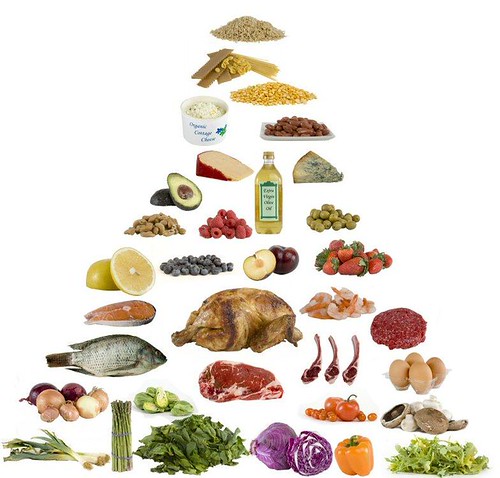

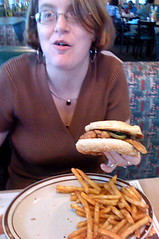


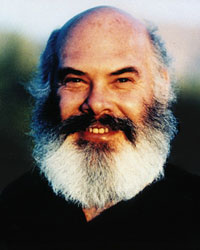




 . If the subtitle looks familiar, it should! It's the EXACT SAME SUBTITLE as Good Calories, Bad Calories because this is the EXACT SAME BOOK--it's the UK version set to release on January 17, 2008. The book is 640 pages long (not 448 as Amazon shows) and will be released by Vermilion, a division of Random House--who published the American version of the book. If you're still confused, just remember this--IT'S THE SAME BOOK! End of story. :)