|
PLEASE UPDATE YOUR BOOKMARKS TO LIVINLAVIDALOWCARB.COM/BLOG
The 'Dangerous Epidemic' Of A 'Fatty Liver' Next Big Health Crisis, Researcher Warns
 Dr. David Ludwig warns of health dangers from consuming starchy carbs Dr. David Ludwig warns of health dangers from consuming starchy carbsI just love it when the research finally catches up to what we already know regarding the negative impact of carbohydrates on our health. Whether we are talking about brain diseases, diabetes, age-related macular degeneration, and even cancer, the body of evidence is growing and growing and growing. If it isn't already obvious by now, then someday soon it will be impossible to ignore the "weight of the evidence" as my fellow low-carb blogger Regina Wilshire would say. Case in point is this blog post I wrote in April 2007 about a condition known as a "fatty liver" getting worse on a high-carb, low-fat diet. I cited several research studies in response to one of my readers who was worried her low-carb diet was going to cause this condition to get worse. I assured her it was the carbs, not the fat that makes this happen from the elevated insulin levels. And, sure enough, the latest research proves that exact thing! This BBC News story highlights a new study that concludes foods like potatoes, white flour and rice are the culprit behind a "fatty liver" because of their high-glycemic index. Lead researcher Dr. David Ludwig, from the Boston, MA-based Children's Hospital and author of the book Ending The Food Fight (an OUTSTANDING book, by the way, about the importance of implementing a low-carb diet to help combat childhood obesity!), and his fellow researchers fed mice a varying diet consisting of either "rapidly absorbed carbohydrates" (RAC), a high-carb diet, or "slowly absorbed carbohydrates" (SAC), a low-carb diet, over a period of 25 weeks to see how it would impact the development of non-alcoholic fatty liver disease (NAFLD). The results were not surprising--although total body weight remained statistically the same between both the RAC and the SAC groups, the amount of fat accumulated on the body, blood, and liver of the RAC group was TWICE as much as the SAC group. In other words, NAFLD developed on the high-carb diet consumed by the mice. WOW! This study was published in the September 2007 issue of the scientific journal Obesity. Dr. Ludwig said that as many as half of all overweight American children have already developed a "fatty liver" because of what he calls this "fast food/fake food world" we live in. "This is a silent but dangerous epidemic," he contended. "Just as type 2 diabetes exploded into our consciousness in the 1990s, so we think fatty liver will in the coming decade."If I've learned anything since I started livin' la vida low-carb four years ago, then it would have to be that carbohydrates lead to the production of insulin which then leads to the deterioration and destruction of so many bodily functions. It's such a shame that people have so marginalized low-carb diets that they don't even realize it's EXACTLY how we should be eating to live long and healthy lives. Too often low-carb living is simply about weight loss for people. But there's so much more to livin' la vida low-carb than simple weight loss. It's about eating healthy and warding off diseases before they can even have a chance to impact your body. I'm not worried about "all that fat" because I'm not combining it with "all those carbs." I don't know about you, but the idea of having a "fatty liver" just doesn't sound like something I want to have to deal with. And thanks to my healthy low-carb lifestyle, I won't EVER have to worry about it! :D Now, if we can just get those darn health "experts" to agree...SOMEDAY! You can e-mail Dr. David Ludwig to thank him for his research at david.ludwig@childrens.harvard.edu. And be sure to pick up a copy of his fantastic book Ending The Food Fight about feeding your children a delicious low-carb diet so they'll grow up to be fit and healthy adults. Labels: book, carbs, Children's Hospital, David Ludwig, diet, Ending The Food Fight, fatty liver, glycemic index, health, high-carb, insulin, low-carb, low-glycemic, obesity, study, weight loss
Briffa: High-Carb Diet Making 'Career Dieters' Out Of People
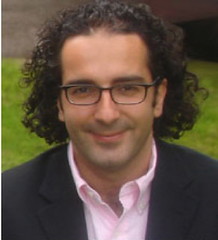 Dr. John Briffa says we should return to the "primal" diet of our ancestors Dr. John Briffa says we should return to the "primal" diet of our ancestorsSometimes it feels like we're all alone in this battle to share with others about healthy living. Sure, there are LOTS of voices out there purporting to be about good nutrition and health principles, but many of these fall well short of the mark by simply regurgitating the same old tired low-fat, low-calorie, portion-controlled diets which have by now been proven to be absolutely, positively useless for both health and weight management. That's why I enjoy highlighting those diamonds in the rough who actually "get it" when it comes to this subject and today I have a gentleman from UK who fits the bill. His name is Dr. John Briffa and I think you're gonna like what he has to say regarding diet, health, and nutrition in the modern era. He doesn't toe the line of the so-called "experts" and you gotta love that! Dr. Briffa first caught my eye early on when I first began this blog when he highlighted a study showing a high-protein, low-carb diet is good for bone health. WHOA! Who is this guy? At that time, I just KNEW I wanted to find out more about this Dr. John Briffa and I'm pleased he agreed to be interviewed by me for my blog today. Read and soak it all in. This is someone you'll want to hear more from. 1. Today we have with us a man who is a highly-respected, award-winning diet and health writer and nutritional expert named Dr. John Briffa and he hails from London, England. For more than 15 years, Dr. Briffa has shared his recipe for healthy living with his patients as well as the entire British population through his thought-provoking articles and columns for more than 70 publications including the Daily Mail and the Observer.
Welcome, Dr. Briffa, and thank you for spending a few moments with me and my readers today. Tell us a little about yourself and how you got involved in this sometimes wild and crazy world of diet and nutrition.As far as nutrition is concerned, I was a bit of a late developer. As a medical student, for instance, I subsisted on a diet comprised mainly of pizzas, kebabs, canteen food and Kentucky Fried Chicken. Despite a dire diet, my brain function was not so impaired that I could not see that a career in conventional medicine was not for me. I plotted my escape during my time at college, and despite being what my tutors generally regarded as a ‘poor student’, I graduated (with honors). While contemplating my future I met an elderly male patient who unwittingly turned me on to nutrition. He was very robust for his age, something he put largely down to his diet. I was struggling with a few health issues of my own (I was overweight, suffered from persistent eczema and often felt like I was drained of energy). Inspired by this elderly gent, I started reading about nutrition and ended up applying some healthy eating principles in my own life. In quick time I found this ‘cured’ my ills, and I wondered why they didn’t teach this stuff at medical school. Anyway, buoyed by my personal success I became a rapid convert to the area! 2. I love the approach you have taken to help educate others about health at your excellent web site--DrBriffa.com--as well as through your books, newsletter, blog, and podcast. You use the phrase "A Good Look At Good Health" to describe what you do. What does that motto mean to you and what do you hope people come away with when they encounter your work?While I think there’s a lot of good information on health around, there’s no denying that there’s a lot of suspect stuff too. A lot of health advice, particularly regarding diet, does seem to be born out of a concern not for public health, but profit. My aim with DrBriffa.com is to give readers the truth, and expose health myths and misinformation where that seems appropriate. Sometimes this means delving into food and health politics. And sometimes, it means digging a bit deeper and not taking any ‘facts’ for granted. Hence, ‘A good look at good health’. My aim is for individuals to come away from the site feeling they have read something balanced and truthful, and perhaps a little wiser about how to attain or maintain good health. 3. We are living in some rather strange times nowadays with the never ending barrage of good news/bad news about what we should and shouldn't be doing to get healthy. How do you respond to those people who are justifiably frustrated by the seemingly endless array of contradictory dietary research that comes out? Is there any way to discern what the truth really is or does it even matter?I feel the plight of those confused by often-contradictory messages out there, as I felt just the same when I first became interested in health (as opposed to disease). With such a lot of contradictory information and advice around, it’s sometimes difficult to know who or what to believe. I do think, however, that for those who are genuinely interested in optimizing their health and wellbeing that it’s important to discern fact from fiction. As a starting point, I tend to encourage individuals to think about diet a fundamental way: the best diet for us is going to be based on the foods that we’ve eaten the longest in terms of our evolution. After all, these are the foods that we’re best adapted to on a genetic, biochemical, physiological and metabolic perspective. Having this basic principle in mind is one simple way individuals can make healthy food choices and keep themselves out of a lot of trouble! 4. Your life's work is about getting people to turn to natural health remedies to fight their obesity and diseases. Share with us a few of the most basic changes that people can and should be making in order to live a much healthier life.Firstly, eat a ‘primal’ diet that is mainly made up of natural, unprocessed foods such as meat, fish, seafood, eggs, fruits, vegetables, nuts, seeds and water. Secondly, keep active. Generally, I recommend a mix of aerobic and resistance exercise here, though none of it needs to be particularly time-consuming or arduous. Thirdly, I recommend getting enough sleep, not just in terms of length but also depth. Getting to bed earlier and getting up earlier is one strategy that seems to work well for most people in this respect. I also advise that individuals get plenty of sun exposure whenever possible. Sunburn is to be avoided, of course, but that said, there’s mounting evidence linking sunlight exposure with a reduced risk of many conditions including depression, multiple sclerosis and many different forms of cancer including those of the breast, colon and prostate. Oh, and don’t forget to have fun whenever possible! Being healthy, in my opinion, need not be an austere and joyless experience. 5. Earlier this year you released a brand new book in the UK with many of your dietary concepts called "The True You Diet" which attempt to "make diets history." As someone who was able to lose nearly 200 pounds naturally through simple changes in my diet, I'm all for promoting the concept of lifestyle change to the masses. Is that also your philosophy or is there more to attaining the "true you" than that?I do think that there are certain nutritional principles that apply to ‘the masses’, so to speak. Eating a low-glycemic index/load diet is one such principle. In addition, though, studies show that the ideal ‘fuel’ for the body varies from individual to individual. For instance, some people are quite efficient metabolizers of fat, while others are better metabolizers of carbohydrate. In The True You Diet, I explore this concept in depth, and link the presence of different ‘types’ of individuals to our evolutionary past. The book is fully scientifically-referenced, with some 350 studies are specifically cited in the text. For ease of understanding, in the book I have classified individuals into ‘hunters’ (efficient metabolizers of fat), ‘gatherers’ (efficient metabolizers of carb) and ‘hunter-gatherers’ (somewhere in between). The book contains a comprehensive questionnaire which allows individuals to find out which ‘type’ they are, and also offers advice on foods, meals and recipes that are specific to each type. 6. You are on the cutting edge of nutritional science and have built up quite a reputation with your weekly newsletters and other alternative means of communications like your blog and podcasts. What can people expect to receive from these various new media resources and have you seen a greater response to your message since launching them?My DrBriffa.com blog is updated on Mondays, Wednesdays and Fridays, and almost always features a topical, recent health or research-related story. I often write about nutrition, but will cover just about anything that I think may be of value or interest to readers including food or health politics, activity and exercise, sleep, yoga and meditation, and sunlight. On Fridays, I send out a newsletter that summarizes that week’s blogs with live links back to the original posts for those who want to read more. I am planning to start regular podcasting and perhaps videocasting later this year. I am constantly spurred on by the positive feedback I get from my readers. I honestly do really appreciate this! I love blogging partly because it’s so much more immediate than print media, and it allows a more intimate relationship with readers too. And there’s no editorial control! Needless to say, I’m committed to continuing my online work. 7. The food and drug industries have obviously had a field day promoting the obesity epidemic and some would say they deliberately overemphasize the severity of it simply to turn a huge profit. What are your thoughts about this and do you believe money is at the root of the dietary recommendations and reliance on prescription medications for every health ailment we face today?There is quite a lot of evidence which suggests that the standard measure of body weight (the body mass index – BMI) is pretty useless as a marker of health. Plus, plenty of evidence links being ‘overweight’ with health outcomes as good if not better than those in the ‘healthy’ category. In short, I do agree that the severity and consequences of ‘excess’ weight have been somewhat overstated. Sorry if this seems like I’m laboring the point, but my belief is that a lot of health messages and recommendations are driven by commercial concern. This not only creates potential markets for, say, pharmaceutical and food companies, but also allows these companies to sell us solutions in the form of medications, and frankly quite unhealthy (though profitable) foodstuffs such as margarine and artificial sweeteners. 8. Is there anything inherently wrong with a low-fat, low-calorie, high-carb diet for the general population? Also, is there a specific way of eating that can assist those people who are diabetic?Is this a trick question?! Where do I start?! First of all, a high-carb diet can upset blood sugar and insulin balance that can lead to symptoms such as sweet cravings, fuzzy thinking, fatigue and waking in the night in the short term, and problems such as weight gain, type 2 diabetes and heart disease in the long term. Plus, high-carb diets often fail to really satisfy the appetite, making them quite unsustainable. It is just this sort of diet than can make ‘career dieters’ out of people. And these diets can be lacking in key nutrients, so that individuals can end up overweight and malnourished, all at the same time. Hardly ideal! As far as diabetes is concerned, I think a lot of conventional nutritional advice is woefully lacking. Often, diabetics are encouraged to include starchy carbs at each meal. We know that these foods tend to disrupt blood sugar levels, and we know that diabetes is a fundamentally a problem with blood sugar control. So why are diabetics given the advice to eat the very food they have a problem dealing with?! I don’t think it will come as a surprise to most of your readers that I advise carb-control for diabetics. Actually, this was the very diet used to treat diabetics before the advent of insulin. And it still works to this day! It’s not just common sense that supports this approach, but science too: several studies show that diets lower in carbohydrate can improve measures of glycemic control including blood sugar levels, insulin levels and levels of HbA1C (which is a measure of glycemic control over the preceding 2-3 months). 9. You have spoken out against using medications like statin drugs to artificially lower cholesterol levels by a mere 10 percent because there are no actual benefits experienced by such modest reductions. What would you say to someone who is worried about their "high" cholesterol and being told to take a drug to lower it for heart health? What are some all-natural ways people can ward off heart disease?My issue with statin drugs is mainly two-fold: their benefits have been overstated, and their hazards have been understated. The great majority of people who take these drugs have no history of ‘cardiovascular’ disease (e.g. heart disease, heart attack or stroke). In such individuals, meta-analyses (where the results of several similar studies are grouped together) have found the statins do not save lives. Statins do seem to save lives, however, when used to treat individuals with a history of cardiovascular disease. However, it is not assured that is because of cholesterol reduction, because statins also have other effects that could explain this benefit including an anti-inflammatory effect and some ability to ‘thin’ the blood. All-in-all, I think far too much is made of the supposed ‘perils’ of cholesterol. And it is well-recognized that statins can deplete the body of the nutrient coenzyme Q10, which can lead to symptoms such as fatigue and muscle pain. What I would say to someone with high cholesterol or keen to ward off heart disease is not to focus on the cholesterol, but on health. If they want to make any changes at all, then I suggest on incorporating lifestyle changes that support vibrant health and wellbeing. A good starting point would be those things I outlined in my answer to question 4 of this interview. 10. THANK YOU again for sharing a few moments with us here at the "Livin' La Vida Low-Carb" blog today, Dr. Briffa. Your zeal for naturally healthy living is contagious and I can only hope to follow your outstanding example in my own work. Are there any final words of encouragement and hope you would like to share with my readers before you go?Firstly, and I do mean this very genuinely, I think your site is doing an outstanding job of assisting individuals in educating themselves about important (possibly life-saving) principles. It’s an example of how the Internet has provided a portal for motivated individuals to share information and knowledge. And knowledge is power, after all. The ability for individuals to self-educate in this way means that industry is less and less able to control what people believe. It’s like the genie is out of the bottle – and now that it is, it’s going to be hard to get it back in! I believe we live in a time where there is unprecedented opportunity for individuals to discover the truth, and to use that to their advantage. There is a real feeling that growing numbers of individuals are seizing that opportunity with both hands, and I see this as a hugely positive thing for us all. Thank you Jimmy for the opportunity to ‘spread the word’ about healthy living! THANK YOU, Dr. Briffa! It was a pleasure getting to know you better and I'm glad my readers were able to discover who YOU are today. Sign up for Dr. John Briffa's weekly health newsletter and be sure to drop him an e-mail anytime at john@drbriffa.com. Labels: diabetes, diet, glycemic index, glycemic load, health, high-carb, interview, John Briffa, low-carb, low-glycemic, UK, weight loss
Atkins Low-Carb Diets Encourage Eating Fruit
 Low-glycemic fruits are recommended for a low-carb diet Low-glycemic fruits are recommended for a low-carb dietThis Fredericksburg, VA-based Free-Lance Star column about how important exercise is for the sake of brain function included some rather lamebrained information perpetuating the myths about fruit consumption when you are livin' la vida low-carb that are obviously NOT based on any low-carb program I am familiar with. Here's the quote from the article: Low-carb diets are all wrong. "It makes me crazy," the medical expert in the story said, when his patients tell him they can't eat fruit and vegetables because they're on a low-carb diet. "Almost all the anti-aging nutrients come from carbohydrates."If somebody is telling their doctor they can't eat any fruit at all because they are on a low-carb diet, then apparently they haven't read any of the same low-carb diet books that I have. Certainly, there are a few high-sugar fruits that are not recommended for low-carbers to consume, including bananas, raisins, and even orange juice, especially during the weight loss phases because they will kick you out of ketosis just as fast as a sugary candy bar will. I have blogged about some of my favorite low-glycemic fruits such as yummy blueberries and strawberries as well as melons and cantaloupes that have been and still are an essential part of my Atkins low-carb lifestyle. It makes me scratch my head in bewilderment whenever people ask me if I eat fruit now that I've lost weight. Um, I've been eating fruit throughout my low-carb journey, so DUH!   This may surprise people, but fruit is allowed on the Atkins diet This may surprise people, but fruit is allowed on the Atkins dietThe truth is you can get all the healthy benefits of eating fruits on the low-carb lifestyle just as Dr. Robert C. Atkins suggested in his program. In fact, right now I'm looking at pages 496-497 in Dr. Atkins New Diet Revolution and Dr. Atkins has an entire list of RECOMMENDED fruits to be consumed on the low-carb lifestyle along with their carb counts. Look at these 21 fruits with LESS than 8g carbohydrates: - applesauce
- apricot
- avocado
- blackberries
- blueberries
- cantaloupe
- cherries
- cranberries
- fig
- grapes
- honeydew melon
- lemon juice
- tomato juice
- mango
- papaya
- pineapple
- plum
- raspberries
- strawberries
- tangerine
- watermelonYep, that low-carb diet sure is devoid of fruit, ain't it? NOT! I suppose if you never even cracked open the book to begin with, then you would automatically ASSume fruits are not allowed. But clearly that is not the case with the real Atkins diet to anyone who bothers to actually read all 540 pages of it! How much more arrogant can you be than to spread lies and misinformation about something you know nothing about (remember Vee Jefferson)? The article went on to say that people should "avoid the bad carbs by all means" including white flour, sugars, and corn syrup as well as hydrogenated fats (aka trans-fats). Excellent! That is all very good advice to follow indeed. So, in the end, check out what foods are recommended: Green leafy vegetables, lean protein from seafood and poultry, beans, soy products, whole grains, cruciferous vegetables such as broccoli, berries, nuts, ground flax, garlic, herbs, green tea, non-fat yogurts with fruit, red wine, dark chocolate and cocoa.Hmmm, what do MOST of those foods listed above look like to you? Can you say LIVIN' LA VIDA LOW-CARB, baby! Take away the whole grains, beans, and soy products and you will probably not find that many low-carb supporters who will disagree with any of those other food choices. See, this constant drumbeat of negativity about low-carb living really has become pointless because they agree with us a lot more than they even realize it! Now go get you a bowl of some low-carb fruit to sit down, relax, and enjoy a healthy snack while you ponder over this newfound understanding and realization of the most amazing nutritional approach known to mankind--that would be livin' la vida low-carb! Labels: Atkins, carbohydrates, diet, Dr. Atkins New Diet Revolution, fruit, low-carb, low-glycemic, Robert C. Atkins
'Sweet Enough' Low-Carb Catering Service Promoting Lifestyle Changes
One of the things I've learned in life is when you find something you are extraordinarily passionate about and you're good at it, then you need to pursue that with every fiber of your being so that the infectiousness of what drives you will begin to influence others. That's what Bridget Hart has decided to do. This spunky professional chef, who loves to teach other how to cook as well as providing in-home catering, has started the Denver, Colorado-based Sweet Enough Personal Chef & Catering Services business to provide sizzling low-carb dishes that will tantalize your tastebuds. Bridget is a big believer in using fresh, whole foods with just the right herbs and spices to complement the meal. She is a graduate of the Cook Street School of Fine Cooking accelerated Food & Wine Career Program in Denver with more than over 13 years of combined experience in the fields of special event planning and execution, conference services, catering, and cooking. Additionally, Bridget has traveled and trained under master chefs in France and Italy and has even been featured on The Food Network with her world-famous Aspen Buffalo Burgers. Because she understands the dire need for proper nutrition in response to the obesity crisis, Bridget volunteers her time to help teache cooking and nutrition to people at risk for hunger, many of whom are afflicted with obesity and diabetes. This helps keep her grounded in all that she does. "My passion is sharing my belief that the enjoyment of good food, well-presented, does not have to be reserved for special occasions," Bridget stated. "Delicious healthy food does not have to be complex in preparation, and deprivation or denial should not be a part of anyone's eating habits. I can help you to eat well, without sacrificing a healthful way of living or, most importantly, flavor and enjoyment!" Specializing in low-carb/low-glycemic meals, Bridget offers these sample menu items to tease you with a little about what she can do. The web site is relatively new, so keep checking back for updates and more extensive recipes. Interestingly, she does have a blog you can check out called Cooking Without Carbs which will highlight some of her favorite low-carb recipes for you to enjoy. It's new too, so be sure to bookmark it to see what she posts from time to time. A very strong advocate for livin' la vida low-carb for the past seven years, Bridget says she is all about "encouraging and celebrating this lifestyle." "Whether you've chosen this path to lose weight, regulate your blood sugar, improve your heart health, or just upgrade your daily diet, I can help you meet your goals and enjoy healthy, balanced, and delicious meals," Bridget exclaimed.Acknowledging that variety can sometimes be a challenge on the low-carb lifestyle, Bridget said that's why she wanted to start her own business. "Many people not familiar with our lifestyle mistakenly think it's all about just meat, cheese and eggs," she admitted, but "we know that's not true. Yet, how many times have you 'run out' of creative and satisfying ideas for what you can and cannot eat? When was the last time you had what you would consider a 'gourmet' meal? And I won't even ask about dessert!"Like me, Bridget believes people should make up their own mind whether livin' la vida low-carb is the healthy lifestyle for them. She doesn't believe in going on a "diet" or even following a healthy "nutritional plan." Instead, it's all about the lifestyle change. "Health must come from a holistic approach, and this approach includes not only the traditional factors of what we eat and physical activity level, but also the less obvious, like where you live, where you work and what you do for a living, who you live with, your daily obligations, the health of your loved ones, etc. Yes, sometimes your health is directly determined by what you're eating, but it also has a lot to do with what's eating you," Bridget concluded.How profound and I like that! It's not just what YOU are eating, but what's EATING you! HA! Stress and life can indeed wreak havoc on your low-carb plan as I have often discussed here at my blog. Bridget reminds us that you need to take care of yourself and enjoy your healthy lifestyle without worrying about meal preparation and carb counting. That's why she wants to be YOUR personal low-carb chef. She wants to free up time for you to focus on yourself and your family without the hustle and bustle of the day to day. "Let me help you to help yourself, by providing cost-efficient, lifestyle-specific meals to you in your home," Bridget said about her new business. "Whether your entire family is participating in, or just supporting your lifestyle, I can work with you individually to plan menus that will please everyone at your table."She also specializes in party preparation regardless of the number of people attending your event. Little will your guests know they will be eating low-carb. Shhhh, don't tell 'em! Finally, Bridget LOVES helping people who love to cook to take all of their favorite recipes and make them low-carb ones instead. "Sweet Enough will come to your home and show you the ropes of low-carb/low glycemic cooking and menu planning," she explained. "Whether you're just starting out, or are a long-time low-carber, I bet I can show you some great new methods, recipes, hints and tips that will renew your motivation and get those creative cooking juices going again!"Lesson topics include Low-Carb/Low-Glycemic Lifestyle for Beginners, Alternative Grains & Baking, Low-Carb Desserts, and Quick & Easy Entrees. Groups are welcomed and Bridget will be there. Right now, her business is limited to the Denver metropolitan market, but she is willing to travel for special events in your area. For more information about Bridget Hart and her "Sweet Enough" low-carb catering business, feel free to e-mail her at bridget@bridget-hart.com. 1-18-07 UPDATE: By popular request from so many of my readers, you can access Bridget's Aspen Buffalo Burger recipe that was featured on The Food Network by clicking here. ENJOY! Labels: blog, Bridget Hart, catering, chef, cooking, low-carb, low-glycemic, recipe, Sweet Enough
Study: Lower Insulin Levels Generated By A Low-Carb Diet Naturally Reduces Acne
 Got pimples? Then you may want to try the low-carb lifestyle! Got pimples? Then you may want to try the low-carb lifestyle!How many of us grew up hearing the advice from well-meaning people to stop eating chocolate and fried foods to help cure our acne when we were teenagers? I know I did and I even tried doing it (with very little success!) thinking that made sense. But now researchers out of Australia have recently conducted a study that found it wasn't the fat that was making all those zits pop up on our faces, but rather the overabundance of sugary, processed, high-carb foods instead! Lead researcher Dr. Neil Mann, associate professor of Nutrition and Food Science at RMIT University in Melbourne, Australia, observed 50 teenage boys with a moderate to severe acne problem over a three-month period to see what impact diet would have on their skin condition. The study participants were randomly divided into two groups: HIGH-CARB: Typical teenage diet of refined carbs/processed foods. LOW-CARB: Healthier diet with more low-GI whole foods. Obviously, the LOW-CARB group ate more foods that took time for the body to digest and, thus, did not experience the wild swings in their blood sugar which dramatically raises insulin levels that is typical of a HIGH-CARB diet. In fact, most of the carbohydrates that would normally be consumed in a typical teenage diet were replaced with high-quality sources of protein such as red meat and fish in the LOW-CARB group. At the end of the study, Dr. Mann found the acne among those in the LOW-CARB group had "improved dramatically, by more than half." You hear that right--the low-glycemic index (GI), low-carb diet that was consumed by the LOW-CARB group reduced their breakouts by more than 50 percent! WOWsers! "This new evidence suggests that a more natural diet, comprised of minimally processed foods, may serve as a defense against acne," he explained.The results of this study were presented at a European dermatology conference earlier this month in Greece (have you heard about this study BEFORE now anywhere else in the mainstream media? Hmmmm?). Dr. Mann said he was surprised by the incredible improvements that the LOW-CARB group saw that were seemingly based solely on their diet, something many dermatologists and health experts have long claimed has no effect on acne. But Dr. Mann believes the high levels of insulin generated by the typical HIGH-CARB diet that most teenagers eat is the root cause behind their facial breakouts. Lowering the carbohydrate intake of the study participants resulted in a reduction of the insulin levels and a correlating improvement in the production of pimples. "It's as clear as day," Dr. Mann boasted of the faces in the LOW-CARB group.He said it is natural for teenagers to develop zits as their bodies go through the typical changes associated with that period in their life. "When you go through puberty you produce a lot of growth hormone that actually makes you insulin resistant temporarily," he revealed. "With chronically high levels of insulin you're going to get blockages in the pores and extra oil building up under the skin."Not surprisingly, the typical HIGH-CARB diet makes the problem that much worse which is why putting them on a LOW-CARB diet is an excellent, all-natural way to help bring about drastic improvements in the complexion of adolescents. "We're convinced the results show that if people do suffer from acne badly this sort of dietary change is going to help them a great deal," Dr. Mann concluded.Further studies will undoubtedly be conducted in the near future to test this theory regarding the correlation between insulin levels and acne even more which could make for yet another fascinating positive side effect of livin' la vida low-carb. This is yet another reason I wish I had started the low-carb lifestyle a long time ago because I've had BAD breakouts ever since I turned 13. Before I started the Atkins diet in January 2004 at the age of 32, I was STILL having trouble with pimples. But the condition is 1000% better now three years after I stopped eating sugar and started eating more low-glycemic foods. This is yet another BONUS feature of low-carb living that you may not even realize. Yes, the weight loss is fantastic and I would do it all over again just for that. But I'm so glad to see there are many more reasons for me to keep on livin' la vida low-carb! You can e-mail Dr. Neil Mann about his study at n.mann@rmit.edu.au. Labels: acne, diet, GI, insulin, low-carb, low-glycemic, Neil Mann, pimples, processed foods, research, study
|


