|
PLEASE UPDATE YOUR BOOKMARKS TO LIVINLAVIDALOWCARB.COM/BLOG
'Livin' La Vida Low-Carb Show' Episode 158: Oh My Gosh, It's Low-Carb Cookbook Author Dana Carpender!
 Low-carb celebrity Dana Carpender gets us caught up on her life Long before I ever even thought about going on the Atkins diet to lose weight in 2004, there was a woman who was championing the healthy low-carb lifestyle in a series of bestselling cookbooks. She tried the conventional high-carb, low-fat diet and it failed her, so that led her to livin' la vida low-carb--and the rest is history! Of course, I'm talking about the one, the only Dana Carpender. In Episode 158 of "The Livin' La Vida Low-Carb Show with Jimmy Moore," Dana lets us in on what is happening in her life right now. She's got a new companion cookbook coming out this Fall to go along with Rob Thompson's The Glycemic-Load Diet and is currently dealing with a bit of a health scare herself with a fibroid in her stomach that she says makes her "look like I'm 20 pounds heavier than I am." And you NEVER have to worry about Dana coming up with an opinion--she's got plenty of 'em to go around! Click on the "LISTEN NOW" link below or download it to your iPod to hear Episode 158:  "The Livin' La Vida Low-Carb Show with Jimmy Moore" Episode 158 [39:03m]: LISTEN NOW | DownloadIn the midst of the taping of this interview with Dana Carpender, I shared with her about our upcoming 2nd Annual Low-Carb Cruise in January 2009 and she got so excited about coming. Since then, Dana has confirmed she IS coming on the cruise (WOO HOO!) and will be sharing in a seminar on board the trip down to Mexico. If you haven't signed up for the cruise, then you still can by clicking here. We got Dana to open up in this podcast interview since she's so shy--NOT!!! One thing you'll never have trouble getting Dana Carpender to do is talk and she does it well. Hear her talk about the trials of the publishing world for a "low-carb" author, the dangers of low-calorie starvation diets like the Kimkins scam, diet soda, low-carb chocolate, and that recent "big breakfast" study that had all the media going crazy recently. It's never a dull moment with Dana around, so be sure to listen from start to finish. Connect with low-carb celebrities like Dana Carpender anytime by: 1. Listening at the official web site2. Calling (818) 688-2763 to listen via Podlinez3. Subscribing to the RSS feed 4. Going to iTunes-- Click here to subscribe! What did you think about Dana Carpender? She has arguably had more influence on the way people view a low-carb lifestyle on the publishing and consumer side than anyone else ever has! I was privileged to speak with her and can't wait to have her join us on the 2009 low-carb cruse. Discuss today's show in the show notes section of Episode 158. And be sure to bookmark Dana Carpender's "Hold The Toast" web site and pre-order the The Glycemic-Load Diet Cookbook TODAY! :) Coming up on Thursday we'll have fitness and nutrition expert Eric Morrison and then a special two-part podcast interview next week with low-carb chiropractor Dr. Peter Jo. Labels: cookbook, cooking, cruise, Dana Carpender, glycemic load, interview, Jimmy Moore, low-carb, podcast, recipes, The Livin' La Vida Low-Carb Show
Briffa: High-Carb Diet Making 'Career Dieters' Out Of People
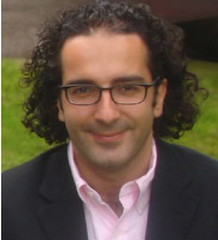 Dr. John Briffa says we should return to the "primal" diet of our ancestors Sometimes it feels like we're all alone in this battle to share with others about healthy living. Sure, there are LOTS of voices out there purporting to be about good nutrition and health principles, but many of these fall well short of the mark by simply regurgitating the same old tired low-fat, low-calorie, portion-controlled diets which have by now been proven to be absolutely, positively useless for both health and weight management. That's why I enjoy highlighting those diamonds in the rough who actually "get it" when it comes to this subject and today I have a gentleman from UK who fits the bill. His name is Dr. John Briffa and I think you're gonna like what he has to say regarding diet, health, and nutrition in the modern era. He doesn't toe the line of the so-called "experts" and you gotta love that! Dr. Briffa first caught my eye early on when I first began this blog when he highlighted a study showing a high-protein, low-carb diet is good for bone health. WHOA! Who is this guy? At that time, I just KNEW I wanted to find out more about this Dr. John Briffa and I'm pleased he agreed to be interviewed by me for my blog today. Read and soak it all in. This is someone you'll want to hear more from. 1. Today we have with us a man who is a highly-respected, award-winning diet and health writer and nutritional expert named Dr. John Briffa and he hails from London, England. For more than 15 years, Dr. Briffa has shared his recipe for healthy living with his patients as well as the entire British population through his thought-provoking articles and columns for more than 70 publications including the Daily Mail and the Observer.
Welcome, Dr. Briffa, and thank you for spending a few moments with me and my readers today. Tell us a little about yourself and how you got involved in this sometimes wild and crazy world of diet and nutrition.As far as nutrition is concerned, I was a bit of a late developer. As a medical student, for instance, I subsisted on a diet comprised mainly of pizzas, kebabs, canteen food and Kentucky Fried Chicken. Despite a dire diet, my brain function was not so impaired that I could not see that a career in conventional medicine was not for me. I plotted my escape during my time at college, and despite being what my tutors generally regarded as a ‘poor student’, I graduated (with honors). While contemplating my future I met an elderly male patient who unwittingly turned me on to nutrition. He was very robust for his age, something he put largely down to his diet. I was struggling with a few health issues of my own (I was overweight, suffered from persistent eczema and often felt like I was drained of energy). Inspired by this elderly gent, I started reading about nutrition and ended up applying some healthy eating principles in my own life. In quick time I found this ‘cured’ my ills, and I wondered why they didn’t teach this stuff at medical school. Anyway, buoyed by my personal success I became a rapid convert to the area! 2. I love the approach you have taken to help educate others about health at your excellent web site--DrBriffa.com--as well as through your books, newsletter, blog, and podcast. You use the phrase "A Good Look At Good Health" to describe what you do. What does that motto mean to you and what do you hope people come away with when they encounter your work?While I think there’s a lot of good information on health around, there’s no denying that there’s a lot of suspect stuff too. A lot of health advice, particularly regarding diet, does seem to be born out of a concern not for public health, but profit. My aim with DrBriffa.com is to give readers the truth, and expose health myths and misinformation where that seems appropriate. Sometimes this means delving into food and health politics. And sometimes, it means digging a bit deeper and not taking any ‘facts’ for granted. Hence, ‘A good look at good health’. My aim is for individuals to come away from the site feeling they have read something balanced and truthful, and perhaps a little wiser about how to attain or maintain good health. 3. We are living in some rather strange times nowadays with the never ending barrage of good news/bad news about what we should and shouldn't be doing to get healthy. How do you respond to those people who are justifiably frustrated by the seemingly endless array of contradictory dietary research that comes out? Is there any way to discern what the truth really is or does it even matter?I feel the plight of those confused by often-contradictory messages out there, as I felt just the same when I first became interested in health (as opposed to disease). With such a lot of contradictory information and advice around, it’s sometimes difficult to know who or what to believe. I do think, however, that for those who are genuinely interested in optimizing their health and wellbeing that it’s important to discern fact from fiction. As a starting point, I tend to encourage individuals to think about diet a fundamental way: the best diet for us is going to be based on the foods that we’ve eaten the longest in terms of our evolution. After all, these are the foods that we’re best adapted to on a genetic, biochemical, physiological and metabolic perspective. Having this basic principle in mind is one simple way individuals can make healthy food choices and keep themselves out of a lot of trouble! 4. Your life's work is about getting people to turn to natural health remedies to fight their obesity and diseases. Share with us a few of the most basic changes that people can and should be making in order to live a much healthier life.Firstly, eat a ‘primal’ diet that is mainly made up of natural, unprocessed foods such as meat, fish, seafood, eggs, fruits, vegetables, nuts, seeds and water. Secondly, keep active. Generally, I recommend a mix of aerobic and resistance exercise here, though none of it needs to be particularly time-consuming or arduous. Thirdly, I recommend getting enough sleep, not just in terms of length but also depth. Getting to bed earlier and getting up earlier is one strategy that seems to work well for most people in this respect. I also advise that individuals get plenty of sun exposure whenever possible. Sunburn is to be avoided, of course, but that said, there’s mounting evidence linking sunlight exposure with a reduced risk of many conditions including depression, multiple sclerosis and many different forms of cancer including those of the breast, colon and prostate. Oh, and don’t forget to have fun whenever possible! Being healthy, in my opinion, need not be an austere and joyless experience. 5. Earlier this year you released a brand new book in the UK with many of your dietary concepts called "The True You Diet" which attempt to "make diets history." As someone who was able to lose nearly 200 pounds naturally through simple changes in my diet, I'm all for promoting the concept of lifestyle change to the masses. Is that also your philosophy or is there more to attaining the "true you" than that?I do think that there are certain nutritional principles that apply to ‘the masses’, so to speak. Eating a low-glycemic index/load diet is one such principle. In addition, though, studies show that the ideal ‘fuel’ for the body varies from individual to individual. For instance, some people are quite efficient metabolizers of fat, while others are better metabolizers of carbohydrate. In The True You Diet, I explore this concept in depth, and link the presence of different ‘types’ of individuals to our evolutionary past. The book is fully scientifically-referenced, with some 350 studies are specifically cited in the text. For ease of understanding, in the book I have classified individuals into ‘hunters’ (efficient metabolizers of fat), ‘gatherers’ (efficient metabolizers of carb) and ‘hunter-gatherers’ (somewhere in between). The book contains a comprehensive questionnaire which allows individuals to find out which ‘type’ they are, and also offers advice on foods, meals and recipes that are specific to each type. 6. You are on the cutting edge of nutritional science and have built up quite a reputation with your weekly newsletters and other alternative means of communications like your blog and podcasts. What can people expect to receive from these various new media resources and have you seen a greater response to your message since launching them?My DrBriffa.com blog is updated on Mondays, Wednesdays and Fridays, and almost always features a topical, recent health or research-related story. I often write about nutrition, but will cover just about anything that I think may be of value or interest to readers including food or health politics, activity and exercise, sleep, yoga and meditation, and sunlight. On Fridays, I send out a newsletter that summarizes that week’s blogs with live links back to the original posts for those who want to read more. I am planning to start regular podcasting and perhaps videocasting later this year. I am constantly spurred on by the positive feedback I get from my readers. I honestly do really appreciate this! I love blogging partly because it’s so much more immediate than print media, and it allows a more intimate relationship with readers too. And there’s no editorial control! Needless to say, I’m committed to continuing my online work. 7. The food and drug industries have obviously had a field day promoting the obesity epidemic and some would say they deliberately overemphasize the severity of it simply to turn a huge profit. What are your thoughts about this and do you believe money is at the root of the dietary recommendations and reliance on prescription medications for every health ailment we face today?There is quite a lot of evidence which suggests that the standard measure of body weight (the body mass index – BMI) is pretty useless as a marker of health. Plus, plenty of evidence links being ‘overweight’ with health outcomes as good if not better than those in the ‘healthy’ category. In short, I do agree that the severity and consequences of ‘excess’ weight have been somewhat overstated. Sorry if this seems like I’m laboring the point, but my belief is that a lot of health messages and recommendations are driven by commercial concern. This not only creates potential markets for, say, pharmaceutical and food companies, but also allows these companies to sell us solutions in the form of medications, and frankly quite unhealthy (though profitable) foodstuffs such as margarine and artificial sweeteners. 8. Is there anything inherently wrong with a low-fat, low-calorie, high-carb diet for the general population? Also, is there a specific way of eating that can assist those people who are diabetic?Is this a trick question?! Where do I start?! First of all, a high-carb diet can upset blood sugar and insulin balance that can lead to symptoms such as sweet cravings, fuzzy thinking, fatigue and waking in the night in the short term, and problems such as weight gain, type 2 diabetes and heart disease in the long term. Plus, high-carb diets often fail to really satisfy the appetite, making them quite unsustainable. It is just this sort of diet than can make ‘career dieters’ out of people. And these diets can be lacking in key nutrients, so that individuals can end up overweight and malnourished, all at the same time. Hardly ideal! As far as diabetes is concerned, I think a lot of conventional nutritional advice is woefully lacking. Often, diabetics are encouraged to include starchy carbs at each meal. We know that these foods tend to disrupt blood sugar levels, and we know that diabetes is a fundamentally a problem with blood sugar control. So why are diabetics given the advice to eat the very food they have a problem dealing with?! I don’t think it will come as a surprise to most of your readers that I advise carb-control for diabetics. Actually, this was the very diet used to treat diabetics before the advent of insulin. And it still works to this day! It’s not just common sense that supports this approach, but science too: several studies show that diets lower in carbohydrate can improve measures of glycemic control including blood sugar levels, insulin levels and levels of HbA1C (which is a measure of glycemic control over the preceding 2-3 months). 9. You have spoken out against using medications like statin drugs to artificially lower cholesterol levels by a mere 10 percent because there are no actual benefits experienced by such modest reductions. What would you say to someone who is worried about their "high" cholesterol and being told to take a drug to lower it for heart health? What are some all-natural ways people can ward off heart disease?My issue with statin drugs is mainly two-fold: their benefits have been overstated, and their hazards have been understated. The great majority of people who take these drugs have no history of ‘cardiovascular’ disease (e.g. heart disease, heart attack or stroke). In such individuals, meta-analyses (where the results of several similar studies are grouped together) have found the statins do not save lives. Statins do seem to save lives, however, when used to treat individuals with a history of cardiovascular disease. However, it is not assured that is because of cholesterol reduction, because statins also have other effects that could explain this benefit including an anti-inflammatory effect and some ability to ‘thin’ the blood. All-in-all, I think far too much is made of the supposed ‘perils’ of cholesterol. And it is well-recognized that statins can deplete the body of the nutrient coenzyme Q10, which can lead to symptoms such as fatigue and muscle pain. What I would say to someone with high cholesterol or keen to ward off heart disease is not to focus on the cholesterol, but on health. If they want to make any changes at all, then I suggest on incorporating lifestyle changes that support vibrant health and wellbeing. A good starting point would be those things I outlined in my answer to question 4 of this interview. 10. THANK YOU again for sharing a few moments with us here at the "Livin' La Vida Low-Carb" blog today, Dr. Briffa. Your zeal for naturally healthy living is contagious and I can only hope to follow your outstanding example in my own work. Are there any final words of encouragement and hope you would like to share with my readers before you go?Firstly, and I do mean this very genuinely, I think your site is doing an outstanding job of assisting individuals in educating themselves about important (possibly life-saving) principles. It’s an example of how the Internet has provided a portal for motivated individuals to share information and knowledge. And knowledge is power, after all. The ability for individuals to self-educate in this way means that industry is less and less able to control what people believe. It’s like the genie is out of the bottle – and now that it is, it’s going to be hard to get it back in! I believe we live in a time where there is unprecedented opportunity for individuals to discover the truth, and to use that to their advantage. There is a real feeling that growing numbers of individuals are seizing that opportunity with both hands, and I see this as a hugely positive thing for us all. Thank you Jimmy for the opportunity to ‘spread the word’ about healthy living! THANK YOU, Dr. Briffa! It was a pleasure getting to know you better and I'm glad my readers were able to discover who YOU are today. Sign up for Dr. John Briffa's weekly health newsletter and be sure to drop him an e-mail anytime at john@drbriffa.com. Labels: diabetes, diet, glycemic index, glycemic load, health, high-carb, interview, John Briffa, low-carb, low-glycemic, UK, weight loss
Study Suggests Find The Diet Right For You
 Dr. Susan Roberts studied low-carb and low-fat diets for weight loss What's the secret to losing weight and keeping it off over the long-term? I've probably revealed the simple answer to that question a million times before at my blog--find the diet that's right for you, learn all you can about that particular plan to do it correctly, and then keep doing it for the rest of your life. Yes, I lost nearly 200 pounds on the Atkins low-carb diet and have been blogging about it for over two years, but I realize this way of eating is not for everyone. Now this WebMD story highlights a new study that confirms this notion of discovering the customized plan that works for the individual. However, there are some aspects of this research I didn't think were fair to livin' la vida low-carb. I'll discuss my objections in just a moment. Lead researcher Dr. Susan B. Roberts, Senior Scientist and Director of the Energy Metabolism Laboratory in the Jean Mayer USDA HNRCA at the Boston, MA-based Tufts University, and her fellow researchers wanted to try to settle the age-old question of which diet makeup is best for weight loss and weight maintenance. The researchers observed 34 healthy, but overweight men and women who were placed on a calorie-restricted diet where their total caloric intake was cut by 30 percent. However, the study participants were split into one of two groups: LOW-GLYCEMIC LOAD LOWER-CARB DIET (LG) or HIGH-GLYCEMIC LOAD LOW-FAT DIET (HG)The LG group avoided foods with sugar and starch, but still ate 40 percent of their calories as carbohydrates. The macronutrient breakdown of the fat and protein were 30 percent each. Interestingly, they call this a "low-carb" diet, but it's not low enough for most of us who are livin' la vida low-carb. This more closely resembles The Zone diet. The HG group, on the other hand, ate 60 percent of their calories as carbohydrates while limiting their fat and protein to 20 percent each. This is what many would describe as the Standard American Diet (SAD). The researchers took great pains to try to match the foods in this group with the taste, appearance, and calorie counts of the LG group (yeah, good luck with that!). Weekly shopping and cooking classes for each of the groups were provided with a dietitian (HOO BOY!) and the exact foods needed to do each diet were distributed to the study participants for the first six months of the study. Yet, after that they left them to their own devices to eat on their own for the second six months of the study. Uh-oh! Over the one-year study, the study participants kept a food diary with the amount of calories and food that were consumed. The reseachers noticed that all of them "cheated" at some point in their plan. Furthermore, both the LG and HG groups lost statistically the same amount of weight and body fat regardless of the program they were following. Of course, the opponents of low-carb use this as an excuse that people shouldn't do this diet since it's no better for weight loss after one year. But I see it differently. Since both the low-fat and low-carb diet are shown to be equally effective after one year in this study, what that means is people have a choice about what is right for them. In other words, let's see both plans promoted alongside each other as options rather than just the low-fat diet. But why can't these studies look at a truly ketogenic low-carb diet rather than this 40 percent carbs diet? That's way too many carbs for my blood. While it is certainly LOWER carb, it's not "low-carb" like many of us low-carbers would define it. I'd LOVE to see this same study conducted putting a third group of study participants in a VLG (very low-glycemic) group on a diet with even 20 percent carbs--HALF the amount in this study. For Atkins dieters, it could even go as low as 10 percent or less carbohydrate daily along with upwards of 60 percent fat and THEN let's see what the weight loss difference between this REAL low-carb plan and the high-carb, low-fat diet. There would be no comparison in my eyes because the genuine low-carb diet would blow the competition out the water. Why would you want to squelch this kind of result from taking place, Dr. Roberts? Are you too afraid of what you KNOW will happen? The fact is you DO get to enjoy delicious and nutritious foods when you are livin' la vida low-carb compared with a high-carb, low-fat diet. Nobody is gonna argue this point and nor should they. It's true and the low-fatties just need to get over it already. I think they're jealous of us low-carb dieters because we eat good and lose weight, too. Sorry, but that's just a fact they're gonna have to live with. Say it with me now--that's just the way it is. If you had to choose between the low-carb lifestyle or the high-carb, low-fat diet since both have been shown to bring about similar weight loss after one year, then it's a no-brainer which one most people would choose. Livin' la vida low-carb, of course! The reseachers stated that people should find the diet right for them. "The present results suggest that a broad range of healthy diets can successfully promote weight loss," they concluded.Well, then what the heck are we waiting on?! Let's make it happen already and stop all the bashing of low-carb in the media and by the so-called health "experts." If the studies are showing low-carb and low-fat are equals, then the dietary recommendations should be immediately amended to include low-carb options alongside the low-fat ones. This study was funded by the National Institute on Aging and the results appear in the April 2007 issue of the American Journal of Clinical Nutrition. Just like they did following the release of the Stanford study published in JAMA in March 2007 showing the Atkins diet is best for weight loss after one year, the researchers were skeptical of the results and tried to explain away the positive impact of low-carb in the study. Look at this quote from one of them. "However, we did detect a greater tendency for weight and body-fat regain among low-glycemic-diet participants," the researcher remarked. "This finding suggests that reduced caloric intake may be harder to sustain on low-glycemic diets over time."Sigh. Eating LESS calories is "harder to sustain" for people who are livin' la vida low-carb, eh? Did it ever occur to the researchers that many of us aren't paying any attention to calories anyway? When you are eating a low-carb diet, you don't need to worry about calories, fat grams, and all those other things that the "diet" mentality make you obsess over. You simply live your life and let your weight manage itself. That's what I've been doing for the past 3 1/2 years and will keep doing for the rest of my long, happy, and healthy life. I've now successfully maintained my weight since 2004 eating this way and I'm not micromanaging my calories or worrying about eating too much fat. That's the old way of thinking that frustrated me into getting obese to begin with. Why do we put these strict instructions on what people should be doing to maintain their weight loss that only makes the problem harder and harder to deal with? It boggles my mind! There's no greater freedom than knowing I can eat yummy low-carb foods and STILL keep my weight in line. If I want a high-fat, high-protein steak to eat, then I can do it and keep my weight in check. How about a delicious spinach salad with salmon, sugar-free pickle relish, and fatty mayonnaise topped with cheese and full-fat Ranch dressing? Mmmm, now that's what I call living healthy baby! And my weight and health are NOT adversely impacted. The point is this study confirms my belief that people can find what works for them and do it confidently knowing they can not just lose weight but keep it off forever. Whether it is low-fat or low-carb, I'll never squabble with anyone who can find the permanent solution to a lifelong problem. That's what livin' la vida low-carb has been for me and it can be your nutritional solace as well. GO FOR IT!!! You can e-mail Dr. Susan Roberts about her study at susan.roberts@tufts.edu. Labels: calories, diet, glycemic load, high-carb, low-carb, low-fat, Susan Roberts, Tufts, weight loss
Low-Carb A 'Reasonable Alternative' To Low-Fat, Portion Control Diet, Study Finds
After blogging about the preliminary findings of a study comparing low-carb weight loss with a low-fat, portion-controlled diet in October 2005, I am pleased to share with you the full findings of this study as reported by Reuters recently. Lead researcher Dr. Kevin C. Maki, investigator at the Chicago, IL-based Radiant Research, wanted to see if lowering the glycemic load and increasing the protein content of the study participants' diet would provide any advantages when it comes to weight loss (a theory already substantiated by previous research). Also, the researchers were looking at body fat composition and cardiovascular risk among the overweight and obese adults participating. Observing the 86 study participants over an initial 12-week period and then for an additional 24 weeks thereafter, Dr. Maki split them into one of two dietary groups: A reduced-glycemic load (RGL) diet group and a traditional low-fat, portion-controlled diet group (LFPC). The RGL group was specifically told to eat until they were satisfied, maintain a low-carb dietary intake for the first two weeks (simulating the Induction phase of the Atkins diet), and then to start adding low-glycemic-index carbohydrate afterwards. They were not required to count a single calorie (something I've never done on my low-carb plan) and were permitted to eat as much as they wanted during the study. The LFPC group was the control in the study and were told to lower their fat intake and portion sizes aiming for an energy deficit of 500-800 calories/day. The total calories would vary by individual based on their activity level and food intake. But it was basically a low-fat, low-calorie, portion control diet. At the end of 12 weeks, the RGL group had lost nearly twice as much weight (10.8 pounds) as the LFPC group (5.5 pounds). Additionally, the RGL group lost MORE THAN DOUBLE the amount of fat (4.2 pounds) as the LFPC group (2 pounds). As signficant as these three-month comparison totals were, they became statistically less important at the end of 36 weeks. Weight loss as well as body fat composition after the six-month study concluded remained virtually the same as it was at the end of week 12. However, the researchers did note that the positive change in HDL cholesterol (which was recently found in this study to be more a better health marker for cardiovascular risk than LDL cholesterol) among the RGL group was TWICE that of the LFPC group. Dr. Maki concluded that the low-carb RGL diet is "a reasonable alternative to a low-fat, portion-controlled eating plan for weight management." The results of this study were published in the March 2007 issue of the American Journal of Clinical Nutrition. At this point, Dr. Maki would like to continue to research why the low-carb RGL diet works so well for short-term weight loss and to figure out ways continue those losses over the long-term so they can "obtain greater insight into strategies that would improve long-term weight-loss maintenance." That's exactly what livin' la vida low-carb is all about. Lost in the debate between low-fat and low-carb is the fact that both have been found to be at least equally effective at weight loss. That's why I have been pushing for them to be recommended alongside each other by our government and health leaders now that the research has shown them to be no different. Or, as Dr. Maki states in his research, low-carb is now a "reasonable alternative." As more and more research like this one from Dr. Maki and the Stanford JAMA study keep coming out showing livin' la vida low-carb is a viable option for people to try instead of the failed low-fat, low-calorie, portion control diets, it's gonna get a whole lot more difficult for them to keep ignoring it. They'll do their best to turn a blind eye, but at some point it will become so obvious they'll be left with no choice but acceptance. That day can't come fast enough if we are going to beat obesity! Labels: body fat, diet, glycemic load, Kevin Maki, low-calorie, low-carb, low-fat, obesity, portion control, Radiant Research, research, study
Study: Long-Term Heart Health Issues With Low-Carb Diets Unfounded
 Dr. Frank Hu releases the most favorable low-carb study to date What I am about to share with you will change the way you look at diet and health forever. Or at least it should. When you buck the trend of conventional wisdom, as so many of us who are on a low-carbohydrate program have, then you are bound to upset the very foundation of health and nutrition that those in authority hold so near and dear to their hearts. But science moves forward to create paradigm shifts in the way we think. Today we see one such example of this. If you are on a low-carb diet, then you have probably run into this before. "The Atkins Diet is dangerous for your heart!"
"If you eat all that fat on low-carb, you'll have a heart attack!"
"Who cares about your weight loss, you're destroying your health!"For those of us on the low-carb lifestyle, hearing statements like this has become just another one of the many challenges we face while on the journey to attaining amazing weight loss success and vastly improved health. After losing nearly 200 pounds on the Atkins diet in 2004 and keeping it off ever since, incredibly I STILL have people challenging me to this very day about the "dangers" of eating low-carb because of the alleged health problems it is supposed to induce. My question to these people is this: WHEN am I supposed to have these, hmmmm? More than any other comments which have been made to me about livin' la vida low-carb, there is one that rises above all the rest especially in the context of debating the health claims that we low-carbers make about this way of eating. "There have been no long-term studies showing low-carb is safe!"Ah, this has been the good ole reliable defense that so many opponents of low-carb diets have thrown out in the arena of ideas to silence talk about low-carb. But now they're going to have to come up with another excuse because this Washington Post story highlights a bombshell long-term study that quite literally vindicates all of us who have made low-carb living our permanent lifestyle change. Tom Halton, a former doctoral student in the Department of Nutrition at the Harvard School of Public Health, along with direction from lead researcher and associate professor of nutrition and epidemiology Dr. Frank Hu, conducted a 20-year study on the heart health effects of low-carb diet programs such as the Atkins diet. This is the first such study on the long-term effects of low-carbohydrate diets to be released to the public and it is quite revealing. The research team observed information from the past two decades of 82,802 women participating in the Nurses' Health Study which began in 1976 and tracked their diet and health with periodic questionairres. The researchers tabulated each woman's overall diet score based on the amount of fat, protein, and carbohydrates they consumed as a percentage of their total caloric intake. Scores ranged from 0 to 30, with 0 indicating low-fat, low-protein, but very high-carb while 30 was designated for high-fat, high-protein, and very low-carb. The lower the number meant the study subject was following a low-fat diet and was labeled with "low-fat-diet score." Conversely the higher the number translated into the study participant being on a low-carb diet and the score was described as the "low-carbohydrate-diet score." Halton wanted an even further breakdown of the low-carbohydrate-diet score, so he split them into two subgroups: 1. Carbohydrate/animal protein/animal fat intake 2. Carbohydrate/vegetable protein/vegetable fat intake Over the 20-year study, the researchers found a little more than 2 percent of the study participants (1,994) had documented cases of coronary heart disease. However, the most amazing statistic among those who develped heart disease was the fact that the low-carbohydrate diet score participants were not a major part of those numbers. In fact, Halton had fully expected the risk of heart disease to go up among those who ate the low-carb/high-fat diet, but... “It didn’t, which was a little eye-opening,” he said.Additionally, none of the scores were manipulated or modified to account for physical activity levels, body-mass index, or the presence or absence of high blood pressure, high cholesterol, or diabetes. Even with these conditions present, the low-carbohydrate diet score group did not have an increased risk for coronary heart disease. Interestingly, Halton and his associates said neither the total amount of fat nor the total amount of carbohydrates increased the risk of coronary heart disease. But, they did notice the kind of fat and carbs can certainly be better for you. For example, vegetable fat consumption led to a REDUCED risk of heart disease while excessive refined carbohydrate consumption typical of a low-fat diet was the STRONG culprit in those who did develop heart problems. The researchers believe it was the high glycemic load of foods like refined sugars and carbohydrates consumed by the low-fat diet score group that quickly elevated their blood sugar levels and actually led to a DOUBLING of their risk of cardiovascular problems. The American low-fat diet movement for the past three decades is one of the major reasons why the rate of heart disease among this group has specifically skyrocketed, Halton revealed. "The way Americans are going low-fat is very unhealthy," he told Reuters. "They have a very high glycemic load. They're taking sugar. They're taking white bread. They're taking white rice and pasta. That certainly isn't the answer."Noteworthy, too, was the conclusion by the researchers that when vegetable sources for both fat and protein were selected instead of animal sources, those in the low-carbohydrate-diet score group experienced another 30 percent LOWER risk of coronary heart disease. "They had a 30 percent reduction in the risk of heart disease over 20 years, which I find shocking," Halton said.Halton said this study should ease the concerns of those who are worried that low-carb diets are increasing the risks for heart disease because the evidence shows they are no worse than the low-fat diets. "This study suggests that neither a low-fat dietary pattern nor a typical low-carbohydrate dietary pattern is ideal with regards to risk of CHD; both have similar risks. However, if a diet moderately lower in carbohydrates is followed, with a focus on vegetable sources of fat and protein, there may be a benefit for heart disease."On the question that people will have about the gender of the study participants all being female, Halton contends "the pathology of heart disease is not all that different in men and women" so it is not a concern to him. The study, paid for by the National Institutes of Health, appears in the November 9, 2006, issue of The New England Journal of Medicine. What an amazing study, huh? After all these years of pontificating by the low-fat diet activists that they have the far superior and most healthy way of eating, FINALLY we have that coveted LONG-TERM study that they've been taunting low-carbers to show them. Well, here it is low-fatties! What do you have to say for yourselves now? My goal all along has never been to say low-fat is wrong and low-carb is right, but to simply allow people to have all the evidence so they can make up their minds which one they want to do for the sake of their own weight and health. Too often we have heard from anti-low-carb voices when they portend low-carb might be good for weight loss, but you'll be harming your health in the process. Baloney! We now know those concerns were greatly exaggerated and quite possibly turned off millions of would-be low-carb success stories from even trying this amazingly healthy diet all because of needless fearmongering. I think it's interesting what Dr. Hu said regarding Halton's study because it illustrates just how prevailing the stereotype of the Atkins/low-carb diet approach has become, even seeping into the mindset of those working in research laboratories. "This study doesn't mean that you should load your plate with steak and bacon," he remarked.Hmmm, I wonder what gives him the idea that eating a low-carbohydrate diet is about loading up on animal foods like steak and bacon at every meal? Could it be because that's been the most oft-repeated LIE spread by those in the media and the so-called health "experts" about the low-carb lifestyle since it rose to widespread popularity? Anyone who has read any of the many books about low-carb, including Dr. Atkins New Diet Revolution, knows it is so much more than meat. Those of us in the real world of livin' la vida low-carb know that we can eat a very flavorful variety of not just meats, but cheese, eggs, low-glycemic fruits, and non-starchy vegetables. See for yourself in a recent sample week's worth of my low-carb menu. This is just another perversion of the reality of low-carb living. Check this out, though! Dr. Hu said even if people on a low-carb diet do eat more animal-based sources of fat and protein, he concluded "the adverse effects of animal products might be counterbalanced by reducing refined carbohydrates." Holy cow, did you see that? This highly-respected Harvard professor just said there is nothing wrong with eating animal products as part of a healthy diet if combined with a low-refined-carb diet. Is this the beginning of the rebirth of a dietary revolution here people? Studies like this are exactly why I keep telling people to just ignore those who seek to tear them down just because they are livin' la vida low-carb. Keep smiling, doing what you know you are supposed to do, and one day YOU will have the last laugh. Science is catching up to us and fast! Even still, not everyone was thrilled about this study. "I worry this will confuse people and potentially mislead them to think that low-fat diets don't decrease your risk of heart disease, because they do," retorted low-fat diet guru Dr. Dean Ornish, who I recently interviewed at my "Livin' La Vida Low-Carb" blog.Okay, my response to that is "so what!" Dr. Ornish. There is no confusion or misleading going on here with this study. If people want to eat a low-fat diet for the sake of their heart health, then this study changes nothing about that. But what we do see in this study is that people eating a low-carb diet can and will experience the same if not BETTER heart health benefits than the highly-touted low-fat diet boasts. This is why the dietary recommendations by health groups such as the USDA and the FDA are becoming more and more irrelevant. Dr. Ornish was quick to point out that the results of this study does not mean the Atkins diet should come back. For one thing, Dr. Ornish, the Atkins diet never went away in the first place. I started on it in the year of the supposed decline in 2004 and I'm STILL doing it today. The only thing that went away about low-carb was all the obnoxious media hype and hoopla. Yet they still talk about it in derogatory ways (in just the past week, we have seen this and this), so I suppose it has never left us really. But more directly on the point of having people try Atkins for their health, why the heck not, Dr. Ornish? If the age-old question of "Do low-carb diets increase the risk of heart disease?" has now been answered with a vehement NO, then what is holding people back from trying it NOW? If we are all in this debate of ideas over diet, nutrition, and health to genuinely help people find a nutritional approach that will make them become fit and trim while improving their health, then who in their right mind would stand in the way of ANYONE wanting to start livin' la vida low-carb? You have to ask yourself one question if you oppose low-carb diets in the face of this new evidence: Are the tens of millions of people who are suffering from obesity and heart-related problems in America today worth sacrificing at the altar of your outdated low-fat dogma? What harm is going to come to those who make this their permanent diet for life? It's certainly NOT coronary heart disease as has been previously and erroneously stated. If you share my belief that there is no such thing as a monopoly on what works for people regarding weight loss and improving health, then I encourage you to tell people about this study regardless of how you feel about low-carb diets because people deserve to hear the truth. Should you choose to sweep this latest evidence underneath the carpet of your belief system, then you are robbing those who rely on you to keep them informed of the latest developments that could help them. Don't be surprised if they stop trusting you, though, when they come across this information on their own someday. When the cat is out of the bag, then your credibility will be out the window! Halton says he is ready for the darts that will be hurled at him because of this study because he knows it "goes against a lot of what people think is common wisdom for nutrition." Ya think? This isn't just some passing headline news that's here today, gone tomorrow. The ramifications of a long-term study like this putting low-carb in a favorable light has the potential to unravel a lot of the dietary garbage science we have put up with for far too long. Government and health leaders need to take notice of this study and broadcast it to every man, woman and child in the United States of America. This isn't a game, it's the future of this country. Will we continue to wallow in the obselete theories of our past which have been the foundation of what we believe? Or do we learn from our mistakes, admit we were wrong, and begin moving forward with educating the public that there are other ways to bring about improvements in weight and health? That's the crossroads we stand at as we knock on the door of 2007. You can e-mail Dr. Frank Hu about this study at frank.hu@channing.harvard.edu. Labels: Atkins, carbohydrates, criticism, Dean Ornish, diet, fat, Frank Hu, glycemic load, health, heart disease, low-carb, low-fat, protein, research, study, Tom Halton
Carpender: Low-Carb Out, Low Glycemic Load In
 Dana Carpender opens up about her life in my exclusive interview What's not to love about bestselling low-carb cookbook author Dana Carpender? She has taken her success on a low-carb diet and parlayed it into a very successful writing career (check out all the Dana Carpender books on Amazon.com) that has won her critical acclaim and created a name for herself along the way. When I started my blog in April 2005, Dana was one of the first low-carb celebrities I came across and I have found her to be a very forthright, firm believer in the principles of livin' la vida low-carb. That's why I named her to my list of low-carb "movers & shakers" in 2005. Then I learned that Dana was a fan of my blog and we began corresponding via e-mail. Despite being the well-known low-carb cooking goddess that she is, I found her to be nothing but a gracious and wonderful woman who would like nothing better than to help people live healthier lives with better food choices. That's why she has been so prolific with her numerous books, including her latest one called "Every Calorie Counts Cookbook."But, she hasn't been without controversy this year when she removed the "low-carb" label from her popular syndicated newspaper column and her latest book. Nevertheless, with tens of thousands of subscribers to her Lowcarbezine! and the creation of a new URL for her web site entitled LowCarbohydrate.net, it's obvious this incredible woman is not even close to giving up on low-carb anytime soon. I think you'll see how apparent that is in my exclusive interview: 1. Hey Dana, thanks so much for being a fan of my blog and what we are doing here to spread the good word about livin' la vida low-carb. You have been extremely successful in your writing career so far. So, how does it feel to be a bestselling author with over 1.5 million books sold so far (and counting!)? Beats working for a living. ;-D
Seriously, it's been really wonderful. For a while there, in '03 and '04, it was very hard -- I was out of town on publicity a LOT, and learned that traveling on business sounds a whole lot more glamorous and exciting than it really is. It's mostly just tiring. And I turned in 6 manuscripts in 18 months, which I'm not sure is even supposed to be possible. But overall, it's been fantastic to mostly stay at home with my dogs, do what I love to do -- putter around the kitchen while listening to soaps and Law & Order reruns -- and be amply rewarded for it.
Even better has been the incredible feedback from readers. Knowing that my books have been a huge help to people in improving their health, and their families' health, too -- there are few things that have brought me that kind of joy. When people write and say stuff like, "My kids love your recipes -- now when I'm cooking dinner, they always ask "Is this a 'Dana recipe?'" -- that warms my heart like a blowtorch.
People send me their personal health stories, too. One woman even wrote and said that she and her husband had been trying to have a baby for a long time, unaware that she had polycystic ovarian syndrome (PCOS,) a really serious carbohydrate intolerance disorder that causes massive hormal derangement, including infertility. But she'd read "How I Gave Up My Low-Fat Diet and Lost 40 Pounds," gone low carb, gotten pregnant, and had a healthy baby. I LIVE for stories like that.
And of course, it was nice making some real money. I have a bigger house now (nothing ridiculous, but we've gone from 1500 square feet to 3000 square feet) and some investments. I may even get to retire some day!2. You can definitely sense your genuine passion and enthusiasm for the low-carb lifestyle in your books and that is something that has obviously helped you connect with your fans. How did you get interested in writing and when did you think you could actually do this for a living? I always knew I could write -- English was my best subject in school, and I made straight A's in creative writing -- but I really didn't know what to write about. As you say, I have a passion for nutrition, and particularly for low carb nutrition. It was the life-changing experience of going low carb that gave me something I wanted to share so much I just HAD to write about it. I was answering questions all the time anyway.
I didn't expect writing to turn into a full-time living, though. I wrote and self-published "How I Gave Up My Low-Fat Diet and Lost 40 Pounds" after I figured out that I would have to sell 400 copies to make back our investment of $3000 -- that didn't seem impossible. But I didn't expect to make anything more than a little extra money doing it.
I confess, it wasn't even my idea to write a cookbook. It was my editor, Holly, who suggested it. I had agreed to sell a revised, expanded edition of "How I Gave Up My Low-Fat Diet and Lost 40 Pounds" to Fair Winds Press, and was on track to give it to them by January of 2002. Long about November 1, 2001, Holly, who knew I published recipes in every edition of Lowcarbezine!, called me up and said, "No, wait! We want a cookbook first! You've got 500 recipes, right?" I did a quick count, and said, "Uh, no, only 300." "But you can have 200 more by March, right?"
I joke that I spent that winter proving you can gain weight on a low carb diet -- all you have to do is cook and eat FIVE NEW RECIPES A DAY! (Do you know what the hardest part about cooking that much was? It wasn't all the cooking, or all the grocery shopping, or even all the dishwashing. It was eating all those leftovers with only two people in the house! I had a couple of single male friends who would come haul leftovers away once a week, and I still ended up throwing away way too
much food.)
But I discovered I really liked the job, and was pretty good at it. And the rest, as they say, is history. 3. Your low-carb weight loss success story has been an inspiration to people who have tried and failed at diet after diet, mostly low-fat ones, because you proved there wasn't anything wrong with them regarding their weight problem. How did you discover the low-carb lifestyle and do you still adhere to this way of eating today? Today, tomorrow, for the rest of my life. I can't imagine going back to a carb-heavy diet, the very idea makes me shudder. I'm not as strict as I once was; I'm more likely to eat fruit, and not worry about stuff like root vegetables, but go back to eating cereal and rice and potatoes and bread? And (brrrrr!) SUGAR? Never.
I've been fascinated with nutrition since I was 19 and read my first nutrition book. (Psychodietics, by Cheraskin and Ringsdorf, still in print.) Once I "got it" that how I ate had EVERYTHING to do with how I felt, physically and emotionally, it never occurred to me NOT to eat as healthily as possible, though I sadly made the mistake for a while of believing that a low fat/high carb diet was healthy.
Your younger readers may be interested to know that when I got interested in nutrition in 1978, all the nutrition books advocated eating lots of protein, NO sugar or white flour, plenty of fruits and vegetables, and plenty of healthy fats -- and to go easy on even unrefined grains if you had a weight problem. It's embarrassing that I fell for low fat/high carb mania. I can only say in my defense that I wanted to believe. It was like telling an alcoholic that their best dinner was a six pack and a shot.
By the summer of 1995, I was eating low fat/high carb and GAINING weight, despite plenty of exercise. When I discovered that my blood pressure was borderline high for the first time in my life, I was panicky. I was doing EVERYTHING the AUTHORITIES told me should make me slim, energetic, and healthy, and I was getting WORSE.
I was flipping through a nutrition book from the 1950s, Gayelord Hauser's New Treasury of Secrets, and one sentence jumped out at me. It said, "Obesity has nothing to do with how much you eat; it is, instead, a carbohydrate intolerance disease." I thought, "What the heck do I have to lose?" I dropped the carbs out of my diet. By three days later my clothes were loose, and my energy level was soaring. I never looked back.
I LIKE eating low carb. I enjoy it. The food is great. Last night I had Thai chicken panang -- red curried soup with homemade chicken broth and coconut milk, lots of chicken, plus mushrooms and green peppers. I'm supposed to prefer macaroni and cheese? I don't THINK so.
And I haven't forgotten the nasty, nasty energy dropouts I had when I was eating low fat/high carb. I could barely keep my eyes open every evening between 5-8 pm. Who wants to go back there? Or, for that matter, back to a size 20? Or high blood pressure? Who wants to develop diabetes? Go blind? Lose her toes? 4. Recipes are obviously your field of expertise and you stuff your books with literally hundreds of them. How do you come up with all these recipes for your books? Also, please share a little bit of the behind-the-scenes process of what you do to create these delicious dishes. There are a few ways I come up with recipes. Sometimes I just have an idea, and I run with it. My recipe for Mediterranean Turkey Stir-fry (15 Minute Low Carb Recipes) is an example -- I just thought, "Hmmm. Bet that would taste good..." So I tried it, and sure enough it did.
My biggest source of recipes is other people's recipes. I do a LOT of adapting existing recipes to my nutritional standards -- substituting Splenda for sugar, shredded cauliflower for rice, turnips for potatoes, cutting back on "borderline" ingredients like onions, that sort of thing. I own a LOT of cookbooks -- four full bookcases and counting -- and I flip through them constantly, looking for recipes to adapt.
I also take ideas for flavor combinations from existing recipes and use them in a different way. For instance, just last week I took a recipe for gorgonzola-walnut stuffed tortellini with roasted red pepper sauce, and turned it into an omelet recipe. Made a filling similar to the tortellini filling, and a sauce similar to the roasted red pepper sauce (but without the flour thickener; I used guar instead,) then used the filling in omelets and topped them with the sauce. Divine. (Did I mention I like eating this way?)
I'll even get inspirations from menus, and from the grocery store deli case and the like. When I was writing Low Carb Smoothies, I sat in an Applebee's writing down all the descriptions of those fruity umbrella drinks, to get ideas for flavor combinations. And when I saw two layers of salmon fillet with feta and spinach sandwiched between them in the fish case at my local grocery store I thought, "I can do that." 5. What is your favorite kind of recipe to make? Anything one-dish. Soups, stir-fries, skillet suppers, main dish salads. I find this sort of thing more interesting both to cook and to eat than a slab of whatever sort of meat, poultry or fish, with a veg on the side.
And I'd eat dog food if you curried it. Yum. 6. Low-carb was the "in" thing as little as a couple of years ago, but it has quickly fallen out of favor with the media who continues to misrepresent and taint what it is to the general public. What do you recommend people who are livin' la vida low-carb do to share with others about this amazing nutritional approach to help them lose weight and get healthy? I'm not big on forcing advice on people who don't want it. My friends often will apologize to me for eating things I wouldn't eat. (True story -- a friend called one day, and before she even said "Hi, how are you? she said, "You'll be mad at me. I ate a Butterfinger at work today.") My response is always, "I'm information, not enforcement."
But I do think we should be upfront when people ask us how we lost weight, or why we're not having the potatoes and the dessert. You can look for the "teachable moment."
It's also a good idea to keep an eye on the research, so you can intelligently counter any flak you get. Your blog and Regina Wilshire's are a great place to do that, and a Google News Alert on "low carbohydrate" and "glycemic load" are also helpful, though often I get news stories about how a low carb diet is baaaaad because after all, it's full of fat. But I can ignore those, since they rarely include any actual research.
I confess to taking some wicked fun in having people say negative stuff about low carb around me -- especially when they say things like "It may work short term, but you just can't stay on that diet for the long haul." Uh, it's been more than eleven years now. Am I supposed to explode or something?7. Your nationally syndicated column and latest book both removed the term "low-carb" recently because of the negative association that has been attributed to that term. Where do you see the future of the term "low-carb" as a description for eliminating and/or reducing refined carbohydrates from our diet going? Is there a better term we can be using instead? The current shift is to low glycemic load diets. The medical research is stacking up that a high glycemic load is a risk factor for a lot of the stuff doctors have blamed on fat for the past 20-30 years -- heart disease, cancer, diabetes, etc.
Too, as I've discussed with you, Jimmy, for some odd reason, the more syllables you use to describe something the less threatening people find it. So "low carb" is scary, "low glycemic load" less so. I find "controlled carbohydrate" also scares people less. We can use this odd quirk of psychology to our benefit -- and society's benefit, too.
The media tends to use the term "low glycemic load" incorrectly, but then they never got the difference between "simple" and "complex" carbs right, either. (FTR: "Complex carbs" are starches, whether refined or unrefined. "Simple carbs" are sugars, again, whether refined or unrefined. White bread is a complex carb, fruit is simple one. The common misuse of these terms drives me mildly batty, an eccentricity for which I hope I may be forgiven.)
They keep listing the whole grains they're currently pushing as having a "low glycemic load," which is simply untrue unless you eat them in teeny portions. Glycemic load equals glycemic index times the *number of grams of carbohydrate eaten*, so limiting the total number of grams of carbohydrate eaten is a VITAL part of keeping glycemic load low. And most grain foods don't have that low a glycemic index to begin with (and it goes through the roof if you process them. Cheerios have a glycemic index of 74!) By definition, a low glycemic load will strictly limit non-fiber carbs.
Still, the media cluelessness doesn't have to affect us! We can simply -- and accurately -- describe our way of eating as a low glycemic load diet.
(I might insert here that the best low carb book I've read in the past year is "The Glycemic Load Diet" by Rob Thompson, MD. Dr. Thompson points out that if you go by glycemic index alone, some veggies look forbidding, while some grains look pretty good, but if you sort by glycemic load, it becomes clear that carbs pretty much sort themselves into grains and potatoes, bad, versus fruits and vegetables, good -- simply because the starchy foods have so MUCH carbohydrate in them. Obviously, this parallels how most of us long-time low carbers eat -- lots of veggies with our protein, and some fruit, but virtually no
grains or potatoes.)
I confess, though, I still pretty much refer to myself as "low carb." As in "Could I get an extra serving of the steamed vegetables instead of the potato? I'm one of those low carb types.") Truth to tell, in my day to day life I don't much care what others think of how I eat. I do care about what it takes to gain a public forum, which is why the change in the books and the column. It doesn't do anyone any good for me to be a linguistic purist but not have a public voice. 8. Obesity rates keep getting worse and worse as the years go by. What is it going to take, either from the grassroots level or from the government, to turn the tide of this literally "growing" problem? Gosh, I really hope it's mostly grassroots. I don't think the government should be in the business of dictating what we may and may not eat. Especially since even confining themselves to recommendations they've been disastrously wrong.
I will admit, however, to toying with the idea of national health insurance funded by a great big tax on anything made with sugar, corn syrup, or hydrogenated vegetable oil. I figure that way those who need the most health care will be paying the most.
Political action will come locally, from the grassroots. There's a growing movement among parents to pressure the schools to get soda and candy machines out of the schools, which can only be for the good. I've also read of school systems that have started sending home notices asking parents not to send sugary treats for their kids to share with classmates for birthdays, suggesting non-food treats like stickers instead. I'm all for stuff like this.
But overwhelmingly, it's going to have to come from the individuals. It's going to require a shift away from the overwhelming American reliance on convenience foods, and a willingness to do basic home cooking. It's also going to take a willingness for parents to say "no" to their children, to refuse to buy junk, or to allow it in their homes.
It's going to take roasting a chicken instead of stopping at KFC. It's going to take banning soda from your home. It's going to take endless confrontations with people who think your children are poor deprived creatures deserving of pity because you don't feed them garbage.
It's also going to take a major shift in the adult mindset regarding what constitutes pleasure. I had a conversation just last weekend with a woman I'd just met (we were camping.) I said, in response to an offer of candy, that I didn't eat sugar. She said, "Oh, boy, I do. You only live once!" To which I replied, "Yeah, I want to live feeling good." She was obviously impressed by the answer; it had never occurred to her that *not* eating junk could be its own reward.
Our society needs to increase exercise too, of course. As gas becomes more and more expensive, we're learning that it was sheerest folly to build whole communities where it's impossible to safely walk or bike anywhere, but it's not just the price in gas that should concern us, it's the price to our health, as well. Local government will come in, here, because adding the sidewalks and bike paths we've left out of all those sprawling subdivisions of winding streets and cul-de-sacs will take a series of public projects. Decentralizing commercial districts, so that every neighborhood has a little grocery store residents can walk to will require changes in zoning. But again, changes in local government come from the grassroots.
As gas becomes prohibitive, I hope that people will decide to use muscle power instead, for a million things. Rakes instead of leaf blowers, walk-behind lawn mowers instead of yard tractors, canoes or peddleboats for fun instead of jet skis, cross-country skiing instead of snowmobiles, these are the sorts of changes that will add up to a healthier America.
But I hope it starts to snowball soon. The latest research regarding Alzheimer's disease indicates that it's a form of diabetes of the brain. If that is, indeed, the case, we're in for a terrifying time as the "never drinks anything that isn't sugary" generation ages. We low carbers may be the last sane people left standing. 9. What's next for Dana Carpender? Is cookbook writing still the fire that burns within you or do you have a desire to write any other kind of book? What other projects are you working on? I would LOVE to write another cookbook. It's been just a year since I turned in the manuscript for "Every Calorie Counts Cookbook," and I have found I really miss writing cookbooks. However, low carb cookbooks are hard to sell to the publishing industry these days, and I refuse to write a cookbook full of grains and sugar. I'd rather go back to massage therapy, my previous occupation; I always liked it anyway.
I'm toying with the idea of returning to self-publishing. I was a self-published author to begin with, and did okay with it. It's hard to beat the editorial freedom. But I haven't given up on selling another book to a publisher, and I'd LOVE suggestions from your readers as to what sort of cookbook they could use. They can send suggestions to dana@holdthetoast.com.
My agent has suggested I write a follow-up to "How I Gave Up My Low-Fat Diet and Lost 40 Pounds," covering the research that's come out since, and where the whole issue of carbohydrate control is going. I'm working on getting a handle on it, but it's an appealing project; there's SO much bad information out there. It kills me that people are STILL afraid of egg yolks, but think of soy as health food.
In the meanwhile, I'm working on a proposal for a book on fashion with a good friend of mine who's a top-flight professional stylist. It's a BIG change, and a little daunting, but fun. 10. You have a considerable following with your books, syndicated column and your wildly popular Lowcarbezine. Is there a parting message you would like to say to all of your supporters out here in the land of livin' la vida low-carb? Thanks for your love, support, humor, intelligence, ideas, and all the great recipes you've contributed. You've taught me my job. And I'm proud to be part of this community.
Also, thanks for your patience. I started last January going back to a weekly publishing schedule for Lowcarbezine!, but got derailed by the Year From Hell. The response from my readers has been overwhelmingly kind, and I thank them.
And thank you to every single one of you who's bought one -- or more! -- of my books. I hope you like them and find them useful.THANK YOU, Dana, for your many years of service to the low-carb community. I hope people who read this interview will sense the same thing that I did about you--that you haven't changed a bit! And we like it that way! :) Labels: cookbook, Dana Carpender, glycemic load, interview, low-carb, recipes
|


