Low-carb celebrity Dana Carpender gets us caught up on her life
Long before I ever even thought about going on the Atkins diet to lose weight in 2004, there was a woman who was championing the healthy low-carb lifestyle in a series of bestselling cookbooks. She tried the conventional high-carb, low-fat diet and it failed her, so that led her to livin' la vida low-carb--and the rest is history! Of course, I'm talking about the one, the only Dana Carpender.
In Episode 158 of "The Livin' La Vida Low-Carb Show with Jimmy Moore," Dana lets us in on what is happening in her life right now. She's got a new companion cookbook coming out this Fall to go along with Rob Thompson's The Glycemic-Load Diet and is currently dealing with a bit of a health scare herself with a fibroid in her stomach that she says makes her "look like I'm 20 pounds heavier than I am." And you NEVER have to worry about Dana coming up with an opinion--she's got plenty of 'em to go around!
Click on the "LISTEN NOW" link below or download it to your iPod to hear Episode 158:
"The Livin' La Vida Low-Carb Show with Jimmy Moore" Episode 158 [39:03m]: LISTEN NOW | Download
We got Dana to open up in this podcast interview since she's so shy--NOT!!! One thing you'll never have trouble getting Dana Carpender to do is talk and she does it well. Hear her talk about the trials of the publishing world for a "low-carb" author, the dangers of low-calorie starvation diets like the Kimkins scam, diet soda, low-carb chocolate, and that recent "big breakfast" study that had all the media going crazy recently. It's never a dull moment with Dana around, so be sure to listen from start to finish.
Connect with low-carb celebrities like Dana Carpender anytime by:
What did you think about Dana Carpender? She has arguably had more influence on the way people view a low-carb lifestyle on the publishing and consumer side than anyone else ever has! I was privileged to speak with her and can't wait to have her join us on the 2009 low-carb cruse. Discuss today's show in the show notes section of Episode 158. And be sure to bookmark Dana Carpender's "Hold The Toast" web site and pre-order the The Glycemic-Load Diet Cookbook TODAY! :)
Coming up on Thursday we'll have fitness and nutrition expert Eric Morrison and then a special two-part podcast interview next week with low-carb chiropractor Dr. Peter Jo.
25 Invigorating New Low-Carb Diet & Health Books You Should Take A Second Look At
Finding a book about diet and health these days isn't difficult at all. Just go to Barnes & Noble or Amazon and you'll see title after title after title of people trying to tell you what you need to do to lose the pounds and get the body you've always dreamed of! Lemme tell you, no such book exists that can deliver on that, so you better not expect it from any book you ever read. You'll be in for a great disappointment.
But one thing books can help you do is look at your own personal weight problem and overall health to see if there are principles that can help you along in your own journey. I honestly believe most authors of these diet and health books truly feel they have some kind of positive message to share with their readers or they wouldn't have bothered spending months or even years of their life writing them.
When I wrote my debut book Livin' La Vida Low-Carb: My Journey From Flabby Fat To Sensationally Skinny In One Year in 2005, my intention wasn't to try to come up with some grand new diet that nobody had ever heard of yet to bring earth-shattering revelations to the public. As if! Nope, I simply wanted to share my low-carb success story in a fun, engaging, and entertaining as well as educating way that would give people the hope they needed to have so that they too could change their life forever like I did.
For the nearly 10,000 people who have purchased my first book so far, my goal was to leave them with a clear uplifting and encouraging message. It will ALWAYS be my aim when I write a book (and I'm working on one right now with a couple of more ideas for future books germinating in my head!) to motivate, encourage, educate and inspire all those who read it. That's what a GOOD diet and health book SHOULD be all about.
I've blogged about new diet and health books that I've read before and now I've got a collection of 25 more invigorating ones to share with you today. I thought you'd like to see what I thought about each of these books that have something to do with food, diet, health, low-carb, or cooking in some form or fashion. I liked most of these books and I think you should take a second look at them for yourself! ENJOY!
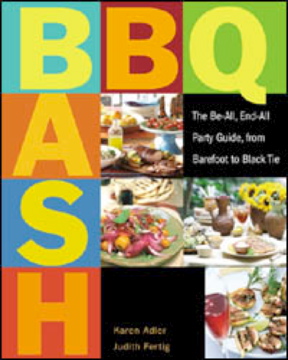
You gotta love the BBQ Queens Karen Adler and Judith Fertig! I first met Karen at the 2007 HPBA Expo in Reno, NV where I interviewed her for my podcast show and then I saw her again earlier this year at the 2008 HPBA Expo in Atlanta, Georgia. In that YouTube video I shot from this year's conference, she told me about this new book that was coming out and now it's here. If you like BBQ (and what low-carber DOESN'T?!), then you will enjoy this very colorful and loaded cookbook. Yes, there are a bunch of recipes (not all low-carb, but all super delicious!), but there are also tips about adding just a little something extra special to whatever party event you are having around the grill. If you wanna BBQ right, then you gotta trust the BBQ Queens. :D
When you want to get somebody's attention, sometimes that means using language that underscores the severity of a problem. That's precisely what Dr. James E. Carlson has done with his new book. Regardless of your stance about low-carb diets, you owe it to yourself to read this book and learn from a doctor who has seen unbelievable improvements in ALL of his patients who have implemented the low-carb lifestyle into their health routine. The more unhealthy and obese that you are, the better you'll feel when you are livin' la vida low-carb. Whether you have diabetes, metabolic syndrome, obesity, PCOS, or any of hundreds of other health ailments, low-carb could be the answer you've been looking for and Dr. Carlson shares why in this masterful book. If you want to know the truth about why the dietary ignorance of your doctor is leading you on a direct path to the grave, then READ THIS BOOK! You'll be glad you did.
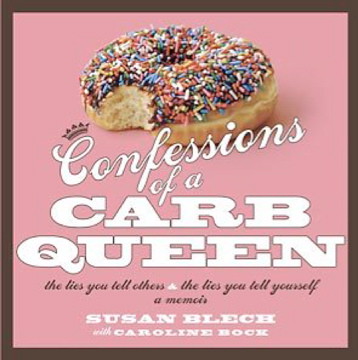
Meet Susan Blech, a former 468-pound woman who backed on the pounds despite being healthy and fit as a kid and then a bodybuilding in young adulthood. But, as she says in her book, LIFE happened and the rest was history. Thankfully, at the age of 38, Susan took back her life and lost 250 pounds. But it wasn't before some rather humiliating circumstances in her life woke her up to this grave problem that she had been trying to deal with since the weight came pouring on. Anyone who has ever been obese will relate to these stories because they hit home. Susan moved to Durham, North Carolina to lose the weight...how did that go? This little square book reads like a riveting suspense novel and will entertain, educate, and motivate you to start doing some confessing of your own.
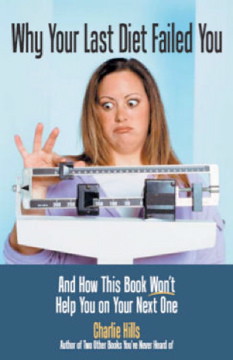
When you've been on diet after diet after diet in your life, you become somewhat of an expert on the subject. And they always say to write what you know and that's exactly what Charlie Hills did with this humorously-titled book. Struggling to lose weight and then gaining it all back got frustrating and Charlie finally figured out that he needed to find what worked best for him (which turns out to be a healthy low-carb diet, by the way!). He hopes by sharing about his ups and downs over the years that other people can finally find that plan that will give them the final answer to this lifelong problem. And he's kinda funny talking about it, too. :D
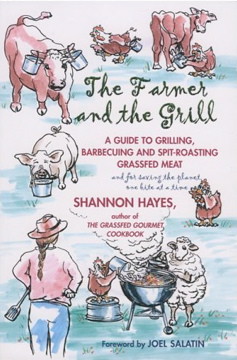
If you are one of the many who are flocking to grass-fed meats and wanna know how to cook them properly (yes, it's different than the grocery store meats you buy!), then you're gonna want to get a copy of this book. Shannon Hayes grew up on a farm and explains in great detail exactly why you should be eating grass-fed beef, lamb, pork and poultry, how to perfectly cook up those delectable cuts of meat so you can maintain all the wonderful nutrients in them, and shares some wonderful carnivorous recipes for your healthy low-carb lifestyle. What a gal!
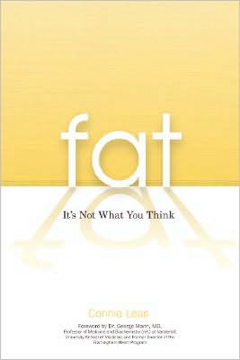
This is one of the most intriguing books you'll ever read in your entire life. In just over 150 pages of text along with another 75 pages of references and charts, the author arms you with powerful evidence that dietary fat is not responsible for fat on the bodies and that healthy individuals need to be consuming higher amounts of fat than they currently are to stay that way. It's counterintuitive to our fat-fearing culture that hasn't got the first clue about what fats are healthy for them and which are not. This book should be your new go-to resource for anyone who still doesn't understand why fat is healthy. Get a copy for yourself and purchase extras to give away to your doctor, friends, family and anyone else who is stuck on fat being bad. Connie Leas clearly explains why it is not.
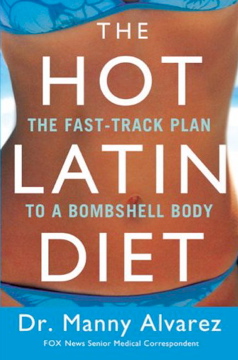
With the sudden influx of the Latin culture in the United States over the past couple of decades, this has produced a heavy influence on the kinds of foods that have entered into the category of healthy. Things like avocados, cinnamon, and garlic are now widely considered superfoods because of their positive benefits to our health and these came into prevalence because of Latinos. Noted Fox News health correspondent and OB/GYN Dr. Manny Alvarez introduces many of these foods to the American people with this book and uses it as a springboard for sharing his beliefs about various other diets, including Atkins, South Beach, and The Zone, among other low-carb ones. It shouldn't be too surprising to learn he's not very fond of the low-carb lifestyle on the grounds that the jury is still out about the long-term impact of this way of eating along with the supposed health side effects, high consumption of saturated fats, and the restrictive nature of the diet. Ho-hum--we've heard all this before, Dr. Alvarez. And yet those of us who are livin' la vida low-carb are still here going strong. Even still, mixing in these seven Latin powerfoods into your diet (ironically, most of which are VERY low in carbs, by the way) could be the change you need to get your diet moving in the right direction.
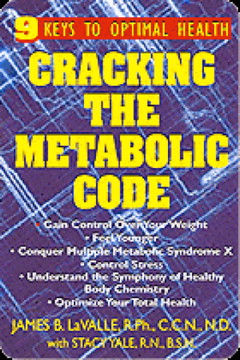
When I interviewed the author of this book for my podcast show recently, I was pleased to hear that he understands the critical importance of implementing a low-carb strategy for people who are dealing with obesity, metabolic syndrome, diabetes and the like because it is the only way to "crack the code" to restore your body to maximum health. Far too often the medical community would rather choose to put someone with these conditions on a risky and oftentimes dangerous prescription pill rather than implementing a natural dietary routine to bring the condition under control. Thankfully, Dr. LaValle is NOT the kind of physician who thinks this way and instead uses specific supplements and low-carb foods to produce the necessary changes in health that patients are desperately seeking. There's no more fighting with your body to get it well when you unlock these keys to optimal health that Dr. LaValle shares.
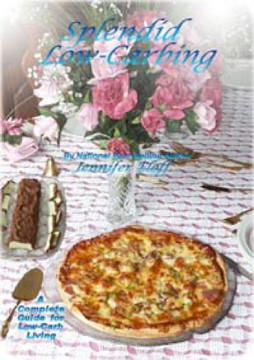
This national bestselling book from longtime low-carber Jennifer Eloff contains over 350 deliciously low-carb recipes with 10g of carbs or less per serving. No matter how boring you think livin' la vida low-carb is, this book will prove to you that it only takes a little imagination to get those creative juices flowing to come up with some low-carb magic in the kitchen.
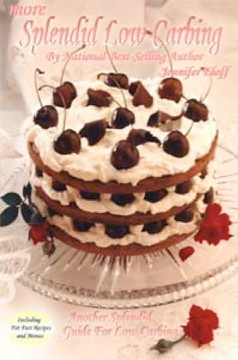
If you loved Splendid Low-Carbing, then this book simply continues on with that theme with even more recipes for your healthy low-carb lifestyle. Included in this book are specific recipes for Dr. Atkins' fat fast for those who are especially resistant to a standard low-carb plan. You get soups, salads, meats, and desserts galore all designed to help you stay on your low-carb lifestyle for good!
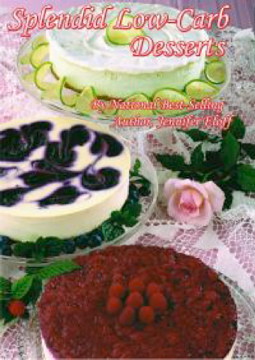
If you like making Splenda-sweetened desserts that contain just 10g carbs or less, then this is the book for you! This is the third in the "Splendid Low-Carb" series and Jennifer saved the best for last with these delectable desserts that will surely add a little something sweet to your low-carb lifestyle. Whether you like pies, cakes, cheesecakes, muffins, or cookies, then this cookbook has a little something special for whatever low-carb dessert you get a hankering for!
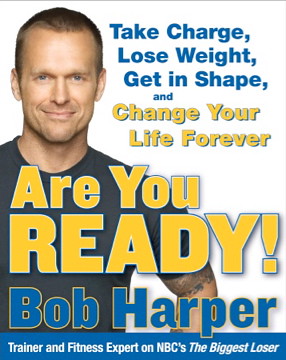
Who doesn't like Bob Harper from the hit NBC-TV weight loss reality show "The Biggest Loser?" That man has shown himself time and time again to have a heart of gold for average, everyday people who just need a little guidance to take off the weight they spent a lifetime putting on. When I interviewed Bob Harper nearly three years ago, he ended it by saying "You want to change, you need to change....let's get started. There is a whole life out there waiting for you.....GRAB IT!!!" With this new book, Bob continues that theme by asking "are you ready" to make those changes happen? If so, then he's ready to get you into shape like he does those contestants on television. First, he examines how and why you got to be overweight or obese in the first place and seeks to correct those issues before any diet or exercise is even introduced. Second, you get a low-calorie and lower-carb nutritional plan to follow designed to help you start shedding the pounds. Finally, Bob himself shows you in pictures the kind of exercises you can and should be doing to get your body into tip-top shape. If you ever wanted to know what "The Blue Team" has been through training under Bob Harper on "The Biggest Loser," then this is probably as close as you'll ever get to it!
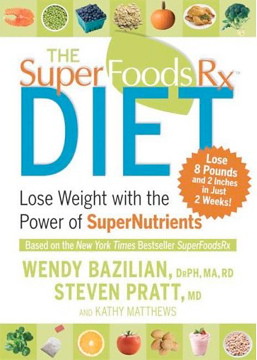
One of the freshest new words to appear in the vernacular of diet and health over the past few years is the term "superfoods." This describes those foods that are very powerful for your body because of their superior nutritional content. Things like blueberries, walnuts, strawberries, and tomatoes have been elevated to a new level because of the high amounts of nutrients, vitamins, minerals, antioxidants, and phytochemicals. This book seeks to use these superfoods in combination to help with weight loss and improving health. Not all of these superfoods are necessarily low-carb, but you can pick and choose the ones that work best within your chosen nutritional plan.
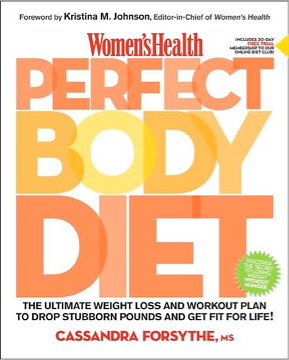
If you have read The TNT Diet by Dr. Jeff Volek and Adam Campbell and wished there was a female version of that book, then this is it! In fact, the author Cassandra Forsythe works with Dr. Volek, a world-renowned low-carb diet researcher from The University of Connecticut, and has her name appearing on many of the latest low-carb research studies over the past few years. She believes in low-carb nutrition and was asked by Women's Health magazine to write a book about weight loss and fitness. Some have been critical of this book because they claim it focuses too much on low-fat and not enough on low-carb. But I think it does a good job of having people avoid the culprit carbs that pack on the pounds which is most important when you are looking for a diet plan that will actually work. The "secret weapon" behind this program is the glucomannan fiber that you sprinkle on your foods to make you fuller faster, take away your hunger, and to slow down the absorption of the food into your body. Again, critics say this is gimmicky, but it could be just what is needed to help someone struggling with their weight to get their body into shape. Forsythe is an avid weight trainer and provides specific exercises for women to get that "perfect body" they desire.
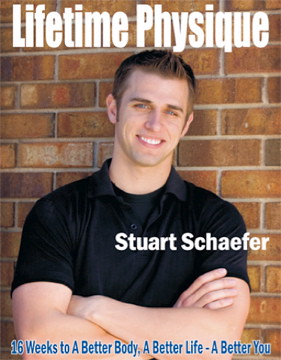
Have you struggled with wanting to change the way your body looks but not really knowing where to start? You are exactly the kind of person Stuart Schaefer was thinking of when he wrote this book. Helping you understand what needs to be done is only part of the process. First you must convince yourself that you CAN do this and that you WILL succeed. Until that happens, all the information about training your body and getting into shape is useless. Stuart helps you with this by offering mental focus that guides you to the point where you need to be so you'll be receptive to the message. When you get to the actual heart of Stuart's diet plan, I was disappointed to see some glorification of carbohydrates (supposedly the good kind) while saturated fat was vilified as the "bad" kind. This does not take into account the latest research that has come out in recent years and I'm surprised Schaefer chose to ignore this. In the section on the actual workout regimen, I was pleased to see he recommends working out LESS to achieve better results. Step-by-step pictorial instructions about what you do and when you do it are included so you're not left wandering on your own without having a clue about what you are doing (this is important for newbies to resistance training). It's not a bad book and the author seems like a nice enough guy. But some of his dietary advice is too caught up in the conventional wisdom that we now are learning isn't exactly right.
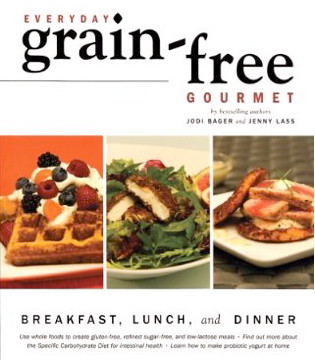
One of the hallmarks of the healthy low-carb lifestyle is avoiding not just refined carbohydrates like sugars, but also choosing to avoid those so-called healthy whole grains as well. For some people who have celiac disease, they don't have the luxury of choosing whether they eat grains or not--they cannot or they might die. Consuming gluten-free foods is invaluable for the health of people with Crohn's disease, ulcerative colitis, irritable bowel syndrome, and celiac disease. This recipe book is not explicitly low-carb in nature, although there are many recipes included that are entirely appropriate for livin' la vida low-carb. The main thing you'll get is an education about why it is important to eat specific kinds of carbs, an explanation about why eating fat is good for you, and stocking your cabinets with the key ingredients necessary to make these delicious recipes. Bon appetit!
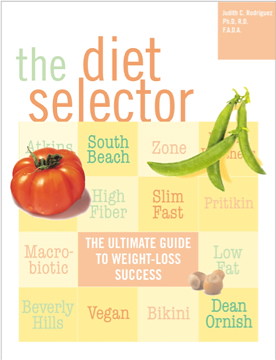
You know my adage by now if you've been paying any attention to the basic philosophy I espouse for people wanting to lose weight and get healthy--find the proven plan that will work for you (and that you'll enjoy!), follow that plan exactly as prescribed by the author (and don't try to figure it out on your own), and then KEEP doing that plan for the rest of your long and healthy life (with only minor variations to fit your individual needs). That's it! And that is what I was hoping this book did for people who are unsure about which plan they should choose. Unfortunately, I was sorely disappointed. I will give them credit--if the diet exists out there, then it appears in this book in some form or fashion. But to see how reliable the information provided was, I decided to turn to the page about the Atkins diet since that is the plan that I ultimately chose to help me lose 180 pounds in 2004. I couldn't believe this registered dietitian author, an active member of the American Dietetic Association, made such a major blunder right off the bat when she claimed the title of Dr. Atkins' original diet book in 1972 was called The Atkins No Carbohydrate Diet. Ummmm, not exactly, Dr. Rodriguez. Actually, it was called Atkins' Diet Revolution. It makes you look like you didn't really do your research with such an obvious faux pas as this. Add to that under the list of "Resources" for people to get further information about the Atkins diet, she lists a well-known ANTI-Atkins web site run by the radical low-fat vegetarian PETA front group Physicians Committee for Responsible Medicine (PCRM). That's not exactly an unbiased web site sharing information about the Atkins diet. As if those two strikes against the reliability of the information in this book in regards to the Atkins diet weren't enough, strike three came when I looked at the "Sample Menu" of a typical Atkins diet meal plan. Is she joking here?! Apple juice? Grapefruit salad? Pork and peach salad? Carrots? Peaches? Corn tortilla? White beans? Is it just me or do you get the feeling that Dr. Rodriguez hasn't got the slightest idea what the heck she's talking about regarding the Atkins low-carb lifestyle? That leaves me with no other conclusion but that you simply cannot rely on her to provide reliable, unbiased information about the various diet plans. FYI--the low-fat plans like Ornish and Weight Watchers are given GLOWING reviews without the use of any ANTI-low-fat propaganda web sites. Hmmmmm.
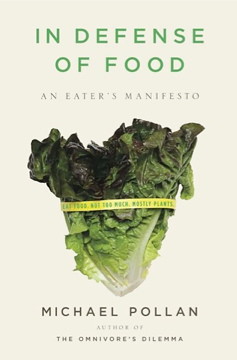
One of the most brilliant diet and health writers of our day has got to be Michael Pollan. As a worthy follow-up to his instant classic The Omnivore's Dilemma, this book comes strongly to the defense of REAL food as opposed to the heavy reliance on packaged creations that dominates the typical American family dinner table. What if most of the diseases we are dealing with have more to do with the diet we are consuming in the fast-paced lifestyle of the 21st century and less to do with whatever the latest nutritional flavor of the day advice is out there? It's a rather thought-provoking exercise that is worth reading every glorious one of these 230-something pages of text. Pollan is on to something HUGE her and I can't wait to see what else he comes up with if he keeps writing about diet in the future.
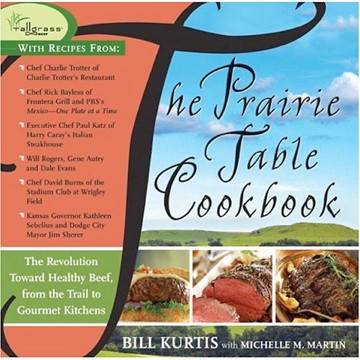
Do you remember the classic television show Little House on the Prairie? What a great show that was and there were huge meals around the table to feed all the kids and adults in the household. Don't you know many of the meals that were served back in those days were much healthier compared to modern-day America? A big reason for that was the meticulous attention to detail that our American western ancestors paid to things like raising cattle properly by feeding them grass instead of grain. Grass-fed beef is a lost art these days despite the fact it is nutritionally superior to the mass-market beef you can buy in supermarkets. This book gives you some of the history behind where grass-fed beef came from, why it is so healthy for your body to consume, and over 100 mouthwatering recipes that are sure to please your low-carb palate.
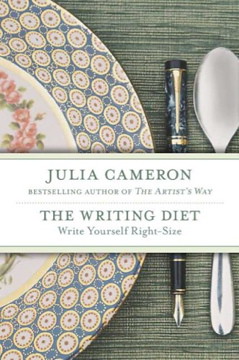
If only it was as easy as writing your way to weight loss (typing does burn calories, right?!), then everybody would become a William Shakespeare overnight. But alas parting with that myth is such sweet sorrow. However, there is merit to the idea of getting your mind off of eating when you really don't need to by putting your thoughts down on paper. Gee, imagine that! The concept behind this book is a good one because it forces you to share thoughts with yourself that you may not even realize were there before. Being honest with yourself about how you choose to live your life, including the foods you stuff in your mouth, will open your eyes to a reflection of YOU that may have never manifested itself before. This book reaffirmed for me one of the major reasons I enjoy blogging so much--it's a creative release that allows me the chance to lay it all out there while taking my mind off of idle things that could drive me to eating that high-carb junk again. So maybe writing is a great way to weight loss after all!
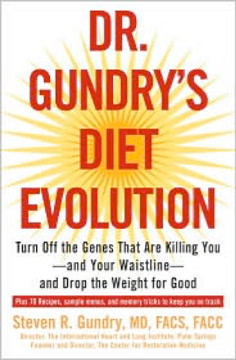
What is about cardiologists that make them understand the importance of livin' la vida low-carb when hardly anyone else in the medical community has an inkling of a clue. Like Dr. Atkins and Dr. Agatston (from South Beach diet fame), Dr. Steven Gundry is a heart surgeon who realizes why people get fat--it ain't the calories, it ain't because you lack willpower, it ain't because you eat too much dietary fat! You might be pleasantly surprised to hear him say whole grain carbs may not be as good for you as we've been told, why the KIND of fruits and vegetables that you choose are vitally important to your weight and health, and how eating a diet lower in carbs and higher in fat while getting moderate amounts of protein can and will help you get healthy simply through nutritional changes. It's the evolution of the low-carb revolution and Dr. Gundry is leading the charge! WAY TO GO!!!
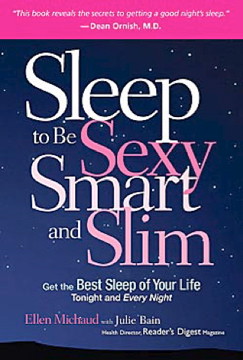
Zzzzzzzzzzzzz! Er, uh, what? Sorry, I was catching a quick nap there before writing this review because we all know about the importance of getting in a good quality night's worth of sleep to our weight and health, don't we? DON'T WE?! Well, if you haven't heard about it before, then lemme tell you--if you want to lose weight, then you really do have to commit yourself to rest. Otherwise, all sorts of biochemical reactions with hormones and stuff like that will wreak havoc on your system until you can't go any more. The body will get what it needs one way or another and it's up to you to do your part with sleep. You'll reap the benefits of that, as the authors from Reader's Digest magazine state, including looking and feeling better and healthier than you ever thought possible. Included in this book are ways to get to sleep (interestingly, when it comes to recommended foods for sleep virtually ALL of them are high-carb--IMAGINE THAT!).
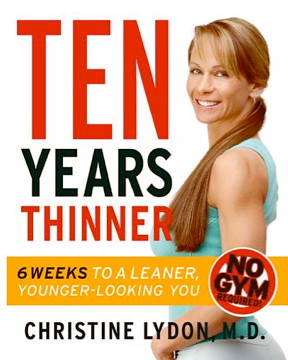
When you look as good as the author of this book does, it's difficult to argue with the results. She's a perfect example of how her program can do exactly what the title of her book suggests. And I LOVE Dr. Lydon's emphasis on the fact that this isn't about going on a diet--it really is about changing your life through simple changes in your current habits. This is the only way to achieve a permanent lifelong solution to your weight and health issues. The best part is she understands the importance of eating like our early ancestors making sure we get adequate protein in our diet to aid muscle growth which leads to the burning of stored fat and she articulates beautifully why consuming fat will have a "slimming effect" that most people have no idea about because they are scared witless about eating any. Unfortunately, when it comes to carbs she's not quite on the same page as most low-carbers are and describes a low-carb ketogenic diet as "a recipe for disaster." That's too bad, but you might be interested in reading this book to see her reasons WHY she believes that as an intellectual exercise in challenging what you believe. Although she wasn't very flattering towards low-carb diets, Dr. Lydon does show how you can give your body a good workout without lifting a single weight or going to the gym (using your own body weight instead). It's not a bad book overall, so you might want to check it out.
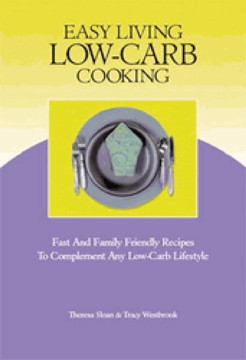
If you are just starting off on the low-carb lifestyle and following Induction, then you may need some guidance about how you can cook up simple, easy-to-follow recipes that are low enough in carbohydrates for those early days of your brand new lifestyle change. For some of us, we have to stay pretty low with our carb intake ALL THE TIME, so having a cookbook full of recipes that contain no more than 6g carbs each is a real lifesaver. And these aren't boring recipes either--you get to make fried cheese sticks, low-carb fajitas, breaded pork chops, homemade vanilla ice cream, Bavarian cream pudding. The list goes on and on with delicious and nutritious foods that will keep you livin' la vida low-carb without the worry of eating too many carbohydrates. This is DEFINITELY a book that every new and old low-carber should have on hand when you need a creative shot in the arm for your low-carb lifestyle.
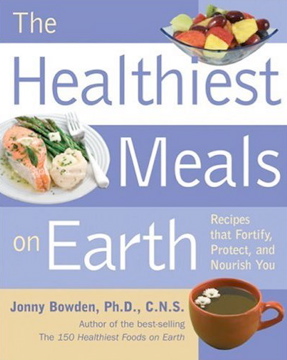
If you haven't been following this series of books from Fair Winds Press by Dr. Jonny Bowden the past couple of years, then you don't know what you've been missing. It all started with The 150 Healthiest Foods On Earth early last year followed by The Most Effective Natural Cures On Earth just a few months back. Now this new book incorporates many of the foods from those two books to provide some yummy to your tummy recipes that both taste good and are good for you. For those of you who are new to Jonny's books, you have to know that he wrote Living The Low-Carb Life--the book I believe is THE must-have book for every low-carber to own because it clearly outlines what this way of eating is all about. In these newer books, Jonny's fervor for healthy low-carb living has not diminished one bit. GET THESE BOOKS and tell everyone you know about them because they are heads and tails above what most nutrition "experts" are sharing nowadays. I can't wait for people to meet Dr. Jonny Bowden in person on the January 2009 low-carb cruise.
Got a new diet or health book that you think I should know about? Feel free to bring it to my attention by e-mailing me at livinlowcarbman@charter.net. I will try my best to read it, review it, and then share about it here. Keep your eyes open for later this year when there will be a TON of new books about livin' la vida low-carb coming out. I CAN'T WAIT! :)
A couple of weeks ago, I dedicated an entire YouTube video to a low-carb legend who has revolutionized controlled-carbohydrate cooking for the millions of people who have bought her bestselling low-carb cookbooks over the years. She's low-carb cooking goddess Dana Carpender and I've got some pretty big news to share with you about a major career change that has been in the works for a while.
Longtime readers will recall I was quite concerned in March 2006 when Dana's popular nationally syndicated newspaper column called "Low-Carb For Life" was abruptly changed to the much more generic "Cook Well, Eat Well" in response to the perception that livin' la vida low-carb had fallen out of favor with the general public. The explanation was that she needed to "broaden the focus" of her column to reach a wider audience focused on healthy nutrition (insinuating that low-carb doesn't fit that mold!).
I was quite critical of Dana after the column name change because I felt she had allowed herself to be sucked into the anti-low-carb movement that for the most part still exists today in the media. That perception was only made worse when she released her Every Calorie Counts Cookbook in April 2006, the first Dana Carpender cookbook that did not include the term "low-carb" in the title. Some people were beginning to wonder if Dana still supported the low-carb lifestyle anymore or if she had "sold out."
"Truth to tell, in my day to day life I don't much care what others think of how I eat. I do care about what it takes to gain a public forum, which is why the change in the books and the column. It doesn't do anyone any good for me to be a linguistic purist but not have a public voice."
So her philosophy was as long as she had a voice to spread the positive message of healthy low-carb living, she was willing to go with the changes her publisher and syndicate wanted. But you could tell this was gnawing away at Dana in a few of her columns beginning with this one in February 2007 followed by this one in April 2007. All the positive news about livin' la vida low-carb over the past year lit a bright-burning fire within her to get back to her low-carb roots in earnest.
That's why today's announcement by Dana at her new blog is HUGE: she's quitting the newspaper column with United Media effective immediately after she turned in her final column today. To replace that column, she has decided to transform her popular Hold The Toast web site into a new blog that she promises will be updating often for her fans after she finishes up a new book she is working on featuring a variety of low-carb success tips and advice from people who have lived it (I was privileged to be interviewed by Dana for this book) in the next three weeks.
This past year has been a rough one for Dana as she details in her column, so be sure to go check it out and bookmark her blog RIGHT NOW so you'll never miss a single post! And don't you know there will be some delicious recipes featured there too--WOO HOO! She's even promised to show her daily menus beginning with this first one she posted today.
WELCOME BACK, Dana! We can't wait to see what's coming next!
I don't know how many of my readers realize this, but I am a bona fide cooking nut! Yes, I'm sure you already figured out the "nut" part (HA!), but I also absolutely LOVE to cook. I credit my mom for instilling in me at an early age how much fun cooking can really be. In fact, I used to enjoy surprising her by having dinner ready when she got home from work when we were growing up. She was a single mom with three kids, so it was practical for her to have a kid who could actually cook. That was ME! :)
In fact, ever since I got married to my cherished Christine in August 1995, I've probably done about 90 percent of the cooking. I just plain enjoy it because it relaxes me and I can't wait to experiment and try new recipes. When I started livin' la vida low-carb almost four years ago, I had to adjust some of my recipes to make them low-carb. It's a tricky thing sometimes when recipes call for lots of sugar or white flour, but it can be done.
Although I am so grateful to people like Dana Carpender, Judy Barnes Baker, and Jan McCracken, for example, because they have taken their cooking talents and created outstanding low-carb cooking resources for all of us to enjoy, it's still kinda neat to take a look at some more traditional cookbooks and try to transform the recipes into low-carb ones.
Today I wanted to share seven brand new cookbooks from 2007 that are sure to dazzle you. With a little finagling and substituting of ingredients, just about ANY recipe in these books can be made low-carb. You might find something new to enjoy among these tantalizingly delicious selection of recipes! ENJOY!
Just in time for the holidays, this picturesque cookbook with gorgeous photos will have you welcoming in Thanksgiving, Christmas, and New Year's the right way. With creative drink and hors d'oeuvres recipes to main dishes, sides, and desserts, there are recipes to treat your friends and family in style found in this cookbook. There's even a section with homemade gifts you can make in your kitchen that you won't want to miss. This is one holiday cookbook you won't be able to resist!
Are you a cook who is a "little of this, little of that" kinda chef? Then this is the cookbook for you! The author Dian Garris encourages you to "talk to your food" and let it tell you what the final product is supposed to look and taste like. If you put the new age funkiness of the "channeled message" aside, there are some really stimulating recipes in this book (whether you buy into the spirituality of the author or not!).
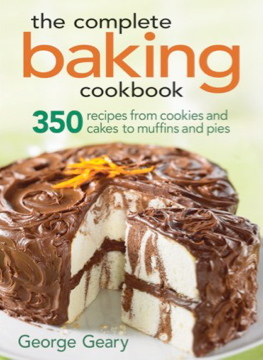
A very practical cookbook with an easy-to-read format that clearly show the serving size for each recipe, a brief explanation of the origins of the recipes, precise listing of all the ingredients involved, detailed listing of the instructions about how to make it and some tips you can use to make the recipe as good as it can possibly be. If you like to be held by the hand as you cook, then this is the book for you. There's even an extremely educational look at some common cooking ingredients at the beginning of the book that will make anyone a better cook.
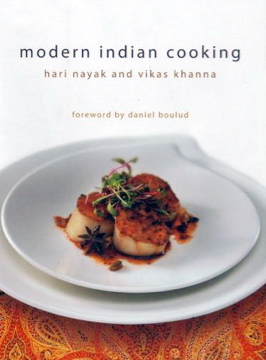
Personally, I wasn't holding out much hope for this book since I am not a fan of Indian cuisine. But Hari Nayak and Vikas Khanna make the mysteriousness of these recipes very mainstream by infusing common ingredients to formulate some really tasty dishes. In fact, many of these are quite suitable for people who are livin' la vida low-carb with very few substitutions required. For something a little different while still mouthwatering, the recipes in this book will do the trick.
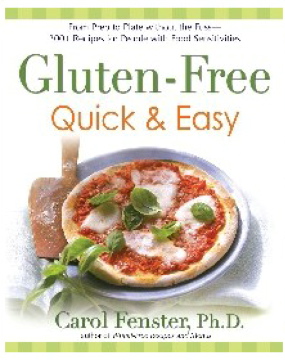
More and more people are suffering from a condition called celiac disease which means they have a severe and potentially deadly aversion to any wheat products. That's why they need to eat what is known as a "gluten-free" diet. This book of recipes from Dr. Carol Fenster is sensitive to the needs of this special sect of people because she is an outspoken leader on their behalf. She explains how to prepare your kitchen for a gluten-free lifestyle and then serves up some of the most tantalizing recipes that will rival those you'd find in any cookbook anywhere. There are even suggestions in the back of the book about how to substitute key ingredients in traditional recipes with gluten-free ones.
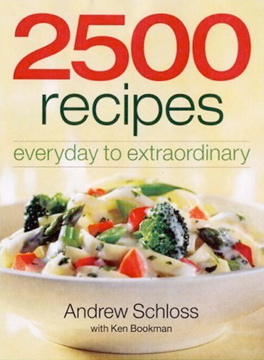
I've never seen a book that contains two-thousand five-hundred recipes in it! Well, yeah I have--THIS ONE! WHOA! There are FIFTY chapters with FIFTY recipes each that run the gamut when it comes to cooking--from snacks to grilling and stir-frying to stews and fish to fruit and chocolate recipes to homemade pies--and would make the cooking king or queen in your life a very happy person. From simple to complex, these recipes will keep that cook in your life quite busy (enough new recipes to have one brand new one every single day for the next EIGHT years!!!).
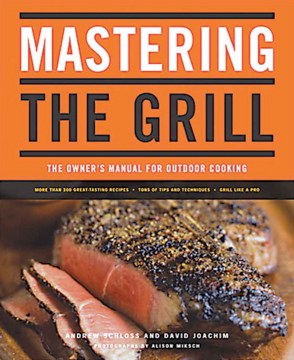
Do you like to cook on the grill? I mean REALLY get down and dirty barbecuing like you were born to do it. Oh yeah, baby! Then THIS is the book for you. Authors Andrew Schloss and David Joachim don't play around and mean serious business with this hands-on grilling cookbook. With vibrant photos of their sensational BBQ recipes, each page of this book provides helpful hints about how to maximize your grill to make the perfect dish. Temperature recommendations, full ingredients listing, cooking directions, estimated preparation/grilling time, and recommended grilling equipment is provided for each recipe. Fire up the grill and let this book help you become the BBQ king in your neighborhood!
That's all the cookbooks I have to share with you for now, but I'll keep my eyes peeled for any more that tickle my fancy and capture my attention. Let me know if you decide to pick up any of these books and experiment a bit in the kitchen. Half of the fun of cooking is figuring out what you want to make next. HAPPY COOKING! :D
Today, I am pleased to share with you a very informative post from Judy that appeared on her companion web site about the various sweeteners available on the market today. Most people who are livin' la vida low-carb already know to avoid sugar, but what about other so-called "healthy" sweeteners like maple syrup, stevia, and Splenda. Which ones should a low-carber be using and which should be avoided? Judy Barnes Bakers cuts to the chase and shares her knowledge with you to help you make smarter choices for your healthy low-carb lifestyle.
Special thanks to Judy for continuing what I started in this recent blog post about fructose with a more in-depth look at the good, the bad, and the ugly when it comes to providing good alternatives to sugar. ENJOY!
I have received questions as to why I did not include some of the all-natural alternatives, like brown rice syrup, agave nectar, and date sugar in the discussion about the different kinds of sweeteners in my book. I did not include most of them because, in my opinion, they offer little advantage over common table sugar. However since the subject continues to come up, I will address it here.
Let me point out at the start that “natural” is not synonymous with “safe.” Nature abounds with natural poisons: arsenic, mercury, lead, death cap mushrooms, puffer fish, anthrax, and snake venom to name a few. Also, keep in mind that many foods that we consider healthful, like parsley, cabbage, beans, celery, tomatoes, and basil contain poisons and antinutrients that can be dangerous in large amounts.
Potatoes can contain lethal amounts of solanine; those big green bananas called plaintains cause heart disease; lima beans, flax seed, and almonds contain high levels of cyanide. (Fifteen bitter almonds, the kind used in the Italian cookies called amaretti, can cause serious illness or death.) In fact, most vegetables, even after thousands of years of selective cultivation, still contain some potentially harmful substances. (Jeffery Steingarten included a chapter titled: “Salad the Silent Killer,” in his very entertaining book, The Man Who Ate Everything.)
Let’s look at some of those “healthy, all-natural, minimally-processed” sweeteners:
-Agave nectar is touted as a healthful, natural alternative to sucrose because it has a very low glycemic index, so it doesn’t cause a spike in blood sugar or raise insulin levels. However, the dangers of fructose are well known and agave nectar is almost 100% pure fructose. High fructose corn syrup contains only 45% fructose; agave syrup has twice as much of this most dangerous of all the sugars. The reason fructose doesn’t provoke an insulin response is that it does not enter the blood stream but is metabolized in the liver where it is converted directly into triglycerides (fats). It promotes fat storage, especially around the midsection and the organs.
It has been implicated as a major contributor to obesity, diabetes, heart disease, hypertension, and metabolic syndrome. Fructose also increases the formation of advanced glycation end-products, known by the acronym AGEs, because they promote the cross-linking of proteins which speeds up the aging process. According to Dr. Michael Eades, fructose “… is a driving force behind the development of insulin resistance and all attendant problems. When researchers want to give lab animals insulin resistance, they feed the animals high doses of fructose.” Here is a link to an article on fructose by Dr. Eades: "Unclear on the Fructose Concept"
-Date sugar is simply ground up dates. It is more than 96% sucrose; sucrose is about half glucose and half fructose. Date sugar contains some fiber and some trace minerals and vitamins, but it is essentially the same as common table sugar and causes a similar rise in blood sugar and insulin levels. It does not dissolve and is not a useful substitute for sugar for baking or cooking.
-I did include information about stevia in the book. Many people like it, but many find it to be bitter. Some of the more refined brands are said to be less so. Stevia can only be sold as a supplement in this country because it has never been tested orapproved for sale as a sweetener. The FDA has been petitioned three time to grant GRAS (generally recognized as safe) status for stevia so that it will not have to go through safety testing, but it has been rejected so far. If you feel more comfortable with stevia than Splenda, one packet of most sweeteners is equal to 2 teaspoons of sugar so they can be used interchangeably in some recipes for sweetening. Stevia powder does not dissolve, ferment, or caramelize. It is heat stable up to 392 degrees F.
-Maple syrup is made from the sap of maple trees, which is 2 to 3 percent sucrose. It is collected in buckets and boiled down to make a concentrated syrup. It takes 40 gallons of sap to make one gallon of syrup. Most of the sugar is sucrose (like common table sugar), but some, especially in the lesser grades, is glucose and fructose. Maple syrup contains traces of vitamins, especially the B vitamins, and minerals.
-Succanat is cane sugar with the water removed. It retains trace amounts of vitamins and minerals that may be lost in the refining process for regular table sugar, but it is still concentrated sucrose.
- Brown rice syrup is made by fermenting brown rice with enzymes to break down some of the starch into sugar and then cooking it until it is thickened. It is only half as sweet as table sugar. It contains 45% maltose (the kind of sugar in beer), and 3% glucose. The rest is starch. Maltose has a glycemic index of 110, higher than pure glucose (glucose or blood sugar has a GI of 100) and will provoke a very high insulin reaction. It contains 34 net grams of carbohydrate and 132 calories in a serving of 2 tablespoons. I’ll pass on this one.
Note: Brown rice syrup is one of several malt sugars made from grain that include barley malt, barley/corn malt, and rice syrups. Malt sugars are used in making beer, which is why beer is sometimes called “liquid bread.”
Why I prefer Splenda®: Sucrolose, the sweetener in Splenda, is made from sugar by replacing a few atoms of hydrogen and oxygen on the sugar molecule with three atoms of chlorine, making it 600 times as sweet as sugar.
Splenda has been used in Canada since 1991 and in Australia since 1992. It has been approved in 60 countries worldwide. In 1998, after reviewing 110 studies, the FDA approved it for use in the U.S. It is not required to carry any warning label and is considered safe for pregnant women and nursing mothers. After much anticipation, we finally had a safe alternative to sugar that tasted good and held up to cooking temperatures.
So why suddenly is there so much hysteria about Splenda?
Dr. Eades brings up some very important points about Splenda in this article. He contends that Splenda is not really artificial since chlorine is a natural substance, but that it is instead an altered sugar molecule. Half of common table salt is chlorine (NaCl), and chlorine is a normal part of the makeup of our blood serum. Chlorine is a necessary chemical that our bodies need for metabolism and the amount is carefully maintained by the kidneys at the proper level. At any given time you have about 1 teaspoon of chlorine circulating in your blood which is about 20,000 times as much as you would get in a serving of Splenda, if it were digestible, which most of it is not.
The study most often cited as proof of the toxicity of sucralose is one conducted by the National Industrial Chemicals Notification and Assessment Scheme of Australia that showed that feeding large amounts to rats caused shrinkage of the thymus gland, which is important to the immune system. The dosage used in the study was the equivalent of 240 grams of sucralose per day for a 176-pound human for 28 days. That works out to 20,000 packets of Splenda every day for 28 days. To put it in perspective: If you drank 560,000 cups of coffee with one packet of Splenda in each one over a 28 day period, you would reach the level of sucralose fed to the rats. But you would have no symptoms because you would be dead within 15 minutes from the caffeine contained in the first 75 cups of coffee.
Dr. Jonny Bowden, fitness expert and author of The 150 Healthiest Foods on Earth, gave the following response to Jimmy Moore (in this blog post) when asked about Splenda: “…I've looked like mad and can't find any really good, responsible argument against it that can be substantiated. That does NOT mean I won't be proven wrong in a year and I reserve the right to change my mind if there's more compelling stuff coming out. But right now I see it as the least bad of the choices."
This is very much like what I said about Splenda in my book. When you write a cookbook you must use ingredients that are readily available and reasonably priced. Splenda is safe, it tastes good, it is in all the stores, and it is not terribly expensive. There are some other sugar substitutes already available that have the bulk and physical characteristics of common sugar and actually offer some health benefits, but for now they are only available by mail order and are very expensive.
Oligofructose, for example, is made from chicory root. It has been popular in Japan for many years. It consists of long chains of fructose molecules that are not broken down by our digestive enzymes. It is prebiotic, meaning that it selectively feeds the beneficial microbes that live in the lower intestines and so enhances the immune system. (It can be ordered from Low-Carb Specialities. The company also sells fantastic chocolate bars sweetened with oligofructose.)
The decision to eliminate sugar is more important than just avoiding a few extra carbs. Sugar is the prime contributor to the epidemic of obesity, diabetes, and the cluster of diseases called the metabolic syndrome that have devastated this country for the last 40 years. In Good Calories, Bad Calories, Gary Taubes explains how sugar and simple carbs may also promote cancer and speed up the aging process.
Most people already know that they need to cut down on sugar, but the goodies and snacks that constantly surround us are hard to resist. If we can have food that satisfies our cravings without harming us, we are less likely to give in to temptation. If you have an iron will and are always in complete control of your impulses, eliminate sweets altogether and more power to you! But if you are subject to human frailties like me, then try the next best thing.
THANK YOU again for sharing your wisdom with us today, Judy! Be sure to pick up YOUR copy of CARB WARS and pay a visit to see Judy Barnes Baker at CarbWarsCookbook.com.
UK cooking sensation Jamie Oliver's new book coming October 2, 2007
Although it sometimes feels like an uphill battle in the struggle to help people learn more about healthy eating, the good news is there are people who are actively engaging our culture and bringing this positive message to the masses through the opportunities they have been given. I'm always happy to share about these with you so you can support them in their work.
We seen it from people like George Stella and Blaine Jelus in the United States in recent years. But as their stardom has sadly begun to wane a bit, there is a man from the UK whose influence on healthy cooking remains very strong--it's the "Naked Chef" himself Jamie Oliver!
Americans may not be as familiar with Jamie as the British people are, but he is indeed quite an influential member of the health community. He has a rather unique knack for bringing attention to the growing obesity epidemic and isn't afraid to push the envelope a bit with his antics.
Jamie Oliver is indeed a man to be reckoned with and to pay attention to because he makes a lot of sense. While not explicitly an advocate of the low-carb lifestyle, he is a big fan of making sure people consume healthy fats like the ones found in avocado oil, for example. This isn't something you hear very often from most of the so-called health "experts" these days.
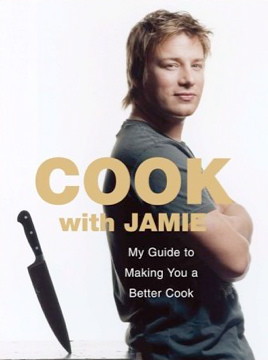
A prolific writer, Jamie is set to release his new Hyperion book on October 2, 2007 entitled Cook With Jamie: My Guide To Making You A Better Cook which is sure to follow in the bestselling footsteps of his complete collection. I've been trying to secure a blog interview with Jamie for well over a year, but he's a hard man to catch up with.
But now you can SEE him for yourself with his video podcast series on YouTube! As I was starting up my own YouTube video series this past week, I noticed Jamie Oliver had already created some remarkable cooking videos that are PERFECT for anyone who is livin' la vida low-carb. I'll share just a few of them with you now.
Wanna know how to cook the perfect steak every time? Jamie shows you here:
Or how about a delicious salad to go with that steak? Check it out here:
For all you lamb lovers, Jamie has these BBQ grilling tips for you:
And let's not forget about grilling perfect fish every time:
As you can see, you're gonna wanna sign up for Jamie Oliver's YouTube video podcasts so you NEVER miss a single episode of this exciting healthy cooking master chef! He's a bona fide superstar right now and we should support people like him every chance we can get.
He can be reached through his Facebook contact page (although I wouldn't expect a reply necessarily). Let him hear from you if you have any comments or questions about his work and be sure to tell him "Livin' La Vida Low-Carb Man" Jimmy Moore sent ya! Let him know we'd love to hear more from him in an interview. :D
My, my, my, that low-carb lemon icebox pie looks so good!
I grew up in the South and there are certain foods you just grow accustomed to down here. Unfortunately, many of them are especially high in carbs because they are fried with a breading of some sort on them, sugary in those rich desserts this region of the country is famous for, or starchy with potatoes comprising much of the vegetable consumption of Southern folks.
Thankfully when I started livin' la vida low-carb, I found excellent low-carb alternatives to old favorites like fried chicken, cheese grits, cheddar cheese biscuits, and many other dishes we love and adore in the South.
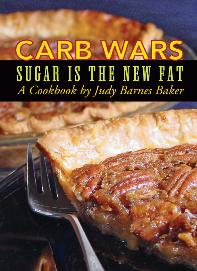
Now my friend and fellow author Judy Barnes Baker, whose CARB WARS: Sugar Is The New Fat cookbook has taken off over the past few weeks, has shared with me her quick and easy way to make another Southern classic the low-carb way--LEMON ICEBOX PIE!!! Mmm!
I can remember having church potlucks with every kind of pie imaginable, but this was one of my favorites. It seems it was one of Judy's favorites too!
"My mother used to make a lemon icebox pie that had just three ingredients plus a graham cracker crust: sweetened condensed milk, lemon juice, and egg yolks," she recalled. "It seemed like magic when the acid in the lemon juice made the egg yolks set up."
Now, to make it low-carb compatible and convenient, Judy created a "super-easy version for the time-challenged" with a recipe virtually ANYONE can make.
"You don't even have to measure anything, just open the containers and combine," she exclaimed. "You can leave out the lemon zest if that's too much cooking for you!"
THANK YOU Judy Barnes Baker for sharing your recipe with us!
3-INGREDIENT LOW-CARB LEMON ICEBOX PIE
16 ounces whipped cream cheese 8 ounces plain yogurt, Greek style with live cultures 3 packets of Crystal Light® On the Go powdered lemonade mix or your favorite sugar-free lemonade mix to make 6 cups (Optional) 2 teaspoons grated lemon zest
Beat all ingredients together. Pour into cooled Almond Pie Crust (SEE BELOW). Refrigerate until set. Top with sugar-free whipped topping if desired.
Servings: 10
Per serving (filling only): Total Carb: 2.6g, Fiber: 0, Net Carb: 2.6g* *Count excludes 8 grams of sugar that have been eaten by the bacteria in the yogurt.
LOW-CARB ALMOND PIE CRUST
1 cup finely chopped almonds 2 packets or 4 teaspoons granular Splenda 2 tablespoons butter, melted A few grains of salt 2 tablespoons of egg white, beaten with a fork
Preheat oven to 350 degrees.
Stir all ingredients together and press into a 9-inch pie pan. Bake for 12 to 15 minutes or until browned. Let cool.
Servings: 10
Per serving: Total Carb: 1.2g, Fiber: 0.6g, Net Carb: 0.6g
Be sure to visit the CARB WARS Cookbook web site for more yummy low-carb recipes from that awesome cooking queen bee Judy Barnes Baker! She's absolutely amazing!
A new and innovative way to use eggs in your low-carb lifestyle
With props to my regular reader Gary (see, you REALLY do need to get your own blog, man! *wink*), here is one of the most creative low-carb ideas I've seen in a long time from a woman named Heidi Swanson at her web site called 101 Cookbooks.
It's a recipe for what she describes as "Skinny Omelettes" and this is so cool! You're gonna love this unique idea.
Heidi Swanson uses her artistic abilities in a variety of ways
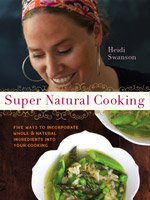
First, let me tell you a bit about Swanson. She lives in San Francisco, California and is a very talented photographer, designer, and cookbook author, including her outstanding 2007 release entitled Super Natural Cooking: Five Ways To Incorporate Whole and Natural Ingredients into Your Cooking. She has been privileged enough to be featured in a diverse number of media outlets, including The Wall Street Journal, LIFE, USA Today, Shape Magazine, Glamour, Entertainment Weekly, The Washington Post, The San Francisco Chronicle, Whole Foods Markets, National Public Radio, and even the Vegetarian Times.
If you enjoy recipes using only whole foods, then this book is for you
Even as a well-known and respected vegetarian supporter, I was quite impressed by this "Skinny Omelettes" idea. Swanson describes traditional omelettes as not "very exciting." But as a low-carber, I can think of no better way to enjoy a quick, high-protein meal that's delicious and will satisfy my hunger for hours!
Perhaps you're bored with the way you've been making eggs. Why not try Heidi Swanson's "Skinny Omelettes" and see if that sparks some fresh ideas for you in the kitchen. I'm all for finding new ways to make livin' la vida low-carb even better. Well here ya go!
You can e-mail your appreciation to Heidi Swanson for this fantastic cooking idea at heidi@heidiswanson.com.