After a three-month hiatus from my popular low-carb podcast show, IT'S FINALLY BACK! My producer Kevin Kennedy-Spaien has almost completely healed from most of the injuries he suffered in that major car accident he was in and he's rip-roaring ready to get back in the swing of things again for 2008. I've missed sharing my twice-weekly episodes of "The Livin' La Vida Low-Carb Show with Jimmy Moore" podcast, so I'm chomping at the bit to share some informative and inspiring messages for those who are looking for help with their low-carb lifestyle.
In Episode 101 of "The Livin' La Vida Low-Carb Show with Jimmy Moore", I provide a quick recap of my weight loss story which just so happened to begin as a New Year's resolution back in 2004. After deciding to go on the Atkins diet, my life changed in so many ways I can hardly believe that the life I'm living now is really mine. We've come a long way from where we once were, baby!
Click on the "LISTEN NOW" link below or download it to your iPod to hear today's podcast:
"The Livin' La Vida Low-Carb Show with Jimmy Moore" Episode 101 [14:37m]: LISTEN NOW | Download
Also during Episode 101, I bring up one of my favorite issues in the whole world--beating sugar addiction! Too many people are eating sugar these days without even realizing the consequences for doing so. It is NOT given the same vilification that fat has although it is a million times worse for your health than fat will EVER be. Stay tuned for a special top 10 list of reasons why sugar ruins your health in this podcast.
Give this podcast show a listen anytime by:
1. Listening at the official web site 2. Calling (818) 688-2763 to listen via Podlinez 3. Subscribing to the RSS feed 4. COMING SOON: We'll be back on iTunes again! :)
We love hearing feedback from our listeners, so please share your thoughts about what you heard as well as any stories about how your life improved as a result of ditching the sugar in your life. THANKS for listening and we'll be back on Thursday for yet another brand new episode of the #1 low-carb podcast show on the World Wide Web!
When you think of sugar as rat poison, you'll never want it again!
How in the world can you possibly reduce or eliminate sugar from your diet forever? I get asked this question quite a bit by people who want to lose weight and get healthy, but many of them are too afraid they'll never get to enjoy anything sweet ever again. AAAACK! Oh the horrors!
Seriously, if you are concerned about how you can get rid of your desire to put anything made with sugar in your mouth again, then you're gonna want to watch Episode 17 of "Livin' La Vida Low-Carb On YouTube." What can seem like an impossibility to those of you who are bona fide sugar addicts (and I was before January 2004!), you'll quickly realize it is not as difficult as you think when you implement a rather simple negative visualization technique that I made up. AND IT REALLY WORKS!
Get ready to beat sugar addiction for good after watching today's video:
I remember the days I used to chow down on a whole box of Little Debbie snack cakes and didn't think twice about it. To this day, I don't have any idea why I did that other than I was bored and I could. Heading into 2008, though, you wouldn't catch me eating even ONE of those nasty things anymore because of four sweet words I hear echoing around in my head when I look at them: SUGAR IS RAT POISON!
For those of you who have read my book Livin' La Vida Low-Carb: My Journey From Flabby Fat To Sensationally Skinny In One Year, you know that's the title of the chapter where I talk about all the negative effects of sugar on your body. So how do you convince yourself that consuming sugar is tantamount to eating rat poison? This study from UC-Irvine psychologist Elizabeth Loftus explains the mechanism.
Creating that false negative image of sugar in your mind will turn you off from that slice of chocolate cake or pecan pie. It really will! Look at that image at the top of this post with the sugar and the rat poison. When you see anything sugary, immediately visualize in your mind that box of d-CON. It sounds CRAZY to even equate the two, but watch what it does to your behavior.
You'll pause even for a moment before reaching for a fork to dig into a bite. And that momentary lapse may be just what you need to reject the carb-loaded, sugar-filled treats that will try to tempt you on a daily basis. Once you've been livin' la vida low-carb a while, it gets a WHOLE lot easier to say "no." People don't even bother asking me if I want dessert anymore because they know I can't. IT'S RAT POISON! :)
Besides, sugar is proven to be very unhealthy despite the fact you don't hear the same outcry against it as you do fat. And that is such a crying shame since sugar raises insulin levels in the body which leads to obesity and health problems. Until we get serious about challenging the amount of sugar we consume as Americans, we'll never make a dent in the increasingly growing and seemingly inevitable problem of obesity.
Since the previous episodes are starting to add up now, I've moved them all to their own little page at my links blog for you to access anytime. If you're new to our YouTube videos and want to see even more of them, then check out that page for a full listing of each episode along with the theme for that particular show. Christine and I enjoy recording these each week and we know you'll learn something every time you watch them!
As always, you can subscribe to our videos and stay up-to-date on all the latest episodes as soon as they are posted to YouTube. I've met so many wonderful new people through this format that I only wish I had started doing this sooner. Oh well, better late than never! We love hearing from people who have found us through YouTube, so drop us a line anytime at livinlowcarbman@charter.net. Your feedback and suggestions are always welcomed and encouraged. We do this for YOU and sincerely hope you get as much out of it as we do recording them. Take care!
New Reality TV Show Casting People With Sugar Addiction This Week
Bona fide sugar addicts should apply to new television reality show
From the casting company who brought you the hit NBC-TV reality show "The Biggest Loser," now there is another health-related reality show on the way around the issue of sugar addiction. This has long been a popular theme at my blog because sugar has been shown to shatter your health, be very addictive and even lead to criminal activity.
Now YOU will have a chance to get help for your sugar addiction if you can show up for an open casting call in the Los Angeles, California area this weekend. Are you a head first sugar addict, able to eat sugary chocolates, candies, ice cream, cakes, cookies, pies and so much more without even thinking about it? Then 3 Ball Productions/TLC wants to meet you and possibly put you on national television.
If you are seriously interested, then here's how you qualify:
- MUST BE 22-54 YEARS OLD - MUST BE A MAN OR WOMAN (what else would you be?) - MUST BE AT LEAST 30 BUT NO MORE THAN 90 POUNDS OVERWEIGHT - MUST BE AVAILABLE FOR AN IN-PERSON INTERVIEW WITH PRODUCERS - MUST BEGIN SHOOTING ON SATURDAYS IN FEBRUARY 2008
The auditions begin TODAY, December 6th and will continue on Friday and Monday. No more auditions will be accepted after that, so please act quickly for this unique opportunity to be on television and get help for your sugar addiction.
If you are from the UK, then you probably already know who Paul McKenna is. But for those of us in the United States, he's probably a mystery. But pretty soon EVERYONE will know who he is after watching him as the host and star of this new reality series.
Check out this video of McKenna implementing some of his visual strategies for overcoming some common mental issues associated with sugary foods. THIS IS AWESOME!!!
Listening to this guy talk reminds me of how I beat my sugar and carbohydrate addiction back in 2004. Some may think McKenna's methodology is a bit bizarre and sensationalist, but the fact is it works! And if you aren't pumped up after watching him in that video, then there's just no motivating you. This is truly an exciting opportunity for the lucky contestants on this upcoming new reality show.
Okay, so you qualify, you're able to be in LA today, tomorrow, or Monday for the casting call, and you can't wait to meet Paul McKenna and get started on beating your sugar addiction. Now what?
The details you should include in your e-mail are:
- What specific sweet treats are your sugary vice? - How long have you been addicted to sugary foods? - What is your height and weight and how much weight loss is needed? - What is your most sad sob sugar story? - Why do you want to kick your sugar addiction for good?
If you would prefer to speak with someone by telephone, then you can also call one of the casting directors Lexie Shoemaker at (310) 727-3337 ext. 71270. She'd be pleased to hear from the readers of the "Livin' La Vida Low-Carb" blog who need a little extra help beating their addiction to sugar. Makes me wish I was still a sugar addict--NOT! :)
Let me know if you decide to go try out for this reality show with Paul McKenna. With most of the health and diet information focused on how bad fat is, I'm so happy to FINALLY see a show that's gonna deal with the REAL culprit in weight and health--SUGAR! Some claim it can be a part of a healthy lifestyle, but we know better, don't we? Stories of people overcoming their addiction to sugar abound, so will you be the NEXT one by appearing on this show?
Low-Carb Diet Prevents Sagging Skin, Prostate Tumor Growth, And Hypercholesterolemia
The science behind livin' la vida low-carb continues to pour in like gangbusters and it's sometimes hard to keep up with it all. In fact, much of the research has already been out there a few years--especially before I started blogging in 2005.
But don't worry, I'm committed to finding it all and compiling it together for you right here when I come across research of interest. That's what I have for you today with not one, not two, but THREE discoveries from the scientific community on the health benefits of the low-carb lifestyle. Check these out!
SUGAR CONSUMPTION LEADS TO SAGGING SKIN
Although this study was published in the July 2001 issue of The British Journal of Dermatology, it certainly bears repeating early and often. French researchers discovered that consuming sugar can actually make you develop premature sagging, wrinkling skin. Yikes!
It's all because of a process known as glycation--where the glucose (sugar) in your blood finds proteins to stick to to form what is know as advanced glycation end products, aka AGEs. As the acronym implies, these ages will age you. The more sugar you eat, the more ages that get produced.
Why is this so harmful? Because the AGEs start attacking good skin proteins like collagen and elastin which help to keep your skin firm and elastic. But AGEs minimize the impact of these good proteins and the result is droopy skin. EWWW!
Aren't you glad you've greatly reduced or eliminated sugar from your diet? :D
Lead researcher Dr. Stephen Freedland, a urologist from the Durham, NC-based Duke University School of Medicine, observed 75 male mice who were fed an isocaloric diet of either a ZERO-carb, very high-fat diet (84 percent fat), a high-carb, LOW-fat diet (72 percent carbs, 12 percent fat), or the traditional Western diet (40 percent fat, 44 percent carbs). Each of the mice were injected with cancerous cells after 24 hours on their new diet.
The mice who ate the ZERO-carb diet actually lost up to 15 percent of their body weight compared with increases by the low-fat and Western diet groups. In fact, they needed MORE calories to try to even out the body weight of the mice. Interesting!
But even more interesting is what happened after 51 days...the size of the tumors in the ZERO-carb diet group were 33 percent smaller than the Western diet group and survival was longest among the ZERO-carb diet group. Dr. Freedland credits a decrease in insulin production that happens when you consume fewer carbs for the stunted tumor growth in the mice.
The researchers were very hopeful about the results this study could have on humans.
"If this is ultimately confirmed in human clinical trials, it has huge implications for prostate cancer therapy through something that all of us can control, our diets," Dr. Freedland exclaimed.
Yep, it sure will be! How about getting that going, eh?
"We are planning to start clinical trials sometime next year," he said. "The results of this study are very promising, but of course much more work needs to be done."
Well, alrighty then! We'll be watching!
HIGH-FAT, LOW-CARB DIET DOES NOT RAISE CHOLESTEROL
Lead researcher Dr. James Hays, a cardiologist from the Newark, DE-based Christiana Care Health Services, observed 23 obese heart disease patients over a 6-week period on a high-fat, ZERO-starch diet after they had previously been put on a risky cholesterol-lowering statin drug treatment like Lipitor or Crestor. They remained on their drug treatment during the study, but something amazing happened in the study.
Each of the participants were told to EAT MORE FAT and that HALF OF THEIR CALORIES MUST COME FROM SATURATED FAT! WOW! They were instructed to eat this way for six weeks in a row (can you imagine how these people reacted to this? I bet there were a lot of jaws on the floor when they were instructed to eat MORE saturated fat!).
At the end of the six weeks, the median weight loss was 5.2 percent of their body weight and similar amounts of body fat. Even more important was what happened to cholesterol--it remained steady while total triglycerides dropped significantly.
Dr. Hays said he would expect this trend to continue for up to one full year. Here we are four years later and the results of this research are being proved anecdotally over and over again by people who are deciding to start livin' la vida low-carb for themselves heading into 2008. WOO HOO!
Have you seen some interesting high-fat, low-carb research that I may have missed? Feel free to share it with me anytime at livinlowcarbman@charter.net.
Today, I am pleased to share with you a very informative post from Judy that appeared on her companion web site about the various sweeteners available on the market today. Most people who are livin' la vida low-carb already know to avoid sugar, but what about other so-called "healthy" sweeteners like maple syrup, stevia, and Splenda. Which ones should a low-carber be using and which should be avoided? Judy Barnes Bakers cuts to the chase and shares her knowledge with you to help you make smarter choices for your healthy low-carb lifestyle.
Special thanks to Judy for continuing what I started in this recent blog post about fructose with a more in-depth look at the good, the bad, and the ugly when it comes to providing good alternatives to sugar. ENJOY!
I have received questions as to why I did not include some of the all-natural alternatives, like brown rice syrup, agave nectar, and date sugar in the discussion about the different kinds of sweeteners in my book. I did not include most of them because, in my opinion, they offer little advantage over common table sugar. However since the subject continues to come up, I will address it here.
Let me point out at the start that “natural” is not synonymous with “safe.” Nature abounds with natural poisons: arsenic, mercury, lead, death cap mushrooms, puffer fish, anthrax, and snake venom to name a few. Also, keep in mind that many foods that we consider healthful, like parsley, cabbage, beans, celery, tomatoes, and basil contain poisons and antinutrients that can be dangerous in large amounts.
Potatoes can contain lethal amounts of solanine; those big green bananas called plaintains cause heart disease; lima beans, flax seed, and almonds contain high levels of cyanide. (Fifteen bitter almonds, the kind used in the Italian cookies called amaretti, can cause serious illness or death.) In fact, most vegetables, even after thousands of years of selective cultivation, still contain some potentially harmful substances. (Jeffery Steingarten included a chapter titled: “Salad the Silent Killer,” in his very entertaining book, The Man Who Ate Everything.)
Let’s look at some of those “healthy, all-natural, minimally-processed” sweeteners:
-Agave nectar is touted as a healthful, natural alternative to sucrose because it has a very low glycemic index, so it doesn’t cause a spike in blood sugar or raise insulin levels. However, the dangers of fructose are well known and agave nectar is almost 100% pure fructose. High fructose corn syrup contains only 45% fructose; agave syrup has twice as much of this most dangerous of all the sugars. The reason fructose doesn’t provoke an insulin response is that it does not enter the blood stream but is metabolized in the liver where it is converted directly into triglycerides (fats). It promotes fat storage, especially around the midsection and the organs.
It has been implicated as a major contributor to obesity, diabetes, heart disease, hypertension, and metabolic syndrome. Fructose also increases the formation of advanced glycation end-products, known by the acronym AGEs, because they promote the cross-linking of proteins which speeds up the aging process. According to Dr. Michael Eades, fructose “… is a driving force behind the development of insulin resistance and all attendant problems. When researchers want to give lab animals insulin resistance, they feed the animals high doses of fructose.” Here is a link to an article on fructose by Dr. Eades: "Unclear on the Fructose Concept"
-Date sugar is simply ground up dates. It is more than 96% sucrose; sucrose is about half glucose and half fructose. Date sugar contains some fiber and some trace minerals and vitamins, but it is essentially the same as common table sugar and causes a similar rise in blood sugar and insulin levels. It does not dissolve and is not a useful substitute for sugar for baking or cooking.
-I did include information about stevia in the book. Many people like it, but many find it to be bitter. Some of the more refined brands are said to be less so. Stevia can only be sold as a supplement in this country because it has never been tested orapproved for sale as a sweetener. The FDA has been petitioned three time to grant GRAS (generally recognized as safe) status for stevia so that it will not have to go through safety testing, but it has been rejected so far. If you feel more comfortable with stevia than Splenda, one packet of most sweeteners is equal to 2 teaspoons of sugar so they can be used interchangeably in some recipes for sweetening. Stevia powder does not dissolve, ferment, or caramelize. It is heat stable up to 392 degrees F.
-Maple syrup is made from the sap of maple trees, which is 2 to 3 percent sucrose. It is collected in buckets and boiled down to make a concentrated syrup. It takes 40 gallons of sap to make one gallon of syrup. Most of the sugar is sucrose (like common table sugar), but some, especially in the lesser grades, is glucose and fructose. Maple syrup contains traces of vitamins, especially the B vitamins, and minerals.
-Succanat is cane sugar with the water removed. It retains trace amounts of vitamins and minerals that may be lost in the refining process for regular table sugar, but it is still concentrated sucrose.
- Brown rice syrup is made by fermenting brown rice with enzymes to break down some of the starch into sugar and then cooking it until it is thickened. It is only half as sweet as table sugar. It contains 45% maltose (the kind of sugar in beer), and 3% glucose. The rest is starch. Maltose has a glycemic index of 110, higher than pure glucose (glucose or blood sugar has a GI of 100) and will provoke a very high insulin reaction. It contains 34 net grams of carbohydrate and 132 calories in a serving of 2 tablespoons. I’ll pass on this one.
Note: Brown rice syrup is one of several malt sugars made from grain that include barley malt, barley/corn malt, and rice syrups. Malt sugars are used in making beer, which is why beer is sometimes called “liquid bread.”
Why I prefer Splenda®: Sucrolose, the sweetener in Splenda, is made from sugar by replacing a few atoms of hydrogen and oxygen on the sugar molecule with three atoms of chlorine, making it 600 times as sweet as sugar.
Splenda has been used in Canada since 1991 and in Australia since 1992. It has been approved in 60 countries worldwide. In 1998, after reviewing 110 studies, the FDA approved it for use in the U.S. It is not required to carry any warning label and is considered safe for pregnant women and nursing mothers. After much anticipation, we finally had a safe alternative to sugar that tasted good and held up to cooking temperatures.
So why suddenly is there so much hysteria about Splenda?
Dr. Eades brings up some very important points about Splenda in this article. He contends that Splenda is not really artificial since chlorine is a natural substance, but that it is instead an altered sugar molecule. Half of common table salt is chlorine (NaCl), and chlorine is a normal part of the makeup of our blood serum. Chlorine is a necessary chemical that our bodies need for metabolism and the amount is carefully maintained by the kidneys at the proper level. At any given time you have about 1 teaspoon of chlorine circulating in your blood which is about 20,000 times as much as you would get in a serving of Splenda, if it were digestible, which most of it is not.
The study most often cited as proof of the toxicity of sucralose is one conducted by the National Industrial Chemicals Notification and Assessment Scheme of Australia that showed that feeding large amounts to rats caused shrinkage of the thymus gland, which is important to the immune system. The dosage used in the study was the equivalent of 240 grams of sucralose per day for a 176-pound human for 28 days. That works out to 20,000 packets of Splenda every day for 28 days. To put it in perspective: If you drank 560,000 cups of coffee with one packet of Splenda in each one over a 28 day period, you would reach the level of sucralose fed to the rats. But you would have no symptoms because you would be dead within 15 minutes from the caffeine contained in the first 75 cups of coffee.
Dr. Jonny Bowden, fitness expert and author of The 150 Healthiest Foods on Earth, gave the following response to Jimmy Moore (in this blog post) when asked about Splenda: “…I've looked like mad and can't find any really good, responsible argument against it that can be substantiated. That does NOT mean I won't be proven wrong in a year and I reserve the right to change my mind if there's more compelling stuff coming out. But right now I see it as the least bad of the choices."
This is very much like what I said about Splenda in my book. When you write a cookbook you must use ingredients that are readily available and reasonably priced. Splenda is safe, it tastes good, it is in all the stores, and it is not terribly expensive. There are some other sugar substitutes already available that have the bulk and physical characteristics of common sugar and actually offer some health benefits, but for now they are only available by mail order and are very expensive.
Oligofructose, for example, is made from chicory root. It has been popular in Japan for many years. It consists of long chains of fructose molecules that are not broken down by our digestive enzymes. It is prebiotic, meaning that it selectively feeds the beneficial microbes that live in the lower intestines and so enhances the immune system. (It can be ordered from Low-Carb Specialities. The company also sells fantastic chocolate bars sweetened with oligofructose.)
The decision to eliminate sugar is more important than just avoiding a few extra carbs. Sugar is the prime contributor to the epidemic of obesity, diabetes, and the cluster of diseases called the metabolic syndrome that have devastated this country for the last 40 years. In Good Calories, Bad Calories, Gary Taubes explains how sugar and simple carbs may also promote cancer and speed up the aging process.
Most people already know that they need to cut down on sugar, but the goodies and snacks that constantly surround us are hard to resist. If we can have food that satisfies our cravings without harming us, we are less likely to give in to temptation. If you have an iron will and are always in complete control of your impulses, eliminate sweets altogether and more power to you! But if you are subject to human frailties like me, then try the next best thing.
THANK YOU again for sharing your wisdom with us today, Judy! Be sure to pick up YOUR copy of CARB WARS and pay a visit to see Judy Barnes Baker at CarbWarsCookbook.com.
The Sudden Switch From Sucrose To Fructose Made Us Fat And Sick
Fructose looks innocent enough, but just how harmful is it?
We all know that consuming sugar can be detrimental to your weight loss plans, especially if you are livin' la vida low-carb. The overconsumption of sugar is arguably one of the most ignored causes of obesity, diabetes, and other health ailments in the world today. But why has sugar become such a major part of our society unlike in past generations.
It all goes back to around the time my generation was born in the early 1970s when manufacturers decided to stop using sucrose, aka table sugar, as the primary sweetening agent found in most soft drinks at the time and switch it over to fructose, a form of sugar extracted from fruit, instead. Sounds innocent enough, doesn't it? But not so fast.
Prior to switch from sucrose to fructose in the 1970s, the average American consumed about 1/2 pound of fructose, mostly in the form of high fructose corn syrup (HFCS), annually. In 1997, wanna know how much fructose people in the United States were eating? Hold on to your hat because this is a SHOCKER--60 POUNDS A YEAR!!!
The part that really stinks to high heaven is the fact that HFCS is in EVERYTHING nowadays. It's almost impossible to pick up very many foods at all in your local grocery store without coming across this health menace. That's one of the major concerns science journalist Michael Pollan shared in his outstanding book The Omnivore's Dilemma.
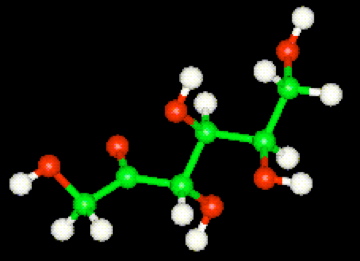
A fructose molecule gives a skeletal view of this dangerous sugar
You may be wondering what's so bad about fructose compared with sucrose. There are several metabolic issues at work that should shed some light on this:
- Fructose needs the liver to break it down
The process of metabolizing fructose uses up lots of energy molecules called Adenosine triphosphate, or ATP. When this happens, the body reacts by feeling really tired and repeating this strain on the liver has been found to cause fatty liver disease and could lead to metabolic syndrome. Additionally, the more fructose that is in your system, the greater risk you are putting the protein in your body. And that's not a good thing at all!
- Fructose needs sucrose to be absorbed properly
The abundance of fructose combined with the lack of sucrose in the modern diet means most people are putting a strain on their lower intestine to digest the fructose. This causes pain gas and abdominal issues, including bloating and diarrhea.
- Fructose doesn't just add calories, it's harmful on its own
While most of the so-called health "experts" talk about sugary sodas as merely "empty calories," the fact is the fructose in them is what causes the most problems in the weight and health of those who consume it.
This is a scary thought for me personally because I used to consume the equivalent of 16-20 cans of Coca-Cola on a daily basis before I started livin' la vida low-carb. That's about 45g sugar, all in the form of high fructose corn syrup, per can. So I was guzzling down--BRACE YOURSELF--upwards of 900 grams of sugar (much of which is fructose) just in my soda consumption before the Atkins diet. And we won't even talk about the HFCS that was in all those snack cakes I used to eat, too! EEEEEEK!
I thank the good Lord above that I didn't do major damage to my body putting my body through fructose shock treatment because the negative side effects of this sugar are difficult to ignore despite the spin Audrae Erickson from the Corn Refiner's Association attempted to use in defense of HFCS. She claimed that it is merely a natural product that everyone should be eating as part of their healthy diet. Yeah right! Just wait until you see what this stuff does to your body and see if you buy into that lie.
Studies have already shown that fructose speeds up the process of becoming obese, but it gets even worse than that! Fructose is KNOWN to raise your triglycerides which also leads to obesity and metabolic syndrome. Uric acid is raised in the body and the risk of getting gout increases leading to inflammation of the arteries which rapidly begins clogging your arteries (see, it's not the fat you consume, but the SUGAR in the form of fructose that leads to cardiovascular problems).
Many people also have fructose intolerance, similar to lactose intolerance with milk-based products, that causes their body to experience severe cramping, gas, stomach pain, indigestion, and worse. If you thought eating maltitol was bad, then you ain't seen nothing until you have experienced an intolerance to fructose!
In light of my horrendous consumption of 900+ grams of fructose just from sodas before 2004, you might think you can get away with a lot less of that with no ill effects. But you would be wrong. The fact is all you need is as little as 60g fructose commonly found in ONE large soft drink from McDonald's or Super Big Gulp from 7-11 and the potential damage to your liver and the accumulation of body fat will commence. Is there any wonder how my weight ever got to be over 400 pounds now?
The scary part about fructose is that it is not just in sugary soda. Most people get hundreds of grams MORE of this stuff in their body when they eat foods like bread, cookies, cake, ketchup (yep, HFCS is in it, too!), snack cakes, and even fruit. You'll notice all of those foods just happen to be HIGH-CARB, too, so it's yet another reason why you should be livin' la vida low-carb. ;)
But even those of us on the low-carb lifestyle should be mindful of the fructose that is put in barbecue sauce and other grilling condiments because of something known as advanced glycoslated end products, or AGEs. This one should be easy to remember because AGEs lead to an advancement in aging. We already know a high-carb/high-sugar diet leads to age-related macular degeneration and a whole host of other health ailments, but this one should make you pay close attention.
AGEs are created when a chemical reaction happens when proteins are heated in combination with fructose sugars. Toasting or grilling leads to a process known as cartelization where the protein reacts to the fructose it comes in contact with to cause stiffening of the arteries and an increase in blood pressure. The AGEs also damage your kidneyes, eyes, and essential organs. Our bodies will absorb 10 percent of the AGEs we consume--enough to cause some serious damage if you are not careful.
Try to avoid using sugary sauces when cooking meats, but also keep in mind that a lot of grilled meats have sugar injected into them. That's why getting the best quality of grass-fed, organic beef, for example, is going to be the healthiest for your low-carb lifestyle. Just because it tastes good doesn't necessarily mean it's good for you.
Most egregious of all regarding fructose that comes from HFCS is that fact that the corn has been genetically modified (GMO). These GMO crops are a huge question mark as it relates to your health. There are absolutely ZERO long-term studies on the safety of consuming ANYTHING with GMO in them and God only knows what this is doing to our body. Yep, we're one big human experiment for the corn producers as they make out pretty good on this. The highly-refined process of creating HFCS makes this potentially hazardous substance that much worse. YIKES!
Hopefully now you understand a little better why our modern-day society is so full of fat people who are sicker than they've ever been before. It's no coincidence people! The next time you are at the grocery store, just pick up anything off the shelves in the middle aisles and you'll see that arch nemesis of weight control and health known as fructose in just about EVERYTHING! Be smart, make better choices, and refuse to allow this stuff inside your body. You'll be glad you did.
She may be evil-looking, but this witch is totally low-carb
Halloween is here this week along with all that sugar, sugar, and more sugar (aka "rat poison"). It really disgusts me that we have a national day for children to load up on one of the most damaging things they could possibly put inside their body. But the candy companies love it because their sales projections depend on this deeply-entrench annual tradition that shows no sign of ever going away.
Call me a party pooper, but at some point we need to wake up to reality and realize that our condoning of passing out gobs and gobs of candy on Halloween sends mixed messages to children about health. If all the adults are giving out candy to children, then it can't be that bad, right? WRONG! Those of us who are livin' la vida low-carb should take the lead and refuse to pass out sugary treats. Instead, we can buy small toys or some other non-sugary treat.
We'll keep talking about this problem year after year until people realize it is all that sugar, high fructose corn syrup, and excessive refined carbohydrates behind the childhood obesity and Type II diabetes epidemic we face. Either we figure that out now while we still can or we are forced to come to grips with it when these conditions are expected to overtake ALL our children by the year 2044.
So what can we do? Well, we can at least try to find ways to cut the sugar content of the "treats" we serve for days like Halloween. That's why I'm happy to tell you about a really awesome cake recipe that is shaped like a wicked witch. COOL! Special thanks to SheKnows.com for this outstanding sugar-free/low-carb recipe.
LOW-CARB WICKED WITCH HALLOWEEN CAKE
For the cakes: 4 cups almond flour 2 cups unsalted butter (room temperature) (plus 1 tablespoon for greasing) 6 tablespoons Splenda 10 large eggs 2 generous teaspoons baking powder 2 tablespoons lemon juice 2 teaspoons vanilla extract
For the frosting: 2 (8-oz ) packages cream cheese 1/2 cup Splenda (sucralose) 1 teaspoon vanilla extract 1/4 cup whole milk* Green food coloring (for the face) 1/4 cup unsweetened cocoa powder 1 tablespoon whole milk* 1 tablespoon Splenda (for the hat) 17 Sugar-free Gummi Worms, plus your choice of any other sugar-free Halloween candy shapes for decoration only.
*Use low-carb milk if desired. This will change the nutritional analysis below.
Servings: 20 Nutritional info per serving: 6.61g carbs 2.53g fiber 9.29g protein 38.39g fat 180.74mg cholesterol 144.46mg sodium 409.92 calories
Click here for the baking directions on this deliciously evil low-carb Halloween dessert.
Dr. Glenn Gaesser is peddling in place with his nutritional blather
The damning evidence against a high-carb, low-fat diet keeps getting worse and worse all the time as studies continually show that particular nutritional approach is a uniquely unhealthy way to eat to live. British health expert Dr. John Briffa told me in a recent interview I conducted with him that a high-carb diet leads to a variety of negative health conditions.
"A high-carb diet can upset blood sugar and insulin balance that can lead to symptoms such as sweet cravings, fuzzy thinking, fatigue and waking in the night in the short term, and problems such as weight gain, type 2 diabetes and heart disease in the long term. Plus, high-carb diets often fail to really satisfy the appetite, making them quite unsustainable. It is just this sort of diet than can make ‘career dieters’ out of people. And these diets can be lacking in key nutrients, so that individuals can end up overweight and malnourished, all at the same time. Hardly ideal!"
Noted low-carb researcher Dr. Jeff Volek from the University of Connecticut (who recently released a book entitled the Men's Health TNT Diet co-written with Men's Health Features editor Adam Campbell) explained in my interview with him last September why it is simply futile to be eating a high-carb, low-fat diet as part of a healthy life.
"The potential problem with low fat/high carbohydrate diets is that they can exacerbate the features associated with metabolic syndrome, unless you also exercise or lose weight as part of the low fat diet. High carbohydrate diets increase triglycerides, lower HDL-cholesterol, and lead to greater fluctuations in glucose and insulin. There is also an emerging concept that carbohydrates tend to be more pro-inflammatory. To some extent the over-emphasis on carbohydrates explains why we have seen such an increase in diabetes."
With all this preponderance of the evidence AGAINST consuming a high-carb, low-carb diet for the sake of your weight and health, then obviously there can't be anyone in their right mind who would dare to RECOMMEND such a diet for people seeking to lose weight and improve their health, right?
Well, I did say "in their right mind" so that leaves the door open for people like Dr. Glenn Gaesser from the University of Virginia. He is an associate professor of exercise physiology and director of the kinesiology program in the Curry School of Education who doesn't mind telling people exactly what he thinks about livin' la vida low-carb as evidenced by this recent press release.
"That's just nonsense," Dr. Gaesser contended regarding the claim by people who eat a low-carb diet that it is the carbohydrates that made them fat.
He was responding to those of us who criticized this ridiculous study and his comments about it that released last week in the Journal Of The American Dietetic Association concluding that the high-carb, low-fat diet promoted by Dr. Dean Ornish was best among the most popular diets for heart health. Predictably, the Atkins low-carb diet was dead last (since they based the comparison on criteria that call for higher carbohydrate intake and lower fat intake, the result was not surprising!).
This Dr. Gaesser is a real piece of work, though. He claims there is nothing at all wrong with consuming sugar, white flour, processed and whole grains, and other high-glycemic (aka HIGH-CARB) foods as part of a healthy and fit lifestyle.
"There is no reason to be eating fewer carbs – they're not the enemy,” he exclaimed. "People who consume high-carb diets tend to be slimmer, and often healthier, than people who consume low-carb diets."
Oh now why did you have to go and throw in "than those who consume low-carb diets," Dr. Gaesser? Are you TRYING to pick an idealogical fight you know you can't win? Apparently so, because he contends there is NO COMPELLING EVIDENCE that points to carbohydrate restriction as a means for improving health. Um, would you care to click on any of the links I provided at the top of this blog post for all the evidence you'll need, sir?
It is quite obvious this professor has not done his homework and is simply adhering to the same old line of dietary convention that has led us to become the obese population that we are with declining health that just keeps getting worse. Because of high-carb, low-fat apologists like Dr. Gaesser, we have not moved the conversation about a healthy diet forward in this country because they refuse to give even a little credence to this way of eating that has helped so many of us manage our weight and health for the first time in our lives.
Of course, Dr. Gaesser has a vested interest in his hypothesis because he wrote a book in 2004 entitled It's The Calories, Not The Carbs as well as another book called Big Fat Lies: The Truth About Your Weight and Your Health that simply repeats his hypothesis regarding a high-carb, low-fat diet to control weight.
As if these written statements from Dr. Gaesser were not inflammatory enough, I have some audio from him to share with you so you can hear right from the horse's mouth exactly what he thinks about livin' la vida low-carb. CLICK HERE to listen to a few minutes of his argument in favor of high-carb, low-fat diets over the low-carb lifestyle.
I wrote an e-mail to Dr. Gaesser requesting an interview with him to further clarify his negative statements about low-carb, but he never responded. I was ready to give him an opportunity to state his case about why he believes what he does, but unfortunately he did not avail himself of that opportunity to speak to the low-carb community through my generous invitation.
However, leave it to one my incredibly faithful readers who took my advice at the end of this previous blog post to write an impassioned e-mail directly to Dr. Gaesser about her low-carb experience and she confronted him about his rather narrow-minded views about this healthy nutritional approach.
Here's what she wrote to him in an e-mail (this is AWESOME!):
Dear Dr. Gaesser:
I am now nearing 71 years old. For 45 years I faithfully followed the low-fat mantra of the AHA and ADA while my weight skyrocketed to 236 pounds, diabetes ran rampant, hypertension soared, my lipid profile ballooned, and I finally suffered a heart attack. Hunger and guilt plagued my efforts as I destroyed my joints from exercise abuse.
Four years ago I discovered the Atkins diet. I have lost 40 pounds effortlessly for the first time ever, my only diabetic medication is metformin, my lipid profile is now normal with no medicine, and my cardiologist says my heart keeps getting stronger. I consume far more calories than I ever did. Nearly 80% of my diet is saturated fat. At last life is good. If only I had known years ago what I know now!
Thousands of other people are finding the same fantastic results, yet you insist that a low-fat diet that failed them in the past is the answer. How do you explain my results?
Our fat-phobic society is sickly, obese, diabetic and heart-diseased because fat consumption has steadily decreased over the last 30 years. (See pages 232-233 in Gary Taubes' new book GOOD CALORIES, BAD CALORIES for verification.) Sure, a cookie or a piece of pie occasionally will do little harm, but the poison of carb addiction must be handled carefully, just like smoking and illegal drugs. I know from my own actual experience.
The statement "Most studies indicate that people who consume a lot of carbohydrates generally are thinner than those who do not" is ridiculous. Why are all those who eat mostly carbs every day and never touch fat and little protein, which is the majority, obese? Kids are perfect examples, and you know what is happening to them.
As long as the low carb success continues to spread, the more it will wipe out low fat misery. It is time to accept the inevitable and do all you can to get this nation onto the road toward health and vigor, even if it means giving up cherished, outdated beliefs.
BRAVO to this very brave and admirable reader!!! I could not have said it any better myself and I REALLY like the way she worded this. It was not just her belief about livin' la vida low-carb, but actually what SHE LIVES and that is very powerful. And that phrase "it will wipe out low fat misery" gave me chills down my spine! WOW!
But you wanna know what? It didn't end there. This Dr. Gaesser character actually had the gall to RESPOND to this impassioned e-mail from my reader with this rather terse and heartless e-mail designed to discourage her and single her out as the exception. What a real piece of work this professor is!
Here's what he had to say about my reader's e-mail to him:
I can understand your point of view if you have had success with low-carb eating. However, my comments on the news pertained to a thorough examination of literature that I had published in the October 2007 issue of the Journal of the American Dietetic Association, on the subject of carbohydrate intake and body weight. The article went thorugh a rigorous peer-review process, and the results are unequivocal: high-carb, low-fat diets are consistently associated with lower body weights in men and women, young and old. The studies included in my analysis represent data on hundreds of thousands of study participants.
Even eating a lot of so-called "bad carbs" was not linked to higher body weights. Some large studies even showed that eating lots of so-called "bad" carbs was linked to better weight control. I should also mention that consumption of sugar (perhaps the ultimate "bad" carb) is consistently linked to lower body weights in adults. The reasons for these findings remain unclear, but may have to do with the fact that high-carb diets tend to be associated with higher consumption of dietary fiber, especially cereal fiber, and cereal fiber has been linked to better weight control and good health.
One point of clarification: Taubes' assertion that fat intake has been steadily decreasing for the past 30 years is not true. Dietary fat intake--measured in actual grams of fat consumed per day--has not changed appreciably during the past 30 years. In fact, data from the National Health and Nutrition Examination Surveys suggest that since about 1980 dietary fat intake of U.S. women has actually increased a bit. The PERCENTAGE of fat intake has decreased, but only because total calorie intake (mainly from carbs) has increased during this period. Thus the so-called "low-fat" period of the American diet is more aptly described as "high calorie"--and calories, regardless of type, do count. Taubes is clearly off base on this point.
Sincerely,
Glenn A. Gaesser, Ph.D. Professor and Director Kinesiology Program University of Virginia
What a freakin' clown this guy is! I'm sorry, but he doesn't deserve to be respected with a moronic response like that one to a very reasoned and well-written comment. Can you believe someone who is supposed to be at least halfway intelligent as the professor of a major college in the United States of America would make the claim that eating SUGAR leads to LOWER body weights in adults? Say what? Has this professor completely lost his mind?! (It's just like the head of the Corn Refiner's Association attempting to tell me that high fructose corn syrup is healthy! Yeah, riiiiiiiiiggght!)
Regarding his rant against Taubes, he never claimed that fat consumption has steadily decreased. In fact, if you will watch that video I linked in this recent blog post with Gary Taubes, Dean Ornish, and Barbara Howard, then you will hear Ornish attempt to say the same thing about fat intake remaining static while Taubes defends his statement by saying it was the PERCENTAGE of fat intake that fell with carbohydrates taking up more and more of the macronutrient ratio.
When Dr. Gaesser made the statement that "Taubes is clearly off base," then it proved to me beyond a shadow of a doubt that he absolutely has no idea what he's talking about. Why do people like this feel like they have to get up on their high horse and act all sanctimonious about what they believe? Share your ideas about what you believe and do it in such a manner that people will be attracted to what you have to say based on the results. There's no need to drag down alternative choices that some of us have chosen to make for our lives.
The fact remains, Dr. Gaesser, whether you will ever acknowledge it or not, there are countless examples of people like my reader who courageously wrote to you with her story, this man typing this blog post whose life was forever changed for the better after losing nearly 200 pounds and living healthier than he ever thought possible, and many more who are quietly living their lives, watching their carbs, and never regretting their decision to eat a deliciously healthy high-fat, low-carb diet.
You may try to act like we don't exist, but the reality is clear--WE DO EXIST! And the good news is we ain't going anywhere anytime soon either, so expect us to continue to challenge people like you, Dr. Ornish, and anyone else who would dare disrespect us as human beings like you have because we have chosen a nutritional path that runs counter to what you believe.
As participants in the conversation about weight and health, wouldn't you want people to find their own customized pathway to success? That's my philosophy, Dr. Gaesser, and I challenge you to do the same for the sake of helping people beat their obesity and get healthy. It's for the greater good!
Would you like to send your own personal story to Dr. Gaesser about how livin' la vida low-carb has greatly improved your weight and health? Send him an e-mail at gag2q@virginia.edu. I'm sure he'd LOVE to hear from about a hundred enthusiastic fans of livin' la vida low-carb, don't you agree? :D
10-11-07 UPDATE: Although he refuses to respond to my request for an interview, Dr. Gaesser has been quite responsive to many of you who have written to him. Here's what one of my long-time readers wrote to him yesterday:
Dr. Gaesser,
I was amazed to read today that you are stating that junk carbs are not the cause of weight gain. These unrefined carbs are the major cause of so many health issues in not only the USA but the world and the problem for young and old alike.
There are just too many REAL medical studies showing the damage sugar is doing to our bodies to dispute. Personally, when I stopped eating the junk carbs I lost 75 pounds, kept it off for 3 years so far and my blood work looks excellent now where I was moving into serious danger in all areas.
My husband decided to drop the junk carbs and lost 60 pounds and also moved from pre-diabetic to excellent blood work also. At age 59 I've tried your so called low fat high carb way of eating and trust me, it stinks big time. I feel sorry for those people that you are influencing to continue their destructive path.
Here was Dr. Gaesser's smug response to my very successful reader:
My guess is that you and your husband must have been eating a lot of what you call junk carbs if you lost so much weight after eliminating them. And that is not inconsistent with my message. My evaluation of the science, that was published in the Journal of the American Dietetic Association, indicated that refined grain intake was not consistently linked to higher body weights.
In fact, carbohydrate intake was universally associated with lower body weights. In one study, published by Harvard researchers, men who who consumed the most refined grain weighed no more than men who barely consumed any refined grain. Also, sugar intake is consistently linked to lower body weights.
I am not advocating loading up on sugar and refined grain, but rather only wanted to make a point that blaming Americans' obesity problem on their consumption is not justifed. You may disagree, but these are the facts.
As a point of clarification, I do not advocate a low-fat, high-carb diet without qualifying that I also emphasize consumption of fiber-rich foods, mainly cereal fiber.
Glenn A. Gaesser, Ph.D. Professor and Director Kinesiology Program University of Virginia
I agree with my reader that this message from Dr. Gaesser is still VERY unstable dietary advice for people wanting to lose weight and get healthy. What say you?
Hey there healthy living enthusiasts and thanks for being here for all the latest news and updates about the incredible and miraculous low-carb lifestyle. Sometimes there's so much going on that you may not have heard about that I have to lump it all together in one big blog post for you like I'm gonna do today.
So many stories, so little time--so let's get started! Here are ten hot stories going on right now in the low-carb world:
1. FDA IS STILL GIVING THE SUPPLEMENT STEVIA A HARD TIME
There's a hotly-contested battle going on right now between health advocates like those of us following the low-carb lifestyle and the Food & Drug Administration (FDA) over the issue of the supplement stevia. This Organic Consumers Association story explains how the FDA has taken a hard line against the plant-based sweetening agent stevia by not allowing manufacturers to call it a sweetener along the lines of Splenda, Equal, and Sweet N' Low. I've blogged about this battle over whether it's a supplement or a sweetener before and I was hoping the presence of a big name manufacturer like The Coca-Cola Company in the stevia standoff would help soften the acceptability of stevia as a sweetener. It doesn't appear that way yet, but the winds of change may be blowing in the direction of sweetener soon enough if Coke has its way.
2. ORIGINAL BIGGEST LOSER RYAN BENSON GAINS BACK HIS WEIGHT
The success of the hit NBC television weight loss reality show "The Biggest Loser" all started back in 2004 when Ryan Benson was crowned the very first winner of the show by losing 100 pounds. What you may not know is the extent to which he put his body through in order to lose those last few pounds before the final weigh-in. He candidly shared the drastic measures he took in those days before the finale at his his MySpace page. Have you heard about this? Here's a quote from his journal:
"I wanted to win so bad that the last ten days before the final weigh-in I didn't eat one piece of solid food! If you've heard of 'The Master Cleanse' that's what I did. Its basically drinking lemonade made with water, fresh squeezed lemon juice, pure maple syrup, and cayenne pepper. The rules of the show said we couldn't use any weight-loss drugs, well I didn't take any drugs, I just starved myself! Twenty-four hours before the final weigh-in I stopped putting ANYTHING in my body, liquid or solid, then I started using some old high school wrestling tricks. I wore a rubber suit while jogging on the treadmill, and then spent a lot of time in the steam room. In the final 24 hours I probably dropped 10-13 lbs in just pure water weight. By the time of the final weigh-in I was peeing blood."
HOLY CRAP! Although he says he has not suffered any ill effects to his health from this, he has put back on the weight and did so rather quickly after winning the $1 million prize for being "The Biggest Loser."
"In the five days after the show was over I gained about 32 lbs. Not from eating, just from getting my system back to normal (mostly re-hydrating myself). So in five days I was back up to 240 – crazy!"
But Ryan did share some real nuggets of truth about maintaining your weight after weight loss that give me hope he will know what to do this time after he reaches goal.
"Maintaining weight loss for me was obviously much harder – as seen in the fact that I have gained weight. Weight loss and maintenance are both the same thing – a complete change in your frame of mind. For many years I have always thought "If I can just lose the weight then I can eat anything I want." Unfortunately this isn't true, you have to keep a similar mind set whether you are losing weight or maintaining weight loss."
Maybe I was wrong when I said that the show was not creating unreasonable weight loss expectations in the contestants. I'm sure Ryan Benson was not alone in the lose-at-any-cost mentality that money can force them into doing. Does it make you as sick to your stomach as it does mine to hear about this?
When I won that local radio weight loss contest back in 2004, the worst thing I did was not eat all day long on the day of the weigh-in. And I thought I was being a rebel doing that! Of course, I ate like a madman when the contest was over and I had won. But I don't think a "Master Cleanse" would have been a consideration for me. EEEEK!
3. THIS IS ONE OF THE FUNNIEST DIET COMMENTARIES I'VE EVER READ!
4. DR. JONNY BOWDEN BUSTS UP 7 COMMON NUTRITIONAL MYTHS
Friend and fellow health advocate Dr. Jonny Bowden, author of two fantastic books that should be on the shelf of every low-carber--Living The Low-Carb Life and The 150 Healthiest Foods On Earth--has penned an absolutely brilliant column for iVillage.com entitled "7 Nutrition Myths Busted" that will shed some light on some of the dogmatic statements we hear so often from the so-called health "experts." Here's what Jonny lines up and shoots down one-by-one:
1. The food pyramid is for everyone. 2. There is a perfect diet that will work for everyone. 3. All low-carb diets are like the Atkins Diet. 4. Stress does not make you fat. 5. Metabolisms are all pretty similar. 6. Blood type does not make a difference. 7. A balanced diet will provide you with everything you need.
See what Dr. Bowden has to say about each one of these. You'll be pleasantly surprised! :D
5. US NEWS & WORLD REPORT ENDORSES LIVIN' LA VIDA LOW-CARB?
So I'm flipping through the September 27, 2007 issue of the magazine US News & World Report when I see an article called "Health Tip: Considering Low-Carb?" and my eyes are drawn to it for obvious reasons. It's a quickie four-sentence blurb about what people who are considering low-carb need to do if they choose this diet plan. WHOA! This just goes to show you that at least for one major publishing outlet, they've taken on the old adage if you can't beat 'em, join 'em. Low-carb ain't going anywhere, so they might as well tell people about it! WOO HOO!
6. OMEGA 3 FATS REDUCES RISK OF TYPE 1 DIABETES IN KIDS, STUDY SHOWS
An exciting new study published in the September 26, 2007 issue of Journal Of The American Medical Association found that kids who consume more omega 3-rich fatty acids from such low-carb foods as flax seeds, walnuts, fish oil, canola oil, tuna, mackerel, sardines, salmon, bluefish, swordfish and free range eggs have a reduced chance of having Type 1 diabetes (juvenile diabetes). Get the full scoop about this exciting new regarding fat consumption for kids at the About.com Diabetes web site. I personally love my salmon, walnuts, and fish oil supplements. Free range eggs are still a bit out of my price range right now, but I'd get 'em in a heartbeat if money was no option.
7. IF YOU WANT TO THINK FASTER, THEN YOU NEED TO EAT MORE CARBS, STUDY SUGGESTS
8. BARILLA PASTA COMPANY STANDS BEHIND THEIR THRASHING OF LOW-CARB
To follow-up on a previous blog post where I suggested the whole wheat pasta company Barilla may not be a friend of the low-carber may just happen to be true. After seeing this link about the "dangers of low-carb diets," an e-mail was sent to the company challenging their opinion about livin' la vida low-carb and requesting clarification about why they believe low-carb is dangerous.
Here's how a company spokesperson responded:
Thank you for sharing your point of view on our website content.
We want to assure you that Barilla takes the issue of nutrition and health of our consumers very seriously. As such, we would never publish erroneous information. All of the low-carb diet information on our website comes from notable nutrition, medical and/or research experts and is footnoted with the specific resource. The information is posted on our site to merely present facts to help consumers make their own educated decision on how they eat.
We wish you all the best.
Thank you,
Consumer Relations Barilla America, Inc.
Okay, but what about all the FACTS about how healthy a controlled-carbohydrate nutritional approach can be not only for weight management, but also for controlling many aspects of health, too, Barilla? If you're about helping educate consumers, then perhaps you should learn the fine art of sharing ALL the information and putting it out there on the table. Of course, you can't do that because your products, even the whole wheat pastas, are NOT healthy for people on a low-carb diet.
And even if they were marginally good, your utter disdain for those of us who choose to live this lifestyle makes me want to spend my hard-earned money elsewhere. Can you say Dreamfields anyone? :P
9. NUTRITIONDATA.COM CREATES A DIETING & WEIGHT LOSS CENTER
When you have time to check it out, there's an exciting new resource for people losing weight called the "Dieting & Weight Loss Center" brought to you by NutritionData.com. It's not all explicitly low-carb (as you will quickly notice by all the annoying Alli ads when you go there, but it's just another place for information about diet and health that you may want to take a look at. They were nice enough to link to my blog, so apparently they don't mind sharing a variety of voices on the subject. :)
10. GERMAN RESEARCHERS SAY CUT THE SUGAR, EXTEND YOUR LIFE BY 25%
Finally, I've got an exciting new study to share with you that was published in the October 3, 2007 issue of Cell Metabolism. Read the recap about the study in this Reuters story about how researchers in Germany restricted sugar intake in worms and they lived to be 25% older than those worms that consumed sugar. The only thing that irked me about the study was when one of the researchers said that the "body needs glucose (sugar/carbs)" which is not true as I have previously blogged about. I have a feeling that somewhere today Connie Bennett has got to be smiling. ;)
So there you have it! Ten scrumptious low-carb stories for you to chew on to start your week off right. Feel free to comment on any or all of them in the comments section below. THANKS for reading and I look forward to your reactions!
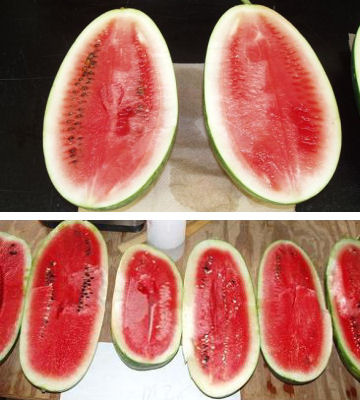
These watermelons may look normal, but they have about half the sugar
Leave it to modern-day technology in research labs to come up with some creative ways to make the foods we eat even healthier. We saw an attempt earlier this year at this concept when scientists figured out a way to produce natural low-fat milk straight from the cow (although that wasn't very healthy, IMHO!). But now there's something low-carbers and diabetics alike should cheer: a low-sugar watermelon (my low-carb blogging friend Robin from "Limenade And Watermelon" will be thrilled)!
Yep, have you heard about this yet? This Science News story details what researchers have come up with as the perfect replacement for this higher-sugar member of the melon family. You'll recall I addressed this in Episode 2 of my "Livin' La Vida Low-Carb on YouTube" video when my wife asked if watermelon was appropriate for someone on low-carb.
While it's not too terribly high in carbs, watermelon is a little higher than you would prefer for those in the early stages of the Atkins low-carb diet where you restrict your intake to around 20g daily. At about 11g net carbs for a cup of watermelon, that usually makes this fruit off limits for people trying to lose weight the low-carb way.
But now a research geneticist named Angela R. Davis from the USDA's Lane, Oklahoma-based Agricultural Research Service gives hope that this plump, juicy summertime favorite can be back on the menu again for those of us leading a lower-sugar, low-carb lifestyle! They have been working on this for years and wanted it to be perfect before releasing the technology to seed companies to replicate the results for consumer production.
Early experiments resulted in white and even yellow flesh for the watermelon--not exactly the most appetizing way to eat watermelon (kinda like the green ketchup from Heinz was for me a few years back--EWWWW!).
"The project took a lot longer than we expected," Davis remarked. "Because there's a correlation between color and sugar content."
Finally they found a way to make the flesh turn pink while virtually cutting the sugar in half! So, instead of 11g net carbs for a cup of watermelon, how about 5g instead? WOO HOO! The lighter the red in the watermelon, the lower the sugar content. And thus is born a low-carb, reduced-sugar watermelon thanks to science.
Details about these new genetically altered low-sugar watermelons will be published in the journal HortScience before the end of the year.
I bet you're wondering how they taste (yeah, me too!). Well, Davis says that will be the primary issue for people who switch from regular watermelon to this one. But for those of us who already eschew sugar in our diet to manage our weight and/or diabetes, it'll probably taste pretty good. I liken it to switching from regular soda to diet soda. The transition takes some getting used to, but it happens.
Just as the soda companies use artificial sweeteners to replace the sugar in their products, so too will those sweeteners come in handy for people choosing to eat this lower-sugar watermelon. I, of course, would recommend either Splenda or stevia if you feel like you need to use a sweetener at all.
Davis said they ran taste tests among teenagers and adults with diabetes and the low-sugar, artificially-sweetened (with Splenda!) watermelons actually BEAT the regular watermelon among those surveyed. WOW! There may be hope for us yet with those kind of results!
"Overall, there was a significant preference for the artificially sweetened watermelons compared with the conventional watermelons," the researchers concluded.
What's so healthy about eating watermelon, you ask? In a word--LYCOPENE! Yes, you can find this awesome nutrient in tomatoes (which gives it that rich, red color!) and it is a powerful antioxidant responsible for destroying free radicals which can wreak havoc on your health. You'll be pleased to know that these reduced-sugar watermelons retain their high lycopene content!
"A low-sugar watermelon is a palatable fruit choice to individuals who must restrict sugar or total carbohydrate intake--with the added benefits of lycopene," the researchers added.
These new reduced-sugar watermelons will look like a typical 10-12 pound watermelon when they do become available in stores--no specific date as of yet. We'll let you know when they're available and will try to blog about how they taste when we get our hands on them. I would think an ice-cold low-sugar watermelon should be ready for consumption by the time the dog days of summer hit in 2008. I can't wait!
You can e-mail Angela Davis to thank her for her research into making watermelons lower in sugar for those of us on carb-restricted diets for weight and diabetes control at adavis-usda@lane-ag.org.
Livin' la vida low-carb is STILL haunting Krispy Kreme doughnuts
One of the most difficult guessing games that happens behind the scenes of the American economy is figuring out how to create a product that people will want often enough to turn a consistent profit. It is this decision-making process that will either make or break a company.
You hate to gloat when a company has to file for bankruptcy (although the media certainly didn't mind doing it when Atkins Nutritionals did in 2005 but then they completely ignored it when they emerged from bankruptcy stronger in January 2006). But when that company is Krispy Kreme doughnuts and they continue to struggle to remain viable promoting high-sugar, high-carb products as their mainstay, it's hard to feel sorry for them.
The Illinois franchise called Sweet Traditions LLC of St. Louis who owns the Krispy Kreme doughnut stores in the Chicago, Illinois area is in such dire straits financially that they have been forced to close half of the stores in that area and file for Chapter 11. Not surprisingly, the owner blames high rent and a declining customer base for the closings and economic losses, but does that REALLY explain it?
I'm willing to give them the benefit of the doubt regarding the idiocy of the corporate headquarters requiring gargantuan stores costing $3 million a piece, but what explains the loss of people coming into the Krispy Kreme stores? This is a trend that's happening nationwide as this once-mighty company is crumbling.
Again I must ask--WHY?! It's not difficult to figure out.
They've tried gimmicks like making "healthy" (translated LOW-FAT!) doughnuts and they announced late last month they were removing trans fats from their menu. While that's a nice PR move and all, it just further proves they don't get it. The business dynamic has RADICALLY changed over the past three years and Krispy Kreme hasn't adjusted to it.
If they want to survive and thrive again, then they will need to seriously consider trying to reach the low-carb market rather than shunning it and thumbing their nose at us. I'm not saying I would necessarily eat there because even a sugar-free, low-carb doughnut would likely be made with inferior sweeteners like the sugar alcohol maltitol, it would at the very least be a "if you can't beat 'em, join 'em" strategy for survival. Maybe.
It may be their only hope.
9-8-07 UPDATE: You get all kinds of people writing to you when you start talking about business failures like Krispy Kreme. Here's what one egocentric gentleman penned in an e-mail responding to my post:
Are you kidding me? You’re still spouting that low-carb crap. What are you, a shill for Krispy Kreme?
Take a look at Dunkin Donuts and Tim Horton’s. Why wasn’t their business adversely affected by the low carb craze?
Krispy Kreme went down because of bad management, not because of carb counting.
FYI The low carb craze has been dead for some time. Perhaps Krispy Kreme should look for a way to blame the weather for their poor performance.
Um, yes, that "low-carb crap" has helped me lose 200 pounds and keep it off for the past four years. I have no dog in this hunt with Krispy Kreme, but I'm simply calling it as I see it. Sure, they've made some management blunders, but they are the #1 doughnut company in the United States.
It shouldn't be lost on anyone that low-carb has made an impact on their business and they've even said as much as I noted in my column. Face it, people are eating healthier nowadays and Krispy Kreme has failed to change with the times. That's it, pure and simple.
As for the "low-carb craze" being "dead for some time," perhaps you should come visit my blog more often. Since April 2005 when I created this blog and when low-carb was supposed to be dead then, I have a blog that's about to hit 2 million pageviews since then, a successful podcast show, an independent book release, a fantastic new discussion forum, engaging and fun videos on YouTube, and even my own low-carb, sugar-free chocolate bar coming out later this month.
Does this sound like low-carb is dead? Me thinks not, my friend. Nice try, though.
McCleary: Ketone Bodies Produced By A Low-Carb Diet Are High-Octane Brain Food
Dr. Larry McCleary says sharpen your brain by livin' la vida low-carb
It doesn't take a brain surgeon to figure out that the low-carb lifestyle is one of the healthiest nutritional plans out there to battle obesity, heart disease, diabetes, and so many other health ailments that plague modern society. But what about that actual gray matter between our ears? Can a low-carb diet do anything to improve brain function, memory, and even diseases like Alzheimer's?
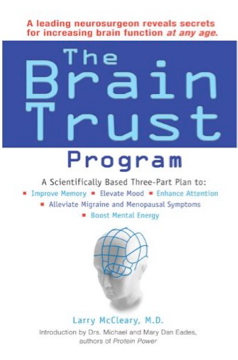
You'll be pleased to hear that Drs. Mike & Mary Dan Eades not only endorse this book, but they actually wrote the foreword to it. And I was also asked by Dr. McCleary to preview the book and provide a blurb quote included on the jacket of the book. COOL!
"It isn't difficult to find people who are suffering from a wide range of debilitating neurological conditions such as migraine headaches, Alzheimer's disease, brain cancer, and worse these days. But leave it to a brain surgeon to figure out many of these can actually be treated and even reversed metabolically through some rather simple changes in the diet. Dr. Larry McCleary has figured out that controlling the amount of insulin production by consuming a healthy low-carb diet is indeed the most 'brain-friendly' way you could possibly eat. The Brain Trust Program he has developed from his many years of experience challenges people to think about the long-term impact of the high-carb foods they are eating not just on their waistline, but also on that gray matter between their ears! This book is guaranteed to shake up the status quo and quite literally turn traditional brain treatment on its head!"
You must get your hands on a copy of Dr. McCleary's book because it is absolutely stunning information that neurosurgeons and patients alike need to be aware of to protect the health of their brains (this book will make a very nice complement to your low-carb library along with the upcoming Gary Taubes' masterpiece Good Calories, Bad Calories).
Are you ready to hear from Dr. Larry McCleary himself? Here he is!
1. Today we have a bona fide expert in the field of brain function and the surprising metabolic connection. He is Dr. Larry McCleary, a brain surgeon currently serving as the Director of Research for the Advanced Metabolic Research Group as well as the former acting Chief of Pediatric Neurosurgery and former Director of the Neuroscience Research Program at the famous Children’s Hospital in Denver, Colorado. A world-renowned speaker who has been published extensively in some of the most prestigious medical journals dedicated to brain health, Dr. McCleary is THE go-to man for all things related to the brain.
It's an honor to have you with us today, Dr. McCleary, and we look forward to gleaning from your knowledge and experience in this interview. What first got you interested in brain health and is it everything you expected it to be? What has been most surprising to you about this particular field of medicine that you never would have expected going into it?
Hi Jimmy. It's great to be with you today.
As a pediatric neurosurgeon I took care of thousands of very sick brains. They were suffering from blood clots, infections, birth problems, tumors and traumatic insults. I was always searching for things that could help these sick brains recover and stay healthy.
Early in my career, I had the pleasure of working with a neuroscientist who was investigating the therapeutic potential for certain nutrients to improve brain function. Hollywood types were always stopping by to hear about the latest brain health tips from Dr. Harry Demopoulis. I had the opportunity of experiencing the dramatic impact of some of these brain-healthy compounds first hand.
So when I moved to Denver Children's Hospital I continued the research. Working hand-in-hand with the Neuro-Rehab Division at the hospital, we provided the children under our care with a mix of essential fats, medium chain triglycerides, amino acids and other nutrients. We were convinced that these sped up brain recovery and enhanced mental function. The take-home message for me was if they could help the sickest of brains they could certainly help our brains as we aged.
2. Brain health entails more than most people even realize as you so brilliantly share in your brand new book entitled The Brain Trust Program. It is an outstanding resource that I was privileged to review and in it you share a three-part method for actually improving brain function through the use of diet, supplementation, and brain exercises. How does your novel new approach differ from the most common ways to correct brain abnormalities and conditions?
Jimmy, I think we have all heard that the brain burns glucose, or sugar. So if that's the case, then giving it lots of sugar must make it work better. Although that might seem logical, the science doesn't back it up. Just the opposite, there is a groundswell of medical evidence that documents how too much sugar can make the brain shrink, wither, atrophy and just plain work badly.
If you want to age your brain just eat the typical diet most Americans consume. That will lead to memory, attention and mood difficulties and will hasten the path to Alzheimer's. The Brain Trust Program builds upon this concept and provides the science behind the recommendations.
3. Many eyebrows will certainly be raised when people find out what a “brain-healthy diet” actually looks like. Foods like fish, berries, green leafy vegetables, eggs, avocados, nuts, seeds, and coffee—conspicuously all low-sugar and low-carb, by the way—are highly recommended by you for maximized brain function. It falls right in line with the latest research for neurological diseases.
Essentially, you are stating that the health of the brain is directly tied to blood sugar levels in the body—something that medical literature confirms. I’m sure some of your colleagues will no doubt scoff at your contention that a simple nutritional approach is what is needed to preserve this most vital of our organs.
What led you to go down this path for treating your patients? Have you seen similar or better improvements in brain health compared with prescription drugs and other treatment options?
As you well know, prescription drugs usually act on a single metabolic, or cellular, pathway. By increasing or decreasing a specific functions, drugs might be able to treat something like an under-active thyroid. However, all of the diseases associated with aging such as heart disease, arthritis, thinning of bones, memory loss and stroke are hardly changed by drug therapy. The key question is why.
As we have seen, drugs act on a single highly specialized pathway. The diseases that cause most concern today involve disruption to multiple cellular pathways. That is why the pharmaceutical industry has failed us. We need a solution that improves MANY cellular functions. This is the very act of eating well. It is also closely tied to our DNA and evolutionary history. Simply stated, that is why nutrition is so important and so beneficial.
4. There’s a lot of controversy right now being discussed over the role of artificial sweeteners in a healthy diet. In terms of their impact on the brain, what do you think about the most popular sugar substitutes being used these days, including Nutrasweet (aspartame), Sweet ‘N Low (saccharin), and Splenda (sucralose)? What about the claim that these substances are merely excitotoxins that fool the brain into thinking they are sugar and, thus, the body responds in the same manner as sugar?
How about the plant-based stevia which is set to be approved as a sweetener by the FDA soon? Is it safer? Or is it just better to eat pure cane sugar, honey, and other natural sources of sugar in moderation as some studies have suggested for good brain health rather than risking any adverse side effects from these alternatives?
Most of the artificial sweeteners share a dark chemical side with the drugs that are prescribed like water in this country. Both share the fact that they are chemicals to which the body has never been exposed. For this reason they may be patented. When this occurs only one manufacturer may produce them and the profit margin is high. That is what is driving both industries.
Since the body has never seen them before, they may cause problems in certain people. This has been documented abundantly in the drug and artificial sweetener arena. For these reasons I would stick to fruits (which contain natural sweeteners) and spices (which are akin to stevia). I think we all must realize that sweetness is an acquired taste and just as we have been conditioned by the food manufacturing industry to crave sweets, we can de-condition ourselves be choosing natural foods. In time we will lose the urge to eat foods containing such additives.
5. Nutritional supplementation has become a multi-billion dollar industry these days with people taking every vitamin they can get their hands on in an effort to improve their health and ward off disease. Drugstore shelves are full of everything from A to Z, but who knows what to take? And are there better quality supplements people need which are not easily found in stores?
What are the absolutely essential supplements that everyone should be taking to give their brain the best potential for maximum function? Are there any supplements or gimmick “brain health” products out there that should be avoided like the plague?
I think this is a very important question. We are a society looking for a "quick fix" or magic bullet. I think we all know that those don't exist. That is why proper nutrition is so important and remains the cornerstone of a healthy lifestyle. Once a good diet is in hand, there are a few nutritional supplements that can aid the aging brain. I discuss these in the Brain Trust Program. Basically they reinforce the effects of a healthy diet but add nutrients that are specific for the insults associated with aging.
There are a number of products that make egregious brain health claims. That alone should be a tipoff. Be careful to choose manufacturers who use quality ingredients, avoid sources that incorporate heavy metals and make sure they deliver what the label says.
6. A large part of your book includes some simple, but effective exercises for the brain. Why is this oft-neglected part of brain health so important and what are the benefits to setting aside time each day to do this? Can't people just read or do a crossword puzzle and work their brains enough? What happens to those people who fail to exercise their brain beyond their regular, day-to-day activities?
The brain goes through "phases" if you will as it develops. When we are children, we soak up information like sponges. Learning is effortless. Difficult things like picking up language skills come easily. As we age the brain "solidifies" and becomes less flexible. This is not bad because by this time we know what we need to do to function in society to be successful.
The down side is that we can get "fixed in our ways" and lose the ability to look at things in novel ways. That is why a mentally challenging outlook on life is vital. It keeps the cobwebs away and stimulates ALL the important areas of our brain. That is what keeps us mentally young.
For this reason we need to continually be stimulating our brains in novel ways. This means reading books, solving problems, social interactions, doing puzzles, and even exercising. Aerobic activities, weight training and balance and coordination drills such as ping-pong, jump rope and trampoline activity activate different brain regions and keep us mentally young.
7. Diabetes has become the health crisis of our time with millions of new cases popping up every year while its twin epidemic obesity continues to get worse and worse. We all know about Type 1 and Type 2 diabetes, but what about this new version some researchers are calling “Type 3 diabetes” which is the new way of referring to Alzheimer’s Disease because of the impact sugar has on this condition?
I've highlighted several published studies here at my blog showing various versions of a low-carb diet can effectively reverse the symptoms of this condition, including one study by Dr. Thomas Seyfried from Boston College in February 2007 using a high-fat, low-carb diet to actually shrink brain cancer tumors. What has been your experience with treating brain diseases like these through innovative dietary improvements compared with the recommended Standard American Diet?
Type 3 diabetes as you have referred to, was a phrase coined by researchers at Brown University. It suggests that the brain is unable to effectively use glucose as a fuel, much the same as the body of a diabetic can no longer use glucose as a fuel. The ability to deliver a low, stable and continuous supply of glucose to the brain is what makes it most happy.
The dramatic spikes, surges, or continuous excessive supply delivered by today's diet is toxic for the brain. It is now well-known that insulin resistance, glucose intolerance, or the worst form of sugar problem--diabetes, ages the brain and doubles the risk for all types of memory problems and even Alzheimers disease. As you have suggested, the types of fats and carbohydrates in our diets are key in accomplishing this goal.
We need to include more of the brain-friendly omega 3 fats and veggies and fruits (especially berries), and less of the refined carbohydrates such as cakes, cookies, and breads and trans fats in items like margarine.
8. Many of my readers who deal with less severe brain conditions like migraine headaches, menopause, hot flashes, dimming of the senses, brain fog, and memory loss will be pleased to learn that you actually recommend a specific “cocktail” for each of these in your book. Fascinating! Each of these contains all-natural and healthy ingredients that will supercharge your brain and make it better and stronger than ever.
Give us an example of your most prescribed “cocktail” for a common brain ailment. How quickly can people expect to find relief for their condition using these treatment options and will they need to keep up these regimens for the rest of their lives?
Many common conditions of the brain are directly related to its inability to produce the energy it needs to get through the day. Our brains are being asked to do more today than ever before. They consume energy 10x faster than the rest of the body. Our dietary and lifestyle choices impair the brain's ability to meet these energy needs which depend upon glucose.
The suggestions I make in The Brain Trust Program depend on an alternative energy source the body developed millions of years ago for times when the brain couldn't depend upon glucose. This alternative fuel is ketone bodies which are merely partially burned fats. They are burned differently than sugars and the brain loves them.
They have been shown to help a multitude of brain afflictions from memory loss to migraine headaches to hot flashes. They are generated in the body from a nutritional supplement called pure MCT (medium chain triglyceride) oil that is available from high end vitamin stores or on the internet. When consumed the results and response can be surprising and may be measured in days! Another easy way to produce ketone bodies is simply by restricting carbohydrate intake.
9. You are a big believer in the body’s use of the ketone bodies that form in a carb-restricted state for optimal brain health. What has your research on ketones shown you to make you so confident that they are an excellent replacement for glucose as fuel for the brain? What is your professional response to those who oppose a low-carb nutritional approach as an unhealthy, dangerous, fad diet that is potentially harmful and deadly over the long-term?
Fad diets come and go. The diet we cut our evolutionary teeth on is essentially a low-carb diet that generates high levels of ketone bodies. You need look no further than the brains of children with intractable seizures to see how miraculous ketones are for brain health and function. They work where all drugs fail by increasing the energy available for the nerve cells and keeping them from becoming over-excited which is after all what causes seizures to develop in the first place.
10. THANK YOU for sharing a few moments of your time with us today here at the “Livin’ La Vida Low-Carb” blog, Dr. McCleary. You truly are one of the leading voices in the health debate over the veracity of low-carb diets for health and the information you have provided about brain health and function in your new book and in this interview today is absolutely incredible. What is the ultimate take-home message that you hope people will remember (no pun intended!) about The Brain Trust Program?
We all age and our brains age--but at different rates. As this occurs, there is a period when the brain cells weaken, but before they die. This is when we have symptoms, but also when we can make a difference. If we change our diets, lifestyles and level of brain stimulation we can "nurse" a sick brain cell back to health. But the sooner you start, the better the outcome! So don't wait...jump start your brain now before it is too late!


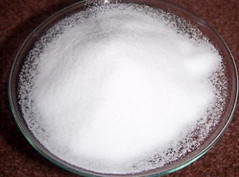

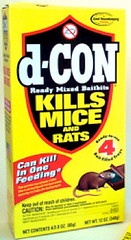
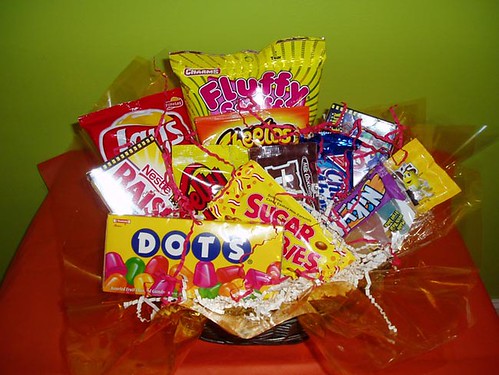
 .)
.)