|
PLEASE UPDATE YOUR BOOKMARKS TO LIVINLAVIDALOWCARB.COM/BLOG
The Sudden Switch From Sucrose To Fructose Made Us Fat And Sick
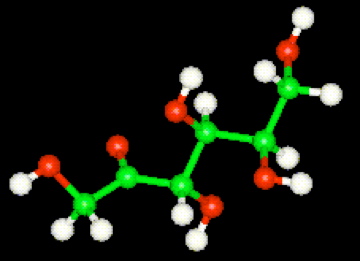 Fructose looks innocent enough, but just how harmful is it? We all know that consuming sugar can be detrimental to your weight loss plans, especially if you are livin' la vida low-carb. The overconsumption of sugar is arguably one of the most ignored causes of obesity, diabetes, and other health ailments in the world today. But why has sugar become such a major part of our society unlike in past generations. It all goes back to around the time my generation was born in the early 1970s when manufacturers decided to stop using sucrose, aka table sugar, as the primary sweetening agent found in most soft drinks at the time and switch it over to fructose, a form of sugar extracted from fruit, instead. Sounds innocent enough, doesn't it? But not so fast. Prior to switch from sucrose to fructose in the 1970s, the average American consumed about 1/2 pound of fructose, mostly in the form of high fructose corn syrup (HFCS), annually. In 1997, wanna know how much fructose people in the United States were eating? Hold on to your hat because this is a SHOCKER--60 POUNDS A YEAR!!! The part that really stinks to high heaven is the fact that HFCS is in EVERYTHING nowadays. It's almost impossible to pick up very many foods at all in your local grocery store without coming across this health menace. That's one of the major concerns science journalist Michael Pollan shared in his outstanding book The Omnivore's Dilemma.  A fructose molecule gives a skeletal view of this dangerous sugar You may be wondering what's so bad about fructose compared with sucrose. There are several metabolic issues at work that should shed some light on this: - Fructose needs the liver to break it downThe process of metabolizing fructose uses up lots of energy molecules called Adenosine triphosphate, or ATP. When this happens, the body reacts by feeling really tired and repeating this strain on the liver has been found to cause fatty liver disease and could lead to metabolic syndrome. Additionally, the more fructose that is in your system, the greater risk you are putting the protein in your body. And that's not a good thing at all! - Fructose needs sucrose to be absorbed properlyThe abundance of fructose combined with the lack of sucrose in the modern diet means most people are putting a strain on their lower intestine to digest the fructose. This causes pain gas and abdominal issues, including bloating and diarrhea. - Fructose doesn't just add calories, it's harmful on its ownWhile most of the so-called health "experts" talk about sugary sodas as merely "empty calories," the fact is the fructose in them is what causes the most problems in the weight and health of those who consume it. This is a scary thought for me personally because I used to consume the equivalent of 16-20 cans of Coca-Cola on a daily basis before I started livin' la vida low-carb. That's about 45g sugar, all in the form of high fructose corn syrup, per can. So I was guzzling down--BRACE YOURSELF--upwards of 900 grams of sugar (much of which is fructose) just in my soda consumption before the Atkins diet. And we won't even talk about the HFCS that was in all those snack cakes I used to eat, too! EEEEEEK! I thank the good Lord above that I didn't do major damage to my body putting my body through fructose shock treatment because the negative side effects of this sugar are difficult to ignore despite the spin Audrae Erickson from the Corn Refiner's Association attempted to use in defense of HFCS. She claimed that it is merely a natural product that everyone should be eating as part of their healthy diet. Yeah right! Just wait until you see what this stuff does to your body and see if you buy into that lie. Studies have already shown that fructose speeds up the process of becoming obese, but it gets even worse than that! Fructose is KNOWN to raise your triglycerides which also leads to obesity and metabolic syndrome. Uric acid is raised in the body and the risk of getting gout increases leading to inflammation of the arteries which rapidly begins clogging your arteries (see, it's not the fat you consume, but the SUGAR in the form of fructose that leads to cardiovascular problems). Many people also have fructose intolerance, similar to lactose intolerance with milk-based products, that causes their body to experience severe cramping, gas, stomach pain, indigestion, and worse. If you thought eating maltitol was bad, then you ain't seen nothing until you have experienced an intolerance to fructose! In light of my horrendous consumption of 900+ grams of fructose just from sodas before 2004, you might think you can get away with a lot less of that with no ill effects. But you would be wrong. The fact is all you need is as little as 60g fructose commonly found in ONE large soft drink from McDonald's or Super Big Gulp from 7-11 and the potential damage to your liver and the accumulation of body fat will commence. Is there any wonder how my weight ever got to be over 400 pounds now? The scary part about fructose is that it is not just in sugary soda. Most people get hundreds of grams MORE of this stuff in their body when they eat foods like bread, cookies, cake, ketchup (yep, HFCS is in it, too!), snack cakes, and even fruit. You'll notice all of those foods just happen to be HIGH-CARB, too, so it's yet another reason why you should be livin' la vida low-carb. ;) But even those of us on the low-carb lifestyle should be mindful of the fructose that is put in barbecue sauce and other grilling condiments because of something known as advanced glycoslated end products, or AGEs. This one should be easy to remember because AGEs lead to an advancement in aging. We already know a high-carb/high-sugar diet leads to age-related macular degeneration and a whole host of other health ailments, but this one should make you pay close attention. AGEs are created when a chemical reaction happens when proteins are heated in combination with fructose sugars. Toasting or grilling leads to a process known as cartelization where the protein reacts to the fructose it comes in contact with to cause stiffening of the arteries and an increase in blood pressure. The AGEs also damage your kidneyes, eyes, and essential organs. Our bodies will absorb 10 percent of the AGEs we consume--enough to cause some serious damage if you are not careful. Try to avoid using sugary sauces when cooking meats, but also keep in mind that a lot of grilled meats have sugar injected into them. That's why getting the best quality of grass-fed, organic beef, for example, is going to be the healthiest for your low-carb lifestyle. Just because it tastes good doesn't necessarily mean it's good for you. Most egregious of all regarding fructose that comes from HFCS is that fact that the corn has been genetically modified (GMO). These GMO crops are a huge question mark as it relates to your health. There are absolutely ZERO long-term studies on the safety of consuming ANYTHING with GMO in them and God only knows what this is doing to our body. Yep, we're one big human experiment for the corn producers as they make out pretty good on this. The highly-refined process of creating HFCS makes this potentially hazardous substance that much worse. YIKES! Hopefully now you understand a little better why our modern-day society is so full of fat people who are sicker than they've ever been before. It's no coincidence people! The next time you are at the grocery store, just pick up anything off the shelves in the middle aisles and you'll see that arch nemesis of weight control and health known as fructose in just about EVERYTHING! Be smart, make better choices, and refuse to allow this stuff inside your body. You'll be glad you did. Labels: diet, fructose, HFCS, high fructose corn syrup, low-carb, soda, sucrose, sugar
Study Hopes To Prove Iron Deficiency Cured By Having A Coke And A Smile
 Is it possible that drinking a Coke with pizza cures anemia? The lines between good, meaningful nutritional research and propaganda financed by certain economic and business interests keeps getting muddied by so-called scientific studies like this one that hope to prove Coca-Cola can serve as a healthy dietary supplement for people who have iron deficiency. This is NOT a joke! Lead researcher Sue Fairweather-Tait, professor in the School of Medicine, Health Policy & Practice at the Norwich, England-based University of East Anglia (UEA), is recruiting 16 female volunteers to consume a pizza and a Coca-Cola so they can analyze what impact that will have on their iron levels. Iron deficiency leads to anemia when the red blood cells are lacking this key mineral. When the Coca-Cola company caught wind of this proposed study, predictably they quickly ponied up the money to fund it. Well I wonder what THEIR interest could be in this study? Can you say marketing? Drink Coke for your health, they'll say. Oh brother! More about this in a moment. Fairweather-Tait wanted to see if drinking a Coke helps the body to absorb more of the iron from the foods consumed. Since pizza is a popular food item, especially among the young women involved in the study, the researchers will have them eat a cheese and tomato pizza (no meat since that is metabolized differently) and wash it down with either a regular Coca-Cola, Diet Coke, or mineral water to see which beverage will be most effective in helping the body take in the iron from the food. The idea for this suspicious study didn't just come out of thin air, though. It turns out Fairweather-Tait met with a former Coke CEO who put a bug in he ear about it. Oh really?! Just talking small talk about the weather, politics, and oh, by the way, did you hear drinking Coke helps with iron deficiency...PUHLEEZ!!! Preliminary tests found that iron absorption was "pretty high" when a meal is complemented with a regular Coca-Cola. The researchers are excited to see if the same results bear out in their study. "The volunteers come in and eat the pizza and have one of the drinks, then do the same the next day and we measure the iron level in the blood to see what affect the drink has," Fairweather-Tait explained. "Then we send them away and they come back a couple of weeks later and do it again."What is the goal of the study from The Coca-Cola Company's perspective? If the findings hold true, then they can promote the heck out of their product being an inexpensive way to treat anemia brought on by iron deficiency--potentially a "huge boost" for the company at a time when they are under fire for contributing to the obesity epidemic. Interestingly, Fairweather-Tait and Coca-Cola claim the results of the study, which should be released sometime near March 2008, will be published regardless of the results. How noble of them since it's probably already a foregone conclusion what they will find! Ridiculous propagandist research for the sake of the Almighty Dollar! While I appreciate what Coke is doing trying to get stevia approved by the FDA as a sweetener, it is pure madness for them to pretend that their regular high fructose corn syrup-infested soft drinks are healthy for people to consume, iron deficiency or not. They've tried to make similar kinds of health claims before and nobody bought into it before. The Coca-Cola Company has been bending over backwards over this past year trying to position themselves as a maker of products that are a part of a healthy lifestyle. We've seen it with their Enviga energy drink and most recently with Diet Coke Plus. While those are noble attempts to offer consumers better options, this new study they are funding is grasping at straws in a fit of desperation to lift the cloud of scorn that has been hanging over them because of the extremely high sugar content of their regular sodas. Regardless of what this study finds, the stigma is still gonna stick! Perhaps Coke should keep looking at ways to REDUCE or ELIMINATE the HFCS altogether from their product if they truly care about the health of their customers. Something to think about! You can e-mail Sue Fairweather-Tait about her study at s.fairweather-tait@uea.ac.uk. Labels: anemia, Coca-Cola, Coke, deficiency, healthy, HFCS, iron, pizza, research, study, Sue Fairweather-Tait, UEA
Why Does Viactiv Calcium Contain Sugar?
 This supposedly healthy supplement wallops you with excess sugar I enjoy participating in product surveys and personal evaluations of the latest products because I feel like it gives me the ability in some small way to influence what actually comes to the marketplace. While I am the first to admit that I'm not your "normal" person when it comes to evaluating most food and health products because I am livin' la vida low-carb, it most certainly gives me great pleasure to represent those of us who are attempting to live a healthier lifestyle. Recently I was asked a series of questions about whether I took vitamin supplements or not. HA! Ya think! Of course, as many of you know I take a big handful of pills daily (no prescription drugs, mind you, just supplements!) ranging from a multivitamin to calcium, Co-Q 10 to fiber, fish oil tablets to chromium picolinate and much more! Yes, I LOVE my supplements and wouldn't think of living another day of life without them. Even if they're as useless to me as a placebo, the fact of the matter is they make ME feel better about my health. And that's all that matters. When the survey company realized I qualified for their survey about supplementation, they asked me if I would be interested in giving them feedback about a specific product that they would mail for me to try-- VIACTIV! Was this some kind of joke? I had never thought much about this particular supplement because it has a slogan that states "Active Nutrition for Women by Women." Ooooookay, since I'm not a woman, why would I take this supplement? Perhaps that was the purpose of having a male survey participant taking this product to see if they can branch off into the other half of the market to increase their portion of the revenue pie so to speak. Fair enough and I was happy to give them my HONEST feedback. They ALWAYS get that! So the package arrives in the mail this week and they ask me to stop taking any multivitamins, Vitamin K, Vitamin D, and Calcium supplements immediately and replace it with up to 3 of the Viactiv Calcium Milk Chocolate Soft Chews daily instead. The allure of this product is that you can enjoy a delicious way to get your calcium without the "big chalky pills" that are generally associated with calcium supplements. There's no doubt in my mind that getting adequate amounts of calcium is important for anyone and everyone living a healthy lifestyle. Some people can get enough of it in their diet, but others of us choose to bump that level up with calcium carbonate supplements. So why not do it using a tasty chocolate soft chew, right? Sounds logical enough. Well, there was just one problem with the Viactiv: the list of ingredients! As I do with ANYTHING I put inside my mouth these days, I turned to the nutritional label on this "healthy supplement" product to see what I would be ingesting. I immediately got completely bug-eyed at what I saw and decided right then and there that there was no way on God's green Earth I would be taking these Viactiv chews for my calcium intake. Why? Read my response to the survey people today: "The first ingredient is corn syrup.
The second ingredient is high-fructose corn syrup.
The fourth ingredient is sugar.
Three out of the first four ingredients are what I consider poison for my body. I am not diabetic, but I am on a healthy lifestyle change where I avoid sugar and corn syrup to keep my body weight low and my blood sugar regulated."That's right, this health supplement is LOADED with sugar, corn syrup and high-fructose corn syrup! EEEEK! Why don't they just tell people to grind up their calcium pills and melt them in the microwave on top of a Snickers bar instead?! It would be just as healthy for them as these soft chews and they'd still get their calcium by golly. Sheeez! You know, these are the kind of products that make me just wanna hurl when I see them because they fool people into thinking they are doing something GOOD for their bodies because after all "it has calcium in it so you are helping your bones" or they market it as "for those people who care about their health." GAG ME! When the product has as much sugar in it as Viactiv Calcium Milk Chocolate Soft Chews do, then it is anything BUT healthy in my book. Being the helpful person that I am, I suggested to the survey people that the makers of Viactiv need to consider an alternative to their product that DOESN'T contain sugar. Hmmm, that's a thought! "Perhaps Viactiv would consider making a sugar-free version of their soft chew vitamins made with sucralose, acesulfame potassium, erithyritol, and/or oligofructose instead of sugar and corn syrup. Just avoid using the sugar alcohol maltitol because it can cause an unpleasant laxative effect.
I'm sorry I could not participate in the survey, but the thought of eating all that sugar was quite repulsive to me. Come up with a sugar-free version and I'm ALL OVER IT! :) THANKS!"Wanna know what's ironic about all of this? Guess who the parent company for Viactiv is? It's McNeil Nutritionals! Does that company ring a bell with anyone? Come on, think hard. Okay, I'll let you off the hook because you won't believe this when I tell you. McNeil Nutritionals is the same company that makes, markets, and manufactures the most famous artificial sweetener available today--can you believe it's SPLENDA?! Isn't this so ironic that the same company behind Splenda feels the need to load up their "healthy" vitamin supplement product with sugar, corn syrup, and high-fructose corn syrup?! UGH! What's wrong with this picture?! Get a clue, McNeil Nutritionals! Start making Viactiv with a Splenda/ACE-K blend and I betcha it'll taste just as good. But even better than that is it will be much healthier for people who are livin' la vida low-carb and diabetic, too! Don't you wonder sometimes whether these big companies think at all? Why don't we express our concerns and make our suggestions about Viactiv directly to McNeil Nutritionals by using their contact page. Let them hear from YOU! :) Labels: calcium, corn syrup, HFCS, low-carb, McNeil Nutritionals, Splenda, sugar, sugar-free, supplements, Viactiv
Do People Really Know What They Are Eating?
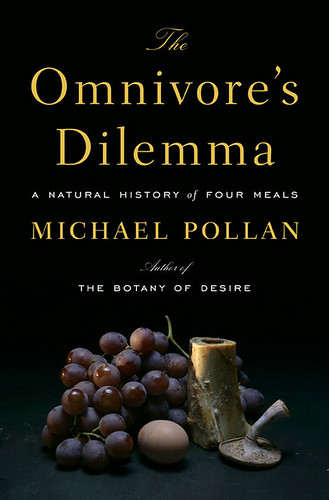  This could very well be the signature book on nutrition in our lifetime We Americans are a strange lot. While we are anal about micromanaging so many of the minute details in our lives--from our finances to our family vacations and even our work-your-fingers-to-the-bone jobs--that peculiar sense of sensibility is thrown completely out the window when it comes to our diet and health. How many of us hurriedly zoom into the popular fast food chains to grab a quick bite to eat and oftentimes make that car seat and steering wheel our breakfast, lunch or dinner table? It's almost become a prerequisite for juggling your life in modern times with balancing your job, your family, and everything that happens in between. It also is likely the underlying component in the current obesity crisis we are faced with in the United States of America today. But let's get back to our diet and health for a moment. Do people really know what they are eating from the foods they buy at the grocery store, in a fast food restaurant, and even from supposedly "healthy" organic food stores? Why are we so trusting as a society that the dinner we have prepared for our family is even remotely good for us? What's in that boxed, canned or bagged food anyway? These are just a few of the root questions that UC Berkeley-based investigative journalist and bestselling author Michael Pollan explores in his trailblazing book which took five years to write called The Omnivore's Dilemma: A Natural History of Four Meals. I've had this book for several months and it has taken me this long to absorb the deeply profound message it has to offer. Reading this book will change you and hopefully shake you back into reality about what you choose to put inside of you. Let me warn you ahead of time, if you aren't prepared to hear the unbridled truth about what you are stuffing your face with on a daily basis, then don't read this eye-opening 320-page book. It'll freak you out so much you may not eat something bought in a store for days, weeks...maybe ever again! But with knowledge comes power--the power to make better choices for yourself so you can not only survive, but be healthy and free from disease and weight problems for many years to come. Pollan takes readers on a whimsical adventure surrounding four meals: 1. A typical trip to the McDonalds drive-thru 2. An "industrial organic" meal from Whole Foods 3. A small-farm organic meal 4. A wild boar feast that he hunted himself (aka "The Perfect Meal") More than anything else, Pollan wants people to realize the downward spiral that has happened in the agriculture industry in recent years. Farming has become big business for some while that dying breed of independent farmers are saddened by the trend to hurry along the process of doing it the right way. These local farmers are heroes who should be rewarded with the business of the people they grow food for in their local communities. Do you even know where to buy from local farmers? We also learn from this book how our government and food industry leaders, specifically those who work closely with the government agency the U.S. Department of Agriculture, have become corrupted by the special interests they are trying to protect. The light is shined brightly on these people forcing them to give an account for their actions. This is why so many of us no longer trust the USDA or the FDA to look out for our best health interests anymore. One prominent example of the corruption revealed in The Omnivore's Dilemma is the corn industry. Pollan says corn is showing up in just about every food we eat nowadays and it's almost impossible to avoid. From extensive use in fattening cows, producing corn oil for frying, the ever-present existence of high fructose corn syrup (HFCS) in too places you wouldn't ever expect to find it (toothpaste!), and so much more. If people read this book and keep eating the way they always have, then they're either blind or one fry short of a Happy Meal (don't ask about how much corn is in that)! Did you know the average meal people consume has to travel about 1,500 miles before it reaches your mouth? Where does it all come from and are these places open to the public? Or do we really want to know what we are eating and what it goes through before it hits our dinner table? Food isn't just food anymore. Pollan calls it "industrial food"--food that has been so overly processed, refined, and infused with God knows what that it would be completely unrecognizable to our great-great-great grandparents if they were still around today. That's scary to think we are only a few generations away from the diet we were intended to eat. Now the standard fare is, "Would you like fries with that?" Another big subject in The Omnivore's Dilemma is oil. Pollan says the overuse of fossil fuels to produce the foods we eat is taking its toll on our environment. Did you know 20 percent of our fossil fuels go into making the foods we eat? Sooner or later, this is going to catch up to us. The thing I enjoyed the most about Pollan's account of the food we eat is that he just makes so much sense. In a culture dominated and monopolized by the low-fat, high-carb diet propaganda that has basically been free to roam freely as the gospel truth in terms of diet and health for decades, he simply puts the facts out there for people to evaluate for themselves. From shunning margarine in favor of the healthier butter to reading food labels carefully enough to avoid the presence of HFCS, the truth is there to be embraced and to change us from our addiction to "cheap food" loaded with too much sugar and excess carbs that is marketed to us as convenient. This subject of so-called "convenience" is a sore spot with Pollan, too. Why do we need to avoid being inconvenienced and save time as the television commercials from the food companies are constantly barraging us with? There's plenty of time to make a healthy, delicious and nutritious meal for our families without the stereotypical stress that people seem to associate with cooking. Make the process of creating a meal an experience that is as much a part of the enjoyment as eating it is and your perspective about cooking food will change. We need to get more people back in the kitchen again rather than settling for Mickey D's or the pizza delivery guy to serve us dinner! Unfortunately, the delayed-reaction price we must now pay for all that high-carb junk food convenience we have become accustomed to is coming due as obesity-related illnesses are mounting and Americans continue to get fatter and fatter. Pollan encourages us all to get back to eating healthy whole foods again and to stop trying to make our eating habits all about convenience. Instead, how about paying a visit to your local farmer's market and taste what real food is supposed to be like, especially when it is in season. You'll not only taste the difference, but you'll feel better knowling exactly what you are eating. And that's a very good way to overcome The Omnivore's Dilemma! Labels: carbs, cooking, corn, diet, fast food, food, health, healthy, HFCS, junk food, Michael Pollan, obesity, organic, The Omnivore's Dilemma, USDA
Study: Sugar Increases Pancreatic Cancer Risk
In just the past two weeks, we have learned from scientists that it can lead to cancer in the kidneys and also in the esophagus. But now there is new evidence from Swedish researchers that a diet high in the refined carbohydrate sugar can actually bring about an elevated risk in the development of pancreatic cancer as well. Pancreatic cancer currently accounts for 2 percent of all new cancer cases and 6 percent of deaths from cancer annually. The development of pancreatic cancer results from the release of high levels of insulin when glucose metabolism is disturbed. One of the most common reasons for this is the introduction of excessive sugar in the body. Researchers have only now realized for the first time that there is a connection between sugar intake and the development of pancreatic cancer. Lead researcher Susanna C. Larsson from The Department of Environmental Medicine at the Swedish-based Karolinska Institute and her research team observed data from 77,797 men and women ages 45 to 83 from 1997 through 2005 to see what impact sugar from soft drinks (mostly high fructose corn syrup) and other sources had on their risk of developing cancer in the pancreas. This study gathered information from two large population-based studies--the Swedish Mammography Cohort and the Cohort Of Swedish Men. The study participants answered a 96-question food-frequency and lifestyle survey for the researchers to come up with the data used to analyze the correlation between sugar consumption and cancer of the pancreas. By the end of the study, the researcher found that there were a total of 131 cases of pancreatic cancer that they say can be traced directly to the "consumption of added sugar, soft drinks, and sweetened fruit soups or stewed fruit." For those in the study who consumed five or more servings of added sugar daily, there was a 90 percent (nearly DOUBLE!) increase in their risk of developing pancreatic cancer. Even more startling is the fact that it only took two servings of sugary sodas daily to bring about this higher risk. "Consumption of sugar-sweetened soft drinks, which contain large amounts of rapidly absorbable sugars, induces a rapid and dramatic increase in both blood glucose and insulin concentrations," they wrote.As for the coffee and tea drinkers who add sugar to their favorite beverage at least five servings per day, the risk jumped 70 percent. Keep in mind the study considered a serving of sugar as one teaspoon or lump although many people often use much more than that in their beverages. Other sources of sugar intake from fruit soups and stewed fruits with extra sugar increased the risk of pancreatic cancer by 50 percent. The American equivalent of these foods include any canned fruit packed in heavy syrup or other frequently consumed food products with high amounts of added sugars. "The researchers have now been able to show that the risk of developing pancreatic cancer is related to the amount of sugar in the diet," the report showed.The results of this study appear in the November 2006 issue of The American Journal of Clinical Nutrition. What about this survey connecting a high-carb, high-sugar diet with pancreatic cancer? We have already seen evidence that sugar leads to heart disease, obesity, addiction, and many other physical and mental ailments. Now we can add cancer to the mix. What more proof is it going to take before we consider sugar the real health threat that it is? This is why I have described sugar as "rat poison" from day one of my low-carb lifestyle because it can quite literally make you sick and even kill you. Anyone who thinks that sugar can be part of a healthy lifestyle should begin to question the logic of that kind of thinking. That conclusion certainly doesn't make any sense in light of the latest scientific evidence. Larsson stated that pancreatic cancer could possibly be avoided with a few minor changes in the diet. "It is perhaps the most serious form of cancer, with very poor prognoses for its victims," Larsson explained. "Since it's difficult to treat and is often discovered too late, it's particularly important that we learn to prevent it."Somebody tell me what the difference is between cigarettes and sugar? Both are highly addictive and lead to various forms of illness, including cancer. They are easily available for purchase by the consumer and many people use them. But there's one distinction--cigarettes have been given a stigma by those who have lobbied to warn people about the dangers of smoking them. In fact, that warning is placed right there on every single pack of cigarettes sold in the United States. What about sugar? Not that I'm advocating warning labels, but where are the public service announcements, the real-life stories of those who have been negatively impacted by consuming sugar, the outcry from the public? It's nonexistent because people have not been given the information about what sugar can do to them. Even with studies like this one today linking sugar consumption to pancreatic cancer, most people will just shrug their shoulders and go on about their lives eating a honeybun and a Super Big Gulp full of sugary soda without thinking twice about it. Have people gone insane? The researchers said it as clearly as they possibly could that there is too much evidence pointing in the direction of a progression of illnesses, specifically those conditions present in the ever-growing population of people with metabolic syndrome, caused by eating and drinking too much sugar which then leads to the increased risk of pancreatic cancer. "Evidence is mounting that abnormal glucose metabolism and hyperinsulinemia may be involved in the development of pancreatic cancer," they wrote. "Conditions such as diabetes mellitus, a high body mass index (BMI, in kg/m2), and physical inactivity, all hallmarks of insulin resistance, have been directly related to the risk of this malignancy."While the incidence of pancreatic cancer is still miniscule, Lasson reminds people that it is "important to learn more about the risk factors behind the disease" to best prevent it from happening in the first place. Will the world take heed to that warning or will more people need to die before we take it seriously? Sugar is very bad news for anyone attempting to live a long and healthy life, but nobody seems to care. We go on about our lives as if there are no consequences to poor decision-making regarding our health and then we wonder what went wrong when we are afflicted with a devastating and deadly calamity like cancer. What's it gonna take to wake people up from their intellectual hibernation?! You can e-mail Susanna C. Larsson about her study at Susanna.Larsson@ki.se. Labels: American Journal of Clinical Nutrition, cancer, carbs, diet, healthy, HFCS, insulin, low-carb, pancreas, research, soft drinks, study, sugar, Susanna Larsson, Sweden
HFCS Not 'Mischaracterized,' But Nailed
 Why does Audrae Erickson claim HFCS is good for you? Guess who's unhappy with what I'm writing about sugar and its unhealthy subsidiary product high fructose corn syrup (HFCS) at this blog? It's none other than the President of the Corn Refiners Association named Audrae Erickson. In a terse response to my article entitled "Diet Soda Study Results Are Absolutely Preposterous," Erickson claims that I "mischaracterized" HFCS as a "unique contributor to obesity." I had previously mentioned HFCS by name in only one other article I wrote at this blog. However, since Erickson has chosen to address the subject of HFCS, let's take a closer look at this villain to your health and waistline. Erickson describes HFCS as "a natural, home-grown sweetener from U.S. corn fields." Is that glowing, sentimental description of HFCS supposed to make people forget about how harmful it is for them to consume it? Sugar is sugar no matter what you call it. And HFCS is a potent sugar that is literally catastrophic to anyone who is trying to lose or maintain their weight. Why would anyone suggest otherwise? Erickson asserted that scientific experts have found that HFCS is "not a unique contributor to obesity." But there are plenty of other studies that have found just the opposite to be true. I invite you to visit my friend Regina Wilshire's blog to get further educated about these new research findings. She'll be happy to share with you the very clear link that has been found between sugar in the form of HFCS and obesity. But Erickson shocked me the most when she actually had the gall to claim that HFCS "has been proven beneficial to consumers through its use in many foods and beverages, including several products that are specifically made for people trying to control their weight." Are you kidding me? Is Erickson actually suggesting that HFCS is good for you? The mere fact that it is found in foods and beverages does not necessarily mean it is not going to have an effect on your weight and health. That's like saying the alcohol found in beer is good for your because it is so prevalent in adult beverages. Just because it's in there doesn't mean you body needs it. As for HFCS being included in products made for people trying to control their weight, that's not surprising since low-fat foods are generally loaded with sugar and/or HFCS. While this sweetener may not have any fat, HFCS is certainly not healthy. Anyone following a low-carb lifestyle knows to avoid this hidden sugar at all costs because it is nothing more than pure, unadulterated sugar! Characterizing HFCS as "safe," Erickson said it's just as good as table sugar and honey. Is that supposed to make HFCS look better?! My contention is that those sugars are not good for you either! Sugar in ANY form can cause you to rapidly gain weight in excessive amounts. But HFCS is a lot different than plain sugar. Actually, it is a highly refined, artificially-made product that transforms cornstarch into a sweet, thick and clear liquid that is sweeter than sugar and prevents the body from burning stored fat. Yikes! Not good when you are livin' la vida low-carb! HFCS replaced sugar during the 1970's because it is cheaper to produce and the obesity problem has gotten progressively worse ever since. Americans consume more than 63 pounds each of HFCS annually today compared with just a half pound in 1970. Fifty-five percent of sweeteners used today are made from corn. So the next time someone heralds the healthiness of HFCS, just remember it is a dangerous sugar that should be avoided if we are ever going to get this obesity problem under control. But we're glad to see the big boys are watching, though! 06/20/2005 UPDATE: I got the following e-mail from one of my faithful readers today in response to this article. Hi Jimmy,
I just read your blog posting regarding Audrea Erickson's reply to your previous posting about HFCS. I nearly choked when she stated that it's "a natural, home-grown sweetener from U.S. corn fields." Natural?!! Far from it, considering the processing that HFCS goes through when manufactured. Here are some links regarding HFCS, one about the manufacturing process and the other about the effects that it has on heath:
http://www.westonaprice.org/motherlinda/cornsyrup.html
http://www.westonaprice.org/modernfood/highfructose.html
I quit eating sugar about 1 ½ years ago when I realized that Type II diabetes runs in my mom's side of the family after my mom was diagnosed with it. Fortunately, she had a doctor that advocated a low-carb diet for her to control it (which she has, and has lost about 30 lbs, too.) While I do not follow a particular low carb diet since I do not need to loose weight (I avoid sugar, grains and starchy foods and eat primarily meat, veggies, nuts and some fruits and dairy such as cheese), I have lost 10 lbs, gained a ton of energy (for years I complained to my doctor about fatigue and she want to put me on anti-depressants even though I knew I wasn't depressed) and most wonderful of all, my Irritable Bowel Syndrome which had plagued me for over 20 years literally disappeared overnight when I quit eating grains. My resolve to stick with this way of life is always strengthened when I read about people such as yourself, who have literally transformed their lives with a LC lifestyle. And I really do appreciate your dedication to tearing down the myths and fighting all the misconceptions out there regarding what Living La Vida Low-Carb is all about. Keep up the good fight!THANK YOU SO MUCH for your encouraging words and for sharing your story of success with me today. You really made my day! Labels: Audrae Erickson, corn syrup, diet soda, fat, healthy, HFCS, high fructose corn syrup, low-carb, obesity, sugar, sweetener
|


