|
PLEASE UPDATE YOUR BOOKMARKS TO LIVINLAVIDALOWCARB.COM/BLOG
Would You Eat A Reduced-Sugar, Low-Carb Watermelon?
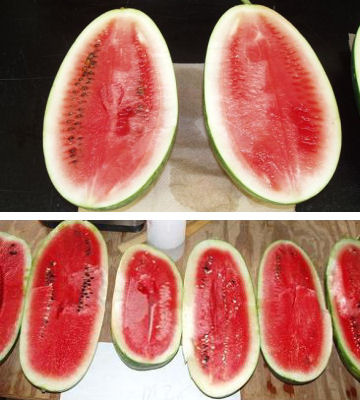 These watermelons may look normal, but they have about half the sugar These watermelons may look normal, but they have about half the sugarLeave it to modern-day technology in research labs to come up with some creative ways to make the foods we eat even healthier. We saw an attempt earlier this year at this concept when scientists figured out a way to produce natural low-fat milk straight from the cow (although that wasn't very healthy, IMHO!). But now there's something low-carbers and diabetics alike should cheer: a low-sugar watermelon (my low-carb blogging friend Robin from "Limenade And Watermelon" will be thrilled)! Yep, have you heard about this yet? This Science News story details what researchers have come up with as the perfect replacement for this higher-sugar member of the melon family. You'll recall I addressed this in Episode 2 of my "Livin' La Vida Low-Carb on YouTube" video when my wife asked if watermelon was appropriate for someone on low-carb. While it's not too terribly high in carbs, watermelon is a little higher than you would prefer for those in the early stages of the Atkins low-carb diet where you restrict your intake to around 20g daily. At about 11g net carbs for a cup of watermelon, that usually makes this fruit off limits for people trying to lose weight the low-carb way. But now a research geneticist named Angela R. Davis from the USDA's Lane, Oklahoma-based Agricultural Research Service gives hope that this plump, juicy summertime favorite can be back on the menu again for those of us leading a lower-sugar, low-carb lifestyle! They have been working on this for years and wanted it to be perfect before releasing the technology to seed companies to replicate the results for consumer production. Early experiments resulted in white and even yellow flesh for the watermelon--not exactly the most appetizing way to eat watermelon (kinda like the green ketchup from Heinz was for me a few years back--EWWWW!). "The project took a lot longer than we expected," Davis remarked. "Because there's a correlation between color and sugar content."Finally they found a way to make the flesh turn pink while virtually cutting the sugar in half! So, instead of 11g net carbs for a cup of watermelon, how about 5g instead? WOO HOO! The lighter the red in the watermelon, the lower the sugar content. And thus is born a low-carb, reduced-sugar watermelon thanks to science. Details about these new genetically altered low-sugar watermelons will be published in the journal HortScience before the end of the year. I bet you're wondering how they taste (yeah, me too!). Well, Davis says that will be the primary issue for people who switch from regular watermelon to this one. But for those of us who already eschew sugar in our diet to manage our weight and/or diabetes, it'll probably taste pretty good. I liken it to switching from regular soda to diet soda. The transition takes some getting used to, but it happens. Just as the soda companies use artificial sweeteners to replace the sugar in their products, so too will those sweeteners come in handy for people choosing to eat this lower-sugar watermelon. I, of course, would recommend either Splenda or stevia if you feel like you need to use a sweetener at all. Davis said they ran taste tests among teenagers and adults with diabetes and the low-sugar, artificially-sweetened (with Splenda!) watermelons actually BEAT the regular watermelon among those surveyed. WOW! There may be hope for us yet with those kind of results! "Overall, there was a significant preference for the artificially sweetened watermelons compared with the conventional watermelons," the researchers concluded.What's so healthy about eating watermelon, you ask? In a word--LYCOPENE! Yes, you can find this awesome nutrient in tomatoes (which gives it that rich, red color!) and it is a powerful antioxidant responsible for destroying free radicals which can wreak havoc on your health. You'll be pleased to know that these reduced-sugar watermelons retain their high lycopene content! "A low-sugar watermelon is a palatable fruit choice to individuals who must restrict sugar or total carbohydrate intake--with the added benefits of lycopene," the researchers added.These new reduced-sugar watermelons will look like a typical 10-12 pound watermelon when they do become available in stores--no specific date as of yet. We'll let you know when they're available and will try to blog about how they taste when we get our hands on them. I would think an ice-cold low-sugar watermelon should be ready for consumption by the time the dog days of summer hit in 2008. I can't wait! You can e-mail Angela Davis to thank her for her research into making watermelons lower in sugar for those of us on carb-restricted diets for weight and diabetes control at adavis-usda@lane-ag.org. Labels: Agricultural Research Service, Angela Davis, artificial sweeteners, carbs, diabetic, diet, fruit, low-carb, reduced-sugar, research, sugar, USDA, watermelon
Feinman To Warshaw: How Healthy Is A Diabetes Diet That Requires Medication?
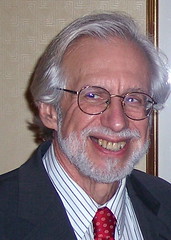 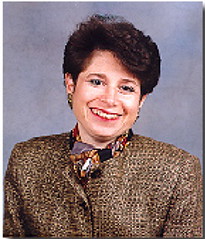 Dr. Feinman tells Warshaw what she can do with her high-carb advice Dr. Feinman tells Warshaw what she can do with her high-carb adviceOne of the most controversial debates within the diabetic community right now is around the subject of carbohydrate-restricted diets as a means for naturally controlling blood sugar levels and insulin production (we can thank Men's Health columnist Adam Campbell for writing this outstanding column about it in late 2006 to get the ball rolling). It's a fascinating subject since so much research is pointing to livin' la vida low-carb as an excellent way to tame and virtually "cure" diabetes naturally without the use of drugs or insulin in many patients. It truly is a miracle for diabetics! Nevertheless, the so-called "experts" in the field of diabetes are none too pleased with all this talk about low-carb diets because they do not give this way of eating any credence whatsoever as a legitimate nutritional approach for taking on diabetes, especially the ever-growing Type 2. One such leader in the anti-low-carb movement happening within diabetes circles is author, nutritionist, and diabetes educator Hope Warshaw. I've previously blogged about Warshaw when she went head-to-head with low-carb diabetes champion Dr. Richard Bernstein on dLife last year. Warshaw is deeply entrenched in the politics and talking points of the American Diabetes Association (ADA), so it's not surprising she would write a short but to the point column like "Why You Don't Want To Go Low Carb Or Vegan" in a major diabetes publication like Diabetes Health. Her key reasons for opposing livin' la vida low-carb for diabetics is this: - It's too "extreme" a "fad" diet to be taken seriously - It's not appropriate over the long-term - You can't stick with it and maintain your weight on it - Blood glucose levels do not return to "normal" after meals - Carbohydrate is necessary for a healthy diet - A low-fat, low-calorie diet is more effective We also learn from this "Diabetes Mine" blog interview with Warshaw that she believes that diabetes control is "not about carb restriction," but rather eating lots and lots of fruits and vegetables as part of a high-fiber, low-fat, low-calorie diet. Does this include sugary fruits like bananas and raisins as well as starchy vegetables like white potatoes (which a recent ADA report found some startling statistics about regarding typical American consumption), hmmm? Interestingly, despite including a vegan diet among those to avoid in the title of her column, Warshaw mentioned it a grand total of ONE time compared with EIGHT references to "low-carb" in the six-paragraph article. Can you say obsessive? Sure looks that way! While most diabetes professionals who read this predictable missive from Warshaw a couple of months back no doubt grinned and nodded their head in complete agreement with all of her conclusions about the low-carb lifestyle for diabetics, at least one did not. His name is Dr. Richard Feinman from the SUNY Downstate Medical Center in Brooklyn, New York who serves as Editor-In-Chief of the scientific journal Nutrition & Metabolism. I've previously interviewed Dr. Feinman at my blog and he has a rather unique perspective as it relates to helping diabetics beat their disease with as few medical interventions as possible by using a low-carbohydrate treatment option. He has been on the front line of this debate on behalf of the science regarding carbohydrate-restriction for diabetics and has seemed to step it up a bit in 2007. To directly rebut everything Warshaw wrote in her column, Dr. Feinman penned his response entitled "Low Carbohydrate Diets: Why You Don't Want the 'Experts' to Tell You What to Eat" which brilliantly laid out and explained why low-carb diets are not only appropriate for diabetics, but actually preferred for those patients desiring to end their dependence on drugs and insulin. Please go read the entire column which was published this week in Diabetes Health, but here are my favorite points that Dr. Feinman makes: - Low-carb diets control glucose metabolism problems - Encouraging carb consumption for diabetics is ridiculous - High-carb diets demand the use of more medications and insulin - Eating carbs WILL raise blood glucose levels - My favorite: How healthy is a diabetes diet that requires medication? - Reducing medication should be a sign of improvement for diabetics - Diabetes is a metabolic disease that require a metabolic response - There is no biological need for carbohydrate - Glucose can be supplied to the brain through gluconeogenesis- The obesity and diabetes epidemics caused by high-carb, low-fat diet - More carbs in the diet means worse weight and health control - If the low-carb diet were a diabetes drug, it'd be the hottest seller - Compliance is a problem with ALL diets, not just low-carb - Eating candy and taking insulin is really bad advice - Diabetes control should be left to the patient's personal choice That pretty much sums it up and Dr. Feinman should get a medal for making his points so clearly and succinctly with all the references and evidence to back up everything he wrote in that response. THANK YOU for being one of the few who "gets it," Dr. Feinman. We need more brave researchers and medical professionals who have seen the positive impact of low-carb diets on diabetes to step up like you did. Dr. Feinman is not all alone on this. Dr. Eric Westman from Duke University and Dr. Mary C. Vernon from the University of Kansas are also outspoken practitioners who have seen changes happen to patients with their own eyes day in and day out. It's funny how these so-called "experts" like Ms. Warshaw are trying desperately to ignore the findings of people like Drs. Feinman, Westman, and Vernon, but the word is starting to spread among diabetics. Patients are curious about getting off their medications and insulin if at all possible and livin' la vida low-carb is opening that door of opportunity. Something tells me we're gonna keep hearing positive reports about how low-carb is providing beneficial results to diabetics helping more and more of them reduce or eliminate their need for prescription medications in the coming years. When that happens, do you think folks like Ms. Warshaw will be singing a different tune? Doo-dah, doo-dah! :D Labels: ADA, blood glucose, diabetes, diabetic, diet, drugs, Hope Warshaw, low-carb, Richard Feinman, science, weight loss
Bernstein: No Other Diet Works To Control Blood Sugars In Diabetics As Well As Low-Carb
 Dr. Richard K. Bernstein has beaten his diabetes with a low-carb diet Dr. Richard K. Bernstein has beaten his diabetes with a low-carb dietI've interviewed a lot of people here at my blog, but there has been one interview I have been wanting to do for a very long time--Dr. Richard Bernstein, M.D., F.A.C.E., F.A.C.N., C.W.S., FACCWS (did I leave out any letters in the alphabet? *wink*). You've seen him on dLife on CNBC debating the so-called experts who say to just eat a low-fat diet and take your diabetes medications and insulin while Dr. Bernstein just keeps on smiling and living his life just as normal as a non-diabetic for the past 61 years and counting. In fact, I so highly regard the work Dr. Bernstein is doing on behalf of diabetics that I named him one of my Top 10 Movers & Shakers of 2006 and he deserves the accolodes as much as anyone else in the low-carb community. I recently highlighted the fantastic work he is continuing to do in pursuit of giving people living with diabetes hope for a better future in this blog post and was absolutely thrilled when he agreed to be interviewed by me for my blog. Whether you have diabetes or not, we could all learn a lot from this man. Absorb what he has to say, let it permeate your thoughts, percolate a while, and then share the good news with a diabetic loved one in your life to let them know that livin' la vida low-carb could very well be their answer to a long and healthy life with diabetes. Let Dr. Bernstein encourage you today. 1. What an honor and a privilege to welcome the one and only Dr. Richard K. Bernstein to the "Livin' La Vida Low-Carb" blog today. Dr. Bernstein is THE authority on the positive impact of low-carb diets on diabetes today and is living proof this way of eating works since he uses it to control his Type 1 diabetes. Thank you for joining me for this interview today since many of my readers are big fans of the work you are doing on behalf of diabetics.
You once described yourself as "an ordinary diabetic" before you found the low-carb solution to your diabetes. What changed about your life when you went from the recommended diabetic diet to your current low-carb dietary approach?When I was on the ADA high-carb diet, it was impossible to approach normal blood sugars on a steady basis, no matter how I juggled multiple insulin doses. Once I cut my carb intake to the minimum necessary for consuming a reasonable amount of vegetables, my blood sugars leveled off. 2. Normalized blood sugar levels is the ultimate goal of everyone who has been afflicted with Type 1 or Type 2 diabetes. How were you as a diabetic able to control this disease that threatened to take your life at an early age for so many years and do you believe there is a better all-natural way to stabilize blood sugar than a proper diet plan like low-carb?I don't know what you mean by an "all natural way" to stabilize blood sugar. A low-carb diet works. I know of no other approach that can remotely work. I have seen naturopathic physicians who were diabetics. I've seen diabetics on vegetarian and vegan diets and none of these people were able to remotely control their blood sugars until they abandoned their prior practices and embarked upon a low carbohydrate diet. I have seen some vegans and vegetarians who refused to consider a low carb diet and of course, they never attained anything approaching normal blood sugars. 3. Your discovery of the answer to the diabetes dilemma over three decades ago and your inability to convince the medical community of what you stumbled upon led you to go to medical school at the age of 45 to become a doctor. What barriers did you encounter when you were just a "layperson" and how were those barriers overcome once you became a part of the health establishment?Becoming "part of the health establishment" only permitted me to get published. It did not change the minds of most of the physicians who were uninterested in normalizing blood sugars. To this day, professional diabetes associations are advocating elevated blood sugars for diabetics. Even many drug manufacturers and makers of devices are focused on profit rather than the well being of the patient. I can say that I accomplished one thing, however. After battling the ADA from 1969 until the early 1980's on behalf of blood sugar self-monitoring, they finally caved in to a variety of outside pressures and approved self‑monitoring for those diabetics who use insulin. It is still, however, impossible to get Medicare to pay for enough blood sugar test strips for type 2 diabetics who do not routinely inject insulin. 4. Today you practice medicine in the state of New York helping literally hundreds of patients annually find the low-carb solution to their diabetes and obesity. Dr. Mary C. Vernon in Kansas is another prominent medical doctor treating diabetes patients with a low-carb diet, but you don't hear about many others. How many Dr. Bernsteins and Dr. Vernons are there using this treatment option for their diabetic patients across the country and do you see this field of medicine expanding in the coming years to accomodate the rising rates of diabetes?The intensive treatment of diabetes is not a profit-making venture. It is, therefore, very unlikely that many physicians will pursue the intensive training and meal planning that I do with my patients. It should be possible, however, for large group practices and insurance based medical practices such as Kaiser Permanente, to train patients in groups and to have meal planning and medication planning put in the hands of paramedical personnel such as nurse educators. This would be far more financially practical than the kind of medicine that I perform. I have, from time time, encountered physicians that actually did use my book as a guide and are achieving good results. For the most part, they have large practices and supervise non-physician personnel in the administration of the methods that I disclose in my books. 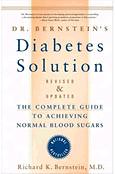  Dr. Bernstein recently revised and updated his classic diabetes book5. Your book Dr. Bernstein's Diabetes Solution: The Complete Guide to Achieving Normal Blood Sugars became an instant bestseller in the late 1990's and has become like a virtual health Bible for people living with diabetes. How has the release of that book as well as The Diabetes Diet book made and impact on our culture? Dr. Bernstein recently revised and updated his classic diabetes book5. Your book Dr. Bernstein's Diabetes Solution: The Complete Guide to Achieving Normal Blood Sugars became an instant bestseller in the late 1990's and has become like a virtual health Bible for people living with diabetes. How has the release of that book as well as The Diabetes Diet book made and impact on our culture? If you look at the reader reviews on Amazon.com and Amazon.co.uk, you will see the effects that these books have had on many of the readers who have put them into practice. Over the years I have read several thousand such reviews on both of these sites. I, therefore, have a rough idea of the effects that these books have upon diabetic patients and their families. I have no way of gauging "the impact on our culture". Since the grand total sales of my books over the years is less than 400,000 copies, I haven't even touched 3% of the diabetic population in the U.S.A. alone. One thing that has occurred, however, is the formation of the Nutrition and Metabolism Society which now has a web site that publishes studies of low carbohydrate vs. low fat diets. Furthermore, the number of such studies have burgeoned in the past few years. Has my work had an increase in such studies? I have no idea but it would be nice if I could get a little bit of the credit. 6. I'm sure many would be happy to give you that credit you deserve, Dr. Bernstein. You recently released a revised and updated version of your Diabetes Solution book commemorating one decade since it first came out. What changes did you make to the original book and is there any specific new information about diabetes that may have come out even since the publication of this update?The third edition of my book that came out in March 2007 was probably up‑to-the minute in terms of new developments as of February 2007. To my knowledge, there have been no significant discoveries in diabetes care since publication. Probably the single most important thing that I discuss in the book is the use of Symlin to treat overeating in diabetics and the use of Byetta to treat overeating in non-diabetics. There are, of course, hundreds of changes in the book and discussion of many, many new products, new medications and so on. The basic approach to normalizing blood sugar, however, is essentially the same as before with a smattering of more advanced methodology. 7. Why does the American Diabetes Association (ADA) continually ignore the low-carb solution to diabetes? Dr. Richard Feinman from SUNY Downstate in Brooklyn, New York told me last year in an interview that he believes they are "backing into supporting low-carb," but it certainly doesn't look imminent. What are your thoughts about this?Although there have been one or two papers presented at ADA meetings demonstrating the value of low carbohydrate vs. low fat diets, I see no evidence that the ADA has any intention of backing off on their guidelines. There is, however, a lot of pressure from other professional organizations to lower Alc targets. The ADA tends to follow the mob very slowly so when other organizations lower their Alc target by 1%, the ADA might lower theirs by 1%. I'm sure, however, that they realize that anything approaching normal blood sugars is utterly impossible with their dietary recommendations. I, therefore, expect they will never recommend normal blood sugars during my lifetime (Hgb Alc = 4.2 - 4.6%). 8. You assert that popular low-carb programs such as Atkins and South Beach are great only for short-term weight loss, but fail to provide people following these plans with a permanent way to keep the weight off for good. I went on the Atkins diet in 2004 and lost 180 pounds in one year. Since then, I have been able to keep the weight off by following the basic principles of the Maintenance phase of the diet. How does your program provide long-term support for improvements in both weight and health and where do you see those other plans falling short?I read the Atkins' diet and found that it usually works initially, but when he backs off and permits the re-institution of high carbohydrate foods, such as bread, he is just reigniting the addiction to carbohydrates that has spawned the epidemic of obesity and diabetes. In my experience, any diet that permits carbohydrates other than vegetables and perhaps a few bran products is doomed to failure. 9. You have an outstanding online resource for diabetics (Diabetes-Book.com) looking for more information about the low-carb lifestyle and how it can help them with their disease. The posted testimonials are quite encouraging and compelling. Are there any specific testimonials that stick out in your mind over the years since you started helping diabetics that you will never forget?I have seen so many testimonials that they've become a blur in my mind. I was, however, greatly impressed by the testimonials on Amazon.co.uk. It appears that the people in the United Kingdom are either better educated and therefore, more capable of writing impassioned prose or are just more capable of expressing their feelings. One could probably write a book based upon the stories that some of the readers posted on this site. 10. Again, I cannot thank you enough for coming on my blog today and sharing your wealth of wisdom with me and my readers. I remember seeing you at the Nutritional & Metabolic Aspects of Carbohydrate Restriction conference in Brooklyn, New York in January 2006 and most of the researchers there were confounded by not just your knowledge about low-carb living as it relates to diabetes, but also your experience living with this disease with relative ease for many years. Do you have any words of wisdom and encouragement to pass along to the diabetics who are reading this right now?Jimmy, I could sum it up with one expression that strongly contradicts conventional medical wisdom: "Diabetics are entitled to the same blood sugars as non-diabetics." Thanks for inviting me to your blog. As always, YOUR comments are welcome! What did you think of my interview with the great Dr. Bernstein? Do you have any pesonal stories to tell about how his work has helped you manage YOUR diabetes? Please share by clicking on the comment link below. Labels: A1C, ADA, blood sugar, diabetes, Diabetes Solution, diabetic, diet, low-carb, Richard Bernstein
Girl Scouts Finally Have A Sugar-Free Cookie
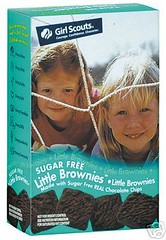  Now the Girl Scouts offer a sugar-free cookie called Little Brownies Now the Girl Scouts offer a sugar-free cookie called Little BrowniesGive yourself a big pat on the back because I think we may have had an influence with the decision makers at the Girl Scouts after something I blogged about last year. Long-term readers will remember this blog post I wrote in January 2006 about Girl Scout cookies and how they were teaching little girls that it's okay to push a product that is loaded with sugar and excessive carbohydrates. I said a few more things in that post that stirred the pot a bit, but the basic theme of my column was about encouraging them to come up with a sugar-free cookie for diabetics and people on a low-carb diet to enjoy since we can't or don't want sugar in our food. Last year they heralded the fact that they removed the trans fats from their cookies (which I applaud them for doing), but I asked them to take their initiative to make healthier cookie offerings one step further by removing the sugar. Here's what I suggested: Why don't they offer some SUGAR-FREE versions? I was disappointed in the politician-like answer provided by the Girl Scouts organization regarding concerns that both diabetics and low-carb supporters have with their cookies:
"The ingredients and nutritional elements of all cookies are listed on the order forms and the side of the cookie box so those concerned about carbohydrates can make informed choices. For more information, check the bakers' Web sites."
I did that and it wasn't a pretty story. As we have already seen from the carbohydrate totals, you're pretty much out of luck when it comes to eating Girl Scout cookies if you are staying committed to livin' la vida low-carb. This clear lack of concern by the Girl Scouts disturbs me and it should you as well.That's why I urged my readers at the time to e-mail the Girl Scouts directly with their concerns regarding the absence of any kind of Girl Scout cookie for diabetics and low-carbers and to encourage them to make a sugar-free cookie available next year. Apparently, they listened to us! :) Here's a statement released about the demand for sugar-free cookies: "In response to consumer requests received received by the hundreds of thousands of Girl Scouts who visit with consumers each year during Girl Scout Cookie Season, we have worked diligently to produce great-tasting brownie treats while eliminating the sugar content."YEAH! WOO HOO! Party time! Can you tell I'm excited?! :)  Little Brownies are the first sugar-free Girl Scout cookie Little Brownies are the first sugar-free Girl Scout cookieTo meet the demand of sugar-free consumers, including diabetics and low-carbers, the Girl Scouts commissioned one of their vendors Louisville, KY-based cookie manufacturer Little Brownie Bakers to come up with a delicious, bite-sized chocolate cookie without the sugar. The result was a brand new sugar-free cookie called Little Brownies. I came across these cookies just yesterday when the local Girl Scouts troop were parked directly in front of my local grocery store selling away to the people passing by. When the cute little energetic girl asked me if I would like to buy a box of cookies, I responded, "Do you have any that are sugar-free?" She surprised me when she enthusiastically retorted, "Yep, we sure do!" This took me back a little since I hadn't heard that they made a sugar-free cookie beforehand, so I asked the adult who was with her if she knew what the cookies were sweetened with and if they tasted good or not. She didn't know about the sweeteners, but she let me look at the box with the ingredients list. Also, they were also very curious about how they tasted and opened up a package to try. I was offered one to try for myself. When I first bit into it, I was bracing myself for that disappointing "wang" you get when you eat something low-quality that is sugar-free (generally made with inferior ingredients). But, to my delight, these "brownies" were remarkably tasty and actually resembled a real cookie, but without the sugar. WHOA! Don't let the name Little Brownies fool you, though. They're not soft and chewy like a brownie would be. But these are still minature cookies that had flavorful little chocolate chips in them, too! If you have a hankering for something chocolately and sweet, then this would certainly be your fix. As I was licking my tongue around in my teeth enjoying this new sugar-free Girl Scouts cookie, I continued reading the label. A serving size of 4 Little Brownies gives you 130 calories, 8g fat (4.5g of saturated fat), 2g protein, and 18g total carbohydrates. Of course, although there is no sugar in these cookies, they do have some sugar alcohols and fiber in them. There are 4g sugar alcohols and 1g fiber for a net carb count of 13g. This is not a completely terrible option for people who are livin' la vida low-carb at a little more than 3g net carbs per cookie (but you wouldn't want to eat more than 1-2 of these if you are in the earlier stages of your low-carb weight loss plan). I'd still prefer to see them try to get rid of the flour as the #1 ingredient to make them even lower in carbs and still taste just as delicious. There are ways to do that, but this is a VERY good start on their part! KUDOS! What about the sugar alcohols, you ask? Well, with only 4g for 4 cookies, that's just 1g sugar alcohol per cookie. Unless you down the whole box at one time (which is quite possible if you aren't careful because they taste so good!), you should be okay. For those of you who are wondering, the Little Brownies include a blended mixture of a little bit of all the popular sugar alternatives: polydextrose, maltitol, sorbitol, isomalt, ACE-K, and Splenda. There is no aspartame in these cookies (Thank God!). Incidentally, that listing of sweeteners is in order of most to least--sucralose (Splenda) was dead last as usual. But don't you know they heralded the fact that it is "sweetened with Splenda." No, it's actually MORE sweetened with everything else. Nevertheless, for all intents and purposes this cookie has not been a problem for me even after having 4 at one time. That's my personal limit despite the temptation to eat more than that. Each 5.5-ounce box of Little Brownies sugar-free Girl Scout cookies contains around 22 cookies and they are designed specifically for people with diabetes and who are watching their sugar intake. Just be sure to stay within the portion size and you should be fine whether you are a low-carber or diabetic. Ask your healthcare professional if you have any specific concerns about eating this product. By the way, here's the complete ingredients listing: Enriched flour (wheat flour, niacin, reduced iron, thiamin mononitrate [vitamin B1], riboflavin [vitamin B12], folic acid), vegetable oil (partially hydrogenated soybean, cottonseed and/or palm oils; coconut oil; TBHQ and citric acid to preserve freshness), semisweet chocolate (maltitol, chocolate [processed with alkali], cocoa butter, soy lecithin, natural flavor), polydextrose, cocoa, maltitol, sorbitol, contains two percent or less of isomalt, gum arabic, natural and artificial flavor, maltodextrin, cocoa processed with alkali, malted barley flour, whey (milk), salt, chocolate, caramel color, leavening (monocalcium phosphate, baking soda), soy lecithin, modified corn starch, acesulfame potassium (ACE-K), sucralose (Splenda).Has anyone else tried these new sugar-free Little Brownies from the Girl Scouts yet? If you did, then what did YOU think about them? I'm really interested in your feedback, questions, and concerns so please leave a comment. Maybe you want to share a compliment with the Girl Scouts about their new cookie offering for diabetics and low-carbers this year. It's a bold move on their part considering virtually every food company in the United States is completely ignoring the diabetic and low-carb market of consumers right now. I highly encourage you to let the Girl Scouts organization know how much we appreciate their efforts to cater to our desire to enjoy cookies without the sugar. E-mail them and let 'em know what you think! 3-5-07 UPDATE: A registered nurse was concerned about what she believed was my endorsement of these Girl Scout cookies in an e-mail to me today. Hi Jimmy!
I applaud your weight loss efforts and your success in doing so. However, I am very concerned about your excitement about Girl Scout Cookies having aspartame and artificial anything in it!
I feel that Americans would be much better off eating "real food" instead of all this additive-laden junk that is so widely advertised. I am also very concerned about children ingesting all of these chemicals.
I hope that you find it in your heart to start researching these chemical additives before you applaud them. And don't just take the company's word for it either.
I was a huge Diet Coke drinker and now know that I was terribly addicted to it! This was 3 years ago right before being diagnosed with CNS lupus. Aspartame is a neuroexitotoxin and just isn't a good thing for any living creature.
I hope that you think long and hard before you applaud such efforts of businesses who are only making money off of poisoning the population. This is why studies have been suppressed as they have. Too much money is being made in the sweetener industry.
I wish you the best, Jimmy!THANKS so much for your e-mail and expressing your concerns about my apparent "excitement" over the new sugar-free Girl Scout cookies. But I think you were mistaken to think I was endorsing this prouduct. I could not agree MORE with your assessment about aspartame. It is something I have hit hard and hit often in my writings and I STRONGLY urge my readers to avoid it at all costs. Sure, I still support Splenda, but I am vehemently opposed to sugar alcohols like maltitol as well as NASTY-tame. My column was more an applause to the Girl Scouts and their cookie manufacturer for moving in a POSITIVE direction. Sure, it would be great to have the kids eating more whole foods, but the reality is they're not gonna do it overnight. I'm a big believer in incrementalism, so sugar-free, low-carb options to popular foods like Girl Scout cookies is what truly excites me because we can get them to start thinking about eating healthier and healthier. It's a lesson I wish I had learned when I was their age. Again, THANK YOU for sharing your comments! I'm right there in agreement with you. :) Labels: cookies, diabetic, Girl Scouts, low-carb, sugar, sugar alcohol, sugar-free
'Livin' La Vida Low-Carb Show' Episode 27: The Low-Carb Answer To Diabetes Part 1
Listen up low-carbers and diabetics alike, I have two outstanding podcast shows for you this week! Check out Episode 27 of "The Livin' La Vida Low-Carb Show with Jimmy Moore." Feast your ears on today's show by clicking on one of the links below:  "The Livin' La Vida Low-Carb Show with Jimmy Moore" Episode 27 [14:31m]: Play in Popup | DownloadIn perhaps the most important podcast shows as part of my "Fact-Filled February" series this month, Episode 27 is the first of two podcasts where I highlight five research studies showing remarkable advancements in treating diabetes with the low-carb diet. Get the first two studies today and three more in Thursday's show! Share your feedback about today's important show because diabetes is one of the most important public health issues of our time. The study data is there, but now it's time for our government and health leaders to heed the positive message of livin' la vida low-carb for treating this terrible disease. Wanna have more ways to listen to the podcast? Here's how: 1. Listening at the official web site2. Going to iTunes3. Calling (818) 688-2763 to listen via Podlinez4. Subscribing to the RSS feedI want to hear from people who are diabetic and use a low-carb diet to manage your disease. Share your personal experiences and how you have been able to control your diabetes naturally by livin' la vida low-carb. Click here to educate us all about what life is like for you in the real world. Would you ever go back to the American Diabetes Association-recommended low-fat diet again? You won't want to miss Thursday's show when we'll continue the theme of today's podcast around the subject of diabetes with THREE MORE studies proving the effectiveness of low-carb diets on this disease. If you know a diabetic who is skeptical about livin' la vida low-carb, then make sure you tell them about Episode 27 and 28 of "The Livin' La Vida Low-Carb Show with Jimmy Moore."One last thing: Take our podcast poll and help us improve the show. Special THANKS to those who have shared their feedback already, but we'd love to hear from many more. The consensus so far is to keep the podcast just as it is following by conducting interviews with people in the low-carb community. What do YOU think? Let us know by taking the poll! Labels: diabetes, diabetic, Fact-Filled February, Jimmy Moore, low-carb, podcast, research, study, The Livin' La Vida Low-Carb Show
Atkins Diabetes Expert Interviewed On dLifeTV
As more and more people are finding out about the low-carb solution to the diabetes epidemic that has spread across the United States and around the world, invariably they are turning to the one person who has not only been preaching this message but also practicing what she preaches in dealing with her patients. It's Dr. Mary C. Vernon. Dr. Vernon co-authored Atkins Diabetes Revolution in 2004 and has been passionately working with diabetic sufferers in her Kansas medical practice imploring the low-carb principles with her desperate patients. She is on the frontlines of some truly remarkable cutting edge advances in diabetes treatment and is finally getting the recognition she deserves. Her popularity especially exploded in December 2006 when Adam Campbell featured Dr. Vernon in Men's Health magazine. Since then, more and more people around the country are finding out the truth about livin' la vida low-carb as it relates to diabetes because of Dr. Vernon. Read my interview with her from last year to catch a glimpse of her heart for people dealing with diabetes. In a strange coincidence, I will be featuring five studies as part of my "Fact-Filled February" series showing the connection between a low-carb diet and improvements in the weight and health of diabetics in both episodes of "The Livin' La Vida Low-Carb Show with Jimmy Moore" podcast this week on Monday and Thursday. Dr. Vernon is specifically mentioned in Thursday's episode, so don't miss it! But you can catch Dr. Vernon on CNBC's dLifeTV on Sunday, February 18, 2007 at 7:00PM EST. In an exclusive interview with them, she reveals that the current state of diabetes care in the United States has her greatly "saddened" because the low-carb approach is being widely ignored despite being shown to be extremely effective for treating diabetics. ”If you control the carbohydrates that go in your mouth...then you will control your blood sugar and your blood sugar hormones (insulin),” Dr. Vernon said in her interview, reiterating her belief that diabetes can be controlled naturally through the diet without the necessity of medication in many instances.She added that the proof is in the massive improvements her patients have seen in their weight and health when they start livin' la vida low-carb. "Giving them control over their diabetes by giving them the tools to eat in such a way that they require less medication” is an important advancement, Dr. Vernon contends in the interview.Tune in Sunday night at 7:00PM EST to watch the interview with Dr. Mary C. Vernon in its entirety. For even more from Dr. Vernon, be sure to check out her "Ask Dr. Vernon" blog as she answers YOUR questions about low-carb, weight loss, diet, and health. Labels: Atkins, diabetes, diabetic, diet, dLife, interview, low-carb, Mary Vernon, podcast
Get A Low-Carb Valentine's Day Gift Basket
It's almost February and you know what that means, don't you? It's the day of love that happens each year on February 14th--Valentine's Day is only a couple of weeks away! So, wouldn't you like to get that Valentine in your life who is livin' la vida low-carb a very special present that fits within their healthy lifestyle? SURE YOU WOULD, which is why I am pleased to share with you some absolutely FANTASTIC low-carb Valentine's Day gift baskets from CarbSmart packed full of your favorite low-carb goodies that can be delivered just in time for the loved one in your life. Whether you have a low-carber or a diabetic who you want to surprise with these Valentine's Day baskets, these will surely deliver big smiles and loving adoration from the one who receives it. Packed in a tailor-made Sweetheart Gift Box, you won't be disappointed in giving or getting this as a gift for Valentine's Day. There are the two special gift packages available: LOW-CARB SWEETHEART GIFT BOX
 Includes the following products: Judy's 1.5 oz. Sugar Free English Toffee
Ross Chocolate Dark Chocolate Bar
Ross Chocolate Milk Chocolate with Cherry Bar
Ross Chocolate Dark Chocolate with Green Tea Bar
Eat Well Be Well Sugar Free Dark Chocolate Bar
Eat Well Be Well Sugar Free Dark Chocolate Almond Bar
Sorbee Strawberry Creme Filled 3.5 oz. Chocolate Bar
Sorbee Peanut Butter Creme Filled 3.5 oz. Chocolate Bar
Sorbee Solid 2.8 oz. Dark Chocolate Bar
Sorbee Solid 2.8 oz. Milk Chocolate Bar
Jelly Belly Jelly Beans 3.1 oz. bag
Ashers Liquid Caramel Chocolate Bar
Assorted Sugar Free Hard CandiesDELUXE LOW-CARB SWEETHEART GIFT BOX
 Includes the following products: Judy's 1.5 oz. Sugar Free English Toffee
Judy's 1.5 oz. Sugar Free Almond Cluster
Atkins Chocolate Covered Coconut Bar
Ross Chocolate Dark Chocolate Bar
Ross Chocolate Milk Chocolate Bar
Ross Chocolate Milk Chocolate with Almond Bar
Ross Chocolate Milk Chocolate with Cherry Bar
Ross Chocolate Milk Chocolate with Peanuts Bar
Ross Chocolate Milk Chocolate with Green Tea Bar
Eat Well Be Well Sugar Free Dark Chocolate Bar
Eat Well Be Well Sugar Free Dark Chocolate Almond Bar
Maine Cottage Foods Sugar Free Dark Chocolate
Maine Cottage Foods Sugar Free Milk Chocolate
Maine Cottage Foods Sugar Free Dark Chocolate Mint
Sorbee Mint Creme Filled 3.5 oz. Chocolate Bar
Sorbee Strawberry Creme Filled 3.5 oz. Chocolate Bar
Sorbee Peanut Butter Creme Filled 3.5 oz. Chocolate Bar
Sorbee Solid 2.8 oz. Dark Chocolate Bar
Sorbee Solid 2.8 oz. Milk Chocolate Bar
Sorbee Solid 2.8 oz. Milk Chocolate with Peanuts Bar
Jelly Belly Jelly Beans 3.1 oz. bag
3 Peerless Sugar Free Hard Candies 3.5 oz. bags
Brown & Haley 3.5 oz. Almond Roca
Brown & Haley 3.5 oz. Cashew Roca
2 Assorted Blitz PowerMintz
Assorted Sugar Free Hard Candies
Russell Stover or Asher's 8 oz. Sugar Free Chocolate Assorted BoxIf neither of those baskets tickle your fancy, then you can choose from the full list of low-carb gift baskets to give your Valentine instead. Hurry to place your order by February 5th to insure delivery by February 14, 2007. Show him or her that you love them and their commitment to livin' la vida low-carb with one of these gift boxes or baskets. I KNOW they'll LOVE IT! :) Labels: baskets, CarbSmart, chocolate, diabetic, gift box, low-carb, Valentine's Day
Send A Gift Box Of Creamy Low-Carb ChocoPerfection Bars For Christmas
 ChocoPerfection makes the perfect gift for low-carbers and diabetics ChocoPerfection makes the perfect gift for low-carbers and diabeticsIt's been almost a year since I first experienced what REAL sugar-free, low-carb chocolate is supposed to taste like when I took my first bite of these incredibly amazing ChocoPerfection bars. Oh my goodness, from the very moment that creamy dark chocolate began to melt inside of my mouth the instant it touched my tongue, that's all it took for me to be hooked for life! My subsequent glowing review of ChocoPerfection bars then helped spread the word to other low-carbers who also fell in love with them. That's exactly what ChocoPerfection founder Mary Jo Kringas evisioned when she started selling sugar-free chocolate bars for a living that people on low-carb diets and with diabetes could finally have their chocolate and eat it too! Christmas is now a little less than three weeks away and what better way to honor that person who is livin' la vida low-carb or limiting their sugar intake because of their diabetes than with a thoughtful gift of a box of ChocoPerfection bars. In fact, Mary Jo has wisely created a special "Send A Gift" page on her web site to make gift-giving during the holidays that much simpler for you to send ChocoPerfection to loved ones. Place an order for a dozen bars in either Milk or Dark Chocolate or you can get a special two-dozen Best of ChocoPerfection gift package featuring 12 Milk and 12 Dark Chocolate. The choice is yours and they come already wrapped in a beautiful red Christmas gift box ready to be placed underneath the tree upon delivery. You even have the opportunity to write a special personalized greeting to the recipient of your gift! They really did think of EVERYTHING! These gift boxes are so adorable that you'll want to get several of them as gifts for anyone who could benefit from eating a little less sugar while still being able to endulge in decadent chocolate--that's what ChocoPerfection offers! I for one would be THRILLED if I got a gift box of ChocoPerfection bars at Christmas or for my birthday on the 27th. :) As always, you get FREE SHIPPING on every ChocoPerfection order shipped in the United States and ChocoPerfection now has what I believe is the strongest guarantee in the industry (even Hershey's and Russell Stover won't promise you this!): You must be completely satisfied with the taste, smoothness and packaging of ChocoPerfection. Anything less than absolute love for ChocoPerfection will result in an immediate refund if you are unsatisfied for any reason at all. With a guarantee like that, what do you have to lose with getting ChocoPerfection bars, hmmm? If you or your loved one tastes them and think they're awful, then simply contact Mary Jo and tell her you want a full refund and it's done. But don't be surprised to find that you enjoy the entire box (not all at once please!) and then decide to order again. The ever-growing base of ChocoPerfection fans all agree these low-carb chocolate bars totally ROCK! So, go ahead and "Send A Gift" TODAY! But when you place an order, make sure they send the bars to J-I-M-M-Y...LOL! Labels: chocolate, ChocoPerfection, Christmas, diabetic, gift box, guarantee, low-carb, Mary Jo Kringas, products, sugar-free
Holiday Recipes For Diabetics And Low-Carbers
  Our friends at dLife have diabetic-friendly recipes for YOU! Our friends at dLife have diabetic-friendly recipes for YOU!The period between Thanksgiving and Christmas is chock full of festive celebrations of the season with friends and family. But for people with diabetes who have to be mindful of what they eat because of their disease as well as low-carbers, seeing all those scrumptuous desserts and dishes at all these parties is enough temptation to cause you to give in and put your weight and healthy in jeopardy. That's why our friends at dLife have come to the rescue with a very special Holiday Recipes link at "The Quintessential Diabetes Links Resource" blog featuring over 1,200 recipes of all kinds designed specifically for people with diabetes to help them enjoy the holidays without jeopardizing their health. You'll find all the ingredients and even some special how-to videos about how to make these recipes using this resource. Here's a sampling of the kind of recipes you'll find there: BBQ BACON-WRAPPED SHRIMP W/BASIL STUFFING 32 fresh or frozen large shrimp in shells
Basil Stuffing
32 basil leaves, coarsely chopped
2 teaspoons freshly grated Parmesan cheese
2 cloves garlic, minced
16 slices bacon, cut in half
3/4 to 1 cup bottled barbecue sauceTHREE KINGS COLORFUL QUESADILLAS8 ounces cream cheese
1/4 teaspoon garlic powder
8 small flour tortillas (try La Tortilla Factory)
2 cups fresh spinach leaves or 9 oz. frozen, thawed and squeezed dry
1 cup chopped sweet red pepper
1 cup crumbled feta cheese or other cheeseSILVER BELLS SPINACH DIP1 10-oz package frozen chopped spinach or broccoli, thawed
2 Tbsp red wine vinegar
3 garlic cloves, minced
1 Tbsp fresh minced mint
1 cup sour cream
Fresh ground pepper to tasteFind out all the directions to these yummy holiday recipes as well as full access to the complete diabetes recipe archives compliments of dLife by clicking here. Labels: Christmas, diabetes, diabetic, dLife, holidays, links, low-carb, recipes, Thanksgiving
This Is Why Diabetes Can't Be Cured Yet
 The Diabetes Food Pyramid pays no attention to low-carb solution The Diabetes Food Pyramid pays no attention to low-carb solutionThe numbers are staggering -- 73 million Americans are diabetic or pre-diabetic and the trend is expected to get worse and worse in the coming years. You've got people like NBC's "The Biggest Loser" trainer Bob Harper out there urging diabetics to "step it up" to get serious about getting their blood sugar controlled. In the meantime, several prominent new studies out of Duke University and from Sweden have been released in the past week concluding that a low-carb diet is the most beneficial nutritional approach for treating people who suffer from Type 2 diabetes. So you can imagine my surprise when I came across something called the Diabetes Food Pyramid. Just like the government-recommended MyPyramid, this one is allegedly how diabetics should be eating in order to help control their disease. But a closer look at this pyramid reveals the horrifying picture of carbs, carbs, and more carbs! The ADA is pushing diabetics to eat more servings of potatoes (CARBS!), breads (CARBS!), cereals (CARBS!), beans (CARBS!), and starchy veggies (CARBS!) than anything else. Sure, sweets that contain sugar are naturally discouraged, but what about the process that the body goes through converting those carbohydrates that are "recommended" into sugar for the body that can cause blood sugar to go haywire?! Then, on the next level up on the Diabetes Food Pyramid, you've got such carb-loaded sugary foods like bananas, grapes and apples. While it could be argued these are "healthy" for you because they have natural sugars in them, sugar is still sugar and will cause problems for diabetics. The American Diabetes Association (ADA) should stop claiming to be an advocate for diabetics until they can start making wise recommendations for people with Type 2 diabetes to follow. No wonder Dr. Mary Vernon says the food pyramid is more about protecting the agricultural industry and not about public health. When are the ADA and other diabetes advocates going to begin taking the health of these people seriously enough to provide them with the information they really need to control their disease? I'm waiting... This is precisely why diabetes can't and won't be cured anytime in the near future. Labels: ADA, blood sugar, diabetes, diabetic, pre-diabetic
|


