|
PLEASE UPDATE YOUR BOOKMARKS TO LIVINLAVIDALOWCARB.COM/BLOG
Study: Low-Carb Lowers, Low-Fat Diet Increases Inflammation, Saturated Fat In The Blood
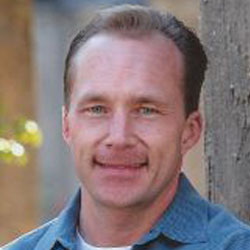 Dr. Jeff Volek says controlling insulin is vital to blood lipids Dr. Jeff Volek says controlling insulin is vital to blood lipidsA little over two years ago, I shared with you this study on the connection between metabolic syndrome and livin' la vida low-carb. The researchers were Dr. Jeff Volek from the University of Connecticut and Dr. Richard Feinman from SUNY Downstate Medical Center in Brooklyn, NY and they were absolutely fascinated by the rather obvious intertwining of a natural dietary approach like low-carb improving virtually every single area of metabolic syndrome (a precursor to diabetes, heart disease and stroke), including obesity, high triglycerides, low HDL "good" cholesterol, high blood sugar, hypertension and insulin resistance. Now there is brand new research from these same two researchers with something quite startling regarding a comparison between a low-fat and a low-carb diet as it relates to inflammation and saturated fat in the bloodstream. Lead researcher Dr. Jeff S. Volek, PhD, RD from the Department of Kinesiology at the University of Connecticut and his team of outstanding researchers (including Dr. Feinman, Dr. Stephen Phinney, and the soon-to-be Dr. Cassandra Forsythe, among others) tested the various components of metabolic syndrome comparing a carbohydrate-restricted diet with a low-fat diet in overweight men and women over a 12-week period. The study participants were split into one of two groups: VLCKD (very low-carb ketogenic diet)--1504 calories Fat/Protein/Carbohydrate ratio of 59/28/12 OR LFD (low-fat diet)--1478 calories Fat/Protein/Carbohydrate ration of 24/20/56 What did Dr. Volek and his team of researchers find? Total saturated fatty acids in the blood actually DECREASED in the VLCKD group while the anti-inflammatory markers also "significantly decreased." Meanwhile, the LFD group, which consumed two-thirds less saturated fat than the VLCKD group, saw an INCREASE in total saturated fat in the bloodstream despite reducing fat intake. This was totally unexpected as the conventional wisdom regarding saturated fat consumption is that it causes an increase in inflammation which leads to a worsening of the metabolic syndrome conditions and overall health. But that's not what happened. "A very low carbohydrate diet resulted in profound alterations in fatty acid composition and reduced inflammation compared to a low fat diet," the researchers concluded.This study was published in the November 29, 2007 issue of the scientific journal Lipids. So what are we to make of this research in light of all we've ever been told about saturated fat? Doctors and nutritionists have long told their patients with metabolic syndrome symptoms to eat a low-fat diet and now science like this one is showing the shortsightedness of this unproven recommendation. Livin' la vida low-carb is making great strides behind-the-scenes because it is an excellent way to reduce triglycerides and other essential health markers related to inflammation. Dr. Volek says this new study shows how a controlled-carbohydrate nutritional approach is "adding to the evolving picture of improvement in general health beyond simple weight loss in keeping blood glucose and insulin under control." And he believes this hyperinsulinemia is the root cause behind obesity, diabetes, and a whole host of other preventable diseases that all improve with the use of a low-carb diet. Interestingly, the Volek study in Lipids is only a small portion of a much larger study currently under peer review. The full study shows even more improvements in blood lipids (cholesterol) with the stunning conclusion that "lowering total and saturated fat only had a small effect on circulating inflammatory markers whereas reducing carbohydrate led to considerably greater reductions in a number of pro-inflammatory" markers. Dr. Volek says this puts the onus of health risks back on the consumption of carbohydrates. "These data implicate dietary carbohydrate rather than fat as a more significant nutritional factor contributing to inflammatory processes," he stated.Meanwhile, Richard Feinman, PhD from the biochemistry department at SUNY Downstate Medical Center says this new research demonstrably shows why carb-restricted diets work so remarkably well. "The real importance of diets that lower carbohydrate content is that they are grounded in mechanism: carbohydrates stimulate insulin secretion which biases fat metabolism towards storage rather than oxidation," Dr. Feinman explained. "The inflammation results open a new aspect of the problem. From a practical standpoint, continued demonstrations that carbohydrate restriction is more beneficial than low fat could be good news to those wishing to forestall or manage the diseases associated with metabolic syndrome."Most damning against the low-fat diet hypothesis is the fact that although there was a three-fold higher saturated fat consumption by the VLCKD group, it was the LFD group that experienced higher saturated fat in the blood. Counterintuitive? You betcha! "This clearly shows the limitations of the idea that ‘you are what you eat,'" Dr. Volek explained. "Metabolism plays a big role. You are what your body does with what you eat."I like that--YOU ARE WHAT YOUR BODY DOES WITH WHAT YOU EAT! And that's why I'm livin' la vida low-carb because I have all the confidence in the world with what my body will do with the low-carb foods I consume. Controlled blood sugar and insulin levels, reduced triglycerides, lower blood pressure, increased HDL "good" cholesterol, and so much more than I could have ever expected from a high-fat, low-carb diet. It's hard not to appreciate something like this when your life has been so radically changed for the better. Now the research is showing us why. Dr. Feinman succinctly repeated and summarized what I blogged about in this previous post regarding saturated fat consumption on the low-carb lifestyle in the following statement about this new study. "I think even if you allow for tremendous error, it says that if carbs are low, saturated fat doesn't have much effect on the plasma composition," he remarked.And that is why I don't worry about how much saturated fat I consume as long as my carbs are reduced. Now we have the science to back us up! You can share your appreciation to Dr. Jeff Volek for his fantastic research by e-mailing him at jeff.volek@uconn.edu as well as Dr. Richard Feinman at rfeinman@downstate.edu. Labels: Cassandra Forsythe, inflammation, insulin, Jeff Volek, lipids, low-carb, low-fat, metabolic syndrome, research, Richard Feinman, saturated fat, study
Young Researcher Says There Is 'Strong Interest' In Learning How Low-Carb Diets Treat Obesity, Disease
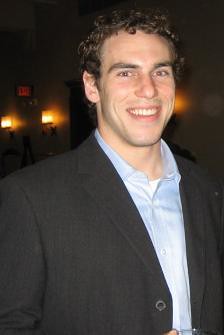 Dr. Matthew Hayes interested in how and why low-carb diets work Dr. Matthew Hayes interested in how and why low-carb diets workI am so encouraged to know there are some absolutely phenomenal talents coming up through the ranks of higher education who are dedicated to looking further into the subject of livin' la vida low-carb. Although low-carb has been battered and beaten insde and out by those who fear it the most--that would be the low-fatties!--it's arguably the most popular subject of nutritional research happening right now. Working behind the scenes of this low-carb science movement are some especially gifted and intelligent individuals who are literally putting themselves and their reputations out there amongst their peers in the research community because they would dare share positive information as it relates to low-carb diets. I have the greatest respect for so many of these people, especially the young ones who will be around for the next 40, 50, or 60 years adding layer upon layer of evidence to continue proving the veracity of the low-carb lifestyle. Here are a just a few of the names of young trailblazers you need to know about: Dr. Eric Westman from Duke University, Anthony Colpo from Australia, Anssi Manninen from the University of Kuopio Medical School in Finland, Dr. Alex Johnstone from the Rowett Research Institute in the UK, Dr. Jeff Volek and Cassandra Forsythe from The University of Connecticut. Now we can add Dr. Matthew R. Hayes from the University of Pennsylvania to that list. This Atlanta Journal & Constitution story details a new study from Dr. Hayes confirming a low-carb diet is good for people suffering from metabolic syndrome, a condition where obesity, high triglycerides, low HDL "good" cholesterol, high blood sugar, hypertension and insulin resistance leads to a greater risk for diabetes, stroke and heart disease. We first heard this message before from Dr. Volek and Dr. Richard Feinman from SUNY Downstate in Brooklyn, NY way back in 2005. This new research further solidifies the strong signs that this remarkable way of eating we know and love is indeed what's right for optimal weight and health. Dr. Hayes, who started this study of low-carb diets on metabolic syndrome while still earning his doctorate degree, and his fellow researchers looked at 20 men and women diagnosed with metabolic syndrome and placed them on a South Beach-styled low-carb diet over a three-month with the following parameters regarding carbohydrate consumption: PHASE ONE--Two weeks of 10 percent of their calories from carbs PHASE TWO--Ten weeks of up to 27 percent of their calories from carbs The average starting weight off the study participants was slightly higher than 200 pounds and the diet itself worked to bring about the expected weight loss as well as total body fat. "By the end of the study, the subjects weighed about 193, 194," Dr. Hayes noted. "They lost close to 10 pounds during the three-month study."I always hate seeing such small weight loss results in small studies like this because it doesn't give people the full potential of what livin' la vida low-carb can actually produce in people. Ten pounds lost in three months is ONLY about 3 pounds a month. The same results happened in the infamous Gardner study published in JAMA earlier this year. What's up with such a LOW amount of weight loss on low-carb? When I started out on the Atkins diet in January 2004, I lost 30 pounds in the first month and then another 40 pounds in the second month. Granted, I was 410 pounds at the beginning, but most low-carbers I know EASILY lose 3-4 pounds a month as a bare minimum when they begin a low-carb regimen. Why is the weight loss so slow for these study participants? Things that make you go hmmmm. Perhaps what I'm about to share with shed some light on the lower weight loss results. As with most studies of this type, compliance with the parameters set by the researchers was a problem because the study participants did not follow it exactly as prescribed (why they wouldn't want to is beyond me!). Here's the ACTUAL carbohydrate intake average for those members of the study: PHASE ONE--25 percent of calories from carbs (15 percent HIGHER) PHASE TWO--35 percent of calories from carbs (8 percent HIGHER) Even still, Dr. Hayes said these higher carb counts were significantly LOWER than what they were eating prior to the study--a whopping 47 percent of their calories from carbs. And, more importantly than the weight loss was the impact on their health. "By the end of the study, about 50 percent no longer had metabolic syndrome," he added.Can you imagine how much better both weight loss and metabolic syndrome would have been if they did low-carb like they were supposed to? The pounds shed could have been 30+ pounds and metabolic syndrome could very well show a nearly 100 percent improvement in ALL of the study subjects. We need to somehow have a study that mandates compliance so that abnormalities in the data don't reflect poorly on the low-carb diet itself. As for the weight loss, Dr. Hayes looked at various metabolic markers to find a clue about how low-carb diets treat obesity and disease. This included measuring the hormones in the blood, insulin levels, leptin, and cholecystokinin (CCK). He found there were changes happening in the hormones, including a drop in insulin and leptin levels after PHASE ONE. "It was fast," Dr. Hayes explained.In PHASE TWO, insulin and leptin levels came back up, but something interesting happened. While insulin levels returned to the same place they were prior to the study, leptin levels remained BELOW baseline. Dr. Hayes says this is what may explain why livin' la vida low-carb works. "These alternations in hormone levels acting together help reduce the amount of food consumed," he revealed. "There's a synergy. Based on the literature already out there, we are speculating that this synergy of hormones may be the mechanism explaining why people are satisfied with less food and [low-carb] results in weight loss."The results of this stunning new research are published in the August 2007 issue of The Journal of Nutrition. Of course, Dr. Hayes admits his study is too small to make broad generalizations about using a low-carb diet to treat metabolic syndrome, but it certainly opens the door of opportunity for an even larger, more extensive study for the future. I have a feeling he is probably already in the process of making that larger study happen and I can't wait to see what he finds out. I was very pleased to see Dr. Hayes talk about the electricity happening within the research circles behind the scenes regarding low-carb diets because I have longed held the belief that the future of low-carb acceptance hinges on the research. "There is this strong interest in the field in carb-restricted diets in the treatment of obesity," he said. "That [interest] comes from a number of controlled clinical trials that demonstrate overweight or obese people, maintained on low-carb diets, are successful if they adhere to the diet."This has brought about a "hot debate" in the diet work that shows no signs of cooling off anytime soon, especially with data being promoted by the advocates of a low-fat, vegan diet seeming to capture most of the headlines. Sooner or later, somebody somewhere is gonna have to fess up that their diet is not as healthy as they claim. I'm putting my money on the high-carb, low-fat supporters having to cave. You can e-mail your support for and comments to Dr. Matthew Hayes about his study on low-carb diets and metabolic syndrome at hayesmr@sas.upenn.edu. Labels: carbohydrate, carbs, diet, low-carb, Matthew Hayes, metabolic syndrome, obesity, research, study
'Livin' La Vida Low-Carb Show' Episode 29: Low-Carb Takes Care Of Metabolic Syndrome
Listen to Episode 29 of "The Livin' La Vida Low-Carb Show with Jimmy Moore" today for the second part of this special week on diabetes research. Hear all about it RIGHT NOW by clicking on one of the links below:  "The Livin' La Vida Low-Carb Show with Jimmy Moore" Episode 29 [12:16m]: Play in Popup | DownloadThis is the final show in my "Fact-Filled February" series today and we go out with a bang. There is a study using fruit flies that confirms WHY the Atkins, low-carb approach is so effective for weight loss and treating metabolic syndrome. Episode 29 gives you all the details about this particular research as well as some supporting research from two of the biggest names in low-carb science--Dr. Richard Feinman and Dr. Jeff Volek. Tell us what you think regarding the subject of metabolic syndrome. It's funny, while I was recording this podcast on this topic, a reader wrote me the following e-mail over the weekend about her current circumstance looking for help with it: I just stumbled on your Livin' La Vida Low-Carb Show and it sounds like what I need. I have metabolic syndrome and I am pre-diabetic with high cholesterol. I am 5'6" and I weigh 229 lbs. I take 1000 mg of Metformin per evening. I'm currently taking fish oil supplements and chrominum picolinate supplements. I need a book, a diet, a menu or something so I can lose this weight and get off this medicine. I do and will exercise. I like DVD programs. I'm starting a 90-day exercise routine on Monday, its calesthetics, light hand weights and some yoga moves. I just finished a 10-week cycle of exercise about two weeks ago, it included yoga, ballet and hip hop dancing. Can you please give me some direction?I sent her a transcript of Episode 29 of "The Livin' La Vida Low-Carb Show with Jimmy Moore" and encouraged her to find a low-carb plan to get on and stay on. It will help her metabolic syndrome, obesity and diabetes all in one swell foop! :) Looking for ways to listen to the show? Here's how you do it: 1. Listening at the official web site2. Going to iTunes3. Calling (818) 688-2763 to listen via Podlinez4. Subscribing to the RSS feedShare your reaction to this study and let us know what you think. Do you have metabolic syndrome or any of the symptoms of it, including obesity, insulin resistance, high cholesterol and heart disease? How are YOU treating these conditions? If it's low-carb, then how's that working for you? Come back and listen to the podcast show on Thursday as I will very likely ruffle some feathers (yeah, so what else is new?) among the overweight and obese community with my opinions about the "fat acceptance" movement happening in America. You WON'T want to miss it! THANKS so much for listening and be sure to leave me feedback about the show. Or you can call the listener comment line anytime at (206) 203-4192. Labels: Atkins, diet, heart disease, high cholesterol, insulin resistance, Jimmy Moore, low-carb, metabolic syndrome, obesity, research, study, The Livin' La Vida Low-Carb Show
'Project PCOS' Offers Free Health Resources
 Project PCOS providing top-notch resources and health support Project PCOS providing top-notch resources and health supportI'd like to tell you about a brand new resource for women who suffer from Polycystic Ovary Syndrome, commonly referred to as PCOS. It's called Project PCOS and I am excited to make you aware of the fantastic work they are doing to educate, encourage, and support anyone who has been impacted by this condition--whether they know it yet or not! Launched on February 1, 2007, the Project PCOS web site set out as its goal to bring greater awareness to this sometimes misunderstood ailment by promoting it to the public, medical professionals, and even health and government leaders (they are encouraging people who support their cause to even e-mail, call or meet with their legislators) through a progressive online petition drive for 1 million signatures. Also, for a nominal donation of $1, you can leave your comments for others to see in the One Million For PCOS campaign. For those 10 percent of women and girls who suffer from PCOS worldwide, Project PCOS wants to be there for them giving comfort, support, and dependable information to help them deal with it through the use of creative online chats, forums, educational programs, newsletters, directories, links, podcasts, downloadable files, and so much more. Best of all-- IT'S FREE! Ashley Tabeling is extending her PCOS Pals Yahoo! community Ashley Tabeling is extending her PCOS Pals Yahoo! communityThe vision for Project PCOS came from the passionate desire by a woman named Ashley Tabeling a few months ago to give people a one-stop shop on the Internet for finding anything and everything they were looking for about PCOS. She went out and found some of the biggest leaders in the PCOS community to help her with this ambitious plan, including Linda Harvey from PCOS Today Magazine, Tarra Hartl, a long time PCOS advocate and co-founder of PCOS Living, Tammy Dolak, a PCOS community advocate, and Branden Simbeck, an IT specialist and PCOS advocate. With modern advances in communications technology, Tabeling and her team believe this new venture will revolutionize how people learn about, treat, and care for people suffering from PCOS. Since about half of all women who have this condition are never officially diagnosed, Project PCOS is hoping to reach many of those women to help them understand what is happening to them and doing something about it before the symptoms get even worse. Specifically, PCOS is a rather complex hormonal disorder that does not have a cure as of yet (although, I highlighted this study at my blog last year that found a low-carb diet can lower insulin levels and improve the metabolic and reproductive outcomes in women with PCOS). If PCOS is left untreated, then it can lead to other more debilitating conditions such as Type 2 diabetes, high blood pressure, endometrial cancer, cardiovascular disease, stroke, and kidney problems. Click here to read more about what PCOS is and the most common symptoms. The medical advisor for Project PCOS is Dr. Dennis Gage, who reveals the unfortunate fact that PCOS is often mislabeled which also can lead to terrible medical issues such as metabolic syndrome, cardiovascular disease, and diabetes. This is why having all the information about PCOS in one place, just as Project PCOS was set up to do, is going to be crucial as more and more are afflicted with it in the coming years. Interestingly, PCOS patients will be able to go to the Project PCOS "Ask The Expert" page and get trusted answers to any question about PCOS from medical professionals who specialize in treating PCOS. Some of the experts who have signed on to help with this include Dr. Charles Glueck, the Director of the Jewish Cholesterol Center, Dr. Dennis Gage, author of The Thinderella Syndrome, Julie Lenz, a PCOS coach, Dr. Katherine Sherif, co-director of the PCOS Center at Drexel, Martha McKittrick, a nutritionist, Monika Woolsey from After the Diet, Kelly Bliss from KellyBliss.com, Drs. Deborah and Spencer Ward, Hansi Halloway, Ms. Plus Sized NC 2004, Tulin Reid, founder, PCOS Living and plus-size model, Dr. Shahab Minassian, Director of Drexel Fertility, Dr. Samuel Thatcher, author of PCOS The Hidden Epidemic and Claire, the great-granddaughter of Dr. Irving Stein from the Stein-Leventhal Syndrome. An truly impressive list of the best of the best indeed! If you are a medical professional or want to volunteer your services to help with Project PCOS, then please send an e-mail to information@projectpcos.org. Or, you can also e-mail Ashley Tabeling directly at atabeling@projectpcos.org for more information about this exciting new health resource. Learn more about Project PCOS by reading their Q&A page and keep checking back for more updates in the coming weeks and months as the site grows. Sign the petition (IT'S FREE!) and get involved if you care about giving more attention to this awful condition. THANKS for your support of this worthy cause! Labels: Ashley Tabeling, cardiovascular disease, diabetes, education, health, metabolic syndrome, PCOS, petition, polycystic ovary syndrome, Project PCOS, web site
Hollywood Trainer Mike Torchia Taking Health, Fitness To The American People

 Ftness trainer Mike Torchia helps Hollywood actors get into shape Ftness trainer Mike Torchia helps Hollywood actors get into shapeWhat a delightful treat I have for you today here at the "Livin' La Vida Low-Carb" blog! Have you ever wondered how some of your favorite actors and actresses get into such fantastic shape for their movie and television roles? Well, the guest I had the privilege of interviewing today is one of those behind-the-scenes people involved in helping them get their body ready quickly for an important role. His name is Mike Torchia and he is also on a one-man mission to help turn the tide of obesity and metabolic syndrome around in the United States through his latest project called "Operation Fitness." Mike has truly gone through all the emotional and physical highs and lows in his personal life concerning this subject, so he knows how it feels to be on both sides of the spectrum. You will feel the intense devotion this man has for diet, health and fitness in his interview with me today. 1. Today we have with us a very special guest from the world of fitness named Mike Torchia. Mike is one of those "trainer to the stars" to help whip them into shape for an important movie role or to get them back on track physically. Tell us about some of the famous people you've worked with and what you were able to do for them.I am a personal trainer specializing in preparing actors in an extremely short period of time for their roles. My program includes maintaining their conditioning throughout the filming, as well as providing on-going training when desired.
Some of my accolades include:
- Worked with Matt Damon in preparation for “The Bourne Identity”, and turned him into a lean mean fighting machine.
- Helped Kim Cattrall of “Sex and the City” overcome a severe back injury and to maintain her fabulous body.
- Transformed Kevin Spacey into amazing shape for his role in “American Beauty.”
- "Cosby" kid Raven Symone to firm up and lose weight for her new hit TV series.
- Trained and designed a health & fitness regimen for Al Pacino.
- Motivated and trained Rosanne Barr to take off over 40 pounds for her 50th birthday.
I provide a comprehensive program, which includes, motivational training, fitness conditioning, physical rehabilitation, nutritional counseling, and vitamin/mineral/protein supplements. On-location training, private workout studios, customized fitness trailers, gym design and installation are part of my services. Gourmet chefs, and massage therapists are available by request. 2. Your motto is "leading the way to a healthier lifestyle" and that phrase encompasses everything you are doing as a trainer and fitness coach. What are some of the basic elements of a "healthier lifestyle" that people could easily begin implementing in their life to make big changes that will improve their weight and health? I understand that not everyone has the time to train like a Hollywood star preparing for their next role, so I work with each client to establish personal fitness goals that fit their busy life. My personal touch begins with examining each individual’s fitness needs, utilizing the best training method, dietary plan, and exercise frequency in order to achieve optimal results in the shortest period of time.
Since people’s schedules vary and there doesn’t seem to always be time to do what we want, here are some tips: First set your goals. What do you want to accomplish? Then, you have to assess your physical condition. Now, establish healthy eating habits such as eating balanced meals and predominantly consuming carbohydrates from fresh, natural and preferably organic sources. High fiber cereals, fruit, yams, green vegetables and brown rice are all good examples.
Try to consume the bulk of your carbohydrates at breakfast and lunch. Also, some source of high quality protein such as meat, fish, eggs and low fat dairy products should be consumed with every meal. In addition, it’s important to consume foods with good oils, such as almonds, fish, avocado and the like, because it’s essential for hormone production, healthy joints and proper digestion.
In the simplest form it is basically the combination of burning more calories than you’re ingesting. One way would be to go to your local gym and have a good certified trainer design a workout and instruct you how to properly train your body. In addition, increasing activity is important to burn more calories. Whether you’re parking your car further away in the parking lot, taking the stairs instead of the elevator or jogging a few extra miles a week, taking daily brisk walk, bike riding or taking up an active sport.
Contrary to what the burgeoning diet industry would have us believe, it is far more important health-wise to be fit than thin. Studies published in a recent article in the Journal of the American Medical Association, found that obesity alone didn’t increase the risk of heart disease. An obese woman who was physically fit had a low risk, while a lean woman who was not physically fit had a relatively high risk. An overweight woman who can play a round of golf, swim, and do yard work has a lower risk of heart disease thana thin woman who can’t do those activities, the researchers found.
Physicians need to start paying attention to measures of fitness rather than simply focusing on body weight. We should emphasize the need for those who are overweight to become more active; this will not only lead to natural weight loss, but to greater overall health.3. You recently kicked off an ambitious nationwide campaign to help fight the growing epidemic of metabolic syndrome. Researchers in just the past year have "connected the dots" and found that all of the conditions associated with metabolic syndrome are the same ones that are remedied by the low-carb lifestyle. Talk about the role of sugar and other refined carbohydrates on the body and what you recommend for people struggling with obesity.You should stay away from sugar and refined carbohydrates because it raises the insulin level and creates fat storage. Sugar is very powerful and is considered to be as potent as a drug and very addicting. You must slowly reduce your sugar and overall carbohydrate consumption over a period of weeks and even months. Once your body is normalized, try to consume fresh fruit, only in the morning and stay away from juices. Consume complex carbohydrates, which are high in fiber so they’ll fill you up quicker and provide you with the energy you need for your daily activity. 4. The web site for your new "Operation Fitness" campaign is located at OperationFitness.com. What do you hope to see accomplished through your campaign (awareness, measurable change, increased business, etc.) and do you think it will happen? Why or why not? I truly believe "Operation Fitness" will inspire people to make the necessary transitions for them to create a healthier lifestyle. There is a need for a resource for sensible information, so we can become a healthier nation. People can finally stop suffering and will become healthier and radiate positive energy. Men, women and children will be liberated and free to ascend as we were meant to from the beginning.
I know firsthand the pain and difficulty millions of people suffer from dissatisfaction with their own bodies. Low self-esteem is a devastating result. I have spent my life overcoming it and have become an authority in the field of health and fitness through years of studying, teaching and living it. I’ve worked with many celebrities and have won several national titles in the sport of bodybuilding, including Teenage Mr. America, Collegiate Mr. USA, and Mr. California.
I have devoted my life to finding a safe solution for obesity and to helping people create a healthier lifestyle. Everything I have learned and experienced over the past 30 years gives me reason to believe that we can make the transformation of this nation a reality in our lifetime.
The ill health so many suffer from now is neither fate nor destiny. We can turn it around and literally give our children a new world, a bright future; one which feeds their potential and nourishes a rich quality of life.5. Because obesity has become such a rampant problem in America today, you have focused your attention on the youth and children to educate them about proper nutrition and healthy living so they will make good choices as they become adults. What are some of the ways you are doing this and keeping it interesting and fun at the same time?The “Operation Fitness” program teaches kids how to work out and eat properly while using their imagination and integrating fitness into their daily routine. Kids will learn more about proper nutrition, exercise and problem solving in a fun, dynamic, young and inspired way.
The sessions begin with team leaders giving kids a motivational pep rally. Next, the kids go through a warm up, essential to preventing injury and maximizing performance. The kids then perform a series of exercises followed by a run through an obstacle course. A cool down is next consisting of a variety of stretches and breathing exercises. The final part of the session is a healthy eating "question and answer" session. Every eight weeks there is a fitness challenge for the kids and every participant receives an “Operation Fitness” certificate signifying their level of achievement. 6. The United States really is a different place today than it was say 50 or 100 years ago. Can we really blame technology for our growing weight problem or have we just not learned how to adapt yet to a society less dependent on manual labor as we have in the past?Poor nutrition and a lack of daily exercise have been the leading causes of the rise in obesity. The problem is most people would prefer to just take a pill and poof, get a new body. Well, it doesn’t work that way. You need to eat sensibly and select types of activities that will stimulate your body and most of all, your mind. So many people fall prey to those slick advertisements selling the new diet pill or devices that promise to give them drastic results in no time at all. This reminds me of that old saying, "If it sounds too good to be true, then it probably is!"7. The common belief among many is that they can get all the vitamins and nutrients they need in fruits and vegetables without the need to supplement their diet. But you and I both know the once-rich resources found in our soil have been depleted which necessitates us to find alternate means for getting the vitamins and minerals that our bodies need. What kind of supplements do you recommend people take who are experiencing symptoms of metabolic syndrome? How about fruits and vegetables? Are there any that are healthier to consume than others?It’s essential to take a good multi-vitamin and mineral supplement (men over 40 years old should the take iron-free formula). In addition, lipoic acid, probiotics, omega-3 oils, green drinks, and antioxidants will help people who have metabolic syndrome. Also, try to consume low glycemic fruits and vegetables, such as strawberries, blueberries, all types of melons, broccoli, spinach, string beans and all other green vegetables. 8. As a former 400+ pound man, I know what it feels like to live inside of a body that makes you literally sick to your stomach. The mental anguish that a weight problem causes brings on feelings of depression and angst that lead to more overeating to soothe the pain. It's a vicious cycle. How do you convince someone who was in the situation I faced not that long ago that weight loss success can be attained and better days are ahead for them?I would like to tell you a story about a boy named Michael...
At the age of 14 years old, a little boy wearing a basketball uniform walks in the door of his house depressed and sad. He quietly hangs up his coat while his mother is in the kitchen cooking a pasta dish for supper.
She asks him how the game went and what happened, trying to look like she is unaware of his depressed look. Her son walks over to the kitchen table, sits down and with tears in his eyes tells her how his coach went back on his promise to let him play during the season and that today, during the last game, humiliated him by calling him "fat and slow" and once again, kept him on the bench.
He then runs into his room and comes back with a flyer for a weightlifting gym at the local YMCA with a photo of a muscular bodybuilder. He’s determined to show the coach and all the kids who made fun of him how he’s going to change his body and look just like this man so that they stop making fun of him. He begs his mother to let him join, pointing to the man in the picture.
His mother agrees, wanting to encourage him and takes him that next morning to sign up. She says goodbye as he walks into the weight room. He’s in awe of all the equipment and the noise and some of the bodybuilders who look just like the picture. Unfortunately, the boy sits on a bench confused and lost.
One of the bodybuilders notices the sad little boy, walks over to him and offers to teach him how to build up his body. The boy’s eyes light up and they walk off towards the weight room floor. When he finished showing him how to perform all the exercises correctly, he sat down with him and explained you can build big muscles with lifting weights, but you must eat correctly to burn fat. He said “you are what you eat” and patiently taught this young man about healthy eating habits.
In exchange for his help, he made the little boy promise to pass on what he had learned from him; to continue on by inspiring other people to make exercise and eating right part of their lives.
That's the end of my story about Michael, but guess what? I am “Michael” from the story you just read. I was a determined young boy. I know firsthand the pain and difficulty millions of people suffer from dissatisfaction with their own bodies. Low self-esteem is a devastating result of obesity. I have spent my life overcoming it and have become an authority in the field of health and fitness through years of studying, teaching and living it. I became driven and determined to make a change. I will always be grateful for that weightlifting coach who changed my life. 9. Your program's training system is quite eclectic with various exercise techniques, including Pilates, yoga, weight training, cardiovascular conditioning, and stretching. Getting people physically active who have likely been dormant for the majority of their lives can certainly be a challenge. How do you get people started exercising regularly enough until they reach the point that they want to do it on their own?There are hundreds of fitness methods in practice today, and I work with each client to determine which technique best meets their physiology. A fitness regiment is not complete without a proper diet, and I design a dietary strategy that does not leave you feeling hungry all the time. I am a gourmet chef as well as a trainer and I redesign recipes for foods that are not typically considered diet food.
Roseanne Barr fell in love with my chocolate Fudge Brownie Cake. She couldn’t believe that this decadent dessert could fit into her new lifestyle. Developing greater fitness levels and rapid weight-loss requires frequency, and I understand that a busy lifestyle can make consistent workouts difficult. That’s why I conduct home and work calls to meet my clients’ personal needs.
Studies have shown that it takes just five weeks to make something a habit, whether it’s good or bad. You need to inspire a person to start making the necessary changes to create a healthier lifestyle. But, most importantly, you must do it slowly. Then, you must encourage them to start reducing any unhealthy foods or snacks and start adding in healthier options. Next, start to get them to become more active and slowly structure an activity/workout schedule where they will do daily activities and exercises and slowly incorporate them into their day.
Gradually over a period of weeks, I help them form a well-structured workout and meal plan for them to follow. By then it’s 5 to 6 weeks and they have become addicted to their new lifestyle.10. I have a lot of people visit my "Livin' La Vida Low-Carb" blog at every level of weight and fitness proficiency. Share your best motivational pitch to that person who is feeling hopeless, desperate and ready to give up on weight loss forever. What do you say to that person?My passion to help and inform stems from the fact that I was once an obese child. I am a living, breathing example that it is possible to turn your life around and become a healthier, more positive person. I see so much ill health as absolutely preventable. Obesity, heart disease, diabetes, depression, cancer—when we as individuals and a nation embrace a new way of living, those conditions will be discussed more in history books than front-page news.You can e-mail Mike Torchia at mike@michaeltorchia.com. Labels: carbohydrates, celebrities, exercise, fitness, health, inspiration, interview, low-carb, metabolic syndrome, Mike Torchia, motivation, obesity, Operation Fitness, protein, sugar, supplements, weight
|


