|
PLEASE UPDATE YOUR BOOKMARKS TO LIVINLAVIDALOWCARB.COM/BLOG
Tim Russert's Fatal Heart Attack Was Preventable, He Followed Antiquated Advice
In this supercharged and oftentimes volatile political election year, something tragic and sudden struck this country and has everyone buzzing in Washington and across the United States. No, it wasn't some sex scandal, drug bust, or any of the other usual news that has become almost too commonplace these days. This was something much more serious and has greater implications than even the extensive coverage the mainstream media is giving to it. Last Friday afternoon, hard-hitting political interviewer and long-time host of NBC-TV's Sunday morning news talk show "Meet the Press" Tim Russert experienced his first heart attack and it almost instantly killed him. I cannot imagine how his family is responding to this news and my sympathies and prayers go out to them during this very difficult time. Tim was in the midst of doing what he loved--preparing for his television show--when the heart attack took his life and took him away from all of us. So, how did a 58-year old man die from a heart attack when he was doing all of the things his doctor said he should to prevent it? Should we be concerned about what doctors are telling us about how to ward off cardiovascular disease so that we don't become the next victim of what befell Tim Russert? These are the questions people are asking in the wake of this tragedy and was the subject of what one of my readers wanted to know in an e-mail I received. Here's what she wrote: Hi Jimmy, I have been an avid reader of your blog for a long time. I am so scared since Tim Russert died suddenly of a heart attack at only age 58 (my husband is 57 and I'm 54) that I'd really like to get some clarification on the statin drugs and cholesterol issue. Seems like Tim Russert's doctors did all the usual things and he died anyway. I trust what Dr. Jonny Bowden has to say as he has an advanced degree in nutrition and he seems to think for himself instead of just following the status quo. Can you see if he would help reassure me with this? Thanks for your assistance, and keep up the fantastic work!While I am no Dr. Jonny Bowden, I do have some things to say about Tim Russert's death that need to be said. I can understand your concerns and I am delighted to forward your questions to Dr. Jonny Bowden. He's one of the brightest, most articulate people on nutrition in the entire world, so you are in good hands with the information he provides to you. But if you would allow me to comment on this subject, I have some thoughts about it. Isn't it interesting that Tim Russert did everything exactly as his doctor wanted him to and yet his very first heart attack was a fatal one? I don't think that's a coincidence either and it happens every single day without a blink of an eye from anyone. Watch this video interview with Russert's doctor to see how dejected he is about Russert's "unexpected" death despite his best treatment strategies. It's amazing to hear his doctor basically say that Tim did everything he was "supposed" to do and yet it wasn't enough to save his life. Wanna know what the scariest part of this story is? Check out Tim Russert's lipid profile: LDL--68 HDL--37 (up from the lower 20's) Total Cholesterol--105 Did you see that? Most doctors would look at those numbers and say, "See how healthy this person is because we lowered his cholesterol." And they would pound their chest with pride at putting someone like Tim Russert on a statin drug to artificially make this happen. But what good did it do him in the end? He's gone now because of that advice and there's no outrage about it. Worry, concern, perplexity, yes--but nobody is angry that this preventable death was made WORSE by the use of all the traditional means for improving heart health. According to Russert's doctor, he didn't have Type 2 diabetes nor did he have any blood sugar issues at all. His A1c was in the normal range and as I noted previously his cholesterol was considered VERY healthy. For all intents and purposes according to the modern day medical conventional wisdom, he was the epitome of perfect health. And yet he tragically died before his time. We now know posthumously that Russert had coronary heart disease that he was being treated for, but his doctor apparently didn't know how severe it was. But even if he did know it was extremely serious, what else would he have recommended to Tim? Higher doses of his statin drug? Even less fat in his diet? More exercise? In the end, all of these seemingly good strategies from the conventional wisdom point of view would have very likely done NOTHING to prevent this from happening. His doctor put him on blood pressure lowering medication as well as a cholesterol-lowering statin drug to see if that would help. And Russert even rode an exercise bike to try to lose weight, although it didn't work. There's no doubt the plaque buildup around his heart was getting bigger and bigger over the years until his heart couldn't take it any longer. We know that too low LDL can lead to depression, suicide and death. We also know that HDL "good" cholesterol (Russert's was very low--NOT good) and triglycerides (something Russert dealt with having too high over the past few years) are better indicators of heart health than LDL and total cholesterol. And it's a high-carb, low-fat diet that leads to lower HDL and higher triglycerides. No doubt this is precisely the kind of diet Russert's doctor had him on. As you know from reading my blog, my most recent total cholesterol reading was 326 with an LDL of 246, HDL of 65, and triglycerides at 77. I am confident I don't need to go on a statin drug now or ever and I am as healthy as I have ever been in my entire life. On face value, any typical physician in America would say to me, "Oh my God, you need to be on Lipitor, Crestor, or Zetia to lower your LDL and total cholesterol." Of course, they would be 100% wrong because my LDL particle size is the protective large, fluffy kind that your body wants and needs. Dr. Eric Westman from Duke University Medical Center in Durham, North Carolina, who is the physician who ran this test on my behalf, said almost all of my LDL is this protective kind and the percentage of small, dense LDL (which was the likely culprit in Russert's fatal heart attack) is virtually nil. And that's a GREAT thing! High LDL can be good, but low HDL is most certainly ALWAYS a bad thing to have. When you are livin' la vida low-carb correctly, then your HDL will be well above 50 and for women well above 70. At the same time, your triglycerides will drop below 100 for an HDL/triglyceride ratio of around 1. That's what you want. Of course, you will need to get the particle size of your cholesterol subsets measured using a VAP or Berkeley test, but you can almost be guaranteed that if your HDL is up over 50 and your triglycerides are down below 100 that your LDL particle size will be the large, fluffy protective kind. This cholesterol issue is one I am quite passionate about because the modern means for dealing with it is simply exacerbating the problem. The medical community has the blinders on and they refuse to take them off long enough to see the harm they are doing to patient after patient they put on these risky prescription drugs for a purpose that is futile and fatal in the end like it was for Tim Russert. Here are quite a few posts I have penned about the subject of cholesterol that I think you should read when you get a chance to help you understand this issue even better: "Doctor Claims Blood Sugar, Not Cholesterol Linked To Heart Disease""Low-Carb Can Raise HDL Levels Without Cholesterol Medication" "Cholesterol Numbers Drop But At What Cost" "Cholesterol Drugs Are About Money Not Health" "Cholesterol Conundrum: Do I Statin Or Not?""Doctor Gives Me Four Months To Get LDL Down" "Consensus On Cholesterol Is Avoid Statins" It's time to break all those years of cholesterol indoctrination. There will be confusion and concerns in your mind at times, but that's okay. My pithy response to anyone who challenges me on cholesterol is PROVE IT'S UNHEALTHY! They can't because there isn't one iota of truth to the cholesterol con. There's much more to this cholesterol issue and the connection to Tim Russert's death than most people even realize. I encourage you to read a few more commentaries from people in the health community who I respect and trust about this: JACKIE EBERSTEIN from Controlled Carbohydrate Nutrition"What We Can Learn From Tim Russert's Death"DR. WILLIAM DAVIS from Heart Scan Blog"Another failure of conventional cardiac care""Tim Russert's heart scan score 210...in 1998" Hopefully my answer will make you feel better about this and that consuming a diet lower in carbs, higher in fat, and with moderate protein at every meal is what is going to work best for improving your heart health over the course of your life. If only Tim Russert had been given this information instead of the antiquated traditional advice he received, then his fatal heart attack may have been averted. Perhaps this event will begin a serious discussion of heart health treatment in this country so that others can benefit from the healthy low-carb lifestyle, too. We can only hope. Anyone interested in learning more about the alternative cholesterol hypothesis I've written about today must check out the following books: The Great Cholesterol Con by Dr. Malcolm Kendrick The Great Cholesterol Con by Anthony Colpo Hidden Truth about Cholesterol-Lowering Drugs by Shane Ellison Malignant Medical Myths by Dr. Joel Kauffman The Cholesterol Myths by Dr. Uffe Ravnskov Good Calories, Bad Calories by Gary Taubes 6-24-08 UPDATE: In response to an anonymous comment left about this blog post regarding the kind of diet Tim Russert ate OBVIOUSLY being a low-carb one, here's my comment: Actually, anonymous, livin' la vida low-carb is arguably the easiest diet you can possibly go on and do for the rest of your life. I tried livin' la vida low-fat in 1999 and THAT was not sustainable in the least. No, it doesn't take some willpower to lose weight, but rather a steadfast resolve to make better choices for your health. For me and many here at my blog, that was a low-carb diet. As for Tim Russert, he most certainly was NOT on a low-carb diet because his triglycerides were very high and his HDL was very low...these are signs of a HIGH-carb, low-fat diet that his cardiologist no doubt put him on. Here's an excerpt from the New York Times about Russert's health: Mr. Russert had low HDL, the protective cholesterol, and high triglycerides. He was quite overweight; a waist more than 40 inches in men increases heart risk. A CT scan of his coronary arteries in 1998 gave a calcium score of 210, indicating artery disease — healthy arteries do not have calcium deposits — and a moderate to high risk of a heart attack.None of this happens on a low-carb diet and the studies show your HDL goes above 50 and your triglycerides fall below 100 when you are low-carbing correctly. And this is PROTECTIVE against a cardiovascular event. The studies also show that a diet low in fat and high in carbs (generally recommended as "healthy" by most of the so-called experts) is what leads to lower HDL and higher triglycerides like Tim Russert had. This is the diet that ultimately killed him, not a low-carb diet. Labels: cholesterol, conventional wisdom, coronary heart disease, death, drugs, HDL, health, heart attack, heart health, LDL, Meet The Press, NBC, statins, Tim Russert
My Total Cholesterol Is 326 And Why I Don't Need To Take Lipitor Or Crestor To Lower It
Of all the blatant lies we have been told about our health over the years, there is one that sticks out as the most egregious of them all because it has failed to be proven by any reputable science or through human experience. And yet millions upon millions of Americans are currently taking a prescription medication for this condition because that's what their doctor told them they needed to do to prevent the risk of heart disease. I'm of course referring to the cholesterol hypothesis. We've all heard it throughout our lifetime that you better keep your cholesterol below 200 if you want to keep from having clogged arteries which could lead to a heart attack, stroke, or worse. These warnings have come from well-meaning physicians, dietitians, and other so-called health "experts" who are simply regurgitating what they have been taught in medical school, personal training, and from other sources. One of those "other sources" of information are pharmaceutical companies which stand to profit greatly from a trumped-up condition that they can swoop in and come to the rescue of people with a susceptibility for atherosclerosis with a miracle pill. That's exactly what Pfizer has done marketing Lipitor, Astra-Zeneca with Crestor, and Merck/Schering-Plough with Zetia. These prescription medications are meant to treat "high cholesterol," but has anyone stopped to ask the obvious question that is that gigantic elephant in the room? WHAT IS THE PROOF THAT HIGH CHOLESTEROL LEADS TO HEART DISEASE?Surely you jest, Jimmy! Everyone KNOWS that you put yourself at risk when you allow your cholesterol, especially that dastardly LDL "bad" cholesterol, to rise above 200. Anyone who refuses to take a statin drug when their total cholesterol rises above this level is simply putting themselves at severe risk for some rather serious health consequences down the road. Why not just take your medicine like the rest of us are doing and put yourself out of harm's way? You'd be surprised how many people feel EXACTLY like that. We've been so cleverly sold a bill of goods about cholesterol that it's almost sacrilegious to even suggest a contrary point of view without being looked at like you're some kind of space alien. Of course, those of us who are livin' la vida low-carb are already used to this kind of scrutiny, so what else is new? That said, what is the harm in taking a pill that supposedly will do you some good? Well, there's PLENTY of harm that can happen. Although cholesterol numbers have come way down from where they once were, what is the cost to our health that these reductions have produced. In my podcast interview with Dr. Jim LaValle last week, he said that if you put 250 people in a room and put them all on a statin drug and just ONE of them reduced their risk of heart disease as a result of this therapy, the pharmaceutical companies believe that is good enough to put the pill on the market for the masses. But what about those other 249 people? What is the impact of a statin drug on THEIR health?! Let's just be honest for a moment. Cholesterol drugs are about nothing more than one thing and one thing alone: MONEY! If there was no money to be had in reducing cholesterol numbers, then all this hoopla over cholesterol would never even exist. The fact is battling "high cholesterol" is big business and anything that stands in the way of that multi-BILLION dollar profit machine will be run over with a proverbial Mack truck! If word got out that livin' la vida low-carb did more to improve your risk of heart disease than statin drugs, then there would be a lot of unhappy pharmaceutical reps who have made a healthy living selling the facade that "high cholesterol" will kill you. Let's talk about the pharmaceutical reps for a moment. Who died and made them the great purveyors of health knowledge in the United States? I understand doctors are limited on their time and ability to continue their education into the latest research that comes out about health. But why do the pharmaceutical companies get a free pass to waltz right into see my doctor--sometimes as many as six blaze in and out while I'm there--to explain about their new wonder drug for every ailment known to mankind? Can I have the same sort of privileges to go from doctor's office to doctor's office to give a presentation about the latest scientific evidence supporting a controlled-carb approach on weight and health? I think you know the answer. So that's the system we're stuck with for now. Doctors go to medical school where they receive a grand total of maybe one week of nutritional education (two if they're lucky!) and then are forced to rely on highly-paid drug company representatives to give them "unbiased" reporting on what they need to be giving their patients for high blood pressure, obesity, and high cholesterol. It's the way we've always done it, so I guess we had better get used to it, right? Not me. When I decided to go on the Atkins diet in 2004, I was sick and tired (literally!) of settling for the conventional wisdom for what constituted a "healthy" diet and instead chose a way of eating that would help me go on to shed 180 pounds. At the time when I still weighed over 400 pounds, I was taking Crestor after a very painful stint on Lipitor to control my "high cholesterol" which was around 250 at the time. They had me so scared of NOT taking this statin that I felt like it was my only option despite the agonizing pain these drugs have been shown to cause in more users than they even realize. Nine months later after losing about 140 pounds, I decided to come off of statin drugs for good. And I've refused to take another one since because low-carb has worked better to make me healthier than I ever thought possible. And yet those boo birds in my head kept making a lot of noise in 2006 when I visited my doctor for a routine physical check-up. As soon as my doctor said I needed the "s" word again, I just about screamed! When I politely told him I would NOT be going back on Lipitor or Crestor again, he said he'd give me four months to lower my LDL down from 170 or else he would insist I take it. When I presented this conundrum to my blog readers at the time, the general consensus was to avoid statins which I then began educating myself more about and learned why LDL and total cholesterol probably aren't as big a deal as they have been made out to be. I learned from people like Dr. Jeff Volek that low-carb cholesterol concerns are unnecessary because the reality is that the HDL/triglyceride ratio is a much better marker for heart health than LDL and total cholesterol. And guess what raises HDL and lowers triglycerides significantly? Yep, it's low-carb, baby! And a low-fat, high-carb diet does just the opposite according to the latest research. DUH! Once you break through literally years of cholesterol indoctrination and instead challenge those who support the cholesterol hypothesis to prove having "high cholesterol" is unhealthy, then you are then ready to understand that there's more to it than simple terms like "good" and "bad" cholesterol. The particle size of LDL is the BETTER way to determine if that cholesterol number you see is harmful or protective. The large, fluffy LDL are protective while the small, dense LDL particle size is what you need to be wary of. You can check out the particle size of your cholesterol by having a VAP test done or something similar that would give you the breakdown of these cholesterol subsets. It's not as simple as LDL and total cholesterol anymore. Oh, by the way, do any of these geniuses who put patients on a statin drug also recommend that they take a CoQ10 supplement since this is DEPLETED FROM YOUR BODY when you take one of these drugs? Hmmmm, I guess they just forgot to tell you that! OOPS! Or how about this study which found that having too LOW cholesterol levels leads to depression, suicide, and death? I guess that one slipped their minds, too! Double OOPS! But let's also not forget the evidence that statins can lead to some vivid and vicious nightmares as well. Better make that a triple OOPS! One of my readers frantically wrote to me an urgent message about their recent trip to the doctor and her diagnosis of "high cholesterol." Here's what she wrote: Hi Jimmy,
I have been doing Atkins since April 2007 and have lost 40 pounds. I just recently went to my doctor and had some blood work done. I received the results and it came back that my cholesterol is too high. My LDL is around 250, my HDL is around 54 and my total cholesterol is at 300.
I don't know what to do!! My doctor prescribed me Crestor, but I have heard awful things about it. What do you think I should do? I have been eating lean meats, fish and veggies and staying away from excessive salt intake. I don't want to stop doing low-carb. Oh and I am exercising too! I appreciate any help or advice you can give me!!I'm so glad she wrote to me because she is EXACTLY who I wanted this blog post to be for. She has been sold that bill of goods that her cholesterol is too high and the ONLY answer she has to this grave problem they have presented to her is to take a statin drug. Gee, imagine that! Sure didn't see that one coming! Let me just say that her HDL of 54 is great and I would be willing to bet her triglycerides are below 100. Dr. Mary C. Vernon has said that one of the surefire ways of knowing someone is low-carbing correctly is their HDL is above 50 and their triglycerides are under 100. If that's the case, then her HDL/triglyceride ratio is FABULOUS and she really has nothing to worry about. But what about the LDL and total cholesterol? Are they really irrelevant? Well, without seeing the results of her particle size test (which I don't know if they ran or not), it's impossible to know if she's at risk with those numbers. But I do happen to know someone with similar numbers who did have a particle size test done recently--ME! You'll recall I went to see a low-carb doctor last month about my recent mysterious 30-pound weight gain and he ran my lipid profile numbers for me. When the results came back, they would no doubt be a bit stunning to someone who looks at cholesterol in a traditional way: Total Cholesterol - 326 Total LDL - 246 Total HDL - 65 Triglycerides - 77 Insulin - 5.8 Yes, my total cholesterol is 326 and hopefully now you know why I don't need to take a statin drug like Lipitor or Crestor to lower it. Check out my HDL/triglyceride ratio. It's virtually 1-1 and that's FANTASTIC! Note that my HDL is above 50 and my triglycerides are below 100--a sign that I'm livin' la vida low-carb 100% right despite my weight gain. So what's up with the LDL? Is the particle size where it needs to be? The answer is YES! My doctor said that when he analyzed the LDL subset breakdown, he saw a clear majority of the LDL was the large, fluffy kind that you want to protect against cardiovascular problems and very few if any of the small, dense kind. So, despite my astronomical LDL number, it's a non-factor. And neither is the total cholesterol. Keep in mind my HDL "good" cholesterol is high like it needs to be, so that contributes to the total number, too. So if you've been to the doctor after being on a low-carb diet and you see numbers similar to mine and my reader's cholesterol, don't panic! Get your particle size so you can be armed with the facts about what to do in response. "High cholesterol" is a gimmick to sell more dangerous statin drugs to people who could stand to benefit from the healthy low-carb lifestyle. I'd never tell you what to do for YOUR health--that's YOUR decision. But one thing is for certain. I'm NEVER gonna take a statin drug again! And I don't have to because I'm livin' la vida low-carb! Labels: cholesterol, Crestor, drug, HDL, heart disease, high cholesterol, LDL, Lipitor, low-carb, statins, triglycerides
Auspicious Aspartame Study Funded By Sweetener's Japanese Maker Ajinomoto
  Aspartame targeted for bogus study funded by parent company in Japan Imagine for a moment that you read a news headline that proclaimed, "Study Concludes Eating French Fries Does Not Cause Obesity." Would that get your attention? Sure it would, until you kept reading and discovered that the company who paid for that study to be conducted was none other than McDonald's! Now how credible is that headline? As off-the-wall as that example may sound, that is PRECISELY what has happened with a study on a rather controversial subject. This University of Maryland press release details the results of a study conducted by a panel of "experts" who declared the artificial sweetener aspartame is 100% absolutely safe for human consumption. Oh really? Regular readers of my blog already know what I think about aspartame--or as I like to call it, NASTY-tame! I warned my fellow low-carbers to avoid aspartame if at all possible in my latest YouTube video because there are too many unanswered questions about this sugar substitute with some rather peculiar side effects. Speaking from personal experience, I try to avoid NASTY-tame because it has done a doozy on my body in many ways when I consume more than just a little bit of it. I can tolerate about 1-2 diet sodas made with aspartame and that's it. Besides the disgusting flavor of aspartame (aka Equal and Nutrasweet), it also can bring on some of the most vicious headaches I have ever experienced.  Dr. Bernadene Magnuson assures us aspartame is completely safe And this is something lead researcher Dr. Bernadene Magnuson, assistant professor of Nutrition and Food Science at the University of Maryland, acknowledged in this Reuters column about the study when she named headaches as "one possible area of concern" because "a small subset of the population" could be impacted by it. Why do these "experts" attempt to say this side effect is somehow the exception and not the rule? Statin drug companies claim the same thing about their products causing joint pain in only a very small segment of the population when just about everyone I know who takes Lipitor, Crestor, or any of the other statins experience this. What's wrong with this picture? Dr. Magnuson, along with various other panel members from the United States, The Netherlands, and Great Britain, examined previous research conducted on aspartame to determine whether there is validity in the claims that it leads to health concerns such as brain abnormalities and cancer, among other things. After sifting through over 500 studies dating back three decades, their conclusion was to give aspartame nothing but high marks as an approved sweetener. “There have been continued questions in the media and on the Internet about the safety of aspartame,” Dr. Magnuson remarked. “Our study is a very comprehensive review of all of the research that’s been done on aspartame. Never before has a group with the breadth of experience of this panel looked at this question.”The results of this study were published in the September 2007 issue of the journal Critical Reviews in Toxicology. But the real sticking point to this whole so-called study goes back to the point made at the beginning of this blog post: Guess who paid for this study to be done? It was none other than the Japanese manufacturer of aspartame-- Ajinomoto Company Inc. who has an entire web site devoted to this "core strategic product" of theirs. Just how credible is a study like this one? I'm not saying a study can't be objective simply because it is paid for by a company whose product stands to benefit from a positive report. But you have to admit something really screwy is going on around here when aspartame is given such flying colors by an allegedly unbiased panel. The U.S. Food & Drug Administration (FDA) has given their seal of approval for aspartame, but my personal experiences consuming it are all that matter to me. Headaches, memory trouble, and even weight stalls have occurred whenever higher amounts of aspartame are in my body. I don't know about you, but I'd rather not even mess with these side effects which is why I stick with sweeteners like Splenda instead (even if it is more difficult to find diet sodas made with it). You can contact Dr. Bernadene Magnuson about her study on the safety of aspartame by e-mailing her at bmagnuso@umd.edu. Labels: Ajinomoto, artificial sweeteners, aspartame, Bernadene Magnuson, Critical Reviews In Toxicology, Japan, low-carb, Splenda, statins, study, sugar substitutes, University of Maryland
Davis: Wanna Cut Plaque In Your Arteries? Slash Your Carbohydrates!
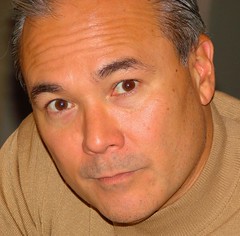 Dr. William Davis says modern-day heart care "tragically off track" Heart health in the United States and around the world is that much more pronounced nowadays in light of the fact that obesity rates and and so-called "high" cholesterol have risen to the level of being labeled diseases that require a pharmaceutical response. But there's at least one cardiologist in America who believes all the current treatments being used against coronary heart disease risks fall well short of the mark in actually doing anything about artery blockages that lead to a heart attack or stroke. His name is Dr. William Davis and this heart doctor from Milwaukee, Wisconsin believes heart health is nothing more than a money-making venture for hospitals while patients experience no actual improvements in their risks of having a cardiovascular event while following the recommended high-carb, low-fat diet and popping expensive and dangerous statin drugs. Those are just a few of the topics he and I discussed in my interview with him which I will share with you today. Fans of livin' la vida low-carb are gonna LOVE Dr. Davis! ENJOY! 1. Today we have with us Dr. William Davis, an unconventional cardiologist who also serves as the medical director of Milwaukee Heart Scan in Milwaukee, Wisconsin. Dr. Davis is an outspoken opponent of the traditional methods and treatments espoused by the medical and pharmaceutical industries for dealing with heart disease. Before we get into the details of what you believe about that, Dr. Davis, tell us a little bit about why you got interested in the subject of heart disease in the first place. Does heart disease run in your own family?I came to the world of heart disease by the usual misguided route: When I was young, I found it exciting because of the opportunity for procedures to “fix” this disease. After about 10 years of a cardiology practice heavily focused on angioplasty, stents, and the like, I began to recognize that this was a treadmill of futility. I was just toying with these notions when my real epiphany came—-my mother died of a heart attack at age 62. Here I was, an interventional cardiologist employing all the newest techniques and my own mother dies of the disease I thought I understood. That was the moment when it struck me: The world of conventional heart care was terribly and tragically off track. 2. Much of what we have been taught about heart disease focuses on dietary fat consumption, excess body fat, LDL/total cholesterol, and too much stress. But most of these “scams” as you describe them are not based on the science behind heart disease. How did such dogmatic axioms become so ingrained in our culture as undeniable truths?The limited understanding of issues like cholesterol in the 1960s and 1970s has become deeply ingrained into the practicing cardiologist of this century. Unfortunately, it means that your practicing family practitioner, internist, or cardiologist is still performing a test that was outdated over a decade ago—-the cholesterol panel. Today, there are more insightful and sophisticated tests that uncover the causes of heart disease far more effectively than cholesterol testing. There’s also an economically perverse equation at work: If your heart disease is prevented, there’s virtually no profit in it. But if you are allowed to have a heart attack, there’s a bonanza of thousands of dollars of procedures that follow. This is a situation aided and abetted by hospitals, cardiologists, and the vast infrastructure of corporations that support the procedural cardiovascular care system. It is a system that generates tens of billions of dollars each and every year and sports a growth rate that is the envy of Wall Street. 3. You wrote two books about this subject--Track Your Plaque (2004) and What Does My Heart Scan Show? (2007)--to help dispel many of these so-called truths about heart disease and to help better prepare people about how they can detect and even prevent the risk of developing heart disease. And yet 9 out of every 10 cases of heart disease go undetected until a heart attack occurs. That’s why you developed a simple 3-step program has helped many patients see how much plaque is built up, find out why it is happening, and to give them complete control over the problem. Discuss how you came up with this novel concept for treating heart disease when most other cardiologists and physicians look at LDL cholesterol. Why is that such a poor way to gauge heart disease risk? It's no secret: LDL cholesterol has proven a miserable failure as a detector of coronary heart disease. Abundant clinical trial experience has borne this fact out: LDL cholesterol of the average American: 132 mg/dl; average LDL cholesterol of someone suffering a heart attack: 134 mg/dl—they’re virtually indistinguishable. So, if your LDL cholesterol is, say, 141, will you die tomorrow? Will you require a heart bypass operation to restore flow to your blocked coronary arteries 2 years from now? Or, will you be dancing on the graves of all your friends and neighbors 50 years from now, never having experienced a stitch of heart disease? Cholesterol won’t tell you. Cholesterol is a predictor on a statistical basis, but fails miserably when applied to a specific individual. This led me to search for better tools to identify the person with heart disease risk. The best test for heart disease is a test that measures the disease itself, not some risk for the disease. That’s how I stumbled on heart scans as a method of detecting early coronary heart disease. Heart scans are measure of the disease itself-—atherosclerotic plaque-—not some risk factor that might predict its development. 4. I recently highlighted a rather humorous post you wrote on “The Heart Scan Blog” about your experience on a low-fat diet as prescribed by Dr. Dean Ornish for “reversing heart disease.” What’s wrong with the low-fat , low-salt, low-cholesterol (DASH) diet recommendation that Dr. Ornish and virtually every other medical professional prescribes to people who are developing or already have heart disease?The misguided advice offered to most people is that a low-fat diet reduces cholesterol and heart disease. This is simply untrue for the majority of people. In fact, the opposite is true: a low-fat, high-carbohydrate diet filled with wheat products like whole grain bread, wheat crackers, pretzels, fiber breakfast cereals, and wheat pasta raise cholesterol. Corn starch-containing products, white rice, potatoes, and processed carbohydrates are similarly to blame. They raise small LDL cholesterol particles, the worst form of cholesterol of all. While large cholesterol particles are rather harmless, the small cholesterol particles are the ones behind heart disease in over 70% of cases. And it's small LDL cholesterol that is hugely magnified by high-fiber, high-carbohydrate diets. 5. One of my readers sent me an e-mail with concerns about the diet you recommend in “Track Your Plaque” because it is basically a lower-fat approach (albeit, not as low-fat as Dr. Ornish recommends). Your diet calls for 24 percent fat coming from unsaturated fat sources in conjunction with a high-fiber (35g daily) intake. What are your thoughts about a higher fat diet and more specifically one that includes saturated fat?The Track Your Plaque book was written in 2003 before its publication in 2004. Much has happened in the few short years since its release. Among the changes to the somewhat low-fat approach articulated in the book is diet that has proven more effective in correcting the causes of heart disease: a diet higher and richer in healthy fats like those from fish, raw nuts, olive oil, canola oil, flaxseed and grapeseed oils, and wild game. These changes, along with a reduction in carbohydrate content, suggest that a diet that is at least 30% fat (calorie percent) is probably more towards the ideal. However, I do believe that saturated fat remains an issue. Saturated fat really became an issue when humans began to fry their foods and add animal fats like butter and shortening. It became an even bigger issue when the “factory farm” phenomenon seized control of American farming away from the traditional family farm, introducing economies of scale like corn feeding of livestock that transformed beef, pork, and chicken into high saturated fat foods. The trend to reject saturated fat is really a trend towards rejecting the factory farm movement driven by enormous multi-national corporations intent on supporting the fast food and processed food industries. 6. I lost nearly 200 pounds on the Atkins diet back in 2004 and have been able to maintain that weight loss ever since by continuing to implement the principles I learned from the late great Dr. Robert C. Atkins. And yet you do not recommend this particular way of eating over the long-term as a way to improve health. What specifically is unhealthy about eating an Atkins-styled diet beyond weight loss and is there a better way of eating that you believe is both heart healthy and bring about weight control?Interestingly, before Dr. Atkins died, he articulated a diet that was more balanced in monounsaturated fats, less rich in saturated fats, included more vegetables, fruits, nuts, and other healthy foods. We need to remember that the “Induction phase” of the Atkins’ diet that permitted indiscriminate and unlimited intake of meat, cheese, and other saturated fat-rich foods was simply that—-the induction into the world that allowed you to be divorced from the addictive property of refined carbohydrates. In we were to follow the Induction phase of the Atkins’ diet indefinitely, we would experience increased bladder infections, kidney stones, rashes, osteoporosis, cancer (liver, colon, prostate, breast), diverticulosis, and other chronic conditions. The induction phase is a useful tool to make the break from carbohydrate-addicted physiology, but not a recipe for long-term health. 7. For people interested in having their plaque measured by a heart specialist like yourself, the Heart Scan Resource Center at TrackYourPlaque.com is an excellent resource for finding a recommended center where this can be conducted. Walk us through what that process is like. What exactly happens when a patient comes into your office for this test? How soon will they know the results of their scan and can begin working on correcting any abnormalities?Actually, heart scans are performed at heart scan centers. I do not own a heart scan device. Thus, I have no vested interest in having people undergo heart scans. Heart scans are, nonetheless, a valuable tool for detection and quantification of coronary atherosclerotic plaque, the material that constitutes coronary artery disease and the stuff that causes heart attacks. Heart scans are ridiculously easy tests. Some EKG leads are applied, hold your breath—-you’re done. No IV, no poking or prodding, no pain. The paperwork truly takes more time than the scan itself. You walk away from the scan center with a score, a calcium score that reflects the total amount of atherosclerotic plaque in your heart’s arteries. Because calcium occupies 20% of the volume of atherosclerotic plaque in your arteries, measuring calcium is a useful and practical method of indirectly measuring the total amount of plaque in your heart arteries. Once you have a heart scan score—a precise measure of atherosclerotic plaque in your coronary arteries—you have a starting place to seize control and stop the increase in your score, perhaps even reduce it. 8. Just so we're perfectly clear about what you are saying, am I right in assuming you believe people should people stop worrying about their cholesterol numbers because they really don’t have a bearing on heart disease? How about those who are taking cholesterol-lowering statin medications like Lipitor, Zocor, and Crestor, among many others to lower their “high” cholesterol? Is there a reason for them to remain on those drugs in light of what we now know about heart disease?The cholesterol reducing drugs do have role—-unfortunately, the majority of people are put on these drugs for the wrong reasons. Let me explain. Someone will come in because of a reportedly high cholesterol. We do more testing and discover that the majority, say, 90%, of the cholesterol particles are small. This pattern is very likely to contribute to formation of plaque in the arteries. It also responds exceedingly well to a reduced carbohydrate diet. Many, many times, a person with this pattern will follow a diet that slashes carbohydrate content and cholesterol levels drop like a stone. In this instance, statin cholesterol drugs may be entirely unnecessary. Another exception: A person with a high cholesterol that is not truly high. When you are provided an LDL cholesterol from your doctor’s office, it has not been measured, it has been estimated. The crude estimation is based on a calculation called the “Friedwald equation,” an equation derived in the 1960s when new technology for testing was not yet available. It sounds ridiculously simple, but simply measuring cholesterol can provide insights that can often suggest that a statin cholesterol drug is not necessary. The more sophisticated testing is called “lipoprotein testing.” 9. Cardiac care is “big business” with nearly $60 BILLION dollars annually spent by Americans on heart health-related expenses. In fact, half of the profits generated from most hospitals comes from cardiac care alone--a staggering number which should be a real wake-up call to people who are concerned about health insurance and healthcare costs. Who or what do you believe is driving this heart disease “business” and are they intentionally trying to make people sick to continue the big payday?Performing heart procedures pays big money. Prevention of heart disease does not. That simple perversion of the healthcare equation explains a lot. Physicians and hospitals are not in business to provide health. They operate businesses that are meant to profit from treatment of disease. Wiping out a disease is not part of the picture. Put in a stent and reap about $2000 to the cardiologist, $25000 or more to the hospital. Perform a heart bypass operation, and the physician gets at least $5000, the hospital $70-100 thousand. Prevent a heart attack and you get paid . . . maybe a couple of hundred dollars for several hours work. Which do you think most physicians choose? Which do you think hospitals promote in endless TV commercials and billboards? What about the stent industry, manufacturers of implantable defibrillators, operating room equipment, and on and on. Heart disease is big business. In fact, it is the biggest business every conceived in health. Why try to change it? I try to change it because there is a far better way, a way not built on profit, but on returning control of health and life back to the individual. I see what I do as self-empowerment of the individual, taking control over health and away from hospitals and physicians and back to the human being whose life is at stake. 10. THANK YOU again, Dr. Davis, for joining us here today at the “Livin' La Vida Low-Carb” blog to talk about one of the most important health issues of our lifetime. I’m anxious to have one of these screenings myself in the near future and encourage my readers to do the same. Do you have any words of encouragement and hope to share before we end this interview today?We are just beginning to enter an age of taking back control of health from hospitals and physicians and returning it to the individual. The biggest chunk of this phenomenon is heart disease. I believe that the tools necessary to seize control of coronary heart disease are already available to the vast majority of people. It involves heart scans, testing that effectively uncovers the underlying causes of heart disease (including the rejection of the cholesterol testing scam), and following a program that truly corrects the causes. I endorse web sites like Livin' La Vida Low-Carb because they shed light on the enormous sea of misinformation being fed the American public. Your 200-pound weight loss itself speaks volumes about the useless detour the American diet has followed. There are far better answers than the ones being provided by organizations like the American Heart Association, the USDA, the Surgeon General’s office, and other official organizations. We need to turn to the real world wisdom provided by the national experiment in health and diet provided by people like Jimmy Moore. In fact, I tell my patients that if they want heart disease, they should follow the American Heart Association diet. On the other hand, if they want to substantially reduce, perhaps eliminate, risk of heart disease in their lifetimes, they need to follow a diet that eliminates the distortions of convention habits and wisdom. Be sure to visit "The Heart Scan Blog" often for more from Dr. William Davis. And you can e-mail him to thank him for the work he is doing on behalf of heart health at heartprotection@aol.com. Labels: arteries, cardiovascular disease, cholesterol, doctors, fat, heart attack, heart disease, Heart Scan Blog, interview, low-carb, plaque, saturated fat, statins, Track Your Plaque, William Davis
'The Statin Effects Study' Spills The Beans On Impact Of Most Popular Cholesterol Treatment
It has been two years since I first blogged about an ongoing study looking at the negative impact of cholesterol-lowering statin drugs (Lipitor, Crestor, and Zocor are the bestselling) conducted by researchers at the University of California at San Diego (UCSD). With literally BILLIONS of dollars spent by patients on each of these drugs annually, are the alleged benefits really worth the pain that so many statin users are reporting? That's exactly the focus of The Statin Effects Study, led by researcher Dr. Beatrice A. Golomb, and it is the first of its kind to examine and compare actual patient feedback of these FDA-approved drugs on their bodies. With well-publicized concerns in the past over the safety of using such drugs as Vioxx and then the popular diabetes medicine Avandia this week, could removal of these statin drugs from the marketplace be very far behind? It may be coming a lot sooner than later. Before I started on the Atkins diet in January 2004, I was told by my family doctor to take statin drugs to control my cholesterol. First it was Lipitor which just about killed my joints and muscles to the point that I couldn't take the pain anymore. I pleaded with my doc to give me something else to "lower my cholesterol," so then he switched me to Crestor stating it wouldn't hurt me as bad. Boy was he wrong...it was WORSE! A LOT worse! In fact, I remember playing basketball at my church one night after losing 100 pounds in early 2004 while still taking Crestor when I went up for a rebound and felt the worst pain I've ever experienced in my thumb. I quickly ran to the sideline and saw my hand swelling up fast (I went to the emergency room where they said I had a deep tissue bruise). All I did was grab the basketball, but the joints in my fingers had become so weak that the impact of gripping the ball caused me to suffer an injury when it probably would not have happened had I not been taking a statin drug. Sure, statins have been shown to lower your cholesterol numbers, but at what cost to the rest of your health? You've got studies like this one advocating higher and higher doses of statin drugs even in the midst of such nightmarish horror stories from the people who take them. When I saw a slight increase in my LDL cholesterol last year, my doctor was adamant that I go on a statin drug again. I vehemently refused because I KNEW how they made me feel. So I posed the question to my readers "Do I Statin Or Not?" and the overwhelming conclusion by a consensus opinion was to avoid them at all costs. I was going to anyway, but it was good to see confirmation from my educated peers about this issue. Because of the negative impact of statins, there are lawsuits being filed against the makers of Lipitor along with several other class action lawsuits from people who have suffered the devastating impact of these medicines that are supposed to be helping our health, not harming it. And yet there is still a lot of confusion and concerns over cholesterol that persists.  Dr. Golomb taking on huge special interests with her statin study So what are some of the most common negative effects of statin drugs according to Dr. Golomb and her fellow researchers? After sifting through over 4100 response surveys from the people participating in the study so far, here's what they found: - Most of the "adverse effects" occur in higher doses of statins - Recurring symptoms happen frequently after the first side effect - Pain in muscles, trouble remembering things, a tingling, burning, or numbing sensation, and a general sense of irritability are universal reactions to statin drugs - Other symptoms include mood changes, violent nightmares, liver and stomach problems, trouble breathing, profuse sweating, weight gain, breast enhancement, dry skin, rash, impotence, and blood pressure changes - Statins also impact protein in the urine, kidney function, and the heart The researches are quick to point out that all of these symptoms may or may not be directly related to statin drug use, but they are simply what the study participants shared about what was happening to their bodies while taking them. *We have learned a great deal that helps us to help those who contact us," the researchers said.The results of The Statin Effects Study have already begun to appear in published form through the American Heart Association, the Archives of Internal Medicine, Controlled Clinical Trials, Annals of Internal Medicine among others. More importantly, the findings have been presented to the doctors who are prescribing these drugs left and right to inform them what they are doing to their supposedly hypercholesterolemic patients. Whether the message is getting through or not is another story. While the media has picked up on this study, the reporting is, according to the researchers, "not always accurate." Gee, what a surprise there! But the more information that comes out about what these drugs are doing to the health of the people taking them, it will be difficult for the pharmaceutical companies and their buddies in the media to keep sweeping these facts under the proverbial rug! There are several side studies that have come out of this data, including: - What impact on memory do statin drugs have? - Can your body recover from the negative impact of taking statins? - What should doctors do for patients complaining about pain on statins? Additionally, they want to continue the information collection process by: - Creating a survey for family members of statin sufferers to fill out - Taking an even closer look at the benefits and harm from statins - Conducting tests on exactly why statins cause the alleged problems - Examining treatment options for the negative effects of statins - Continually seeking to publish their study findings in scientific journals Not one single dime of money for The Statin Effects Study has been collected from the pharmaceutical industry (although it is highly doubtful they would since the results of the study are not looking good for them!), so this research project has been funded by contributions from individuals who care about this subject. "We believe this is vital to permitting an unbiased evaluation that includes risks as well as benefits of statin use," the researchers contend. "Your contribution, if you wish to make one, will truly make a difference."If you would like to donate funds to continue financing this study, then please write a check for any amount that you can afford payable to "UC San Diego Foundation, Fund #3923" and send it to: UCSD Statin Effects Study 9500 Gilman Drive, Dept. 0995 La Jolla, CA 92093-0995 You may also submit any questions, comments, or updates on your own experiences taking statin drugs to the researchers anytime by writing to them at statinstudy@ucsd.edu or by calling (858) 558-4950 ext. 215. "Furthermore, if you know of someone else who may have experienced benefits or adverse effects on statins, we would be grateful if you might be willing to provide them with our contact information and let them know that their input can be of great help to us," the researchers exclaimed.Have you taken or are you currently taking statin drugs and experience any specific side effects? If so, then take the online survey RIGHT NOW to share how these dangerous drugs may have harmed you in some way. We have an opportunity to help others who may feel like they have to take statin drugs avoid the pain that so many of us have experienced. I gave them my information two years ago and I was happy to contribute in some small way. Of course, those of us who are livin' la vida low-carb already know that the supposed cholesterol concerns that we hear so much about are completely bunk because the claims have been greatly exaggerated by the drug companies to make a profit. My challenge back to the people who state that elevated cholesterol levels are bad for you is prove it's unhealthy! So far, there have been no takers because they KNOW the scientific evidence does not support their position! So why take statin drugs at all? For complete and well-researched details about this topic, you absolutely must read the phenomenal book entitled The Great Cholesterol Con by Anthony Colpo. The TRUTH is there in black and white! You can e-mail Dr. Beatrice A. Golomb to thank her personally for her fantastic leadership on this statin study at bgolomb@ucsd.edu. We need more people like her willing to take the arrows for the betterment of societal health and well-being. You are to be commended, Dr. Golomb! 5-25-07 UPDATE: Well, I heard from Dr. Golomb today after she read this blog post. Dear Jimmy Moore,
Thank you so very much for your kind words.
We have, um, been under fire a bit from some quarters this last week so it is wonderful to be reminded that what we are doing is important to the people that matter -- patients!!
Sincerely,
Beatrice Golomb, MD, PhD
Associate Professor of Medicine
UCSD School of MedicineOh, I bet you have been "under fire" from the special interests in the pharmaceutical industry that stand to lose BILLIONS of dollars if you keep exposing the TRUTH about what they are doing to the health of real people, or as you describe as "the people that matter -- patients!!" Yep, we are that group of people those in the medical community who support the economic interests of prescription medications like statin drugs have completely forgotten about! 5-26-07 UPDATE: One of my readers wanted to share about a new book she's reading about the corruption of the drug companies that are "selling sickness" to make big profits. Here's what she wrote in an e-mail: While reading your blog today on the Statin Effects Study, a book I had just finished reading immediately came to mind. Its title is Selling Sickness and was written by Ray Moynihan and Alan Cassels. It is truly phenomenal, and the chapter in the book on "high cholesterol" is eye-opening.
I, too, had been on Crestor and Lipitor and suffered terrible ill effects. After reading this book, I took myself off Lipitor immediately. A portion of the blurb on the inside jacket of the book reads as follows:
"Using their dominating influence in the world of medical science, drug companies are systematically working to widen the very boundaries that define illness. Old conditions are expanded, new ones created, and the markets for medication grow ever larger. Mild problems are redefined as serious illness and common complaints are labeled as medical conditions requiring drug treatments. Runny noses are now allergic rhinitis, PMS has become a psychiatric disorder, and hyperactive children have ADD. When it comes to conditions like high cholesterol or low bone density, being "at risk" is sold as a disease in its own right..."
"The marketing strategies of the world's biggest drug companies now aggressively target the healthy and the well. The ups and downs of daily life have become mental disorders, common complaints are transformed into frightening conditions, and more and more ordinary people are turned into patients. With promotional campaigns that exploit our deepest fears of death, decay and disease, the $500 billion pharmaceutical industry is literally changing what it means to be human. Rightly rewarded for saving life and reducing suffering, the global drug giants are no longer content selling medicines only to the ill. Because as Wall Street knows well, there's a lot of money to be made telling healthy people they're sick."
Jimmy, I got my copy of Selling Sickness from my public library. I would highly recommend that you read it (it's a quick read) and the chapters cover, in part, high cholesterol, depression, menopause, attention deficit disorder, high blood pressure, osteoporosis, irritable bowel syndrome, etc.I've heard of this book before and have been trying to get my hands on it. When I do, you can bet I'll write a review here at my blog. THANKS for sharing this with us. Labels: Beatrice Golomb, cholesterol, Crestor, Lipitor, low-carb, research, side effects, Statin Effects Study, statins, study, UCSD, Zocor
A Cardiologist's Diet? I Don't Think So!
 My high school friend Laura Creekmore wants to "eat better" One of my favorite blogs to pay a visit to every now and then is one called "Fixin' Supper," a fun cooking blog dedicated to the culinary desires of its author Laura Creekmore. Of course, I am a bit biased in favor of checking out this blog since Laura is a long-time friend of mine from high school. You may recall I featured her and her blog at "Livin' La Vida Low-Carb" last year. Anyways, I was looking around Laura's blog today and noticed she mentioned my name in a blog post she called "Eating Like A Cardiologist." Hmmm, sounds like it oughta be interesting, so I kept reading. It turns out, Laura is thinking about trying to eat better for the sake of her health and to set a good example for those beautiful kids of hers. Despite the fact that she was the captain of the cheerleading squad in high school (oh how time flies when you're living life, huh Laura!), she now struggles to eat right in her mid-30's. Can I get a witness anyone? :D The neat thing is Laura has two prominent weight loss success stories--both of which happen to be the result of livin' la vida low-carb--in her life. "I'm surrounded by South Beach and Atkins successes, but frankly, they always seemed faddish to me," Laura quibbed at her blog. "Not that there aren't good ideas in both--well, heck, just ask my friend Jimmy Moore or NYC sister about the positive effects of these plans."Even still, she has "resisted" the urge to jump into this way of eating full-fledged. But she does recognize that both me and her sister see our low-carb diets as more than just a way to lose weight, but actually they are "lifestyle transformations." ABSOLUTELY, Laura, and yet... "And, this, too, I resisted," she admitted.LOL! What a paradox! Laura knows WHAT to do and the WHY behind it, yet she isn't convinced it's right for her? The constant back and forth of this food is good for you, no wait now it's bad for you headlines has thoroughly confused Laura over the years about what is right for her. She has come to the realization she'd "rather eat barbecue than live to be 100." I think many can relate to that sentiment, Laura! Self-describing herself as "a reasonably healthy person," Laura says her kids keep her accountable and she loves to exercise regularly (of course, carrying around a little munchkin all the time will give you a hearty workout!). I think Laura also speaks for most people when she says "if I'm not having fun while I'm here, what's the point?" True! Which is why it is important to find something that works for you, keeps you healthy, maintains your weight, and is STILL pleasurable. For me and your sister, that has been livin' la vida low-carb. For others, it could be eating a vegetarian or vegan diet. To each his own and nobody should judge us about OUR choices. The "tipping point" for Laura came when she read the cover story of the February 2006 issue of National Geographic (go to Laura's blog for the link!). In it, she noticed that the cardiologists quoted in the story ate NOTHING but health food and were all taking so-called cholesterol-lowering statin drugs like Lipitor and Crestor. Don't get me started on statins again! Laura has the right perspective about this healthy eating discussion. "I do NOT need another medication...trust me, I'm over my lifetime quotient...but I can certainly eat better."Good for you, Laura, and I'm VERY proud of you for realizing this in your life. That's a rarity these days because most people are simply unwilling to even CONSIDER making changes until something bad happens to them like a heart attack or stroke. If more people started thinking about what their health is going to be like in five, ten, even twenty years from now, then perhaps they could prevent the inevitable onset of such diseases as diabetes, heart disease, metabolic syndrome, and cancer, just to name a few. There's no time like the present to get healthy! I love that part when she says she'd "rather eat barbecue than live to be 100." Hee hee! Actually, Laura, if you eat the barbecue and combine it with a solid low-carb plan, then you very well COULD live to be 100 years old because you will be eating the healthiest diet on the planet! Eat those non-starchy and green leafy vegetables as well as low-glycemic fruits like berries and you'll see remarkable positive effects on both your weight and health. YOU CAN DO IT! If you'd like to send your encouragement to my friend Laura Creekmore about her newfound desire to eat better, then e-mail her by clicking here. By the way, let me give some props to Laura for being featured in The Tennesseean newspaper recently for her work with Internet groups in the Nashville, Tennessee area. WOO HOO! Can I have your autograph, Laura! :D Labels: cardiologist, diet, exercise, Fixin' Supper, health, healthy, Laura Creekmore, low-carb, statins
Study: Low Cholesterol Levels Could Lead To Depression, Suicide, And Even Death
 Dr. Yin-Xiong Li warns your cholesterol can get too LOW With every other commercial on your television screen these days pushing another prescription drug that is supposed to help you medicate your high-cholesterol problem to allegedly improve your health, I couldn't help but share this TheHeart.org article about an eye-opening new study showing just how dangerous it is to have cholesterol levels that are too low. Yep, you heard me right--TOO LOW! Lead researcher Dr. Yin-Xiong Li, Assistant Professor of Pediatrics and Cell Biology at the Duke University Medical Center in Durham, North Carolina, conducted a basic-science study on zebra fish embryos and cholesterol supplementation to prevent fetal alcohol defects that was published in the January 22, 2007 issue of Laboratory Investigation. Dr. Li was able to extrapolate some important information that raises questions about cholesterol levels that may prove important in light of the current cholesterol-lowering madness that we are going through in 2007. His question: Is there such a thing as too LOW cholesterol? Just asking that question has no doubt gotten Dr. Li hate mail from every pill-pushing pharmaceutical company with a cholesterol drug on the market today. Whether it is Liptor, Crestor, Zetia, or any of the other medicines designed to artificially drop cholesterol levels, you can't avoid seeing or hearing about this suddenly trumped up issue of cholesterol. They have sounded the alarm on the supposed dangers of having high-cholesterol for so long that people are actually buying into it. But Dr. Li says the presence of the right amount and kinds of cholesterol in the body is too important for people to unnecessarily reduce to an arbitrary number like the current recommendation to get it below 200. That's not necessarily a good idea for everyone because there are health risks for lowering cholesterol too much, Dr. Li added. Interestingly, Dr. Li is very concerned about the overuse of statins by doctors these days. He admitted that they are indeed helping to reduce the risk of a heart attack or stroke. But the fact is these drugs put people at a higher risk of death if they are taking one of these drugs and have a heart attack or stroke with low levels of cholesterol. EEEEK! "If you cut the cholesterol too low, the risk is that when you have an [heart attack] or stroke, the event may be much worse and the death rate could be higher, because adult stem cells do not function well under extremely low levels of cholesterol," Dr. Li explained.Many people are beginning to realize statin drugs are bad news for people who think they have a cholesterol problem when they really don't (these drugs are definitely about making money, not improving health). Especially if you are livin' la vida low-carb, cholesterol levels are not measured the same way as someone who is eating higher amounts of carbohydrates. That explains why traditional cholesterol tests that measure LDL and total cholesterol alone as the indicators of heart health risks for people on a low-carb diet are virtually irrelevant. As we saw just last week in this study, HDL and triglycerides are a better marker for heart disease risk than the way we've been doing it our entire lives. And Dr. Li knows this, but it's not just about heart health. There are other costs to our health associated with lowering cholesterol levels too much. The existence of cholesterol helps the body produce stem cells to repair tissues and organs that have been damaged. "If you cut the cholesterol too low, instead of stem cells you will get fibrous cells repairing organs, which in turn are replaced by scar tissue," Dr. Li stated.According to Dr. Li, this is why death will occur more often in people with who have too low cholesterol because their blood vessels are much stiffer and will very likely break. Additionally, the adverse mental side effects of low cholesterol levels can be quite traumatic (nevermind the fact that statins has been found to cause vivid and scary nightmares!). "If your cholesterol is too low, you are likely to be extremely unhappy, with a higher likelihood of suicidal behavior," Dr. Li contended. "We also know that drugs against depression increase cholesterol."His conclusion is that we need to have a balance between what is considered high-cholesterol and low-cholesterol to protect people from suffering a cardiovascular even, have proper levels of stem cells, and ward off depression. But what is that number? Doctors put the overall cholesterol maximum at 200, but is this the right level for everyone across the board. Nothing irks me more than to see people who have total cholesterol of 210 being put on a statin drug just to push their number below the magic line that has been drawn by doctors. One expert in the column said if LDL cholesterol goes below 50 mmol/L, then he would decide to "pull back a bit" on the level of statin drugs used. Another expert said he would let it get below 40 mmol/L before he would let it stop. Are you kidding me? Why would you allow LDL to get down to that LOW a level when clearly there are health benefits to be gained from high LDL levels, especially for the elderly among us? If you are interested in learning more about cholesterol, including why higher levels of HDL and total cholesterol aren't the massive crisis they have been made out to be, then you really should read Anthony Colpo's bombshell book The Great Cholesterol Con. It will open your eyes to some amazing facts and research behind the current cholesterol-lowering phenomena! If we really want to do something about cholesterol, then more doctors need to start putting their patients on a low-carb diet and exercise program to lower total cholesterol and even raise HDL cholesterol levels without the use of any drugs. We need to get out of the Stone Age of medicine and start showing people how they can take better care of their own health naturally and effectively. Livin' la vida low-carb can help us get there sooner rather than later. You can contact Dr. Yin-Xiong Li about his research by e-mailing him at yinxiong.li@duke.edu. 2-5-07 UPDATE: Dr. Yin-Xiong Li sent me an e-mail today regarding my focus on his cholesterol research and confirmed many of my suspicions about how he is being villified by the mainstream medical research establishment. Dear Jimmy,
Thank you for writing to introduce our work. I am currently in the craziness of applying for an NIH grant. This grant is the fourth time it has been submitted to them. As you see from the study you highlighted at your blog, our research has been conducted without government grant support for three years and it was fully supported by my own starting package from Duke.
Anyway, since the paper was published last month, I received lots of attention worldwide from intersted individuals and basic research scientists. While most of them agree with me and appreciate what I am doing by telling the truth, some doctors and drug makers are marking me and my work as ridiculous. You know from what you are doing at your blog the kind pressure that I am facing now.
I am working on my grant at this moment to help further our research. The published work I wrote about is specifically about how important cholesterol is in supporting stem cell growth in embryo development. What I said about heart disease is a reasonable speculation that needs more investigation to test.
Yin-Xiong Li, MD., Ph.D.
Assistant Professor, Department of Medicine
Pediatrics and Cell Biology
Duke University Medical CenterTHANK YOU for sharing your comments with me and my readers, Dr. Li! When you present work that goes against what many have established as irrefutable truths, then you truly are a marked man. But a real scientist (LIKE YOU!) realizes that nothing is absolutely certain without the research to back it up. Keep doing what you are doing, Dr. Li, and make us proud. Labels: cholesterol, death, drugs, Great Cholesterol Con, heart attack, LDL, research, statins, stroke, study, Yin-Xiong Li, zebra fish embryos
Spitfire Mad At Doctors For Making Us Fat
 No, that's not Low-Carb Dave, but it could describe how he feels There are many things that can just plain make you spitfire mad in this world. The senseless killing of innocent girls in an Amish community. Babies being born with incurable diseases or deformaties. A father who takes the life of his entire family. You know, the kind of stuff that makes you so upset and angry that you can hardly contain your emotions. But, to a lesser degree, there are issues like the one my blogging friend "Low-Carb Dave" Koch wrote about today at his blog that can still get your blood boiling over when you stop and think about the ramifications of actions taken long ago. Especially when they are completely preventable from happening, but were not. What is it? The overdrugging that goes on in our society. Dave talks about back in the early 1980s being put on the steroid Prednisone which was used to treat his severe childhood asthma to reduce the inflammation in his lungs. He talked about the harrowing experiences he went through with this condition as a child and how it "was freaky" at times for him and his parents. He recalled being given "bucket loads of these steroids" to treat his asthma rather than looking at more natural alternatives. At the age of seven, Dave got chicken pox and was not able to attend school for nearly two months because of the one-two punch that the chicken pox along with his asthma presented him. Actually, it very near killed him! Predictably, the steroid use increased exponentially as well because that's what the doctors thought was best. But there was one side effect from taking all these drugs: OBESITY! "When I went back to school, it was the day they were doing class photos," Dave recalled. "What I remember clearly was the different way that my classmates treated me. The reason? I was fat. I had become a fat kid. Before the chicken pox was the last time I remember having a flat stomach."In addition to the weight gain, Dave experienced the loss of lean muscle mass and a huge boost in appetite that led him to eat and eat and...well, you know what happened (read more about just how big Low-Carb Dave eventually got by clicking here). In studying the impact of steroids on his body a little more as he has gotten older, Dave discovered that these drugs can actually induce a diabetes-like state of glucose intolerance. Yikes! Most amazing is the fact that none of his doctors who prescribed these drugs for him even batted an eye at what they were doing to his body. But guess who they blamed instead for Dave's weight gain? They pointed the finger at his mother saying it was her fault for making him fat. The doctors constantly chastised Dave's mother about his growing weight problem and demanded she do something about it before the problem got worse. One doctor who Dave described as "a good guy" tried to help Dave with his eating problem, but he wanted to prescribe some Prozac to help. UGH! Not surprisingly, Dave's cholesterol numbers were high and the doctors urged him to get on a statin drug to bring the numbers down. But that's right about the same time that Dave made the bold and wise decision to start the Atkins diet. In fact, one doctor he discussed his new eating plan with talked about how one person he knew had lost nearly 200 pounds on the low-carb diet. But then he revealed to Dave something that most of us already suspected. "The Food & Drug industry was stopping people from finding out about [the effectiveness of Atkins]," Dave's doctor exclaimed.Dave said that gave him every reason in the world to do this with confidence and he has never looked back since. Even after losing 66 pounds by livin' la vida low-carb, another doctor wanted him to try LAP-BAND surgery. This was what REALLY angered Dave and made him to decide to go it alone to "take the future of my health into my own hands!" Because of all those years of steroids he took, Dave is still feeling the negative effects on his blood sugar from the glucose intolerance he developed. Dave has his own theory about why his doctors didn't warn his mother about this nasty side effect. "The reason you don't hear about this is the same reason that the government promotes a low-fat diet," Dave noted. "It's because of the huge interest by corporations in having people eat plenty of carbohydrates."Dave's right, you know. This is precisely why a low-carb diet is not promoted right alongside the low-fat diet. Too many interest groups would be up in arms lobbying for the government to stop hurting their business by pushing livin' la vida low-carb. Low-fat does not threaten them, but low-carb does. It's funny, you never hear any of the industries hurt by the low-fat diet whining and complaining about their profits being cut into by that diet, do you? Hmmm, I guess it should cut both ways! Today, Dave has become a huge low-carb weight loss success story and he's STILL losing weight as he seeks to make himself healthier and healthier thanks to the amazing low-carb lifestyle. Here's what he had to say about his philosophy on eating carbs today. "If you want to eat carbs, that is your choice. Please respect my requirement to not eat them," Dave remarked. "It's something I have no choice in. I have felt the best I have ever felt in my whole life being off carbs! The amount of misery, health and self-esteem problems I have experienced because of obesity is enough to fill volumes of books. Am I mad at the doctors? Yeah a little. Am I willing to take charge of my own life now? Hell YES!"YOU GOT GET 'EM, LOW-CARB DAVE!!! I'm so proud to know you and the remarkable transformation that you have become right before our eyes in just this past year. The best part about your story is that you are STILL changing for the better to become that big stud of a man that you have always wanted to be--slim, trim, happy and healthy for the rest of your life and never returning to morbid obesity again. You inspire me as you encourage and educate others with your weight loss, Dave. Keep it up, my friend! I couldn't be prouder of you than I am right now. Dave's story is yet another example of why I am always about providing you with information that you may not hear anywhere else. Doctors may not have an agenda, per se, but the people feeding them their information about drugs obviously want to make money. Getting people to start livin' la vida low-carb doesn't make them any moolah, so guess what they suggest doctors do instead? Do you see why so many of us are getting spitfire mad at doctors for making us fat?! Labels: Atkins, blog, carbs, Dave Koch, diet, doctors, drugs, fat, health, low-carb, low-fat, obesity, statins, steroids, weight
|


