|
PLEASE UPDATE YOUR BOOKMARKS TO LIVINLAVIDALOWCARB.COM/BLOG
'Livin' La Vida Low-Carb Show' Episode 154: Cassandra Forsythe Talks About Her 'Perfect Body Diet' Book
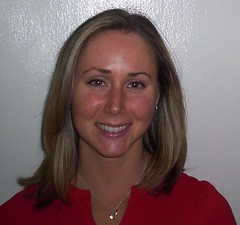 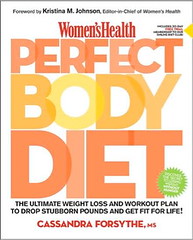 Low-carb researcher Cassandra Forsythe talks about her new book I have great hope for the future of livin' la vida low-carb because there is a whole generation of young people who are championing this cause right now and will be for at least the next half century! That should get you very excited if you believe in the solid scientific foundation of the healthy low-carb lifestyle and I am privileged to be a part of something like this that is making such a positive difference in the lives of this generation and quite possibly many generations to come. My guest today on my podcast show is another one of these young people who is making waves for low-carb. In Episode 154 of "The Livin' La Vida Low-Carb Show with Jimmy Moore," we get to hear from the enthusiastic and lovely Cassandra Forsythe, a research assistant to world-renowned low-carb researcher Dr. Jeff Volek at the University of Connecticut and the author of two books of her own-- The New Rules Of Lifting For Women and her latest Women's Health Perfect Body Diet. Some have read Cassandra's new book and shared with me their concerns about how it promotes the use of low-fat products and a fiber-based substance called glucomannon for weight loss. So I wanted Cassandra to come on the show today to respond to these criticisms directly. Click on the "LISTEN NOW" link below or download it to your iPod to hear Episode 154:  "The Livin' La Vida Low-Carb Show with Jimmy Moore" Episode 154 [31:18m]: LISTEN NOW | DownloadCassandra gets into a lot of subjects during this half-hour interview, including what it's like to try to appease a book publisher who thinks "low-carb is dead," who needs to be following a low-carb diet more than anyone else, what it's like working with Dr. Volek, her discovery of glucomannon fiber to help you feel fuller after eating, how your body fuels your workouts in the absence of carbohydrate, and an in-depth discussion about her Perfect Diet book. With all that's happening in her life right now with an impending wedding and finishing up her doctorate degree, I was appreciative of Cassandra's generosity of time to do this interview. Connect with all my interviews whenever you'd like by: 1. Listening at the official web site2. Calling (818) 688-2763 to listen via Podlinez3. Subscribing to the RSS feed 4. Going to iTunes-- Click here to subscribe! Did you like what you had to hear from Cassandra Forsythe? Do you think she adequately responded to the criticism about her new book? You can talk about it in the show notes section of Episode 154. Visit Cassandra Forsythe's web site and her fabulous blog to stay on top of all the latest low-carb information she is providing the public. Come back on Thursday as I present my podcast interview with Charles Stuart Platkin, aka the "Diet Detective." He and I haven't always seen eye-to-eye on diet and health, but now I am the official low-carb contributor at his web site. :) Listen in as we talk about nutrition and fitness later this week. THANK YOU for listening to "The Livin' La Vida Low-Carb Show with Jimmy Moore."Labels: book, Cassandra Forsythe, diet, fiber, glucomannon, health, interview, Jimmy Moore, low-carb, Perfect Body Diet, The Livin' La Vida Low-Carb Show, weight loss, Women's Health
CarbSmart's Exclusive Sugar Free, Low-Carb Chocolate Chips, Recipes
 CarbSmart is the only sugar-free, low-carb chocolate chips on the market Chocolate chips!!! Who doesn't like these itty bitty morsels of delicious chocolate goodness especially heading into the holiday baking season? Well, if you're livin' la vida low-carb, it can be quite a challenge trying to keep the carbs down since you can't find any good semi-sweet chocolate chips that don't have sugar in them. But what if I told you I found some sugar-free, low-carb chocolate chips that do not contain any nasty sugar alcohols and are PERFECT for diabetics? Would you be interested? Sure you would, which is why I'm proud to tell you about CarbSmart Sugar Free Chocolate Chips. Each 8-ounce bag of these delicious chocolate chips gives you the EXCLUSIVE source for a product of this kind on the market today. Even better is the fact that there are absolutely ZERO sugar alcohols in these CarbSmart Sugar Free Chocolate Chips, including NO maltitol, NO lactitol, NO sugar alcohols at all. WOO HOO! So what is it sweetened with? Just like my favorite diet sodas (Diet Rite, Cheerwine, and Diet Coke with Splenda), these chocolate chips contain a yummy blend of Splenda and ACE-K. Plus, each two tablespoon serving has 7g fiber and just 1g net carb. Made with essential chocolate-making ingredients like chocolate liquor, cocoa butter, and cocoa powder, these CarbSmart Sugar Free Chocolate Chips are the real deal! This product should make you a happy camper on your healthy low-carb lifestyle. And bestselling author and low-carb cooking goddess Dana Carpender provides yummy recipes for making low-carb chocolate chip cookies (I'll share two of them for you below). Mmmmmm! I can smell those Toll House cookies now! :D Find out how to order your own stash of the CarbSmart Sugar Free Chocolate Chips by clicking here.  CLASSIC LOW-CARB CHOCOLATE CHIP COOKIE1 cup almond meal
1 cup vanilla whey protein powder
1 teaspoon baking soda
1/2 teaspoon baking powder
1/2 teaspoon salt
1 cup butter -- softened (2 sticks)
1/2 cup Splenda granular
3/4 cup Steel's Gourmet Sugar Substitute (Maltitol)
2 eggs
3 teaspoons vanilla extract
2 cups CarbSmart Sugar Free Semi-Sweet Chocolate Chips
1 cup chopped pecans or walnuts (optional)Measure the almond meal, vanilla whey protein, baking soda, baking powder, and salt, and stir together. Set aside. Using an electric mixer, beat the butter till creamy and fluffy. Add the Splenda and maltitol, and beat till very well combined. Scrape down the sides of the bowl as needed. Add the eggs and vanilla, and beat well. Now add the dry ingredients, in three additions, beating each addition till well incorporated before adding the next. Beat in the chocolate chips and pecans, and mix just until well-distributed. Turn off mixer, and scrape the dough off the beaters back into the bowl. Preheat oven to 375. Scoop dough by rounded tablespoonfuls onto cookie sheets you've sprayed with non-stick cooking spray, or covered with pan liners or baking parchment. Bake cookies for 10-12 minutes. Cool on wire racks. Makes 44 cookies 125 Calories 9g Fat 6g Protein 6g Total Carbohydrates 3g Dietary Fiber 3g Net Carbs per cookie  DARK & FUDGY LOW-CARB CHOCOLATE CHOCOLATE CHIP COOKIES2 1/2 ounces unsweetened baking chocolate
1/2 cup butter
1 cup almond meal
1 cup vanilla whey protein powder
1/2 teaspoon baking soda
1 teaspoon baking powder
1/4 teaspoon salt
1 1/4 cups Splenda granular
2 eggs
2/3 cup sour cream
2 cups CarbSmart Sugar Free Semi-Sweet Chocolate Chips
1 teaspoon vanilla extractPreheat oven to 375. Melt chocolate and butter together over very low heat or in microwave. Stir together. While the chocolate and butter are melting, measure the almond meal, vanilla whey protein, baking soda, and salt, and stir together. In a medium mixing bowl, using an electric mixer, beat the butter and chocolate mixture with the Splenda, eggs, and vanilla extract, till very well blended. Add the dry ingredients and sour cream, about 1/3 at a time, alternating between the two. Now add the chocolate chips, and mix to blend. Drop by rounded tablespoonfuls onto ungreased cookie sheets. Bake for 8-10 minutes. Allow to cool on sheets for a few minutes before transferring to wire racks. Store in a container with a tight lid. Makes 36 cookies 127 Calories 9g Fat 6g Protein 6g Total Carbohydrates 4g Dietary Fiber 2g Net Carbs per cookie Alternative recipe suggestion: Add a half cup of chopped walnuts to make brownie-like cookies. Labels: CarbSmart, chocolate chips, cooking, Dana Carpender, fiber, low-carb, recipes, sugar-free
Next Big Diet Trend In Beverages Is Protein And Fiber Fortification
Want proof that livin' la vida low-carb is still having an impact on our culture in the year 2007? Well, look no further than this Natural Products Insider column to see what research & development marketing guru Dr. Karen Grenus says is the next big diet trend in beverages. Although it has been mocked and scorned by the so-called health "experts" and their willing accomplices in the media, protein is the first of two new "it" ingredients that every beverage manufacturer is clamoring to put into new products to show consumers they care about helping them get healthy and lose weight. Many credit low-carb diets like Atkins, Protein Power, and South Beach for launching this new trend which will begin to manifest itself in the very near future. All I can say is that it's about time (although we've already had lots of protein in the delicious Atkins Nutritionals shakes for years)! Low-carb researcher Dr. Donald Layman from the University of Illinois at Urbana-Champaign shared in my interview with him last year that a higher-protein diet combined with moderate exercise results in greater weight loss and effective fat-burning while preserving lean muscle mass. Protein is indeed power food for weight loss as all the latest studies are showing because of the magical effect of satiety. In fact, there is a specific study that shows consuming protein-packed eggs actually causes you to eat LESS calories than if you ate a bagel with cream cheese for breakfast! Additionally, we have proof from still more studies that confirm high-protein diets are good for bone health and eating this way gives you a metabolic advantage--something you want when you are attempting weight loss. The evidence is very strong and the marketing machines at the largest beverage companies in the world are already salivating at the sales potential they will muster up from this new trend. We've already seen signs of it with the release of new diet beverages this year such as Diet Coke Plus, Diet Pepsi MAX, Enviga, and even FUZE. Look for these efforts to be stepped up even more. Dr. Grenus says the allure of using a beverage as a meal replacement is about convenience and controlling the nutrients that go inside your body with precision. "Today, consumers know about macronutrients and are more likely to purchase products after looking at carbohydrates, net carbohydrates, protein, fat and fiber," she wrote.She added that consumers demand the product "must taste good enough for consumption and be palatable; cause fullness during consumption, or satiation; cause a continued sense of fullness until the next meal, or satiety; and remain palatable over the course of the diet." This is where protein comes into play. Manufacturers are realizing that adding enough protein to their product can help their beverage meet all these requests by the customer. People realize protein satisfies, so they're looking for it to squelch their hunger. Interestingly, Dr. Grenus explained that protein also adds "viscosity, emulsification, opacity and flavor." Hmmm, I did not know that. Additionally, there are several different blends of proteins used to find the perfect match for the beverage that ends up on store shelves. Here is a listing of the various proteins used in beverages: 1. CaseinThis milk protein is generally combined with calcium, sodium, or both. Sodium Caseinate is best used in shakes and drinks that contain fat while calcium caseinate works better in water-based drinks for protein potency. 2. Whey Another milk protein which packs a punch with concentrated amino acids that help protect lean muscle mass, suppresses appetite, and nutrient-dense. 3. SoyA plant-based protein that is low-fat and low-cholesterol. In fact, soy protein isolates contain nearly ZERO carbs while adding dietary fiber to the mix. Speaking of fiber, that is the other "it" beverage additive that manufacturers are looking to add to their products. Although not everyone agrees that fiber is necessary in a healthy diet, I believe it can play a vital role in your weight management plan. So does Dr. Grenus. "Soluble and insoluble fiber have been linked to the reduction of blood cholesterol and certain cancers, respectively," she explained. "There is no question that soluble and insoluble fibers should be a part of every healthy diet. In the event that fiber-rich grains, fruits and vegetables are replaced by weight-loss drinks, it’s essential that fiber be incorporated into the beverage."In fact, fiber is becoming so popular now that there are even diet books being written with fiber as the central ingredient. Beverage makers are keenly aware of this, too, and are working on ways to put it in their products. Just like proteins, there are several kinds of fibers, too: 1. Soy fiberMade from soybeans, this is a commonly used product in weight loss drinks because it has the health benefits of soluble fiber while working well in the digestive tract in the way insoluble fiber performs. 2. PolydextroseA fiber-based bulking agent added to artificial sweeteners to serve as a prebiotic which allows good bacteria to grow in the gut. This fiber is extremely low-calorie, low-glycemic, and studies have shown it to increase satiety. 3. InulinA soluble fiber with prebiotic properties which can pass right through the body without ever being metabolized. It is fermented by bacteria in the colon. 4. Fructooligosaccharides (FOS)In addition to providing soluble fiber, this also is used as a sweetening and bulking agent that does not raise blood sugars. Sweeter than inulin, this fiber allows for a "creamy mouthfeel" (if you've ever tried the delicious low-carb ChocoPerfection chocolate bars made with an FOS called oligofructose, then you know what I'm talking about). Additionally, this can actually be used as a replacement for fat and sugar. The most important thing to the consumer is to make sure the beverages they are drinking to help them lose weight taste good while maintaining nutritional integrity. That's the biggest trick, according to Dr. Grenus. "Products formulated for health instead of taste need the magic of flavor houses to make drinking them a memorable experience," she remarked. "Flavors can mask undesired characteristics from added ingredients, enhance existing flavors and create the signature taste of weight-loss beverages."If a product tastes funky, then it should come as no surprise that people won't keep buying it. That's exactly what happened when the "low-carb craze" hit. Too many of those products tasted DISGUSTING and thus did not sell. That doesn't mean low-carb itself failed (as has been the MO of those who oppose livin' la vida low-carb), but these manufacturers hurriedly pushing out products to supposedly meet the demand rather than taking their time to do it right. To me, the worst-tasting products that are out there right now have to be the ones that contain soy in them. I don't know if my taste buds are so acutely tuned in to it or not, but everything I eat with some measure of soy in it just tastes gross to me. It's got a nasty wang time and time again. I hate that, but it is what it is. The key to remember with these new protein and fiber fortified beverages is to READ THE LABELS and make sure they contain low enough sugar (ZERO or next to none is preferable) if you are livin' la vida low-carb. It does absolutely no good to drink a protein-based product for weight loss if you are simply gonna sabotage it with carbohydrates your body DOESN'T need! If this topic is interesting to you, then I encourage you to read the full report which appeared in Food Product Design. Dr. Grenus discusses the various sweeteners on the market (although she makes a faux pas when she states Pepsi One is sweetened with ACE-K and ASPARTAME--nope, it's ACE-K and Splenda!) and she even brings up stevia (which The Coca-Cola Company is trying to get FDA-approval for a new version of Diet Coke) as an up-and-coming sweetening agent in beverages. WELL WORTH THE READ! Labels: Atkins, beverage, casein, diet, drink, fiber, fructooligosaccharides, inulin, Karen Grenus, low-carb, oligofructose, polydextrose, protein, soy, weight loss, whey
'The F-Factor Diet' Gets An 'F' For Snubbing Low-Carb While Espousing Its Truths
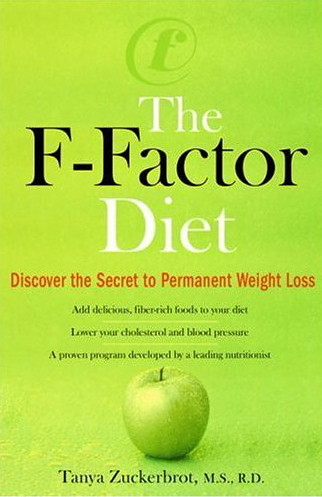  Dietitian Tanya Zuckerbrot says eat your fiber, but don't cut out foods There's not a doubt in my mind how healthy consuming fiber is as part of my healthy low-carb lifestyle. When I lost 180 pounds on the Atkins diet in 2004, my adequate consumption of delicious sources of fiber was a major part of my success. For people who complain about constipation on low-carb, there's no better cure than big gulps of water and enough fiber to allow your bowel to shake, rattle and roll! With high-fiber low-carb foods such as coconut flour, ChocoPerfection chocolate bars, NexGen low-carb muffins, Konjac brand shirataki noodles, GoLower nut bars, and Atkins Advantage bars, there's no reason why anyone who is livin' la vida low-carb can't get PLENTY of fiber in their diet. The subject of fiber is somewhat controversial within the low-carb community, but I am convinced fiber is an excellent addition to your diet especially during weight loss. That's why I was attracted to and intrigued by a new diet book centered around fiber consumption. It's called The F-Factor Diet: Discover the Secret to Permanent Weight Loss. Oooh, the "secret to permanent weight loss" is certainly a compelling a bold claim to make. But nutritionist Tanya Zuckerbrot is convinced she can confidently back up that claim made by her book with the principles she shares in it. And I must say, some of what she writes about is right in line with what I personally believe regarding a healthy weight loss diet. Here are ten solid examples of where I agree with Zuckerbrot: 1. Eat a moderate-fiber, low-carb diet for first 2 weeks 2. Consuming too many carbohydrates leads to weight gain 3. "Whole wheat" or "whole grains" foods not necessarily healthy4. Don't skip meals or snacks during your weight loss5. Fat-free foods with sugar are foolish 6. Adequate protein intake is a must7. All carbs turn to sugar inside the body 8. Non-starchy vegetables are preferred over potatoes 9. Beware of hidden sugars in so-called "healthy" foods 10. Keep a journal of the foods you are eating As much as I agree with all of those wonderful things which are contained within the pages of The F-Factor Diet, imagine my disgusted surprise at some of the hyperbolic mischaracterizations of low-carb diets espoused by Zuckerbrot elsewhere in the book. In light of our many areas of agreement, this was utterly shocking to say the least. Here are ten things Zuckerbrot thinks are true about low-carb: 1. Cut out all fruits and veggies (WRONG!) 2. This diet has made us fat (No, high-carb has!) 3. You crave carbs when you don't eat them (NOT true!) 4. Never get to eat bread, pasta, or rice again (Don't miss it!) 5. Portion control your diet (just eat when you are hungry?) 6. Dietary fat increases heart disease risk (Studies say otherwise!) 7. Atkins is a fad diet (Well, I lost 200 pounds on that fad!) 8. It fails because you go back to old habits ( Not all of us fail!) 9. Can't have fiber on low-carb because it's carbs (You subtract them!) 10. Saturated fat leads to heart attacks (Not if you keep carbs low!) These are some fundamentally flawed arguments being made about livin' la vida low-carb in this book from someone who is supposed to be more knowledgeable about nutrition than most average, ordinary Americans. That's what disappoints me about this book which could have been a nice addition to my health book collection, but has been incessantly tainted by the blatant unabashed bias against low-carb. As much as I can appreciate all the wonderful tips and suggestions, delicious recipes at the back of the book, detailed menu plans for the various stages of weight loss and weight maintenance, and all the like in this book, I cannot in good conscience recommend this as a resource for people desiring weight loss and improvements in their health. If she's lying about some things, then what else is she withholding the truth about. Can somebody explain something to me? Why is it that health experts like Zuckerbrot feel the need to publicly flog and snub their nose at livin' la vida low-carb in their diet books and then turn right around and espouse the very truths that make up that particular way of eating? Hmmm? Sounds preposterous and hypocritical, but it is happening more and more over the past couple of years. Why not just recommend low-carb by name rather than being so coy about what you believe nutritionally? Millions of us have changed our lives forever on the amazingly healthy and delicious low-carb lifestyle, so stop trying to beat us. Join us instead. I don't have any problem at all with you advocating the basic principles of low-carb living in your The F-Factor Diet, Ms. Zuckerbrot. I know you are given the unique opportunity to speak about health on both television and in print, so people are familiar with who you are and place their trust in you. So why not flash them those beautiful pearly whites of yours and admit that the low-carb lifestyle fits right in line with the overall message of your book? Is that too much to ask? No antagonism, no hyperbole, and no more outright lies. Overweight and obese people deserve to have the truth as it relates to a healthy diet, which is what I try to provide them on a daily basis at my blog. Weight loss is hard enough without having to deal with ignorance from those who should know better. I challenge you to remember that the next time you decide to write a book about diet and health. Labels: book, F-Factor Diet, fiber, health, low-carb, review, Tanya Zuckerbrot, weight loss
Another Viewpoint: Fiber Folly Finally Fizzled
I enjoy hearing different opinions as it relates to health. Although I'm no expert in this field of study, I have learned more about diet, health, and nutrition over the past few years than I have anything else in my entire life (even more so than all those years of college and graduate school studying English and Public Policy!). I am a fan of people consuming adequate amounts of fiber, but it really should be the right kinds of fiber as you will learn from this column submitted by one of my readers today which was taken directly from the writings of Dr. Barry Groves, a brilliant UK researcher who shares his professional and thorough findings about the low-carb lifestyle at the fantastic web site located at http://www.second-opinions.co.uk. (PLEASE REFERENCE THIS SOURCE FOR MORE EXTENSIVE NUTRITIONAL INFORMATION).While I have always been a strong supporter of fiber intake, this essay may make you stop and think about the source of your fiber. Let me know what you think about this and feel free to debate the assertions Dr. Groves makes. Here's the piece entitled "Fiber Folly Finally Fizzled": Little known fact: The wrong type(s) and quantities of fiber may cause cancers and impairs and even prohibits the absorption of important nutrients and minerals. So much for the myth that vegetarians have “the benefit” of four to six bowel movements a day... We are all throughly familiar with the importance of sufficient fiber in the diet; in fact we hear and see it everywhere. Even specialty products, like “All-Bran” and other engineered-non foods as well as fiber supplements are marketed prominently, supposedly providing the all-important additional fiber in the diet. Even we, low-carbers, are familiar with subtracting fiber from the carbohydrate count of foods. Indeed the intake of specific types of fiber can have metabolic advantages, but very few know that it is important to keep in mind what type and quality of fiber is ingested and especially in what quantities. Not many people--and even fewer health care professionals, whom should know better--are aware that an excess of fiber can be very unhealthy. Fiber, it is said, is necessary to promote regularity, and also protects us from all kinds of nasty diseases, especially intestinal disorders and diseases like cancer. Especially the media has picked up on this story and is keen to repeat this message ad nauseum. However, as so often is the case, science tells us a different story. There is currently growing skepticism that lack of fiber causes cancer; some studies even suggesting that a fiber-enhanced diet increases the risk of colon cancer. The original prevailing “fiber-is-a-panacea-theory” is based on observations of a certain Dr. Dennis Burkitt. He observed that relatively few rural black Africans suffer from cancer of the colon. He attributed this to their relatively crude diet. The theory was that, as fiber made food travel through the gut faster, it allowed less time for cancer-inducing agents to form. Remember that this argument is often cited for us low-carbers, as we are supposed (according to “common wisdom”) to consume tons of meat daily, which digests slower than, for example, vegetables. This, of course, presupposes that food becomes carcinogenic in the gut and, “unfortunately”, there was no evidence that it did. Neither was there any evidence that moving food through the intestine at a faster rate decreased the risk of colon cancer. Moreover, the rural Africans' lifestyle was far from that of the Western city dweller: their diet is different, but also they were not exposed to so many pollutants, toxins or mental stresses. Indeed, there were many factors that could have been responsible for a difference in disease patterns. Other communities - the Mormons of Utah, for example - also enjoyed a low incidence of colon cancer yet they ate a low-fiber diet. So the theory was, in fact, completely unsubstantiated and it was indeed later to be disproved as the rural Africans moved into towns and adopted a Western style “low fiber” diet. Their incidence of colon cancer has remained low and this has continued with the second generation. Nevertheless, these later findings were not publicized by the media. Of course, the Food Companies and Pharmaceuticals quickly picked up on the media hype and were quick to see the potential in the recommendation. Burkitt's recommendation was based on vegetable fiber, but bran (cereal fiber) has a far higher fiber content and bran was a practically worthless by-product of the milling process that, until then, had been discarded as worthless. Suddenly however it became a highly priced profit maker. Although totally inedible, backed by Burkitt's fiber hypothesis, bran could now be promoted as a valuable food. Although even Burkitts own coresearchers and partners warned publicly that Africans (on which the theory was based) do not consume bran or cereals, to momentum was already unstoppable. And thus the fiber-theory was born. Fiber and coronary heart disease The idea that fiber could protect against heart attacks was hypothesized by Trowell in 1972, again based on research on rural Africans. The dietary intervention trials conducted, however, concluded that increasing dietary fiber had no beneficial effect on heart disease. Later research again confirmed these findings. Fiber and other diseasesIt is also interesting to consider the claims for fiber in curing or preventing other diseases. For example, bran has been a popular way to manage irritable bowel syndrome (IBS) for about thirty years, despite the fact that no placebo-controlled study of bran in IBS has yet shown any convincing beneficial effect. A study, published in 1994, found that while fruit fiber was effective, bran only made the situation worse. Far from being a cure for IBS, the researchers found that it was the bran that was causing it! Bran also caused bowel disturbances, abdominal distension and pain. Moreover, there is no direct evidence that an increase of fiber by itself will prevent or cure the other diseases. With respect to colon cancer, Burkitt's theory was questioned with the suggestion that the low cancer rates in rural Africans may be due to their high early death rates from other causes, so that they do not reach the age at which cancer peaks in Europeans. As the Africans' life expectancy was only forty years at the time Burkitt did his research and Western cancers don't peak until the age of sixty-five, one wonders why this wasn't noticed before. Other adverse effectsTests into the supposed benefits of dietary fiber soon showed that there could be other harmful side effects. All the nutrients in food are absorbed through the gut wall and this takes time. Fiber, by speeding food through the gut faster so that less nutrients are absorbed, inhibits the absorption of iron, calcium, phosphorus, magnesium, energy, proteins, fats and vitamins A, D, E and K. This happens with all types of fiber although with a normal Western-style, nutrient-rich diet, the loss caused by vegetable fiber intake is unimportant. More importantly, however, phytate found in cereal fiber (or bran) also binds with calcium, iron and zinc making them indigestible, which in turn causes impaired- or even no absorption. One study, for example, showed that subjects absorbed more iron from white bread than from wholemeal bread even though their intakes of iron were fifty percent higher with the wholemeal bread! Bran has also been shown to cause faecal losses of calcium, iron, zinc, phosphorus, nitrogen, fats, fatty acids and sterols, thus depleting the body of these materials and creating deficiencies. These findings are a cause for concern in several sections of the population who are at considerable risk from eating too much fiber - and bran fiber in particular: 1. The incidence of osteoporosis (brittle bone disease) is increasing and now affects one in two post-menopausal women, one in five of whom will die as a direct result. Osteoporosis is also increasingly affecting men. Osteoporosis is caused by several factors, but lack of calcium is the basic problem. Bran both inhibits the absorption of calcium from food and depletes the body of the calcium it has. Moreover, zinc, which bones need to heal, is another mineral whose absorption is adversely affected by bran. 2. Sufferers from Alzheimer's Disease (senile dementia) are found to have abnormal amounts of aluminium in their brains. Tests on the people of Guam and parts of New Guinea and Japan, who get Alzheimer's disease at a much younger age, suggest that it is lack of calcium, causing a hormonal imbalance that permits the aluminium to penetrate the brain. 3. Infants may suffer similar brain damage if fed soy-based baby milk as this too has a high phytate content, inhibiting the absorption of zinc, which is essential for proper brain development. 4. Vitamin deficiency diseases such as rickets that were common in Britain until a diet high in dairy products and meat was advocated are on the increase again. The situation is getting so bad here that doctors suggest that vegetarian-based fad diets should be classified a form of child abuse. 5. In the UK, USA, Canada and South Africa the intake of 'anti-nutrients' such as dietary fiber that impair the absorption of iron, accompanied by a low intake of meat (another result of the diet-heart recommendations), is producing a real risk of iron deficiency anaemia. 6. Depression, anorexia, low birth weight, slow growth, mental retardation , and amenorrhoea are associated with deficiencies of zinc and the first five of these are also associated with a deficiency of iron. 7. Lastly, excess fiber affects the onset of menstruation, retards uterine growth and, later, is associated with menstrual dysfunction . Because of the phytate, Professor David Southgate, arguably the world's leading authority on the effects of fiber, concludes that infants, children, young adolescents and pregnant women whose mineral needs are greater should be protected from excessive consumption of fiber. Writing of the colon cancer risk, Drs. H. S. Wasan and R. A. Goodlad of the Imperial Cancer Research Fund stated in 1996: "Until individual constituents of fiber have been shown to have, at the very least, a non-detrimental effect in prospective human trials, we urge that restraint should be shown in adding fiber supplements to foods, and that unsubstantiated health claims be restricted." . . . "Specific dietary fiber supplements, embraced as nutriceuticals or functional foods, are an unknown and potentially damaging way to influence modern dietary habits of the general population." Until fiber can be shown not to be detrimental they suggest that "restraint should be shown in adding fiber supplements to foods, and that unsubstantiated health claims should be restricted". Confirmed By Large-Scale TrialsJanuary 1999 saw the publication of the largest trial into the effects on fiber on colon cancer ever conducted. After studying 88,757 women for sixteen years, doctors at the Brigham and Women's Hospital and Harvard Medical School say that "No significant association between fiber intake and the risk of colorectal adenoma was found." . . . "Our data do not support the existence of an important protective effect of dietary fiber against colorectal cancer or adenoma." Conclusions(Selected) vegetable and fruit fibers may promote regularity and have the added benefit of lowering the glycemic impact of foods, but few other advantages have been scientifically proven. The quality of the fibers ingested, and especially the quantity are important. Too much fiber may very well not be a good thing, as it has been shown to impair and even prohibit absorption of essential nutrients. Especially cereal fibers, or bran, are really bad news. The usual bran that is pushed at us - wheat bran- should be avoided completely. ReferencesD P Burkitt, et al. Some geographical variations in disease patterns in East and Central Africa. E Afr Med J . 1963; 40: 1. H C Trowell. fiber and irritable bowels. BMJ. 1974; 3: 44. - Dietary fiber, ischaemic heart disease and diabetes mellitus. Proc Nutr Soc. 1973; 32: 151. C Y Francis, P J Whorwell. Bran and irritable bowel syndrome: time for reappraisal. Lancet 1994; 344: 39. F Swain, et al. Comparison of the effects of oat bran and low-fiber wheat on serum lipoprotein levels and blood pressure. New Eng J Med. 1990; 322(3): 147. W E Connor. Dietary fiber - nostrum or critical nutrient? New Eng J Med. 1990; 322 (3): 193. E Marshall. Diet Advice, with a Grain of Salt and a Large Helping of Pepper. Science. 1986; 231: 537. M J Lichtenstein, et al. Heart rate, employment status and prevalent ischaemic heart disease confound relationship between cereal fiber intake and blood pressure. J Epid Comm Hlth. 1986; 40(4): 330. D Norman, et al. The impact of dietary fat and fiber on intestinal carcinogenesis. Prev Med. 1987; (4): 554. I MacDonald. Nonsense and non-science in nutrition.. Proc Nutr Soc. 1983; 42: 513 Anon. BMJ . 1986; 292: 494. J L Kelsay. A review of research on effect of fiber intake on man. Am J of Clin Nutr. 1978; (31): 142. K Kaneko, et al. Effect of fiber on protein, fat and calcium digestibilities and fecal cholesterol excretion. J Nutr Sci Vitaminol (Tokyo). 1986; 32(3): 317. D Kritchevsky. fiber and cancer. In Dietary fiber: Basic and Clinical Aspects. (G V Vahouny and D Kritchevsky eds.) p427. Plenum, NY. 1986. - Dietary studies of cancer of the large bowel in the animal model . Ibid p469. H S Wasan, R A Goodlad. Fiber-supplemented foods may damage your health. Lancet 1996; 348: 319-20. C S Fuchs, et al. Dietary Fiber and the Risk of Colorectal Cancer and Adenoma in Women. N Eng J Med 1999; 340: 169. G Gerutti, et al. Phytic acid in bran and in 'natural' foods. Bolletino Chimico Farmaceutico, Milan. J Stevens, et al. Effect of psyllium gum and wheat bran on spontaneous energy intake. Am J Clin Nutr. 1987; 46: 812. Editorial. The Bran Wagon. Lancet. 1987; i: 782. Y P Suri. The Bran Wagon. Lancet. 1987; ii: 42. G S Bindra and R S Gibson. Iron status of predominantly lacto-ovo-vegetarian East Indian immigrants to Canada: a model approach. Am J Clin Nutr. 1986; 44: 643. J R Turnlund, et al. A stable isotope study of zinc absorption in young men: effects of phytate and alpha-cellulose. Am J Clin Nutr. 1984; 40: 1071. B Sandstrom, et al. The effects of vegetables and beet fiber on the absorption of zinc in humans from composite meals. Br J Nutr. 1987; 58 (1): 49. L Hallberg, et al. Phytates and the inhibitory effect of bran on iron absorption in man. Am J Clin Nutr. 1987; 45(5): 988. R Balasubraminian, et al. Effect of wheat bran on bowel function and fecal calcium in older adults. J Am Coll Nutr . 1987; 6(3): 199. J Hallfisch, et al. Mineral balances of men and women consuming high fiber diets with complex or simple carbohydrate. J Nutr . 1987; 117(2): 403. Fractured neck of femur: prevention and management. A report of the Royal College of Physicians, London. 1989. Editorial: Why so many fractured hips? Lancet. 1989; 1: 57. A M Fehily. Dietary determinants of bone mass and fracture risk: a review. J Hum Nutr and Diet . 1989; 2: 299. M J Wargovich, A R Baer. Basic and Clinical Investigations of Dietary Calcium in the Prevention of Colorectal Cancer. Prev Med. 1989; 18: 672. BBC. Horizon: The Poison That Waits . BBC2 broadcast 16 Jan 1989. N Bishop, M McGraw and N Ward. Aluminium in infant formulas. Lancet. 1989; i: 490. B E Golden, M H N Golden. Plasma zinc, rate of weight gain and the energy cost of tissue deposition in children recovering from malnutrition on cows' milk or a soya protein based diet. Am J Clin Nutr . 1981; 34: 892. A Prasad. The role of zinc in gastrointestinal and liver disease. Clin Gastroenterol. 1983; 12: 713. P Aggett, N Davies. Some nutritional aspects of trace elements. J Inter Metab Dis. 1983; 6(2): 22. M Hambidge. The role of zinc and other trace metals in paediatric nutrition and health. Paediat Clin N Am. 1977; 24: 95. D Bryce-Smith, R Simpson. Anorexia, depression and zinc deficiency. Lancet. 1984; ii: 1162. V Fonesca, C Harvard. Electrolyte disturbances and cardiac failure with hypomagnesaemia in anorexia nervosa. BMJ. 1985; 291: 1680 N Meadows, et al. Zinc and small babies. Lancet . 1981; ii: 1135. D Bryce-Smith. Environmental chemical influences on behaviour and mentation. John Jeyes lecture. Chem Soc Rev. 1986; 15: 93. A McMichael, et al. A prospective study of serial maternal zinc levels and pregnancy outcome. Early Human Development. 1982 (Elsevier); 7: 59. D Addy. Happiness is: iron. BMJ. 1986; 292: 969 E M Luk'ianova. Diagnosis of vitamin D deficiency rickets. Pediatriia. 1988;(3):15. R Adelman. Nutritional rickets. Am J Dis Child. 1988; 142(4): 414. M R Clements. The problem of rickets in UK Asians. J Hum Nutr Diet , 1989; 2: 105. R E Hughes. A new look at dietary fiber. Hum Nutr Clin Nutr. 1986; 40c: 81. R E Hughes, E Johns. Apparent relation between dietary fiber and reproductive function in the female. Ann Hum Biol. 1985; 12: 325. T Lloyd, et al. Inter-relationships of diet, athletic activity, menstrual status and bone density in collegiate women. Am J Clin Nutr. 1987; 46: 681. D A T Southgate. Minerals, trace elements and potential hazards. Am J Clin Nutr. 1987; 45: 1256. H S Wasan, R A Goodlad. Fiber-supplemented foods may damage your health. Lancet 1996; 348: 319-20. C S Fuchs, et al. Dietary Fiber and the Risk of Colorectal Cancer and Adenoma in Women. N Eng J Med NOTE: Much of this column was lifted directly from Second-Opinions.co.uk by Dr. Barry Groves. For further information, please visit this extensive research web site. Labels: cancer, diet, fiber, low-carb, vegetarian
Don't Ruin Shirataki Noodles With Carbs
One of the most popular topics I blogged about in 2006 was the sudden emergence of the low-carb pasta alternative known as shirataki. I held a recipe contest and blogged at great length about these Japanese wonder noodles. Last month, I was interviewed by a student in Toronto, Ontario Canada who was doing a project for her journalism class on popular new trends and she chose shirataki noodles. I've learned a lot about this stuff, so I guess I was as good a resource for her as anyone. And I was happy to talk with her about my own personal use of shirataki. Well, it's happened again with this Star-Bulletin highlighting the high-fiber alternative to regular pasta. Although the author Keiko Ohnuma mentioned my blog in the column (which I appreciate), I was VERY concerned about two things: First, Ohnuma mentioned that "comments on blogs such as 'Livin' La Vida Low-Carb' find Americans now gobbling up shirataki by the caseload in recipes loaded with fat-free cheese, fat-free sour cream, Boca Burgers, Egg Beaters and Splenda." Say what?! "Fat-free cheese, fat-free sour cream, Boca Burgers, Egg Beaters?!" I challenge Ohnuma to send me the links to the posts where either me or any of my readers used any of those ingredients in low-carb shirataki recipes. UGH! Come on, man. You're killing me here with the fat-free crap! Then, as if the fat debacle wasn't enough, then he posts THREE recipes using shirataki noodles that are clearly NOT healthy for you to consume because of the high carb content. A "Spicy Pork with Cellophane Noodle" recipe has 60g carbs while a "Sweet Potato Noodle Stir-Fry" contains a whopping 83g carbs per serving. Are they TRYING to kill people? If we're gonna promote something healthy life shirataki noodles, then don't ruin the health benefits with needless carbs. It does no good to eat shirataki if you take away what makes it good for you to begin with. You can e-mail your comments about this story to Keiko Ohnuma at kohnuma@starbulletin.com. Labels: diet, fiber, healthy, Japanese noodles, low-carb, pasta, shirataki
There Are Plenty Of Low-Carb Fiber Options
Low-carb diets get a bad rap for a lot of reasons, not the least of which is the assumption that this way of eating does not encourage the consumption of fiber. WHAT?! How absurd! If you are livin' la vida low-carb and NOT eating enough fiber, then don't come whining and complaining to me that you are all stopped up and constipated. That's ridiculous! Let's be straight about something: fiber itself IS a carbohydrate, but you don't have to count fiber in your total carb consumption. So when I mention low-carb, that doesn't mean you don't consume fiber carbs. You do. However, you get to subtract fiber away from your carb counts to get your net carbs. It's that easy. Nevertheless, there's confusion about fiber as it relates to low-carb as evidenced by this recent e-mail I received from a reader who wanted to know how she could possibly get more fiber in her diet: I hate taking pills (that's why I'm not a diet pill popper). I was wondering how do you get enough fiber into your diet when you give up carbs (especially since we are suppose to be taking in 25-38 mg daily)?
I would appreciate your input. I know that carbs made me chunky and I took them out last October...although I lost slowly and hit tons of plateaus, I feel so much better!!!THANKS so much for writing with you EXCELLENT question about fiber. First let me congratulate you on making livin' la vida low-carb your way of life now. It's the best thing that ever happened to me, too. I'm a strong proponent of eating plenty of fiber when you are on a low-carb diet. It's too important not to be a major part of your healthy low-carb lifestyle. Regarding fiber-filled foods, there are many other ways besides Fibercon (which I wouldn't call a "diet pill," but I get what you're saying). Here are just a few of my favorite sources of fiber you'll enjoy: CHOCOPERFECTION BARS--16g fiber NEXGEN MUFFINS--24g fiber COCONUT FLOUR--9g fiber ATKINS ADVANTAGE BARS--5-10g fiber KONJAC SHIRATAKI NOODLES--9g fiber GOLOWER NUT BARS--9g fiber I personally use all of these products and LOVE THEM! You'll have NO trouble eating over 50-75g daily like I do if you incorporate these into your diet. Of course, there are a plenty of other low-carb fiber options to enjoy, but this is a list of my favorites. The next time somebody asks how you eat enough fiber on your low-carb lifestyle, you tell 'em you get over 50g daily. You'll blow their mind! Labels: carbs, diet, fiber, health, weight loss
Snack On The Crunchy Low-Carb 'Texas Toasters'
 Each 6-piece serving of "Texas Toasters" has just 1g net carb Traditional bread made with white flour is taboo when you are livin' la vida low-carb. But when you are eating a salad and want something crunchy to eat with it or if you get the inkling for some tuna salad or other hors d'voures on your low-carb lifestyle, it would be nice to have an all-natural and delicious low-carb alternative you can turn to. Now you've got it! It's called Carb Counters "Texas Toasters" Twice Ovenbaked Bread Crisps from our friends at the Houston, TX-based Dixie Diner. I couldn't believe these were low-carb the first time I ate them because they are really quite delicious and give you that need for a salty side item with a crispy crunch. Here are the ingredients: Soy concentrate, cheese, corn starch, wheat-free cereal fiber, egg whites, canola oil, baking powder (monocalcium phosphate, sodium bicarbonate), vegetable fiber, spices, dried onions, parsley, sea salt, low glycemic monosaccharide, low glycemic fruit concentrate.My favorite part about these all-natural tasty bread crisps with absolutely ZERO artificial ingredients or preservatives in them is the fact that they only have 1g net carbs for about 6 of them. WOW! That's hardly anything on your carb counts (even during Induction!) and yet you'll get to enjoy the benefits of eating these with confidence knowing they won't throw your low-carb diet into a tizzy! Plus, you get 7g protein and 3g carbs in each serving of these wheat-free Carb Counters "Texas Toasters" as well. For those of you looking for ways to boost your potassium intake, these also contain 165mg potassium to help with those painful leg cramps you may have on your low-carb plan. You'll be amazed by how awesome these taste and they come in three scrumptuous flavor varieties: Good N Plain, Dill & Onion, and Pizza (my personal favorite)! You can top them with a little spaghetti sauce, pepperoni, and mozzarella cheese for some mini-pizzas. Or scoop them in some French onion dip for a yummy snack. The possibilities for eating these are endless! Go ahead and try them for yourself--the Carb Counters "Texas Toasters."Labels: bread, Carb Counters, crisps, Dixie Diner, fiber, low-carb, potassium, products, protein, Texas Toasters
Otis Who? Healthy Muffins For The NexGen!
 Now you have a different kind of muffin to enjoy Once upon a time in my life as a graduate student I had a job as a portable food vendor in the Virginia Beach, Virginia area called Corporate Cafe. Yep, I would arrive early in the morning and load up a big cooler full of sandwiches, sodas, juice, bagels, cookies, and muffins to make my rounds at the nearby car dealerships and golf shops selling all of these high-carb garbage foods just to pull in a few bucks while I was attending graduate school. I'm not proud of it now, but it was just a job at the time and my nearly 400-pound self didn't mind eating away the profits on a regular basis. One of the most popular and bestselling items I sold was the muffins made by a baked goods company called Otis Spunkmeyer. Their humongously gigantic muffins were very appealing to the eye because of their jumbo size and the perceived value for the money you spent on them. Nevermind all that nasty white flour, corn syrup, artificial colors, and sugar they load into these things which were nothing but bad news for both your weight and health. People loved 'em then and probably still drool over them now. It's been nearly 15 years ago that I had that food vendor job and I sold those Otis Spunkmeyer muffins for a couple of bucks at the time. Now that I'm livin' la vida low-carb in the 21st century, though, I have longed to find a company that could come up with a similar kind of muffin as those ones I used to sell except make them healthy. If people are willing to shell out that kind of money for an Otis Spunkmeyer muffin, then how much more valuable would a low-carb equivalent be? Well, you wait is now over thanks to a company I found called R&B/NexGen™ Foods. This brand new healthy living business has dedicated itself to bringing great-looking and excellent-tasting quality low-carb foods to the market to enjoy as part of your healthy lifestyle. Founded and led by Dr. Peter Radatti and Dr. Keith Berkowitz (husband of the awesome Valerie Berkowitz, formerly worked with the late Dr. Robert C. Atkins at his Atkins Center For Complementary Medicine, and you may recall he was the one who helped Men's Health editor David Schipper lose 33 pounds last year on a low-carb diet), they are hoping to provide superb foods for the next generation (thus the name of their company--NexGen!). Their very first product introduced to the marketplace are those amazing ready-to-eat morsels of low-carb goodness you see displayed so beautifully at the top of this post called NexGen™ Muffins. Each super-sized 4-ounce muffin is available in three delicious and nutritious flavors for you to enjoy: Lemon Poppy Seed, Banana Walnut, and Orange Pineapple. As soon as I saw "egg" as the very first ingredient in these muffins instead of high fructose corn syrup or white flour, then I knew this was going to be a special product indeed for people who are livin' la vida low-carb. They have a proprietary blend of fiber as well as natural poppy seeds and walnuts baked right in them. Mmmm. Plus, they use the much-healthier butter instead of margarine, natural flavors, no preservatives, and just a tiny bit of sucralose (Splenda) and canola oil to make them turn out exactly right. I have personally tried all three flavors and can personally attest that they really do taste as good as they look! Even better is the nutritional content in each half-muffin serving size--a miniscule 2g net carbs, 100% sugar-free, just 80 calories, only 5g fat, 50 percent of your RDA for calcium, and a whopping 12g dietary fiber in each power-packed half-muffin serving! This ain't some chintzy low-carb pretender product, people--it's most definitely a high-quality real deal food you will immediately fall in love with for all the right reasons. Additionally, you won't find ANY trans fats (those terrible partially hydrogenated oils that are bad news for you), modified food starches, wheat gluten, soy flour, sugar alcohols (YEAH, no maltitol!), chemical preservatives, artificial colors, food additives, GMOs, or grains in the NexGen™ Muffins. In other words, they're REAL food! :) What about diabetics? Can they have these marvelous muffins? Well, because they are completely sugar-free and very low-carb, absolutely these are the perfect food choice for a diabetic to consume. How about someone with Celiac disease or a gluten intolerance? Again, these are gluten-free and wheat-free products, so people with that disease can eat these with confidence. However, the minority of you who are like me and are salt-sensitive should be aware that each half-muffin serving has 250 milligrams of sodium--which is plenty low as long as you don't eat three in a single day (I know it'll be tempting!). The key ingredient in NexGen™ Muffins is the incredible patent-pending "fiber flour" substitute that provides much more fiber than the average American consumes on a daily basis. As people who are livin' la vida low-carb already know, fiber is a vital part of your healthy lifestyle change, so getting ample amounts in your diet is crucial. Since both soluble and insoluble fiber is not digested by your body, it does not get absorbed into the bloodstream like sugar and other refined carbohydrates so readily do. That's one reason consuming fiber on low-carb is so good for you. It also helps promote regularity, removes toxins from your body, balances the acid that lingers in your intestines, binds with fatty acids to improve your lipid profile, and greatly slows the digestion of carbohydrates so your blood sugar remains stablized. In fact, there has been plenty of published research that indicates fiber is also helpful for lowering blood pressure, dropping LDL and total cholesterol, warding off weight gain, and even significantly reducing the risk of such epidemic health ailments as cancer, cardiovascular disease, and Type II diabetes. This sorta begs the question--why isn't EVERYONE eating more fiber? That's why we need more products like NexGen™ Muffins. Okay, I'm sure you are thinking all of this talk about health is great and all, but do they really taste as good as they look? All I can say about that is I've eaten about a dozen of these muffins over the past couple of weeks and can verifiably say that they have an incredible texture along with a naturally sweet taste. Far too often you get a funky wang or a gritty feeling in your mouth with some low-carb products. But not with NexGen™ Muffins because the creators have taken great pains to do these the right way. If I had one minor criticism about them, then it would be that they can be a little hard to swallow from being so dry with the tons of fiber that are in them. But I came up with a solution to that problem rather quickly. After you heat the muffin in the microwave for about a minute (or a little bit longer if it's still frozen), stick a pat of butter on top and let it ooze down inside and along the sides to moisten the muffin. Another trick that works is slicing it open with a slit at the top and pour some whipping cream over it in a bowl. The opportunities to be creative with these muffins is literally endless! This is the very first ready-to-eat low-carb muffin product I have ever seen on the market and I expect it will do very well with the right kind of publicity and distribution. There are plenty of low-carb muffin mixes available, but not ones that you can just pop in the microwave to warm up and in seconds be ready to devour as part of your low-carb lifestyle. With NexGen™ Muffins, now you can! Because these muffins don't have any preservatives in them like the aforementioned high-carb Otis Spunkmeyer ones do, they do not have a very long shelf life apart from remaining frozen. They must be kept in a freezer and can then be transferred to a refrigerator with a 7-day shelf life. I keep three in the fridge at a time and move a frozen one down to replace the muffins I consume. It's a different way to look at muffins, but they are radically different from those garbage ones you are accustomed to. The creators of these superb new NexGen™ low-carb products are now working on other products that they hope to introduce to the market in the near future, including ready-to-eat pizza, tortilla wraps, and dinner rolls--no doubt all of them will use the same high-quality "fiber flour" substitute in place of traditional white flour. I can't wait! I'll look forward to telling you about those when they hit the market. You'll be the first to know! :D If you have any specific questions about the R&B/NexGen™ Foods line of low-carb products or if you are a retailer interested in selling these fantastic foods for your customers, then please e-mail them anytime at info@nexgenfoods.com. Be sure to tell them you read about their company from Jimmy Moore at the "Livin' La Vida Low-Carb" blog. THANKS and enjoy eating healthy for a change! ORDER NOW from CarbSmart and stock up on these amazing muffins! Labels: diet, fiber, healthy, low-carb, low-fat, muffins, NexGen, products, sugar-free, weight loss
'No Flour, No Sugar Diet' Author Takes Silly Unfounded Pot Shots At Low-Carb Living
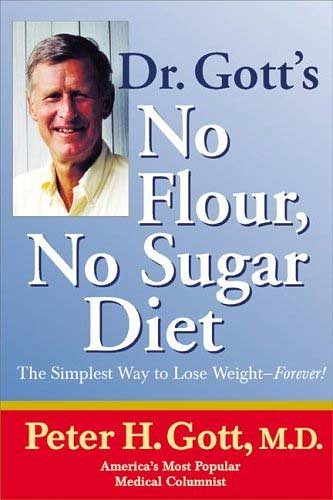 A book about avoiding flour and sugar--a low-carber's dream! I live my life by the KISS motto--keep it simple stupid! That's because simplicity is the most effective way to make something as complicated as something like a healthy diet as understandable as possible to everyone who hears it. People are already confused enough from the health "experts" about how many calories they need to be eating, what kinds of foods they should be consuming, trying to figure out the proper ratio of carbohydrates, fat and protein they should be eating--somebody please make the madness of it all go away! AAAAACK! Well, that is exactly what syndicated health columnist Dr. Peter H. Gott ("Ask Dr. Gott") has attempted to do with his very simple, yet incredibly effective four-word diet plan and here it is: NO FLOUR, NO SUGAR! That's it! Nothing more, nothing less. Just avoid the white flour and eliminate all forms of sugar from your diet and you will lose and maintain your weight forever and ever, amen. Sounds easy enough, doesn't it? It's this kind of bare minimum advice that is winning Dr. Gott's No Flour, No Sugar Diet enthusiastic fans the world over. For those of us who are livin' la vida low-carb, we already know how important it is to remove flour and sugar from our diet because these are the kind of carbohydrates that are making Americans fat and unhealthy at a record pace. However, there can also be a case made for avoiding other high-carb foods like potatoes, rice, pasta, processed foods, and junk foods, too. But this is at least a good start. If the issue of obesity were simply a matter of cosmetics, then it wouldn't be such a crisis right now. But the sad fact that Dr. Gott points out very clearly in his book is that the resulting health problems that have come from the existence and prevalence of obesity alone is unnecessarily having an adverse impact on the quality of life of tens of millions of Americans. In fact, it is leading to hundreds of thousands of deaths annually and nobody seems to care! As a diet and weight loss advocate myself, I was pleased to see Dr. Gott talk so openly about important elements of living healthy such as keeping a food journal, carefully reading nutritional labels, finding support from people who will help you lose weight, exercising regularly, adequately planning for your new lifestyle change, avoiding the real fad diets, staying focused on the plan, and making your new habits stick for proper weight maintenance for many years to come. All of this is excellent advice, but... Unfortunately, Dr. Gott doesn't embrace livin' la vida low-carb as a viable means for permanently losing weight and keeping it off forever because he thinks it is "potentially harmful" to eat the high amounts of protein and saturated fat from animal sources while allegedly decreasing the amount of fiber as well as fruits and veggies consumed with such an "extreme" plan like the Atkins diet. He sounds the warning bell that all of this will lead to an even bigger risk of heart disease, obesity, and maybe even cancer over the long-term. Puh-leeze, Dr. Gott! Very simply put, no it does not! If you read any of the latest studies coming out about the healthy low-carbohydrate nutritional approach, then you will very clearly see that there is nothing "potentially harmful" in terms of heart health or otherwise about this way of eating over the span of at least one year and quite probably even longer than that. Sensationalizing low-carb diets as somehow inherently "dangerous" or "unhealthy" is so yesterday's news. Most people are thankfully beginning to realize that dog don't hunt anymore. Meanwhile, there are PLENTY of studies showing how a high-carb, low-fat intake is indeed leading to an increase in heart disease (likely from the gumming up of the arteries from excessive refined carbohydrates), making people gain more weight specifically in their abdomen area (yes, low-fat diets DO make you fatter-- studies confirm it!), and bringing on both such conditions as kidney, esophageal, pancreatic, and even brain cancer in people who would otherwise remain healthy had they simply followed a low-carb diet. It's all in the medical journals in black and white for anyone with eyes willing to see it. It is the height of hypocrisy and nothing more than a bald face lie to tell people eating protein and saturated fat is unhealthy for them. Again, go read the studies, Dr. Gott! The evidence simply does not bear this out and you should be ashamed of yourself for suggesting otherwise. Talk about making it simple, why do you insist on spreading such unproven nonsense about protein and fat? What are you afraid of people learning about these macronutrients if they wisely begin adding them to their diet in lieu of carbohydrates? As for sharing your complete ignorance about the so-called lack of fiber on low-carb as well as fruits and vegetables in a low-carb diet, I'll have you know I eat about 50g fiber daily (without even counting, too!) and my amazingly delicious and nutritious low-carb diet is rich in such vitamin-rich non-starchy vegetables as spinach greens, cauliflower, green beans, cucumbers, tomatoes AND even low-glycemic fruits (GASP--you mean you can eat fruit on low-carb? Somebody stop the presses!) as strawberries, blueberries, honeydew, and cantaloupe--just to name a few! How in the world did I ever lose nearly 200 pounds, keep the weight off for over three years, then get healthy and stay healthy eating this way, hmmm? How indeed. Additionally, Dr. Gott repeats the ridiculous claims that low-carb "stresses the kidneys and liver" and leads to osteoporosis. Again, check your facts before going off on a tangent you obviously know nothing about, sir! There is no evidence that low-carb causes harm to the kidneys or the liver and there have been very clear studies on the myth about bone loss on a low-carb diet. LOOK IT UP and don't forget to apologize for your mistake later! This continued assault against low-carb diets really needs to stop, especially from people like Dr. Gott who are for all intents and purposes is promoting the very same principles that the late great Dr. Robert C. Atkins made his entire life's work. If Dr. Atkins had never spoke out so strongly against the impact of garbage carbohydrates like white flour and sugar for nearly three decades, then Dr. Gott would probably have never released this book. That's a fact, Jack! Frankly it was quite difficult to even get into this book after reading the jibberish about low-carb living and Dr. Gott's all-out assault against the very way of eating that helped me lose my weight and get healthy for the first time in my life. What's wrong with people that they have to tear down the Atkins low-carb diet in order to prop up their own dietary advice. I've just never understood this and probably never will. Nevertheless, I forced myself to keep reading even as I was biting my tongue at times. Ironically, people who support livin' la vida low-carb will probably like what they see from Dr. Gott regarding the purpose of Dr. Gott's No Flour, No Sugar Diet. Primarily, it is to reduce calorie intake which then leads to weight loss. While he subscribes to the now-defunct "calories in, calories out" theory, this lower-calorie approach does somewhat explain why his plan works for weight loss. The elimination of sugar from your diet under Dr. Gott's plan does not mean you can't have any of the plentiful array of sugar-free products made with artificial sweeteners like Splenda, aspartame, saccharin, and others--all of which he discusses at length in the book. He does not put any limitations on such things because they can help you get rid of sugar from your diet, an area where Dr. Gott and I strongly agree. I was happy to see him warn people about the nasty stomach-busting side effects of sugar alcohols like maltitol, lactitol, and sorbitol. Also, for those of you who need direction, Dr. Gott provides a whole list of what you SHOULD eat and what you SHOULD NOT eat as well as two weeks worth of menu plans to help you get an idea about how Dr. Gott's No Flour, No Sugar Diet works from a practical standpoint. Plus, what's a diet book without recipes? Dr. Gott aims to please with plenty of them at the back of the book for everything from breakfast to dessert. Mmmmm. Where we very sharply disagree, though, is on what constitutes a healthy diet. Dr. Gott says carbs like whole grains, beans, starchy vegetables like potatoes, and high-sugar fruits like bananas are excellent choices for people when they are trying to lose weight. Frankly, they are not and will sabotage you even before you start due to their impact on your blood sugar levels and ability to reach ketosis. On the subject of fat, we both agree that trans fats are bad news, but Dr. Gott believes saturated fat is just as damaging to cholesterol levels and heart disease and cancer risk as trans fats are. WRONG-O! The body of research that is building in support of saturated fat intake in conjunction with a low-carbohydrate diet is compelling indeed and I can only urge people to read the data for themselves and draw their own conclusions. Finally, Dr. Gott says protein intake should be limited to lean animal sources to prevent an overabundance of saturated fat from entering their diet. Sigh. Will we ever get past this stigma that has been unnecessarily attached to saturated fat? Hello people?! It's not the great enemy people like Dr. Gott are making it out to be! At least Dr. Gott's No Flour, No Sugar Diet does emphasize eating "nutrient-dense" foods that are packed with healthy nutrition. Again, this is something people who are livin' la vida low-carb advocate as well and it's good to see it being recognized by a health expert like Dr. Gott. Although his definition of "nutrient-dense" may be slightly different from mine, mostly he's referring to whole, all-natural foods--perfect choices for a healthy low-carb lifestyle. One aspect of this book that I actually enjoyed was the liberal use of actual letters Dr. Gott has received over the years in regards to his "no flour, no sugar" diet plan. They helped tell the overall story about how and why this diet works from the perspective of real people living this way with amazing success. They found what works for them and now they're doing it. Who can argue with results? All in all, Dr. Gott's No Flour, No Sugar Diet is not one that should be entirely dismissed even by people on a low-carb diet. If you can get beyond the perplexing bias against livin' la vida low-carb that overwhelmingly pervades certain sections of this book, then it actually has some fantastic information in it. It's just too bad Dr. Gott felt compelled to jump on the anti-low-carb bandwagon to placate his fellow health "expert" buddies. Labels: book, carbohydrates, diet, Dr. Peter Gott, fat, fiber, health, low-carb, No Flour No Sugar, protein, review, weight loss
The Worst Argument Ever Against Low-Carb
Vee Jefferson should be feeling mighty proud of herself right about now. In the 18-month history of "The Livin' La Vida Low-Carb" blog, never has anything caused more anger and disgust from my readers than this Augusta Free Press article about livin' la vida low-carb. I quite literally received a link to this article from nearly a hundred different people begging me to respond. When I saw it earlier this week, my first reaction was to ignore it and move on. But the more I thought about it and the more people who kept telling me about it, I changed my mind and decided to confront Jefferson's thoughtless column directly. As a registered nurse for the past decade, she has been sharing others her wealth of wisdom about health. I think her patients should demand a refund of their money for her health advice because this woman is clearly delusional about diet and nutrition. In her column entitled "Low-carb diets - some dangerous truths uncovered," Jefferson immediately laid the groundwork for her attack against the low-carb lifestyle by declaring it as "a very unhealthy way to lose weight." She adds that it is "dangerous" for reasons that go far beyond the high-fat content and added calories. Which is worse, Ms. Jefferson, the low-carb diets like Atkins or remaining obese? I'd love to know the honest answer to that question from these people who so heavily criticize low-carb. The side effects of low-carb that generally come in the first few days of Induction and highlighted in this recent study are described by Jefferson as "signs of impending crises." What "crises," Ms. Jefferson? I've been eating low-carb for almost three years now. When am I supposed to be in this state of crisis that you claim? The only state of crisis that I am aware of is the OBESITY one we are experiencing currently which is why so many people need to be livin' la vida low-carb now more than ever before! Jefferson's two biggest concerns about low-carb--she calls them "the most important dangers"--are low blood sugar and low potassium which she believes are "the quick killers." What is it killing, Ms. Jefferson? Again, I must ask where you get this kind of information from because I don't feel like I'm going to diet anytime soon from low blood sugar or reduced potassium levels. Oh, wait a minute...ooo, ohhh, ouch, umpf, er...AHHHH! Nevermind, it was just gas. I thought I was dying there for a moment. Jefferson just had me so convinced. Give me a freakin' break, lady! Is that REALLY the best you've got? Low-blood sugar and low-potassium?! Both of these problems can be EASILY managed on a low-carb diet because your blood sugar is STABILIZED and taking a potassium supplement can remedy those problems. This is just about as empty an argument as you can make against low-carb living. Even still, Jefferson says "these are the things the dieters really need to know about" and that she will attempt "to make these things easy to read and unmistakably clear to everyone." Oh goodie! Can't wait! NOT! She did have ONE good thing to say about livin' la vida low-carb before attempting to "tear down" what she thinks is bad about it. Jefferson claims it is "a very good idea to limit carbohydrate intake," primarily sugar. Shazam, she admits she support low-carb although she doesn't support the low-carb lifestyle. HUH?! Are you like 2004 Democratic presidential candidate John Kerry where you were FOR low-carb before you were AGAINST it?! This is gonna be ugly, I can see that right now. Oh, she clarifies what she means by the lowering of carbohydrates versus "low-carb diets." The latter is too "strict" because it only allows 20-30 grams of carbs daily. Hey, at least she didn't say ZERO like most media pundits. But she still believes there are hazards to eating even this many carbs in your diet. "These are the diets that can kill if the dieter is not familiar with the dangers," Jefferson wrote.Are you ready for these lame-brained excuses for NOT doing low-carb? Here we go! 1. FIBER"Low-carb dieters may not get enough fiber, which keeps bowel movements regular and reduces the risk of heart disease, some cancers and diabetes. Without eating carbohydrates from plant sources like fruits, vegetables, whole grains and beans - foods limited or banned on low carbohydrate diet plans - it is difficult to get the daily recommended amount of fiber."Says who, Ms. Jefferson? From day one of my low-carb lifestyle which began back in January 2004 when I weighed 410 pounds, I have taken a fiber supplement in addition to the fiber I receive from the foods I eat, such as flax seed and other products. Some of my favorite low-carb bars, including GoLower nut bars as well as ChocoPerfection chocolate bars are LOADED with more fiber than most of the fruits, veggies, whole grains and beans you can buy. Fiber is an integral part of a low-carb plan and stating otherwise is intentionally manipulating the truth about this amazing way of eating. 2. WATER WEIGHT LOSS "The truth about low-carb dieting is that you do lose weight. The first bit of weight loss, however, is water weight.Help me, glurble glurble glurble, I'm drowning in my 200 pounds of water, glurble glurble GASP, that I lost on my low-carb diet. HA! So what do you lose on a low-fat diet, Ms. Jefferson, besides your mind?! My friend Jackie Eberstein, who worked with Dr. Robert C. Atkins for decades researching low-carb diets, thoroughly dismantled the "water weight" myth that is often drudged out by those who oppose low-carb living. I have also addressed this issue at great length previously, so I won't bore you with the details again. Ms. Jefferson, go read all about it to learn something! 3. MUSCLE MASS LOSS"As you progress on the [low-carb] diet, you will lose some fat, but you will also lose some muscle mass. And let's not forget that the heart is a muscle, too. The marketers of these low-carb diets tell you that you should consume extra protein to avoid losing muscle mass, but experts say that eating excess protein does not prevent this because there is a caloric deficit."A study released earlier this year found muscle mass is preserved on a low-carb diet, echoing the research of Dr. Donald Layman who had previously noted that a low-carb/high-protein diet burns fat and not muscle. Actually, Dr. Layman provided even more compelling evidence about the positive effective of this kind of diet on fat burning when exercising in my fascinating interview with him a couple of weeks ago. Again, GO READ IT, Ms. Jefferson! Are you learning anything yet? 4. WEAKNESS AND LACK OF ENERGY"When insulin levels are chronically too low, as they may be in very low-carb diets, catabolism (breakdown) of muscle protein increases, and protein (needed for muscle building) synthesis stops. Because this causes of quick muscle fatigue, the person generally exercises and moves less (often without realizing it), which is not good for caloric expenditure and basal metabolic rate (metabolism)."Before I started livin' la vida low-carb, the constant rollercoaster ride I gave my blood sugar levels was leading me straight towards becoming a Type 2 diabetic. But when I removed sugar and other refined and processed carbohydrates from my diet, for the first time in my life I was no longer enslaved by those foods that kept me in constant physical bondage. No more ups and downs with insulin in my body working overtime. Low-carb living normalized and balanced that in my body and I've been healthier ever since. While the first few weeks were difficult with the energy as my body was getting used to burning fat for fuel rather than carbs, ever since then I have been one of the most energetic people you will ever meet in your entire life. I am a daily exerciser getting in my cardiovascular workouts and can go for 45, 60, even 90 minutes at a time no problem. Jefferson is again lying to you about the effect of low-carb on your body. You will WANT to exercise more because of the energy RUSH you get from being on it. Get past Induction and LOOK OUT! Whooooooosh comes the energy...I'VE GOT THE POWER! 5. KETOSIS IS DANGEROUS"Ketosis is usually marketed to the consumer by low-carb diet advocates as being a good thing - a positive thing. I'm telling you now, it's not. I've actually read a very popular book on low-carb dieting - I'm not naming any names - where the writer actually encourages the readers to go out and buy ketone test strips so that they can have proof that their bodies have reached the desired state of fat burning."I'll name names, Ms. Jefferson. It was Dr. Atkins and I PROUDLY used ketone strips to see if I was in ketosis or not. Seeing that pink or purple strip was a reminder of the good I was doing for my body on my way to losing over 180 pounds in 2004. "Ketosis, left unchecked, can lead to very serious consequences. Ketosis occurs when the amount of carbohydrates (the fuel that required to make the body function) drops below a critical level."Ketosis is NOT dangerous, Ms. Jefferson. Why do you lie so much? What are you afraid of people knowing about low-carb? Regarding carbohydrates, they are NOT the fuel of a low-carber. FAT is the fuel that we live off of which burn much more efficiently than those garbage carbs you support. "This forces the body to turn to protein and then to the body's fat stores to do the work carbohydrates are supposed to do. When protein is used in this manner, it releases nitrogen into the blood stream, placing a burden on the kidneys as they try to expel excessive urinary water due to the loss of sodium (salt). When fat is likewise used, the breakup releases fatty acids, or ketones, into the bloodstream, which causes a further burden on the kidneys. If ketosis continues for long periods of time, serious damage to the liver and kidneys may occur. Liver failure means absolute death, because doctors can do nothing to fix this. Kidney failure means dialysis, and may eventually lead to death as well."Oh the horrors, weeping and gnashing of teeth! Somebody call a doctor for Ms. Jefferson before she has a stroke. Thanks for your concern over my kidneys and liver, but both are doing quite well despite being on low-carb for THREE YEARS! Gasp! Shouldn't I be on dialysis by now and on my death bed? Did somebody forget to tell my body all of this bad news? 6. LOW BLOOD SUGAR LEVELS"When a person stays on a low-carb diet over a long period of time, one day they may notice that they are unusually weak. They may feel an overwhelming urge to lie down and may even feel dizzy and lightheaded. It's very important that you are aware of what is going on so that you will be able to treat yourself fast. You need sugar FAST!"No you don't! I haven't had a bit of sugar for THREE YEARS, Ms. Jefferson. If I get dizzy, then it probably means I need to EAT SOMETHING, not jump to get sugar in my blood as soon as possible since I am not diabetic. That's some just plain ridiculous advice! That would only make the problem worse as an insulin rush would then be followed by the inevitable blood sugar crash hours later. Nope, not going through that ever again! "Now, since you're not diabetic, it's only important for you to raise your blood-sugar level fast. Any sugar is good. Drink a soda or some juice, eat some candy or anything you have that has a good bit of sugar in it. Then eat something starchy, like a sandwich or a potato, to maintain your blood sugar and lay off the diet now."Oh sure, recommend people eat something with a ton of sugar in it and then follow that up with a high-carb food. What a disgusting solution by someone purporting to be a health professional. She describes this as "instant death" if it is not handled appropriately, but it's more like instant HYPE from her to discourage people from trying low-carb. "What's the seriousness of very low blood sugar? You will eventually pass out, stop breathing, and die. If you're home alone, that means no one will be able to save you. If you're driving, it means you may have an accident and possibly hurt or kill someone else in the process."Come on, Ms. Jefferson! Enough with the theatrics here. You and I both know low-carb does NOT cause you to have low blood sugar levels. What it does is bring balance to blood sugar where it was previously out of kilter. Hyperbolizing this issue like you have done is reckless and borderline criminal by purposefully leading people to the wrong conclusions about the impact of low-carb on their bodies. Three years and running and I've never passed out, stopped breathing or died (unless I'm typing this as a ghost or something!). 7. LOW POTASSIUM LEVELS"Diets low in carbohydrates may also be low in potassium. Foods rich in potassium, but also rich in carbohydrates, such as potatoes, fruits and beans, are restricted or banned. Low potassium, also medically known as hypokalemia, is potentially fatal. There may be no symptoms at all, but the condition is still just as deadly."Muscle pain, muscle cramps, seizures, disturbed heart rhythm which could lead to death are all alleged symptoms of a lack of potassium in the diet. While it is true many foods high in potassium are also high in carbohydrates, that doesn't mean you can't get enough potassium in your diet from supplements. I took 300mg of potassium in the early days of my low-carb plan to ward off the leg cramps and maintain adequate potassium levels in my body. Nowadays, I use products like AlsoSalt which contains high amounts of potassium. This has NEVER been an issue on my low-carb plan...EVER! "One thing I really want the person considering doing a low-carb diet to understand is how dangerous a muscle cramp can be. No pain, no gain, right? Wrong! Your heart is a muscle! And what do you think happens if your heart starts to cramp?"Break my bleeding heart over this load of you know what! So, if you don't get enough potassium in your body on your low-carb plan and the cramp hits your heart, then you could die. Is that your premise, Ms. Jefferson? SO TAKE A POTASSIUM PILL AND MOVE ON WITH YOUR LIFE!!! Why go through the drama about this and give people advice about how to get more potassium in their diet, hmmm? That's seems so much more productive than railing against low-carb as a killer. NOW DO YOU SEE WHY I STRUGGLED WITH WHAT TO DO ABOUT THIS COLUMN?! After shelling out her unsolicited opinions about the so-called dangers of low-carb living, Jefferson then gives advice of her own: - Always talk to your doctor before starting a diet and fitness regimen.Sure, but be prepared to go it alone if your doctor does not support your decision to begin a low-carb diet. The latest research is showing low-carb is healthier than those in the medical profession once thought. - Eat a healthy, balanced diet and leave the fad diets alone. Here we go again! What is a healthy diet, Ms. Jefferson? Low-fat/low-calorie foods that taste like cardboard? What is so balanced about eating THAT way?! To me and many others who have mistakenly bought into the low-fat diet propaganda in the past, most of us would agree that the low-fat diet is the most agregious fad diet that has ever been released to the world. God help us reverse the negative effects that have been unleashed because of that failed nutritional approach. - If you are very overweight, inquire about the use of prescription diet pills with you doctor.Holy cow, can you believe this lady recommending taking DRUGS over a natural weight loss method such as low-carb?! Talk about your DANGEROUS FADS, Ms. Jefferson! Don't lecture people about the health risks associated with low-carb and then turn right around in the same column praising the use of medications to lose weight. What kind of credibility do you have as a medical professional offering up such nonsense as this. Did you wake up on the wrong side of the bed last night or something? - Exercise regularly, at least three times per week, alternating between cardiovascular and muscle strengthening exercises.No argument from me on this. Thirty minutes daily MINIMUM is good for your heart! - Drink 8-10 glasses of water daily.AT LEAST! I drank as much as 2-3 gallons daily when losing weight and still drink about a gallon or more per day now. Water breathes life into low-carb and works with the fiber you consume to flush the stored fat out of your body. - Make sure you get enough fiber.Eating such foods as the ones I previously mentioned as well as products like ZERO CARB BREAD from Viva Low-Carb will give you the fiber you need to allow your bowel to shake, rattle, and roll! - Sleep is important to reaching and maintaining a healthy weight. Get enough sleep every night. Eat within 20 minutes of waking (this revs up the metabolism for the day).You won't hear me bemoan this advice. Sleep is essential to your health on so many levels and eating breakfast is vital to starting your day off fueled up ready to take on the activities of your day--even on that "dangerous" low-carb diet! - Make breakfast your biggest meal, instead of dinner. Eat five small meals throughout the day, instead of three large meals.Another "low-carb" principle at work--eating frequent small meals rather than the traditional three big meals. - And try not to get on the scale too often. A healthy weight loss should be no more than 1-2 pounds per week. If you get on the scale and are disappointed or frustrated by your progress, it may cause you to back slide. Mostly measure your success by how good you feel and how your clothes fit, or better yet, don't fit!While studies show weighing daily is a good way to keep the weight off for good, I encourage people to put the scale away for a few weeks if it is discouraging them. Ms. Jefferson is right about measuring your success in other ways rather than the scale! Even a blind squirrel finds a nut every once in a while! - But most importantly, if you do insist on starting on a low-carb diet, make sure you take a break from it at least every two weeks, by resuming a normal, healthy carbohydrate intake.Very BAD BAD BAD advice that should NOT be followed at all. If you go back to eating carbs every two weeks, then your body will never get to experience the extended weight loss and health benefits that livin' la vida low-carb will give you. And Ms. Jefferson knows this which is why she wants people to get off of low-carb. What will happen is your weight will begin to stall unnecessarily as it keeps trying to begin burning stored fat again. But the carbs you've eaten will need to be burned off first before fat-burning can commence. You're dooming your low-carb diet to fail if you take her recommendation. WHEW! I think I need an aspirin or something after filtering through that filth of a column. I do believe this one takes top honors as the most idiotic, unresearched, imaginary defense against livin' la vida low-carb that I have blogged about here in this forum. CONGRATULATIONS, Vee Jefferson. You win the award for Anti-Low-Carb Pinhead of the Year! This was a great lesson in why I am here doing what I can to educate, encourage and inspire people about low-carb living. You tried, but you failed to convince ANYONE of your twisted views. THANK YOU for playing! Better luck next time (if you dare!). You can send your reactions and responses about Vee Jefferson's column about the low-carb lifestyle by writing a letter to the editor of The Augusta Free Press at letters@augustafreepress.com. Labels: blood sugar, criticism, diet, fiber, ketosis, low-carb, muscle mass, potassium, side effects, Vee Jefferson, water weight, weight loss
|


