Support the effort to fight cancer with "Relay For Life"
Cancer more than any other disease has ripped through families, communities, churches, organizations, and cities all across America like no other disease I know. Just two weeks ago, endometrial cancer took the wife of national radio talk show host Mike Gallagher after months of battling it with chemotherapy and just one year ago my friend and former minister of music Steve Dyar went home to be with the Lord after esophageal cancer overtook his body.
In the meantime as we wait for scientific research to produce the miracle we've all been looking for regarding cancer, we must mourn the loss of those we love, celebrate their lives for the amazing people they were, remember and cherish the memories we have of the time we were blessed to spend with them, and then fight back by making every effort to give of our time and resources to bring the answer to cancer sooner rather than later. That's why I'm so happy to share with you about an event one of my readers is participating in called "Relay For Life" put on in communities all across the United States annually by the American Cancer Society.
There's a man at my church who is the head of the American Cancer Society in South Carolina and he attends about 40 of these held in high school and college football stadiums all across the state each year. It's a beautiful scene watching thousands of people all coming out on a Friday night to celebrate, remember, and fight back. People have raised money from within their sphere of influence and then commit to walking the track for most of the night honoring the lives of those who cancer has taken from us.
In fact, a few years ago I was cajoled into participating in a midnight "womanless beauty revue" (before I lost my weight) and I wore a big dress, makeup, hairspray--THE WORKS! I was a pretty cute girl even if I do say so myself (and no, I don't have any pictures...not that I'd post 'em for you if I did!). I sang "I'm So Excited" by The Pointer Sisters as my "talent" and it went over well--especially when I rolled my belly for them (it's a long story and I was up WAY past my bedtime!).
Anywho, the point is you have a great time at these events and I'm so pleased to be sharing with you about Jeff Gould's "Relay For Life" fundraiser and I urge you to donate whatever you can to help with this very worthy cause. Even if all you can give is a couple of bucks, I know Jeff would appreciate it in memory of his beloved Nana and Papa who were snatched from him because of cancer. And it can happen all so suddenly--diagnosis, treatment, suffering, and then death. Anyone who has watched this unfold right before their very eyes will tell you how devastating it is because you are so helpless to do anything about what is almost an inevitable fate.
If you'd like to help Jeff raise money for his "Relay For Life" event, then simply click here to make a secure donation with a credit card. I just made my donation and encourage you to help make a difference by doing the same. THANK YOU! :)
The original 1972 book that made Dr. Atkins famous!
Sometimes I don't even think we realize just how brilliant the late great Dr. Robert C. Atkins really was for espousing what he did during his amazing career. Sure, low-carb diets had been out there in the public eye for over a century (most notably from William Banting in 1864 with his Letter On Corpulence) before he came along. But it was the charisma and enthusiasm for the low-carb lifestyle that Dr. Atkins brought to the public arena that captured the attention of millions of people worldwide who were interested in learning more about how low-carb could help them shed the pounds and restore their good health.
When the original Dr. Atkins' Diet Revolution was published in 1972, it ignited a firestorm of controversy that still lingers on to this day. Despite all the best efforts by those who have appointed themselves the "experts" in diet and health in the United States over the years, none of them have been able to slow down the momentum that the healthy Atkins low-carb nutritional approach has had in the United States and around the world. And if I have anything to say about it, we'll keep that ball rolling for many more years to come.
While his original book has since been updated several times since with Dr. Atkins' New Diet Revolution, there were some incredible nuggets of truth shared in that original book that make it worth having a copy of for your low-carb library. ORDER A COPY and read it from cover to cover because you will learn more about livin' la vida low-carb in just that one book alone that was written nearly forty years ago. Like I said, we're only just beginning to realize what a genius Dr. Atkins really was.
One of my blog readers from Green Bay, Wisconsin named Dave Hatch wrote to me recently stating he had read Gary Taubes' Good Calories, Bad Calories and that inspired him to go back to the original Atkins' Diet Revolution book from the 1970's and read it again. When he did, a light bulb moment happened for Dave when he saw the following quote from Dr. Atkins.
"A TREE WITH DEADLY BRANCHES. There is a tree...it's branches are called, Diabetes, Heart Disease, Overweight, Low Blood Sugar, Peptic Ulcer, Migraine, Allergy and half a dozen other diseases that are so common nowadays. The name of the tree might be, A Disturbed Way Of Handling Carbohydrates."
That quote appears on page 48 of Atkins' Diet Revolution and it got the wheels turning inside of Dave's head to recreate that image into the shape of a real tree illustration to vividly demonstrate these signs of failing health and their connection to carbohydrate intake. He did a masterful job of showing that carbs are the roots that feed all of these diseases that Dr. Atkins talked about in his book.
Click on the image below to see a larger version of Dave's tree:
Isn't this GREAT?! Dave did a yeoman's job of taking that quote from the 1972 book and illustrating it perfectly so that anyone and everyone will be able to see the carbohydrate connection to all of these conditions. And every single one of those health ailments have been documented in the research literature to be tied to the consumption of carbohydrates.
My favorite part of the tree analogy is the trunk itself. As I stated, the roots are the "intake of carbohydrates" and the branches are the negative health manifestations from eating all those carbs. But look right there in the middle of those two things at what is the real reason that most people should be livin' la vida low-carb--INSULIN!
Yes, this "flooding" of insulin into our bodies is a direct result of consuming carbohydrates, especially in the amounts that are being recommended by people supposedly in authority over matters concerning health. And don't even get me started on the diet diabetics are told is best for them by the American Diabetes Association (ADA). UGH! If a doctor or dietitian tries to convince a diabetic to include eating lots of "healthy" carbs, then they ought to have their medical and nutritional credentials revoked!
If you control the insulin, then you can prevent these diseases from happening in the first place. And the best way to control this insulin release is by following a significantly reduced-carbohydrate diet. There's just no bones about it, this way of eating that we talk about here is not just a healthy diet (which it is), but it is the ONLY way you can eat to prevent this insulin rush from happening. Try eating a low-fat diet and you'll find yourself trying to make up that lost fat intake with (surprise, surprise!) MORE carbohydrates. This in turn produces MORE insulin which leads to the vicious cycle of disease all over again. Why do that to yourself?
While low-carb is often dismissed by its critics for supposedly being too "high-protein" (it's not high in protein, but rather moderate in protein) and/or "high-fat" (which is not a negative factor for your health when you are reducing your carbohydrates and only the total caloric percentage of your fat actually goes up), the fact of the matter is neither of these other macronutrients have the instantaneous insulin response that carbohydrates do. Carbs equals insulin equals disease. Nobody can even dispute this fact.
It's impossible to ignore the indelible link between carbs which heavily increases insulin in the body which then manifests itself in all of these terrible health conditions. Dr. Atkins saw this coming decades ago and yet we still ignore all the warning signs and try to come up with a pharmaceutical answer to these health problems in 2008. Haven't we learned ANYTHING in the years since 1972 when Dr. Atkins wrote his book?
You very likely don't need a prescription drug to treat that medical condition you have. Just take a closer look at your diet and realize you are feeding your disease by the foods you are eating. Fix that and you'll very likely fix your health problem. Low-carb is not some "magic pill" for every health problem you will encounter. But it will certainly address MANY of the ones that are tied metabolically to carbs. And there's a bunch of 'em!
Dr. Atkins, you were indeed a bona fide genius and your legacy will continue to live on strong for many years to come! Special thanks to my reader Dave Hatch for sharing his tree illustration with us and I think he'd appreciate hearing what you have to say about it in the comments section. Do you think he encapsulated what Dr. Atkins was talking about in the quote? Or does that illustration lack essential part of the equation? Share your thoughts about it below.
Gary Taubes sat down with me in Phoenix, AZ to discuss low-carb
One of the most influential voices in the diet and health arena this decade isn't a doctor, researcher, clinician, dietitian, fitness buff, or any of the other so-called "experts" that we usually hear from as it relates to this subject. Nope, it's none of them and instead is, of all things, an American journalist named Gary Taubes. Unless you've been living under a rock for the past year, then you should be very well aware of Taubes and his bestselling book about the unique role of carbohydrates as the root cause for obesity and most diseases called Good Calories, Bad Calories which continues and expands upon the ideas he wrote about in his infamous 2002 New York Times op-ed piece "What If It's All Been A Big Fat Lie?"
Click on the "LISTEN NOW" link below or download it to your iPod to hear Episode 139:
"The Livin' La Vida Low-Carb Show with Jimmy Moore" Episode 139 [24:59m]: LISTEN NOW | Download
Gary Taubes has been traveling around the nation giving a rather succinct lecture on the basic tenets of what he wanted to convey with his book. If you haven't seen the lecture, then you really should check it out for yourself because it is well worth the 72-minute investment of your time to listen to what this man has to say. As he revealed in today's segment, Taubes hopes to convince his publisher to allow him to create a more user-friendly book out of that lecture for the sake of clarity and understandability by those of us who are not medically inclined (which was the primary audience of Good Calories Bad Calories).
Hear interviews from REAL experts like Gary Taubes whenever you'd like by:
So what do you think so far? Gary Taubes could literally talk on and on for hours about this subject which encompasses so much of his life right now and we need more people like him out there vocalizing what you and I have seen happen in our own lives since we started livin' la vida low-carb. This isn't some dangerous "fad" diet which we've been led to believe by the media and the "experts"--it's a life-changing event that could literally save the lives of millions more if it weren't so vilified. That's why Taubes wrote his book and is lecturing about this so fervently.
Talk about what you heard in Part 1 of the Taubes interview in the show notes section of Episode 139. If you happened to miss any of my blog posts about Gary Taubes and Good Calories, Bad Calories, then you can see them all in one place by clicking here. You can also provide us with your audio feedback about this interview by calling (206) 202-6516.
A special CONGRATULATIONS to Justin Wallraven, Maya, and Steve Whitley for being my three winners of the hit Canadian low-carb documentary called My Big Fat Diet. Last Monday I conducted a giveaway during Episode 137 by requesting a brief essay explaining how a high-fat, low-carb diet has transformed and changed your life forever. There were lots and lots of entries, so THANK YOU to everyone who tried to win. Keep listening for more chances to win FREE STUFF in the future. I appreciate your support! :)
Gary Taubes spreads carbohydrate-restriction message on ExtraTV
In an extended version of "Gary Taubes Week" here at the "Livin' La Vida Low-Carb" blog, I have a couple of video segments to share with you featuring the embattled Good Calories, Bad Calories author defending livin' la vida low-carb as a means for reducing weight and health risks.
First, he appeared on ExtraTV program on Monday discussing his new book and what they call the "explosive" message contained therein by such a "controversial" author. Apparently, the producers at the show think that a low-carb diet promoted by anyone other than that quack fad diet guru Dr. Atkins merits that kind of hyperbolic expression to describe it.
What REALLY raised their ire? It was this statement.
"Seventy-percent of cancers are caused by diet," Taubes said.
This allegedly is "raising eyebrows" among the so-called health "experts." But I don't know why they got all in a tizzy over this statement because we JUST had some pretty incredible news out of Germany and the Wurzburg Cancer Trial which found a low-carb diet is a highly effective way to manage and even cure cancers of all kinds, especially when every other treatment option has failed. Gary Taubes is simply stating what science is already showing us.
The ExtraTV feature also highlights his support for dietary fat of all kinds in the fight against obesity while simultaneously shunning the carbohydrates, which he says are "the likely causes of cancer, Alzheimer's disease and the other chronic diseases of civilization."
Again, the evidence is there for these conditions as well regarding the blood sugar connection to Alzheimer's disease (be sure to read my interview with noted neurologist Dr. Larry McCleary for even more on this) as well as many other diseases, including diabetes, heart disease, and metabolic syndrome, among many others.
Yes, it took five years and over 600 interviews to make Good Calories, Bad Calories come to fruition, but it is here now and all the evidence is there in black and white for anyone to read.
Get a load of all the comments posted beneath the ExtraTV article and you'll see many of them deriding Taubes for supporting such an "extreme" diet. Of course, yours truly posted a video response in SUPPORT for him and I encourage you to do the same.
Second, I was browsing around YouTube and found a rather interesting discussion between Gary Taubes, Dr. Dean Ornish, and Dr. Barbara Howard (from the American Heart Association) and moderated by Dr. Mehmet Oz (guest hosting for Charlie Rose) surrounding Taubes' original article that set off the firestorm of controversy. It's a rather lengthy video (about 50 minutes long), but chock full of some truly amazing points by Taubes.
It reminded me of those Sunday morning news shows where you have all these liberal guests and the one token conservative guest left to defend his position against the firebreathing opposition. But I'll give Taubes credit, he came off looking very well-versed and confident in his position in support of low-carb living against the "cut your fats if you wanna save your health" Ornish position and the "oh, just eat in moderation and exercise" Howard position. You can almost see Taubes rolling his eyes at some of the jibberish these two low-carb establishment apologists were spouting.
Here's the video (FYI: the sound and audio are a little off):
About halfway through, you can see Dr. Ornish get visibly upset with Taubes which was great to see. And Ornish didn't really say anything different than what he told me about a year ago in my interview with him. Plus, if you look carefully, you'll notice that Dr. Ornish is the ONLY member of the panel with a computer screen in front of him. Taubes, Howard, and Oz all spoke without the use of notes or prompts, but Ornish did not. Interesting.
We knew Gary Taubes was going to be sacrificed to the lambs when he released his book and they're trying their best to discredit him. But the evidence is the truth and truth cannot be refuted no matter how hard you try. Keep on supporting Good Calories, Bad Calories which has broken into the Top 50 overall at Amazon this week and will continue to climb the bestseller charts as more and more people hear about this remarkable book.
Incidentally, over the weekend I sent out an invitation to quite a few people in the world of diet, health, and nutrition from all vantage points requesting a comment or blurb reaction to the new Taubes book. Interesting, most responded that they had not read the book or even heard about it. Even Dr. Ornish responded with the following:
"Thanks, I'll take a look. What are your impressions of the new book?"
I wrote him back and said I would reserve my comments until I heard from him and that I wanted his honest feedback. Based on his interactions with Taubes on the Charlie Rose program, I can only imagine. It is amazing he has YET to respond, though. But I'll let you know if he does and publish his comments here.
One other notable response I received was from Dr. Christopher Gardner, author of the infamous JAMA study in March this year that found the Atkins diet outperformed all other diets for weight loss and health improvements. As you can read in the follow-up response I received from Dr. Gardner, he's not exactly a low-carb supporter and that was reflected in this e-mail I received back from him for a comment on the Taubes book:
"I haven't read it yet, although I was sent a free copy. After seeing his recent article in the New York Times magazine I'm not very interested in reading his book. I'm not impressed. But if I do get to it I'll keep your invitation in mind."
Well, alrighty then! Although Ornish and Gardner aren't too thrilled with Good Calories, Bad Calories, there are MANY others in the field of health and nutrition who ARE and I'll be bringing you those reactions in the coming days and weeks. Feel free to share your thoughts about the book in the comments section below.
10-2-07 UPDATE: There was an EXCELLENT article about Taubes and his new book in Reuters today that you should really check out. Once again, Gary Taubes holds his own and shares why he wrote this book. Here's an excerpt:
"Science doesn't work without extreme skepticism and without challenges to the conventional wisdom. [Good Calories, Bad Calories is] a plea to take this hypothesis seriously, because it has the advantage of explaining the observations, which the current dogma cannot do. I thought if one in 10 [doctors, researchers and public health officials read the book], then that 10 percent is likely to start a debate that is likely to spread from there."
Here's hoping that conversation begins in earnest sooner rather than later!
When it comes to our health in the 21st Century, one of the worst things you could ever hear from your doctor is the dreaded "c" word. Yes, I'm referring to cancer.
I'd be surprised if ANY of my readers have not at all been impacted by this horrible disease personally, through a family member, or among your circle of friends. It comes on like a roaring lion and grips hard to try to devour and destroy everything it touches.
I've seen it personally in my own life recently with my former Minister of Music Steve Dyar. He was diagnosed with esophageal cancer in December 2006 and just finished up his months-long grueling chemotherapy treatments. Now his throat won't open up to allow him to eat and we are praying for a miracle to happen in his life.
The local talk show host had prostate cancer in March and another famous radio show host is going through this with his wife who has cancer of the uterus. Cancer is ruthless and is not a respecter of persons. It doesn't care who you are and will seek to destroy your life completely.
Thankfully, there are some things we can do as a dietary defense for defeating cancer that one of my extremely knowledgeable readers passed along to me after conducting some research on the subject responding to the asinine study claiming the Atkins diet leads to colon cancer.
With that said, here is a superb guest column which lists the specific vitamins and nutrients you should consume to put yourself in the best position to ward off cancer nutritionally. It's not guaranteed, but having a plan is better than no plan at all.
Special THANKS to my reader for sharing this with us today:
A DIETARY DEFENSE FOR DEFEATING CANCER
Less than a hundred years ago cancer was a very rare disease indeed. In fact, it was so extraordinary that patients with cancer were prominently discussed in medical textbooks and journals.
Thanks to the "many benefits" of our modern, "balanced" diets, cancers are now widespread, affecting more than 30 percent of the entire population of this planet.
The skyrocketing cancer rates are, not unsurprisingly, completely in accordance with the skyrocketing intake of overly-processed, nutritionally empty carbohydrates from sugar, starch and corn syrups.
Cancer therapies have done little to improve survival rates since the "war on cancer" was declared in the 1970's. Actually, nothing that now can be cured could not be cured then. So clearly the best approach to cancer is prevention.
Traditional diets, containing animal and plant foods farmed by nontoxic methods, are rich in factors that protect against cancer. Many of these protective factors are in the animal fats. Vegetarianism, for example, does not protect against cancer. In fact, vegetarians are particularly prone to cancers of the nervous system and reproductive organs.
So what are the nutrients that protect against cancer? They are:
Vitamin A: Strengthens the immune system. Essential for mineral metabolism and endocrine function. Helps detoxify. True vitamin A is found only in animal foods such as cod liver oil; fish and shellfish; and liver, butter and egg yolks from pasture-fed animals. Traditional diets contained ten times more vitamin A than the typical modern American diet.
Vitamin C: An important antioxidant that prevents damage by free radicals. Found in many fruits and vegetables but also in certain organ meats valued by primitive peoples.
Vitamin B-6: Deficiencies are associated with cancer. Contributes to the function of over 100 enzymes. Most available from animal foods.
Vitamin B-12: Deficiencies are associated with cancer. Found only in animal foods.
Vitamin B-17: Protects against cancer. Found in a variety of organically-grown grains, legumes, nuts and berries.
Vitamin D: Required for mineral absorption. Strongly protective against breast and colon cancer. Found only in animal foods such as cod liver oil, lard, shellfish and butterfat, organ meats and egg yolks from grass-fed animals. Traditional diets contained ten times more vitamin D than the typical modern American diet.
Vitamin E: Works as an antioxidant at the cellular level. Found in unprocessed oils as well as in animal fats like butter and egg yolks. Conjugated Linoleic Acid (CLA): Strongly protective against breast cancer. Found in the butterfat and meat fat of grass-fed ruminant animals.
Cholesterol: A potent antioxidant that protects against free radicals in cell membranes. Found only in animal foods.
Minerals: The body needs generous amounts of a wide variety of minerals to protect itself against cancer. Minerals like zinc, magnesium and selenium are vital components of enzymes that help the body fight carcinogens. Minerals are more easily absorbed from animal foods.
Lactic Acid and Friendly Bacteria: Contribute to the health of the digestive tract. Found in old fashioned lacto-fermented foods.
Saturated Fats: Strengthen the immune system. Needed for proper use of the essential fatty acids. The lungs cannot function without saturated fats. Found mostly in animal foods.
Long-Chain Fatty Acids: Arachidonic acid (AA), eicosapentaenoic acid (EPA) and docosahexaenoic acid (DHA) help fight cancer on the cellular level. They are found mostly in animal foods such as butter, organ meats, cod liver oil and seafood.
Co-enzyme Q10: Highly protective against cancer. Found only in animal foods.
Conversely, here are some of the compounds found in processed foods that have been linked to cancer:
Trans Fatty Acids: Imitation fats in shortenings, margarines and most commercial baked goods and snack foods. Strongly associated with cancer of the lungs and reproductive organs.
Omega-6 fatty acids: Although needed in small amounts, an excess can contribute to cancer. Dangerously high levels of omega-6 fatty acids are due to the overuse of vegetable oils in modern diets.
MSG: Associated with brain cancer. Found in almost all processed foods, even when "MSG" does not appear on the label. Flavorings, spice mixes and hydrolyzed protein contain MSG.
Aspartame: Imitation sweetener in diet foods and beverages. Associated with brain cancer.
Pesticides: Associated with many types of cancer. Found in most commercial vegetable oils, fruit juices, vegetables and fruits.
Hormones: Found in animals raised in confinement on soy and grains. Plant-based hormones are plentiful in soy foods.
Artificial Flavorings and Colors: Associated with various types of cancers, especially when consumed in large amounts in a diet of junk food.
Refined Carbohydrates: Sugar, high fructose corn syrup and white flour are devoid of nutrients. The body uses up nutrients from other foods to process refined carbohydrates. Tumor growth is associated with sugar, HFCS as well as starch consumption.
Questions or feedback about what you think of this list? Leave a comment below!
NOTE: Much of the information provided in this list is taken from the Weston A. Price web site. Special THANKS to my readers for pointing out this for proper attribution.
With my wife Christine snoozing away in the other side of this darkened room, I'm sitting here in the wee hours of the morning near the airport in Nashville, Tennessee looking out the window of the Marriott hotel awaiting the sun to rise for another beautiful and exciting day. Why am I in Music City USA right now? I'm so glad you asked. :)
While not everything discussed at this conference is going to be a friendly message to livin' la vida low-carb, I am holding out for Saturday's event when the Nutrition & Metabolism Society seminar will highlight some of the latest advances in low-carb research. WOO HOO! People like Dr. Eric Westman, Dr. Jeff Volek, Dr. Stephen Phinney, Dr. Richard Feinman, Dr. Jay Wortman, and others are scheduled to present their findings. This will be the most exciting part of the weekend!
That's tomorrow, though, and will be an all-day event. As soon as the final speaker is finished on Saturday, Christine and I will be hitting the road back home for the 5-hour trip to Spartanburg, South Carolina. We're excited to be here and to share with these physicians attending (whether they support low-carb or not) that livin' la vida low-carb does indeed work very well and I'm living proof. It's been fun watching their reaction when I tell them I did the Atkins diet. HA!
So, what about today? Well, I've got a series of future podcast shows with several of the obesity experts who are here. Some are affiliated with low-carb research, but others are simply providing the best possible care as they know it to their obese patients to help them overcome their lifelong struggle with poor weight and health.
Still others are providing studies that could explain why we got to be so obese in the first place. I'm looking forward to recording those interviews throughout the day today. They're certainly gonna keep me busy!
The research community is where the rubber meets the road currently for livin' la vida low-carb and I'm so excited to be in the midst of such learned and knowledgeable experts who are attempting to show the world that this way of eating is not just viable, but actually a preferred nutritional approach to combatting obesity and disease for a whole lotta people. I'm like a kid in a candy store...sugar-free, low-carb candy, that is!
I've got a busy schedule while I'm here, but I'll try to blog some updates when I can. THANKS for your ongoing support for what I am doing with my blog and podcast show. SEE YA LATER!
You know, I'm spoiling you this week by publishing TWO interviews in the past few days. If you missed my interview with Dr. Gil and Regina Wilshire earlier this week, then you will want to go back and check it out. It was REALLY encouraging hearing these fantastic leaders in the low-carb community sharing their passion for livin' la vida low-carb.
Today, I have another special treat to share with you. That beautiful woman you see at the top of this post is a young lady named Cassandra Forsythe from the Department of Kineseology at the University of Connecticut. You may not know who she is yet, but Cassandra is one of the rising research superstars who will thrust low-carb to the next level in the science lab in the decades to come.
Get to know the future Dr. Cassandra Forsythe today in my exclusive interview with her as she shares what she is doing in her pursuit of a PhD and what she wants to do with her education after she graduates. Cassandra is EXACTLY the kind of people we need working behind-the-scenes on college campuses from coast to coast in the United States constantly looking to science for nutritional answers, not more of the same propaganda we hear from the so-called health "experts."
ENJOY my interview with her and feel free to post your comments about it at the end of this post. I sure am glad Cassandra is fighting for the truth the old-fashioned way--empirical, science-based knowledge that comes from long-term research studies.
1. I'm pleased to welcome to the "Livin' La Vida Low-Carb" blog today a PhD student in nutrition and metabolism at the University of Connecticut named Cassandra Forsythe who works directly with one of the most influential members of the low-carb research community, Dr. Jeff Volek. Thanks for joining us today soon-to-be Dr. Forsythe (that does have a nice ring to it)! You have a very personal reason for livin' la vida low-carb that frankly has nothing with being overweight or obese. Tell my readers about your carbohydrate health horror story.
Thank you Jimmy for inviting me to your blog. I'm very happy to share my story with your readers. For me, instead of being one of the many individuals who are carb insensitive (meaning that due years of carbohydrate-overexposure, their pancreas does not produce the insulin needed to clear the carbs from their bloodstream OR their tissues are unresponsive to insulin that is released).
I'm someone that is TOO carb sensitive! Whenever I eat carbs, especially high glycemic carbs I become immediately hyperglycemic (aka high blood sugars) and then quickly hypoglycemic (aka low blood sugars). When I was tested in the hospital recently, after an oral glucose tolerance test, my blood sugar level went down as low as 30 mg/dl after only 2 1/2 hours! This reaction is known as reactive hypoglycemia, and I noticed Connie Bennett spoke about it recently on your blog.
Now, doctors tell people with hypoglycemia to eat quickly digesting carbohydrates(like glucose tablets) immediately to help them get out of the blood sugar lows(these are the same doctors that tell diabetics to eat a low-fat diet, mind you). But, what this really results in is just another bout of reactive hypoglycemia! It was the sugars that put me there in the first place!
So, I ignore the "wisdom" of these doctors and have learned to prevent hypoglycemic by staying away from carbohydrates and sugars. A low-carb lifestyle has been my saving grace. Now I focus my diet on protein, fats, and green vegetables.
Before I discovered that I didn't have to eat carbs with every meal, or even carbs at all, I was always hungry, shaky and irritable due to the fact that my blood sugar levels were always on a rollercoaster ride. Now, my concentration levels, satiety and overall mood are so much better because I maintain euglycemia.
2. Despite all the attention on weight loss that the low-carb lifestyle receives (and rightfully so since it does perform that function well), it really is about controlling disease, isn't it? Whether it's hypoglycemia, metabolic syndrome, diabetes, cancer, or a myriad of other known illnesses associated with too much carb consumption, the most amazing part of livin' la vida low-carb is about naturally bringing these health ailments under control without the use of drugs or invasive surgical procedures of any kind, right?
You're absolutely correct Jimmy. Proper food choices have the ability to make meaningful changes in anyone's body. It's amazing that drug companies have such a huge impact on our society when their products have so many uncomfortable side effects and are not even half as effective as changing one's eating habits around for the better.
However, we all know that the reason drugs are so popular is because people have never been expected to take their health into their own hands. Instead of being responsible for their actions, they've been taught that they can reach for a pill whenever their health goes downhill. It's sad, really.
3. While I'm sure it is thrilling to be on the cutting edge of nutritional science as it relates to low-carb, no doubt the day-to-day activities of your studies may not be all that exciting to the average person. What is a typical day in the life of Cassandra Forsythe?
Well, right now, I've been taking some time away from the research because I'm studying for my PhD exams. My supervisor Jeff Volek is letting me focus on passing those before I'm expected to return to the lab for the day-to-day research.
Normally, though, a day in the life of Cassandra Forsythe is very exciting; but it's also one that requires a lot of self-motivation and passion for research. You see, as a researcher, no one is expecting me to clock in and clock out at some specific time. Instead, my day is built around the schedules of the research subjects we have participating in our studies, the classes I have to take for my degree, the readings I have to do to stay on top of the investigations done by other low-carb scientists, and the writing we have to do in order to communicate our findings to the world.
Overall, my day doesn't just go from 7am to 5pm with a coffee break, lunch break and afternoon tea; rather, it's goes all day long and doesn't take breaks on the weekends. Now, that doesn't mean I have no social life or no escape from work, but it does mean that I spend less time watching TV, and more time getting in things that are important (such as working out).
Also, our team of students at the lab is one of the best and we work very well together to accomplish some amazing research. It's all about team effort, because doing our jobs alone would not be possible.
4. Zeroing in on your primary fields of interest as it relates to livin' la vida low-carb, what are the major studies you are working on looking to discover? Without getting into the deep details of any ongoing study for obvious reasons, are you seeing any surprising trends among the data your team has compiled so far that could be damning for the low-fat diet in 2007 and beyond? When do you expect some of this research to be made public?
The major questions we're looking to provide solid answers for is the effectiveness of a very-low-carbohydrate diet for the treatment of Metabolic Syndrome (the clustering of health disorders that predispose people to diabetes and cardiovascular disease) compared to a low-fat diet. We're also trying to determine what are the best types of fat to consume while following a very-low-carbohydrate diet.
With respect to surprising data from our team, yes there are some very exciting results that we've discovered. This data will be published very soon and what it's going to show the world is that the beneficial effects of a low-carb diet extend further than just weight loss and improvements in blood triglycerides and cholesterol. A very-low-carb diet actually significantly improves the quality of our plasma membranes which results in better cell signaling, improved insulin sensitivity and decreased inflammation.
These results are in comparison to a low-fat diet, and will cause advocates of a low-fat diet for treatment of Metabolic Syndrome to think twice about their recommendations.
5. Oh, that will be VERY exciting indeed, Cassandra! One specific field of interest in your research surrounds the much-vilified macronutrient known as fat. Society has grown accustomed to equating a low-fat diet with a healthy one while simultaneously considering any diet that is high in fat and low in carbohydrates as unhealthy. But there are differences in fat quality that the average Joe and Jane off the street do not differentiate or really understand for that matter. Can you share the basic difference between the various kinds of fat and which ones are actually good and even essential for you to consume?
We all think of fat as just the white stuff you cut off your steak or the grease you drain out of the pan after you cook any type of meat. We also refer to certain fats as being saturated or unsaturated with the former being bad for you and the latter being good.
What we don't understand though is that all foods that contain fat or any kind are a mixture of all different types of fatty acids. These fatty acids are basically long chains of carbons, oxygens and hydrogens that differ in the amount of bonds that are found between each carbon. Saturated fatty acids have single bonds between each carbon and are straight chains.
Monounsaturated fatty acids have one double bond somewhere in the chain and are kinked as a result. Polyunsaturated fatty acids have two or more double bonds in the chain and a very kinked. There are also trans fatty acids, which are a type of polyunsaturated fatty acid, but instead of being kinked, their configuration makes them straight.
Overall, straight chains of carbons are supposed to be the bad chains because in cell membranes they can lie closely side-by-side and cause the membrane to be very rigid. The unsaturated chains can't lie close together in membranes and as a result, cause the membrane to be more fluid and flexible.
Also, in nutrition studies, researchers have found that foods that contain a high proportion of saturated fatty acids in them (remember, no food is 100% any type of fatty acid, instead, they are a MIXTURE of different types), cause increases in blood cholesterol and risk of disease. However, this research is very outdated and failed to look at what type of cholesterol was increased.
Saturated fatty acids increase both the good and the bad cholesterol, so really their effects are not all that terrible. Also, in the majority of research, the effects of fatty acids were evaluated in the context of a high-carb diet. There may be a different effect of fatty acids depending on the amount and type of carbohydrate is consumed in conjunction. Our research here at UConn has given us evidence that saturated fats may not be as bad as once thought, and their effects are dictated more by the hormonal effects of carbohydrate in the diet.
In summary, the only type of fatty acids you need to avoid completely in your diet are trans fatty acids. These types of fats are those found in deep fried and hydrogenated fat foods and are typically found in conjunction with carbs. However, some low-carb foods, like deep-fried chicken wings or dressings with hydrogenated oils should be avoided for their potential to contribute trans fatty acids. Foods with saturated fat, like dairy, and some meats, are not bad and don't need to be eliminated from a low-carb diet.
6. While it is universally known that trans fats are indeed bad news for the body as you just indicated, the same cannot necessarily be said for all saturated fats which have been severely maligned and misunderstood by low-fat zealots spreading ignorance about this vital ingredient in a healthy diet. You briefly hit on this in my last question, but what kind of saturated fats should people be eating and why? Do you have any studies in the works that will compare how the quality of fat consumed really does make a difference?
Like I was saying above, there hasn't been enough research with saturated fatty acids to deem them as evil or not. What I mean is that no one has isolated saturated fatty acids from carbohydrates to see if they have the same effect on health markers as when the level of carbohydrate (an in turn, glucose and insulin in the body) are high. So, what I know right now about individual saturated fatty acids is just what I've read in studies that have included carbohydrate in the diet. Just based on this information, I can't really say what saturated fatty acids should be included and which should not because these recommendations would not apply to people following a low-carb lifestyle.
However, with that said, the topic of my upcoming PhD dissertation project is to determine whether or not saturated fatty acids should be excluded from a low-carb diet. With the help of Dr. Volek and my fellow lab mates, I'm going to conduct a study that will look at a low-carb diet rich in saturated fatty acids with one that is rich in unsaturated fatty acids and see what happens to all risk factors for disease such as inflammatory markers, cell membrane composition, insulin sensitivity and blood cholesterol levels. Hopefully the results of this research will result in more investigations that will look at specific types of saturated fatty acids and how they effect health.
7. Your research experience combined with your writing talents (which are on full display at your remarkable blog located at CassandraForsythe.com) come in very handy with your contributions to some major health publications like Men's Health. You are helping to educate the public about why they should consider livin' la vida low-carb as their way to manage their weight and health. Where do you see low-carb living as a cultural phenomenon going in a year, five years, and even ten years from now? Will people ever really find out what "low-carb" means rather than what the media and the so-called health "experts" want them to believe about it (i.e. just eating bacon, eggs, and cheese all day)?
Right now I think that low-carb is unfortunately still viewed as a bit of a "fad" (even though we know that it's not that at all). However, there are several prolific people in our low-carb circle that are making huge strides for the benefits of following a low-carb lifestyle.
For example, as you know, Adam Campbell, the Men's Health sports and nutrition editor, has become a loud voice for low-carb. Through the magazine, he has the opportunity to reach out to thousands of people and tell them the truth behind carbs and the benefits of keeping carbs low. He wrote an amazing piece a few months back called "The Cure for Diabetes" that even made the ADA turn their heads! We've then got the brains in the Nutrition and Metabolism Society fighting the good fight for low-carb and providing all the science to back up everything that is stated.
So, in my opinion, with all this power behind low-carb science, I think in five years, low-carb is going to become less of a "fad" and more of a way of life. Then, in ten years, our nutrition-governing bodies will finally accept low-carb as a way to treat certain health conditions like diabetes and certain forms of heart disease. (and I'm looking forward to being a part of that acceptance!)
8. What role do you plan on playing in the low-carb scientific realm after your work at the University of Connecticut is finished? Is this what you want to do for the rest of your life?
After I'm done my degree here at UConn, I do plan on continuing researching low-carb. Ideally, I'd like to continue working with Jeff Volek. Dr. Volek is a brilliant person and has been an amazing mentor to me. He and I think very much the same and have many common interests. He's also a very hard worker and someone that gets the job done right every time. I've been fortunate to grow under his supervision.
Once I'm officially a doctor, I will make it my top priority to either continue working at UConn or start a line of research on low-carb in a lab at another University with Dr. Volek as a co-investigator.
As far as topics are concerned, I'm still interested in the quality of fat on a low-carb diet, meaning, since low-carb is going to become a way of life for many people, I want to help them understand what types of fat they should focus on so that they maximize their health benefits. So, this means continued research along the lines of my PhD dissertation project.
9. You are currently serving as the student representative for the International Society of Sports Nutrition (ISSN). What a platform for sharing the message of livin' la vida low-carb in an arena that may not know how well this way of eating functions for people who are active. Are there any specific areas of interest for you in terms of fitness that light your fire for telling people about low-carb?
Yes, the ISSN is an awesome organization and I was so thrilled when I was voted at the new student representative. Since I've been involved with the ISSN, I've shared much of our research at UConn with people attending the various regional and international scientific meetings. Last year, I presented partial data from our low-carb and exercise study and it was very well received by the audience.
With regards to fitness and low-carb, I'm very passionate about informing people that if you're a physically active individual, you DO NOT have to follow a high-carb diet! It is very possible and extremely effective to follow a low-carb diet, even if you're someone who is a long-distance endurance athlete or even someone who lifts heavy weights. Ultimately, just because you're an athlete, does not automatically mean you have to eat oodles of carbs just to be successful.
Here at UConn, we're in the process of completing a study with low-carb and weight training and have not seen any negative effects on performance from following a low-carb lifestyle. In fact, the results are even better when people who are insensitive to carbs switch to low-carb and add exercise. However, this doesn't mean that every athlete should not eat carbs, or has to follow a low-carb diet. It just means that a low-carb diet is a good option for athletes and should be considered as an alternative to a typical carbo-loaded diet without any negative consequences.
10. WOW, what an honor it was to have you with us today, Cassandra...er, I mean the future Dr. Forsythe! I have a feeling we will be hearing a lot more from Dr. Cassandra Forsythe for many years to come and frankly I'm glad to have you working in the trenches bringing this fabulous research on low-carb to the forefront. Do you have anything encouraging and uplifting to share with any of my readers who may feel livin' la vida low-carb just isn't worth it to them anymore?
Yes, I do. The benefits of a low-carb lifestyle for those who need it are so powerful that we're only just beginning to understand all of it's effects. These benefits positively effect things in your body that you can not see, but positively effect everything about your health. These things include changes in the way your genes are expressed to changes in the health of your cell membranes.
Although you can't see these things, they're changing the quality of your life for the better. Living a low carb life isn't about cutting out things in your diet that you think taste good (i.e. cookies and cake), it's about changing the way you eat so that every aspect of your body is healthy, wealthy and full of energy.
Are you as inspired by this young lady as I am? If so, then please share your feedback with her by clicking on the comments link below or you can e-mail her directly at Cassandra.Forsythe@uconn.edu. Let her know how much you appreciate her work and encourage her to keep the fire burning deep within her to share the truth about livin' la vida low-carb for many years to come. We are all so very proud of you, Cassandra! YOU GO GIRL!
I did something today that I absolutely LOATHE--paid a visit to my family doctor.
No, it's not that I dislike wanting to feel better when I am sick. Nor am I so ignorant that I would not want to get treated by professionals who have dedicated their lives to making people better. But something has seemed to change almost overnight in recent years within the health industry that is quite disturbing to me.
It's this business of health insurance. More specifically, the affordability of getting QUALITY health insurance. What the heck has happened to the cost of healthcare nowadays that everything has to cost so much money for the average person to get basic coverage? It's enough to make your blood pressure rise (but I can't afford to see the doc about it!)
Sure, rising healthcare costs undoubtedly have a lot to do with the rapid increase in obesity-related diseases like diabetes, heart disease, hypertension, and cancer, just to name a few. In fact, Medicare costs have tripled because of doubling obesity rates, so it's a real problem that is rearing its ugly head. And diabetes costs $132 billion annually to treat. I have chronicled why these issues exist and how to correct them through livin' la vida low-carb many times since I started this blog.
But getting back to the subject of health insurance for the average American, now we have literally tens of millions of families who don't have ANY health insurance at all. Yikes!!! This has become personal for me now because you can count my family among the ranks of the uninsured.
When I was employed by a fairly large company up until October 2006, I had pretty good health insurance through one of the most well-known companies providing health insurance today. The premiums were reasonable for the insurance which only required a small co-pay for general doctor visits and prescriptions while covering my wife's gall bladder surgery and tests at virtually 100%. Like I said, it was GOOD coverage.
However, losing that job meant losing that insurance unless I wanted to pay through the nose for the COBRA coverage that was extended to me. I decided to pass up the COBRA because the cost was much too unreasonable financially with the uncertainty about what my next job would be.
While we are on this subject, why does health insurance have to be tied to your place of employment anyway, hmmm? That seems like a screwy way to provide adequate coverage for the millions of Americans who work for small businesses that can't afford good group coverage plans. Believe me, I've had a few of them and you've got to be rich to afford the medical care! What's the point in having insurance?!
At the same time, I've also worked for big companies that have more purchasing power when providing health benefits to their employees. And that's a bonus for the people who are privileged to work for these companies. Think about it, though, that doesn't seem right now, does it? Why should your job determine the quality of your health insurance?
Can't we somehow pool the resources of the self-employed, small businesses, and individuals without health insurance and come up with the largest group policy plan in the country we could call the U.S. Health Insurance Plan that would provide that same kind of GOOD health coverage (like people who work for the government get!) at an affordable cost?
Plus, without delving into the politics of this issue (I REALLY don't!), why does this issue have to be so politically charged when people are seriously hurting for help? This isn't a Democrat or Republican political football that can be passed back and forth between elections while NOTHING is done about it. We need REAL solutions and not more empty pie-in-the-sky promises imploring class warfare.
And, lest I am misunderstood, I am NOT advocating universal healthcare coverage like they have in Canada with people being put on extremely long waiting lists for operations, transplants and the like. I don't want FREE healthcare, just insurance that is affordable and effective. Is that too much to ask?
Getting back to today's office visit, it was not for me, but my wife Christine. She bumped her knee on something a couple of months ago and just let me know last week that it still hurts (um, honey, were you gonna let me know about this anytime soon?!). She was afraid to bring it up because we are without health coverage right now. That's sad, isn't it?
Actually, we TRIED to buy health insurance from a company that will remain unnamed here and we actually got approved for the reasonably-priced policy rather quickly at the end of December. But when we went to use it for another medical issue Christine had a few weeks ago, the terms of the agreement as explained to me by the insurance salesman were not the same in reality.
We were told that we would have $1,000 that we could spend on doctor visits which seemed like PLENTY of money for an entire year. But after Christine's first visit which cost about $200, the insurance company said we could only use $50 until the end of the first quarter. Say what? Yeah, it seems the $1,000 is cut up into four $250 increments for each quarter. Who PLANS to get sick spread out over the year?!
Needless to say, after several back and forth conversations with them about this and other discrepancies about the plan we thought we had bought, both the insurance company and I mutually agreed it was best to drop the coverage and find another place for health coverage.
So that's where I'm at right now. I WANT health insurance, but finding a good plan for the right price is the tricky part. Where do you go for such coverage in this volatile environment? Since when did this issue get to be so complex that people would rather risk NOT getting sick than to pay through the nose on medical costs?
Here are my three bare minimum basic requirements for a GOOD healthcare plan:
1. I must be able to use it with my family doctor whenever I get sick or go for a routine checkup and have full coverage with a copay of no more than $25.
2. Major coverage (around 90%) for any big medical emergencies that may need addressing, such as heart attack, stroke, cancer, etc.
3. Prescription drug plan that has a $10 copay for generics and $25 copay for prescriptions.
Speaking of prescriptions, while I was in the waiting room for an hour listening to my iPod as Christine was getting her knee x-rayed and checked out by her doctor, I was stunned to see how many pharmaceutical reps came through this office. You can see them coming a mile away: nicely dressed, usually good-looking, carrying a gigantic tote bag (of drug samples) with their latest miracle pill they are pushing, and wearing a name tag of who they represent.
Guess how many I saw come in and out while I was there? 2? 4? How about EIGHT of them in all! They've got the system down pat, too--sign in at the front desk at their special sign-in sheet and just walk back in front of the patients who have been waiting for umpteen minutes in the lobby area while their doctor gets schooled on the next can't-live-without-it drug. UGH UGH UGH! Isn't that so tacky?!
Worst of all to me is the fact that they come bearing gifts like a lobbyist on Capitol Hill trying to woo a Congressman to vote for certain key pieces of special interest legislation. The same goes for these pill peddlers. I saw one of them hand about ten items to the front desk receptionist out of her big bag that undoubtedly had the logo of her company and/or name of her drug plastered all over it.
I know people need to make a living somehow, but that's one occupation just about as crooked as a used car salesman or a trial lawyer is. They are helping their companies rake in literally hundreds of BILLIONS of dollars annually by convincing doctors to prescribe drugs to their unsuspecting patients that are questionable at best for treating disease while natural remedies like livin' la vida low-carb and the overwhelmingly positive research coming out about it is simply ignored. Why? It's FREE and money can't be made pushing a healthy lifestyle change!
Okay, enough of my soapbox, what do you think? Have I just become too cynical about the healthcare industry these days that I've become jaded to reality? Or, is it somehow better than I'm making it out to be? Or quite possibly could it be even worse? I would LOVE to hear from doctors, pharmaceutical reps, the uninsured or underinsured, and anyone else who plays a role in this debate.
There are no easy answers, but there must be a way to make this all work for the benefit of every American who wants and desires the opportunity to insure the peace of mind that comes from knowing you have a plan in place in the event a health calamity should hit. Does such a plan already exist and I just don't know about it?
If you know of or represent a health insurance company that meets my basic requirements, then I am VERY interested in learning more about that plan. Please send any information to me at livinlowcarbman@charter.net. I look forward to reading your comments in response to this issue that will not be going away anytime soon.
Oh, by the way, Christine's knee is fine. She has a deep contusion that the doctor said may take as much as nine months to heal. There was nothing he could do to alleviate the pain and fix her knee. That little visit to tell Christine there was nothing he could do for her cost a cool $150! Man, I'm in the wrong profession!
1-31-07 UPDATE: I received the following response from one of my regular readers who just happens to work in the medical industry and has firsthand knowledge (and of course commentary) about health insurance.
Ah, Jimmy! My husband is a physician and I file the healthcare insurance for our patients. I'm sorry to say it, but you're asking for the impossible. Everything is a tradeoff.
Do you want to be able to sue your doctor for malpractice? Then be prepared to have him order umpteen tests you really don't need, just so he'll be able to cover his rear end in court when the time comes.
Do you want new drugs developed for your diseases? Then expect drug companies to act like a business and not like a charity. What's the latest chemotherapy drug developed by a charity?
Do you want to pay low copays? Then you'll see a limitation somewhere else--the number of visits, the doctors you're permitted to see, the size of the premium paid by you plus your employer.
Do you want nationalized health insurance? (I know you don't but lots of people do.)Then recognize that the cheapest outcome of all is--death. Heroic measures cost a bundle. If the nationalized healthcare system makes you wait for your cardiac cath or your liver transplant or whatever, there's a good chance that you will simply die and avoid all those unnecessary expenses. And if there's only one national insurer, the patients can't take their business elsewhere, can they?
I'm not too fond of the current system either. I scream at the stupidity of insurance companies all the time.
My husband and I have a policy with a $20,000.00 deductible(!), so we get to pay for all our prescription drugs and office visits out of pocket (no professional courtesy anymore). Believe me, we shop around!
We finally found a clinic that takes cash only and has contracted with specialty doctors in the community for reasonable rates, also in cash. They've saved so much money by not dealing with insurance that they can pass the savings on to their patients. What we pay for an office visit there is less than the copay many of our patients have to pay on their insurance.
Okay, rant over. Hope this information helps!
Plenty to chew on there. THANKS for sharing your unique perspective. Anyone else?
2-2-07 UPDATE: Here's another perspective from someone who sells insurance.
Hi Jimmy,
I enjoyed your article and I share your frustration. I'm a self-employed insurance agent and guess what, I have to buy this stuff, too. I don't like the price of health insurance either.
For the last twenty years or so politicians and the media have framed this issue as a "health insurance" problem, as if insurance companies manufacture money. The problem is a "healthCARE" problem, and one glaring fact that everyone in politics and the media leave out is that we have a LARGE population of baby-boomers who are getting older and starting to file more claims as their parts begin breaking down.
I'm one of those baby-boomers. I'm 55. Thirty years ago when my peers and I were in our 20's we paid premiums but didn't file many claims. As a group, we actually helped hold the cost of medical insurance down for everyone else for a couple of generations. Now we're filing claims and it's our claims that are raising the average cost of premiums for everyone else. No one gave us credit for keeping costs down, so I guess it's good that we're not getting the blame for forcing them up now, but that's the reality.
Your comments about low co-pays interest me. When a drug or a medical service costs more to provide than the co-pay you paid, who pays the difference? The answer: someone else. When other people pay co-pays that are less than the cost of the drug or the medical service, who pays the difference? Answer: YOU DO.
That's all that any kind of insurance arrangement is, a cost sharing plan. When bad things happen to you, other people help pay for it. When bad things happen to OTHER people, YOU help pay for it.
I understand your desire for a low co-pay, but it's not realistic and never has been. Co-pays were a method that the insurance companies used to force doctors to join preferred provider organizations ( PPO's ) back in the early 90's. The insurance companies basically bribed patients into demanding that doctors join PPO's by discounting their regular fees so that the insurance companies could hold their premiums down.
Insurance companies aren't stupid. They know that if prices get too high the government will nationalize their industry. Their co-pay strategy worked but now consumers have become accustomed to them and seem to think the difference is paid from some magical pot of money somewhere. It isn't. It's paid by other policyholders like you.
The future of healthcare, if it isn't taken over by the government (which might happen) lies in consumers taking more responsibility for their healthcare expenses. Insurance plans with high deductibles, coupled with Health Savings Accounts are the future, in my opinion. I suggest you take a look at some of those.
Having a family and going without ANY health insurance is like risking EVERYTHING YOU OWN at Vegas without actually having any fun.
Our governor down here in Texas, a Republican named Rick Perry, had an interesting quote the other day. He said healthcare is the only industry where the consumer doesn't know what services actually cost, and it has no incentive to care because someone else is paying the bill. Sums it up pretty well, in my opinion.
Finally, I have a funny story to share with you, too. A few years ago I was visiting with one of the small businesses whose health insurance I used to handle. It was a doctor's office and I was meeting with the doctor's wife to discuss their options for dealing with the rate increase their health insurance carrier had just issued for them and their ten employees. Doctors have to buy health insurance, too.
The doctor's wife was REALLY complaining about insurance companies and their prices when there was a knock at the door. It was her husband, the doctor, and he had an attractive young lady with him. "This is Laura. She's from Merck Pharmaceuticals and she wants to know what night next week she can take us to dinner at The Mansion on Turtle Creek". ( Look this place up. It's probably the most expensive restaurant in Dallas. Movie stars stay there when they come to Dallas.)
The doctor and his wife decided that the following Thursday would be best, the doctor closed the door, and the doctor's wife went right back to complaining about the high cost of health insurance premiums.
I get cracked up every time I think about that woman. Good luck in your search!
Oh, that story at the end was TOO FUNNY! Here was my response back:
THANKS for your insights. I agree with most of what you wrote and have looked into medical savings accounts as my best option right now. I've stayed healthy since losing my weight, but my wife Christine has several medical needs for her eyes and back. She's the one I'm concerned about making sure she is covered.
It's not an easy problem to solve, but it must start with the consumer making good choices for themselves and stop relying on the free ride they expect from their health insurance. People who keep themselves healthy and away from the doctor should not be penalized for being well. It's almost like you should get sick to make health insurance worth the cost. And that's sad.
THANK YOU again for your comments! I REALLY appreciate them. Take care!
Nothing proves the health benefits of livin' la vida low-carb better than real people sharing their own experiences following this amazing lifestyle change. That's exactly what I found in this Spokesman-Review Q&A health column featuring syndicated health columnists Joe and Teresa Graedon.
Interestingly, I've featured the Graedon's before at my blog when another one of their readers told them how the low-carb lifestyle not only helped control his weight and blood sugar, but completely eliminated his heartburn.
This latest letter featured someone who used to suffer from gastroesophageal reflux disease, or GERD. He said the condition was so bad that it forced him to take Prilosec every single day.
"Even so, I had severe heartburn, and often food got lodged in my esophagus, even after it was surgically stretched," he wrote. "I had a few other minor health problems, and I was a bit overweight, so I was ready to make some changes in hope of improving my life."
So, on the advice of a friend, this person started livin' la vida low-carb with very little hope it would make a difference. Boy, was he surprised!
"After three days, I realized that I had no heartburn, so I discontinued the Prilosec without ill effects," he exclaimed. "I'd tried to quit the drug before, but the heartburn had gotten worse after stopping it."
Even better was the fact that the problems swallowing also improved enough that he didn't have to worry about choking anymore.
"After years of suffering, my life was normal once again," the proud reader stated. "It has now been a year, and I have lost 45 pounds. I'm still fine."
And you'll keep being fine, too, as long as you keep on livin' la vida low-carb. While this way of eating is generally thought of almost exclusively as a weight loss tool only, many people start eating this way for health reasons, not the least of which is improving severe cases of GERD like this man experienced.
While he recommends people try a "temporary low-carb diet," why wouldn't you want to keep on eating this way over the long-term to completely eradicate not just the GERD, but also dealing with obesity, the potential onset of diabetes and insulin resistance, and too many other benefits to mention here? I mean DUH!!!
The Graedon's concurred.
"Thanks for sharing your story," they wrote in response to this letter. "In one study, people on a carbohydrate-restricted diet had significantly less heartburn."
They are of course referring to this study published in the August 2006 issue of the medical journal Digestive Diseases and Sciences which incidentally featured someone I have interviewed previously at my blog--Duke University low-carb researcher Dr. Eric Westman.
Also, don't forget about this study regarding the impact of a high-carb diet on the development of esophageal cancer. You will recall the researchers in that study found that eating a carb-heavy diet leads to obesity which can then lead to a predisposition to the development of GERD, which then increases the chance of the onset of Barrett's esophagus which is the very last step before the full-blown development of lower-esophageal adenocarcinoma or cancer of the esophagus. Yikes!
If you suffer from heartburn, indigestion, or GERD, then why not start livin' la vida low-carb to relieve your pain? I can't understand why somebody would prefer to keep popping tons of Prilosec day after day when a simple and pleasurable change in diet will do the trick. All I have to say is WHATEVER!
The Graedon's have an excellent resource with natural ways to treat your stomach acid issues in a pamphlet they developed called the "Guide to Digestive Disorders" available for $2. Send them a check or money order for the pamphlet as well as a self-addressed No. 10 long envelope with 63 cents in stamps on it to the following address:
Or, if you want it quickly, you can also download it for $2 by clicking here. It's time to stop the burn and the nagging pain without the use of drugs. The suffering can be over in just a matter of days thanks to low-carb living!
Do you have a question for the Graedon's about treating your health ailment? Send it to them using this contact form and let them know Jimmy Moore from the "Livin' La Vida Low-Carb" blog sent you there. :D
Not another drab food book, Bowden highlights the very best
Eat this food, it'll make you healthy. Oh, wait a minute, that was yesterday's news. Actually, make sure you DON'T eat this food because it's not as good for you as we previously thought. Don't worry because we may change our minds again tomorrow, though, so keep checking back!
Do you find your head spinning round and round at all the relentless health claims you hear bantered about in the news just about every single day? Who among us has the time to keep up with it all? Do we really care?
While the information that comes out about the latest research on the various foods we eat can sometimes be humorous in its perplexing contradictions, the sincere desire by most people to eat right for the sake of maintaining their weight and health is certainly no laughing matter to them.
Especially for those tens of millions of Americans who suffer from health threats such as obesity, diabetes, cancer, and heart disease, among other things, getting the right information about what to eat could very well mean the difference between living a few years longer or dying a tragic premature death.
This is a sobering thought that should be seriously examined by all those who are in charge of providing health information in America. Enough with all the hyperbolic innuendo every time a new study about the healthy benefits of a new food comes out!
All we want is to be told the truth about what foods are genuinely good for us, not constantly spoon-fed more of the same old mumbo jumbo garbage science we often hear from the plethora of company-financed studies from those who have a vested interest in a specific outcome. There's a reason why they pour millions of dollars into this supposedly impartial undertakings--profits at the hands of the public's ignorance!
Can't somebody (ANYBODY!) just come up with an unbiased and reliable resource for solid nutritional information that the average person can use to determine what they should be eating for optimum health with no pretenses, just the unadulterated truth?!
While the title may fool many people into believing this is just one big yawner of an encyclopedia-type book about food, don't be disillusioned because it is so much more than that. Bowden writes with such a personal flair for what he does borne out of his sincere passion for healthy living that he even makes discussing complex nutritional terms like flavanoids, antioxidants, and phytochemicals sound cool.
For me, just one look at the dedication page of The 150 Healthiest Foods on Earth helped me realize that Bowden didn't just flippantly throw this list of foods together in some sloppy attempt to crank out another book. Instead, he took great inspiration from the best people in his life to guide him along about what to include in this book, like his late mother, his beloved dog, his faithful companion, as well as two other women who should be very familiar to anyone who is livin' la vida low-carb--Lora Ruffer from "Low-Carb Luxury" and Regina Wilshire from the "Weight of the Evidence" blog.
And Bowden most certainly covers the gamut in his book looking at the specific vegetables, beans, fruits, nuts, seeds, meat, eggs, fish, beverages, herbs and spices, oils, and sweeteners that are considered the very healthiest for you to consume. Page after page, you get to see the spectrum of choices available to you starting with the best in each food category. You get the good, better, and best for each food group!
But what will most likely shock a lot of people about this book is the fact there is scant mention of supposedly healthy foods we hear so much about such as soy, dairy, and grains. GASP! How can this be in a book about the "healthiest foods on Earth?" READ THE BOOK!
At the same time, Bowden includes not-so-well-known health foods like butter, macadamia nuts, eggs including the yolk, the right kind and quantity of dark chocolate, hemp seed oil, raw honey, and the saturated fat-laden coconut oil among the best for you to eat. Say what? Do you wanna know why these were included in this list? Again, READ THE BOOK!
While the user-friendly layout and vibrant pictures included in The 150 Healthiest Foods on Earth are absolutely gorgeous (kudos to the design team!), it's that signature Jonny Bowden writing style that captivates your attention from the very beginning and makes you want to keep reading what would normally be a rather drab and boring book from page one all the way to the very last page. It's almost like a dietary suspense novel because you never know what you're gonna discover next!
I'm anxiously awaiting all of the so-called health "experts" to start coming out of the woodwork blasting away at this book for promoting some hidden agenda. But too bad for them they won't have a leg to stand on because every single food included in these 360 pages is completely backed up by some of the most compelling evidence you will find anywhere. Credit Bowden for doing his homework.
There's a lot that can be learned from someone who can clearly explain what "grass-fed" means for beef, "free-range" means for eggs, and "organic" which is being put on just about everything these days. Bowden is the one who makes it all understandable and practical so that it benefits all those who read it--a real asset in our fast-paced, time-sensitive society!
In addition to the hundreds of hours he spent researching for this book, Bowden also implored the assistance of some of the world's best and brightest health advocates to compile their own top ten lists of their favorite health foods. People like Drs. Michael and Mary Dan Eades from "Protein Power," Dr. Fred Pescatore from "The Hamptons Diet," low-carb researcher Dr. Jeff Volek from the University of Connecticut, Dr. Oz Garcia, Dr. Barry Sears, and so many more are sprinkled throughout this book! It's a literal who's who in the health and nutrition world, so you won't want to miss their recommendations.
Also, as a special bonus gift for getting this book, Bowden provides a complimentary sample CD of one of his three new audiobooks called "23 Ways To Improve Your Life" which I previously reviewed at my blog. This man truly has a gift for communicating both in the written and spoken form which is a real asset considering the crisis of health we face today.
Jonny Bowden isn't just another health book author who is here today, gone tomorrow--he has made helping people live a healthier lifestyle his life's work. I'm so glad he wrote The 150 Healthiest Foods on Earth because it adds some much-needed clarity to the debate over what foods are the most healthy. After reading this book, there should be no more doubts!
You know how much I love to step on people's toes on the subject of weight loss and obesity, don't you? LOL! I don't do it intentionally out of any vitriol hatred for people who want to lose weight or stop being obese. Actually, just the opposite is true as those closest to me will tell you.
My primary motive and mission in writing about this very sensitive and difficult subject so often is to help others who were in the same situation that I was in when I weighed 410 pounds so they can have the opportunity to not just lose weight, but keep it off for the rest of their lives. Because of the miracle that took place in my life because of the low-carb lifestyle, this is the least I can do to give back to others so they can hear from someone who has been where they have been.
With that said, I need to address an issue that seems to come up from time to time in the context of discussions about obesity that are quite disheartening to me. It seems rather innocent enough, but I believe it is a concept that is without any merit for most people who are overweight or obese. What is it? It's the insane idea that obesity is an illness or disease.
If ever a flimsy excuse was invented to explain why people are so fat, then this is it! What's amazing is that this is something I even realized way back in the middle of my weight loss experience in 2004 when I wrote this column even as I was still working on shedding the pounds. It was that crystal clear to me at the time when I still hovered around 300 pounds and it still is today as I approach 200 pounds.
Why do we go around making up diseases for every problem that we have nowadays? Could it be that we don't really have a disease, we've just made some really bad choices for ourselves, hmmmm? Consciously choosing to do something that is detrimental to yourself in some way does not mean you are sick. Misguided, ignorant, or even bored, perhaps, but NOT stricken with an indomitable disease that cannot be overcome.
I was reminded of this subject after receiving an e-mail recently from one of my readers who is a diabetic and has lost about 40 pounds since recommiting to livin' la vida low-carb at the end of June. He shared with me how he started off at over 300 pounds, used to take all kinds of medications for his diabetes (a REAL disease!) despite the recommended low-fat diet changes, and his blood sugar was through the roof. But now he's down close to 260 thanks to livin' la vida low-carb and is completely off of his diabetes medications.
YEAH and CONGRATULATIONS!!!
In addition, he gets in regular exercise by riding his bicycle often and even finished his first 50-mile ride on a recent Saturday morning. He tries to get in about 15 miles daily, five days a week with longer rides on the weekend. It sounds like my reader is well on his way to learning the invaluable lessons that it takes to keep the weight off over the long-term. Kudos!
However, one thing about his e-mail concerned me greatly when he responded to the following quote I made in this recent blog post about New York City health officials proposing to ban trans fats in restaurants.
Here was the passage he quoted from my blog:
"It's amazing, but people are always saying to me now, 'That's easy for you to say, you don't have a weight problem.' That's right, I don't--ANYMORE! But it was just a little more than couple of years ago I was walking around this world as 400+ pound man looking for answers to my morbid obesity problem, too. I found the low-carb lifestyle and it changed my life forever."
The response my reader gave me is why I wrote this post today.
"Isn't having a weight problem the same as any kind of other disease? You may have it under control, but you still have it. I think that part of today's problems is that you start losing focus on what you are doing and all of a sudden the pounds start creeping back on. Just like my diabetes. I may not show any signs of it, but I still have it. Any slip ups in my diet or exercise and I will be right back where I started. I guess what I am saying is that even when I reach my weight goal I will still have a weight problem. I will for the rest of my life. I think that if I live in that kind of reality I will be much more successful with my new life. Thanks for doing such a great job and for helping me be successful."
While I am certainly thrilled with that kind of positive attitude about dealing with a serious weight problem, there are some flaws in that kind of thinking. Yes, you want to keep the right focus and make those big changes in your lifestyle to keep the weight from ever coming back again. But it is not necessary to take on the mindset that obesity is a disease like cancer, tuberculosis, and polio. It is not even close to being the same.
I suppose it could be argued that obesity is a mental disease, but again that gets people off the hook of putting in the necessary effort to lose weight. They may think, "Oh well, I guess I'm fat because I'm sick in the head, so I suppose I'll be this way forever!" UGH UGH UGH! Is it any wonder why obesity keeps getting worse as this line of thinking becomes the prevailing thought in America and around the world today?
And let's also not forget the phamaceutical companies who are licking their chops waiting in the wings to swoop down and save the day with weight loss miracle pills like this, this, and this. Oh, and don't forget about that obesity vaccine they are working on, too! Yikes!
People please stop falling for nonsense like this. Obesity is NOT a disease and it never has been. Sure, there are SOME people who have trouble losing weight because their body is metabolically resistant for one reason or another. But for MOST people who are walking around 50, 100 or 200+ pounds overweight, there's one common explanation for why they got that way: POOR EATING HABITS!
It's not a slow metabolism. It's not because you don't have time to eat healthy and exercise. It's not because of your kids, your grandkids, your Uncle Buck or your Aunt Gertrude. You don't have any excuse for why you got to be as big as you have except for one person: YOU!
What gets me is how people will whine about their weight getting worse and worse while stuffing their mouths with doughnuts, potato chips, and other junk comfort foods. It's a vicious cycle: you get fat, you get depressed, you eat to comfort your sadness, so you get fat some more, you get more depressed, you eat even more to cover the pain--IT NEVER ENDS! I was in that cycle once and it's no fun at all.
I am often criticized for my staunch philosophy regarding personal responsibility. That's fine that people don't want to hear the truth, but that won't stop me from telling it and I make no apologies for it. At the end of the day, nobody is in charge of your life except for YOU. If something is not working right in your life, such as an out-of-control weight problem, then YOU are the one who must change it. Nobody else is going to do it for you, although the government certainly tries.
This is a controversial topic, I understand, because people desperately want a reason for WHY they can't seem to lose weight on the same old diets they always go on. Something's gotta give, right? However, excusing obesity as a disease is like those in the "fat acceptance" movement who say they are content with where they are because they think that's where destiny would have them to be forever. WRONG!
I know better because I've been in that position before and have now come to the other side. Obesity is not the final destination for ANYONE who truly wants to lose weight and get healthy. I'm not saying it will be an easy road because it won't be. But nothing worth having ever is. The time has come to stop lying to yourself and start losing weight.
Do it today--NOT TOMORROW because you are not promised that day will ever come--but TODAY is the day you should commit yourself fully to an effective and healthy weight loss plan that will begin the process of transforming your life into the person God meant for you to be. The days of pointing fingers and making excuses about your weight are over. It's time to get serious about your weight problem and to take back full control of the situation before it is too late. YOU CAN DO THIS and I am here to help you in any way that I can as you travel down this journey towards improving your health for many years to come.
If you decide to start livin' la vida low-carb, then it very well could be the best decision you will ever make in your life. It certainly was for me and I will continue to reap the benefits of that choice I made on January 1, 2004 for the rest of my life. The same thing could happen for you, too. GO FOR IT!
10-11-06 UPDATE: Here's what one of my new British readers had to say about this blog post:
"I have just been reading your site about low carb. The part where you put your neck on the block and say being overweight is mostly our own faults, I couldn't agree with you more...I am fat because I eat the wrong food and don't exercise enough.
I believe in low-carb food as humans didn't evolve on eating many carbs, when we were apes in the trees we would eat vegetation and probably any meat we could catch. Then we evolved to hunter gatherers what did we eat...what we could find, meat and vegetation probabaly not many seeds and only roots in season, no processed stuff and most likely not any bean type plants as they are mostly poisonous unless cooked.
Also you risked getting badly stung by bees if you wanted sweet items, out of the fruit season, hence why we like sweet things body does not need to do much work to make it useable. But in the days of not much food and a lot of work to get it this was not a problem.
Humans are hunters--front-pointing binocular eyes tells you that. I don't think people had problems like obesity before modern times when we started being farmers and eating bread and sweet things, and not having to work so hard to find food. Too much TV and stuff on shelves has made it far too easy to eat the wrong kinds of food all the time."
Well-stated! Glad to see SOMEBODY agrees with me. :)

 Anywho, the point is you have a great time at these events and I'm so pleased to be sharing with you about Jeff Gould's "Relay For Life" fundraiser and I urge you to donate whatever you can to help with this very worthy cause. Even if all you can give is a couple of bucks, I know Jeff would appreciate it in memory of his beloved Nana and Papa who were snatched from him because of cancer. And it can happen all so suddenly--diagnosis, treatment, suffering, and then death. Anyone who has watched this unfold right before their very eyes will tell you how devastating it is because you are so helpless to do anything about what is almost an inevitable fate.

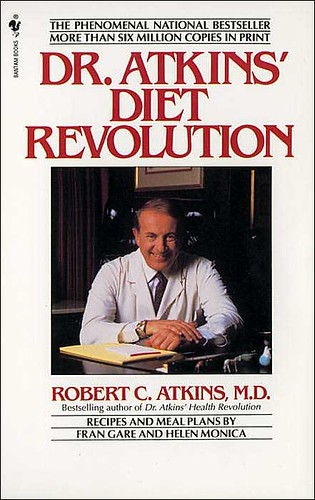
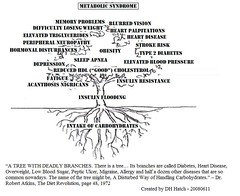
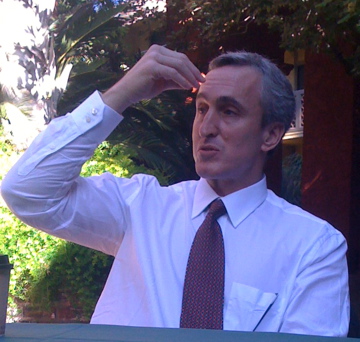


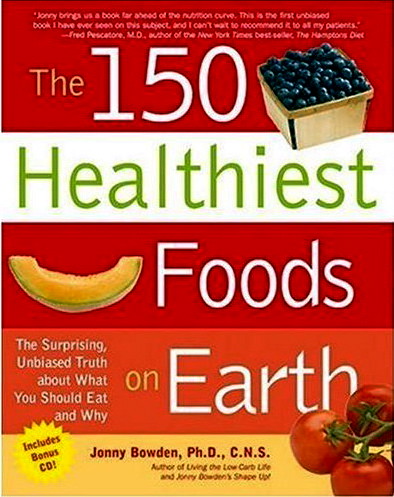
 .
.
